1. Roots
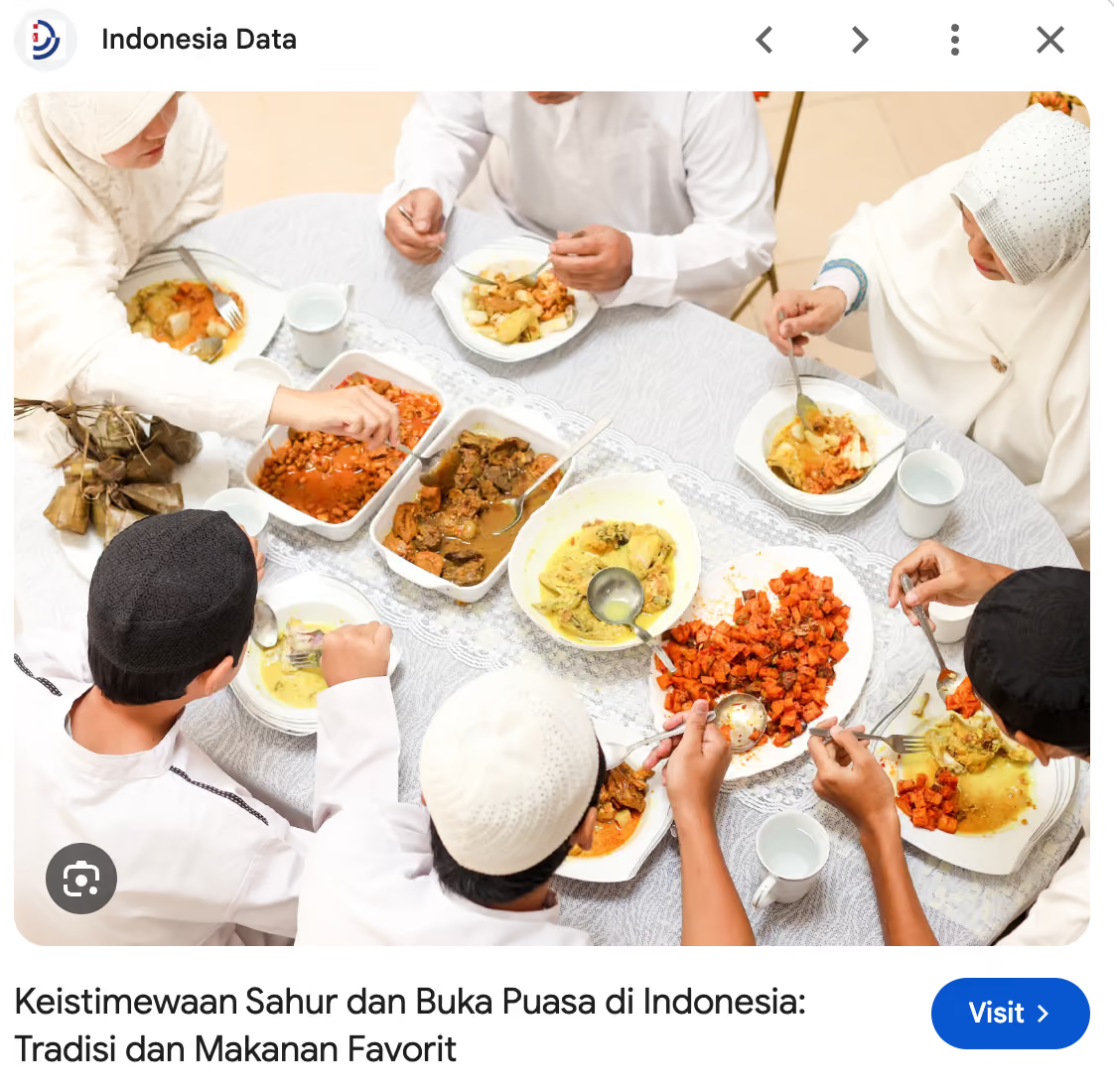
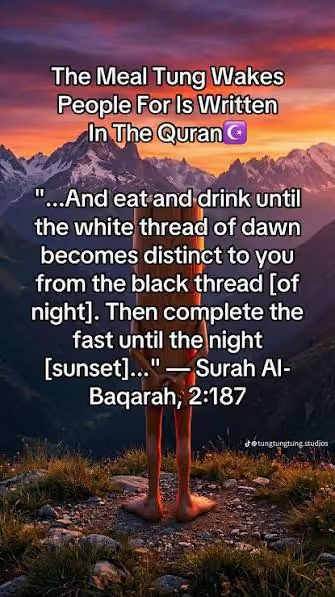
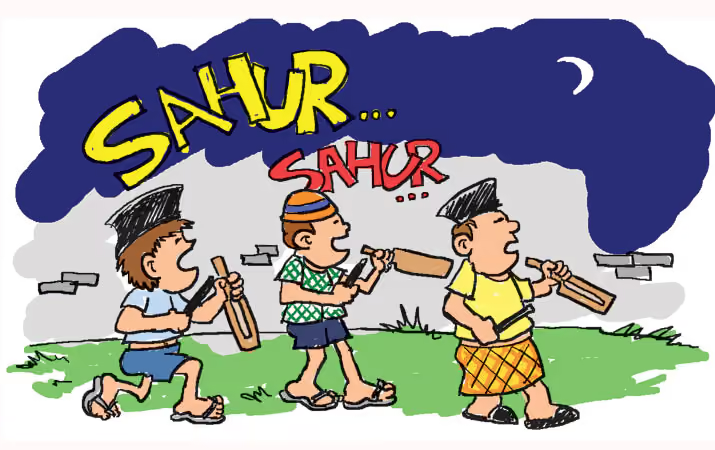
Sahur or suhur, also called sahari, sahri, or sehri, is the meal consumed early in the morning by Muslims before fasting (sawm), before dawn during or outside the Islamic month of Ramadan. The meal is eaten before fajr prayer. Suhur corresponds to iftar, the evening meal during Ramadan, replacing the traditional three meals a day (breakfast, lunch, and dinner), ...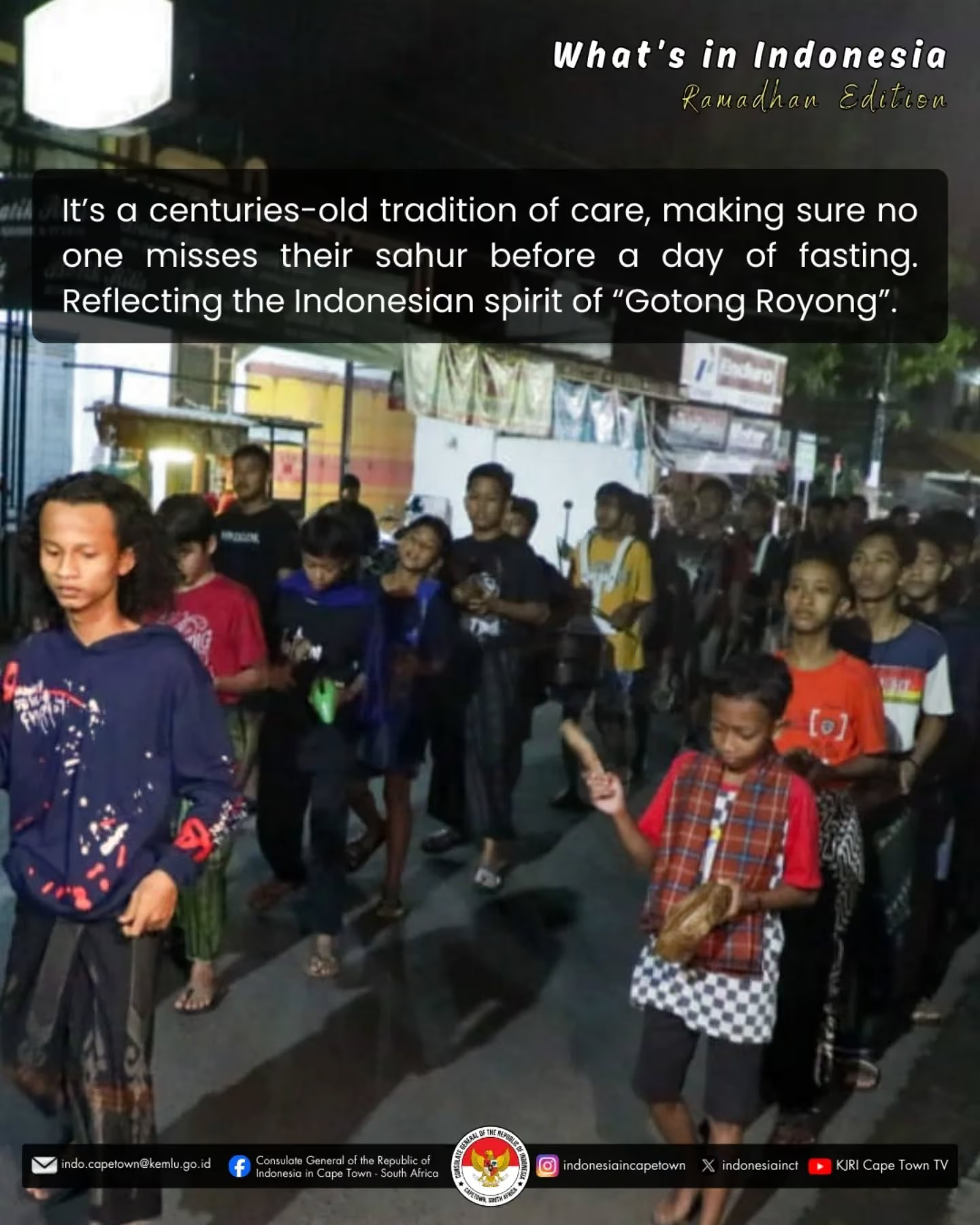
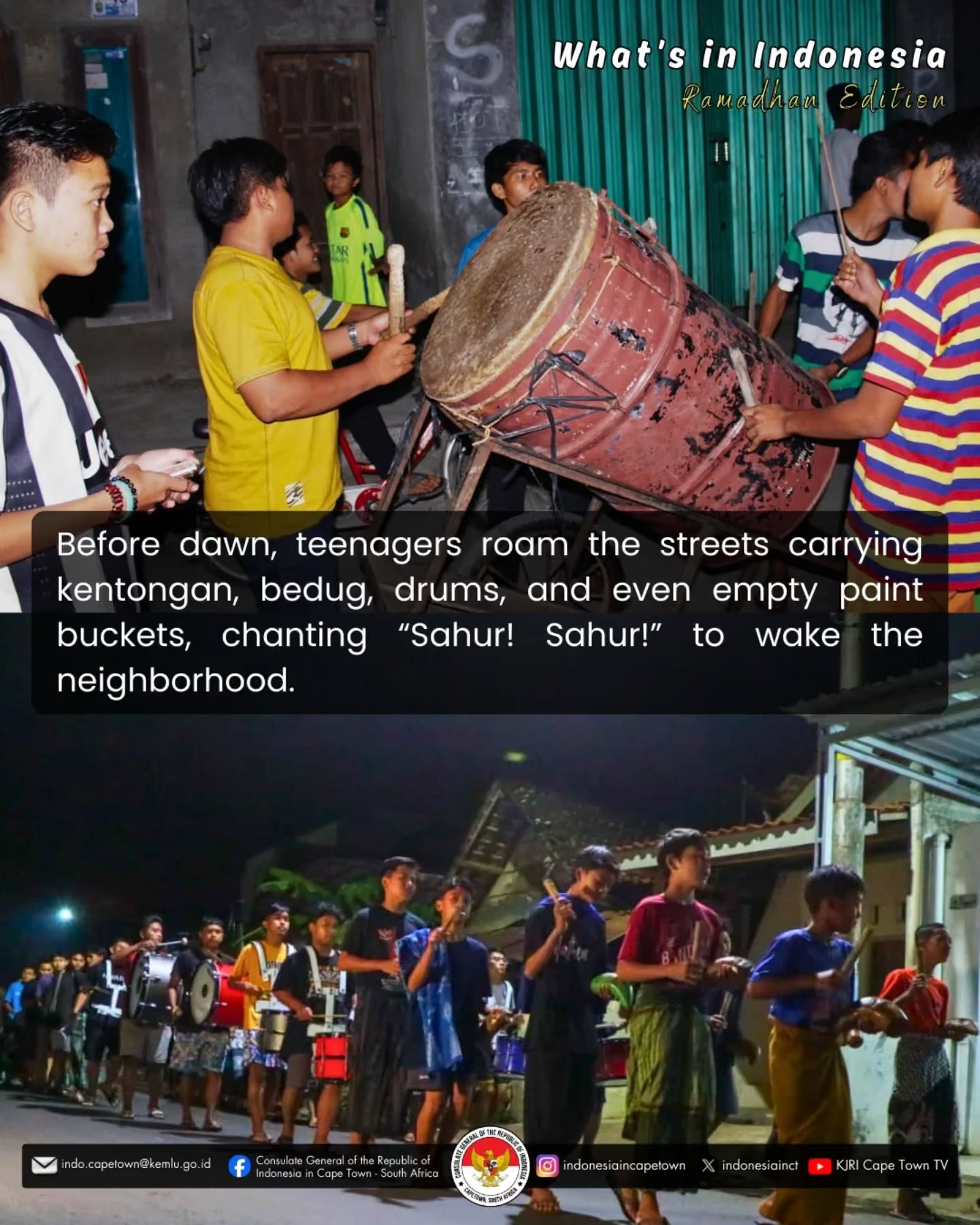
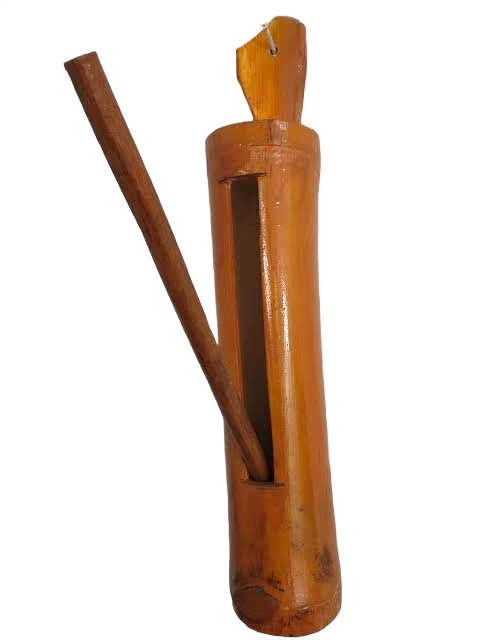
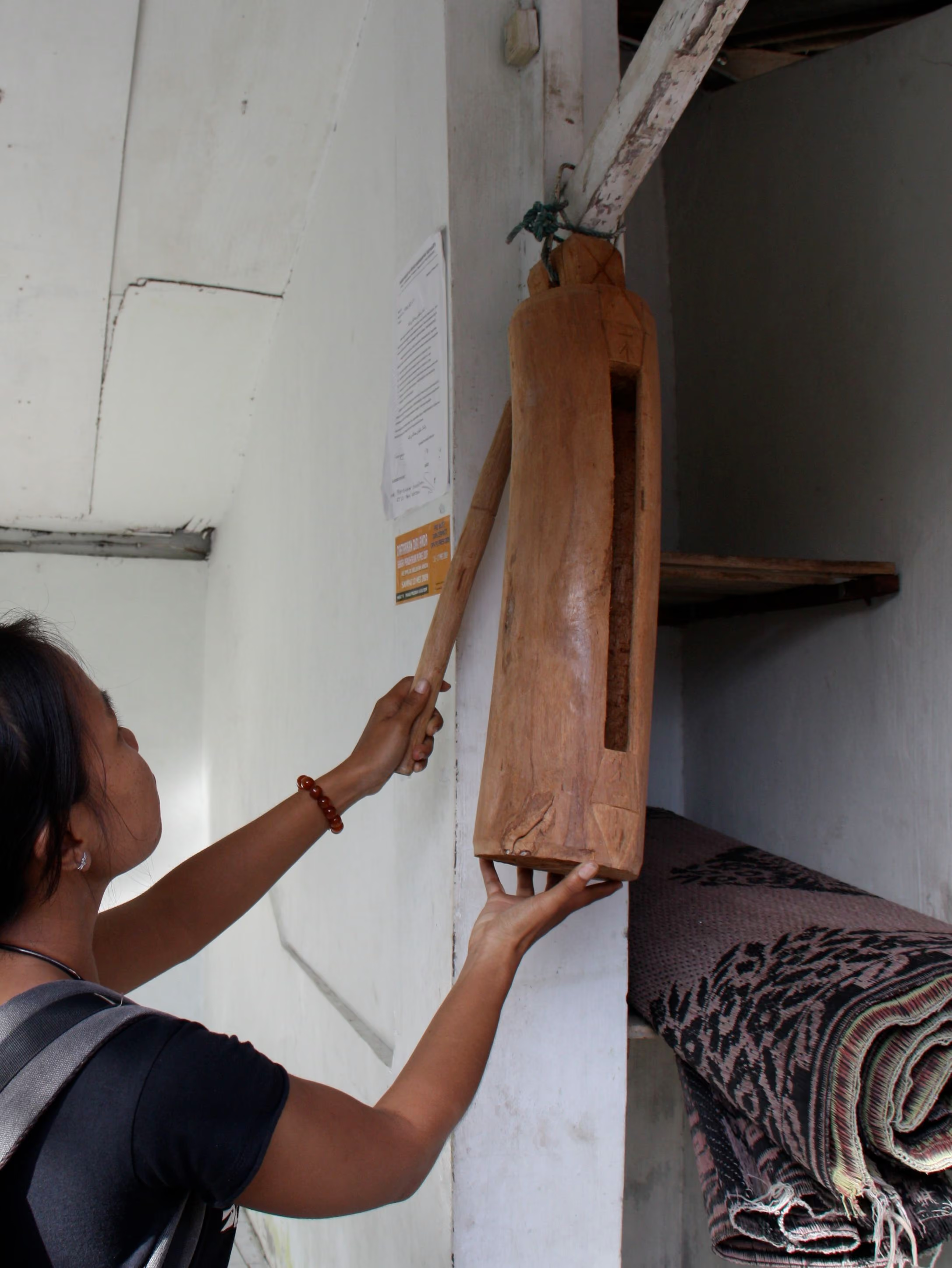
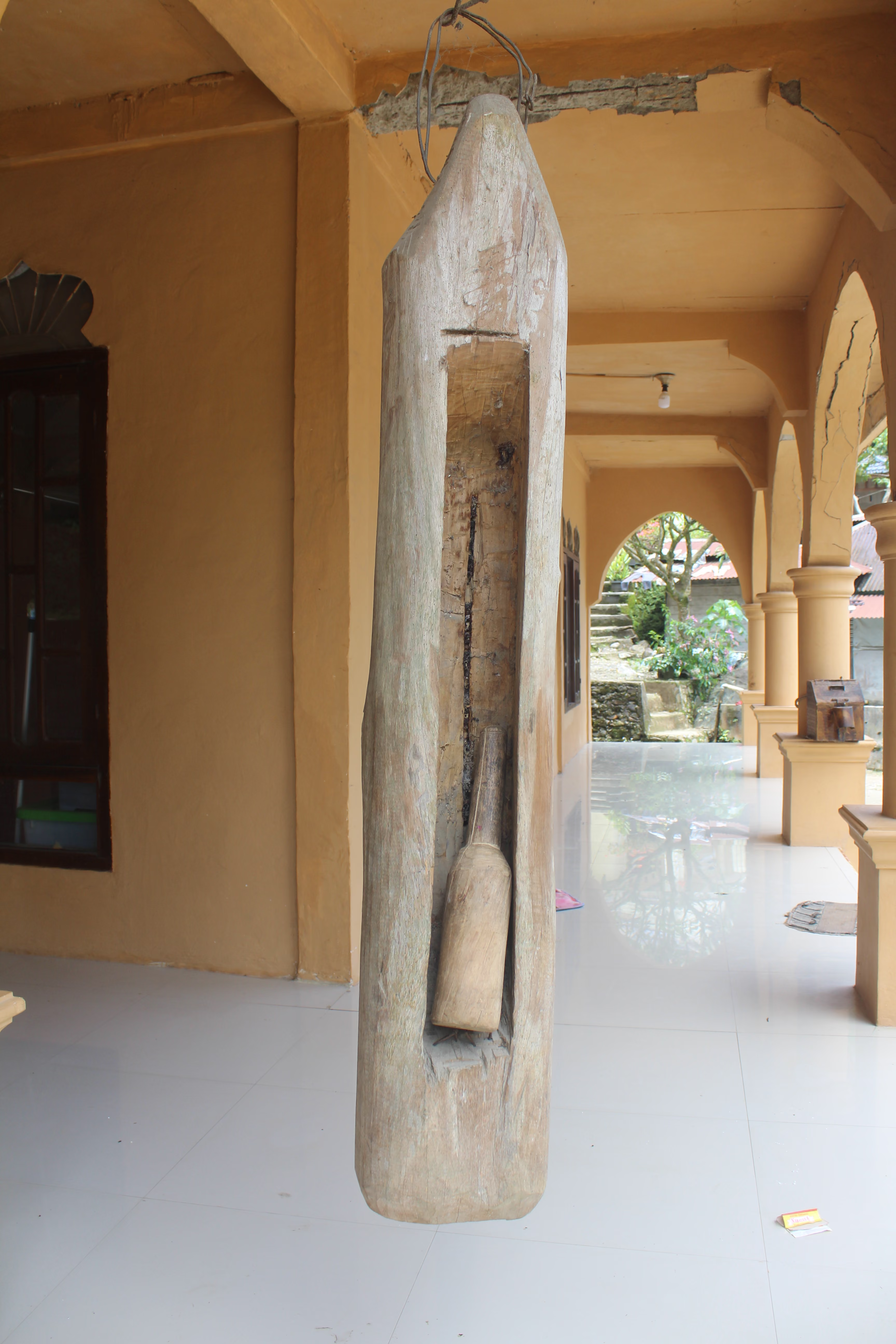
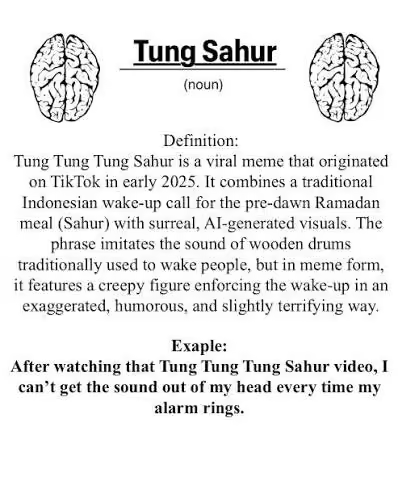
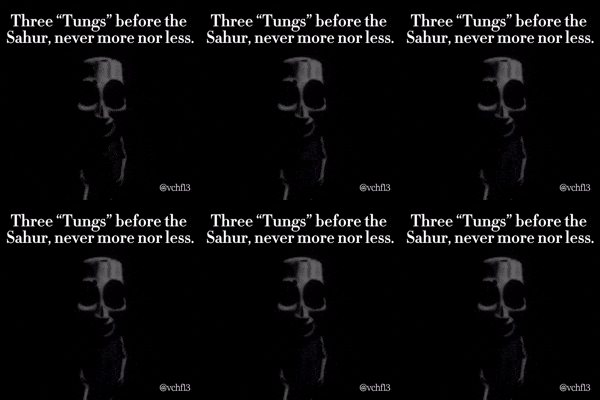
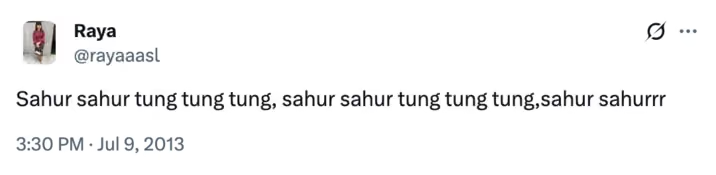 An early online instance of this phrase dates to a 2013 tweet repeating the chant rhythmically, way before the sequence became the name of an AI-generated character.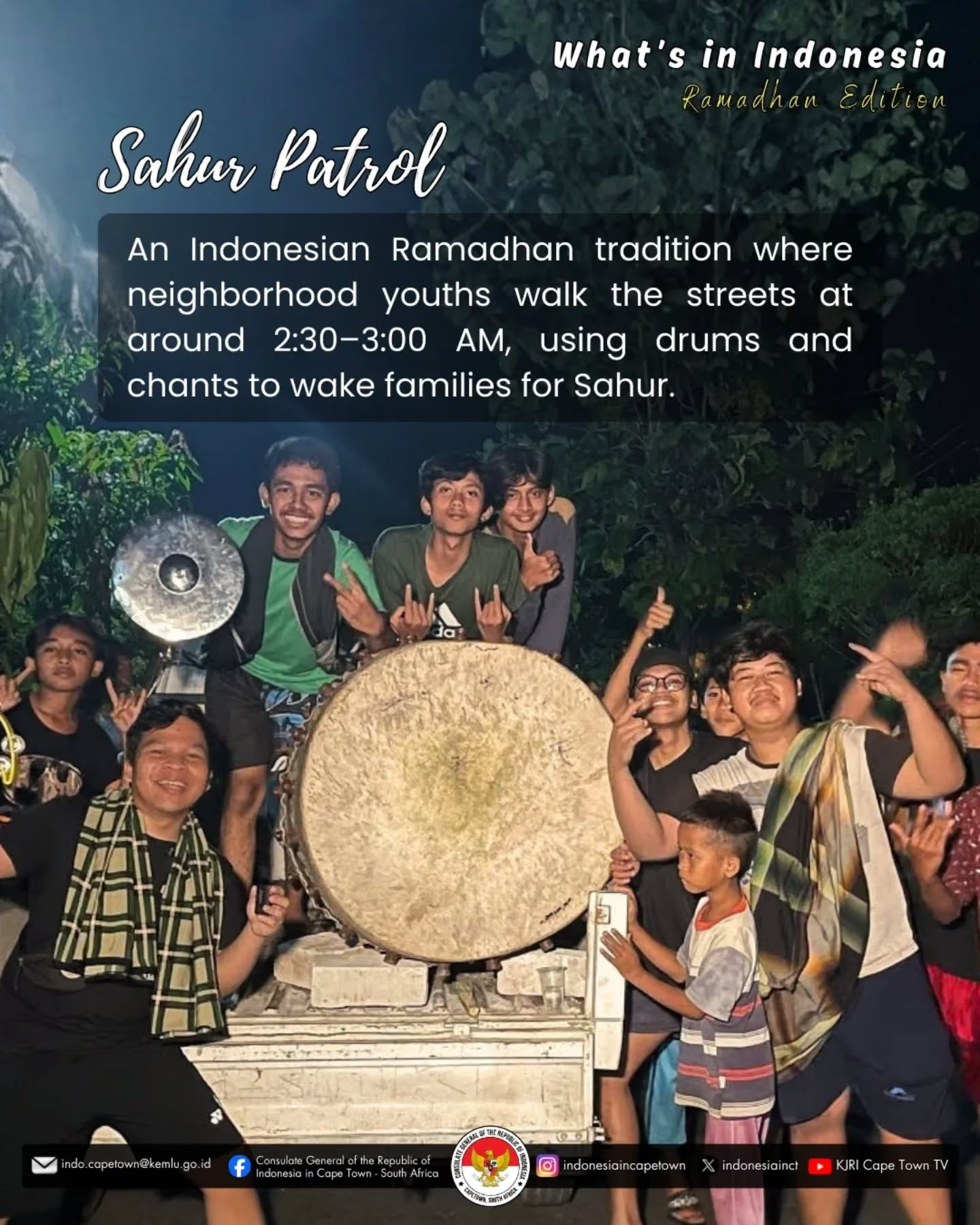
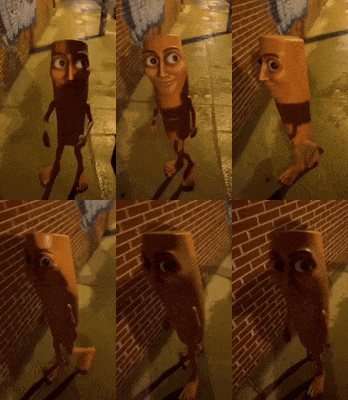
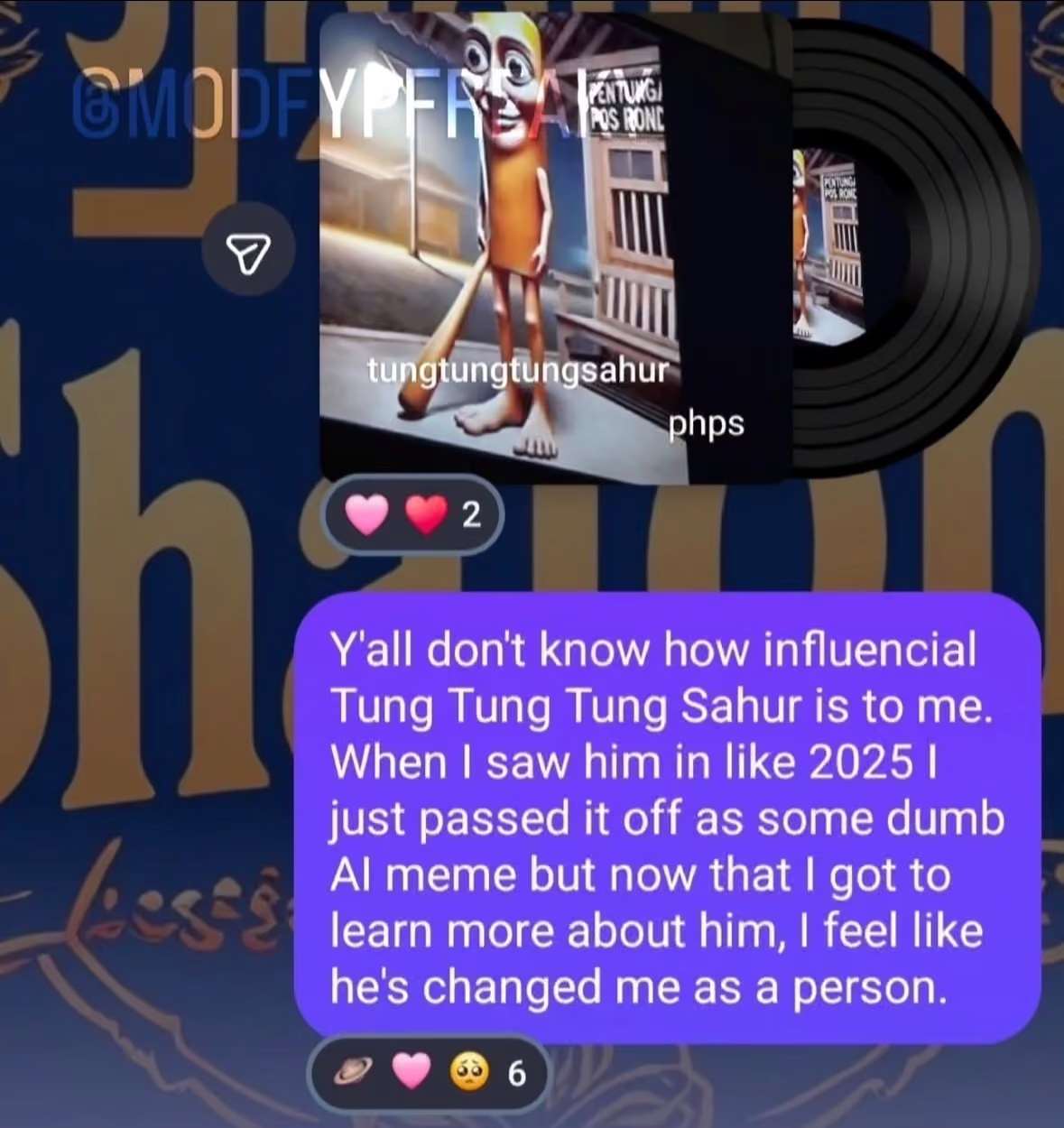
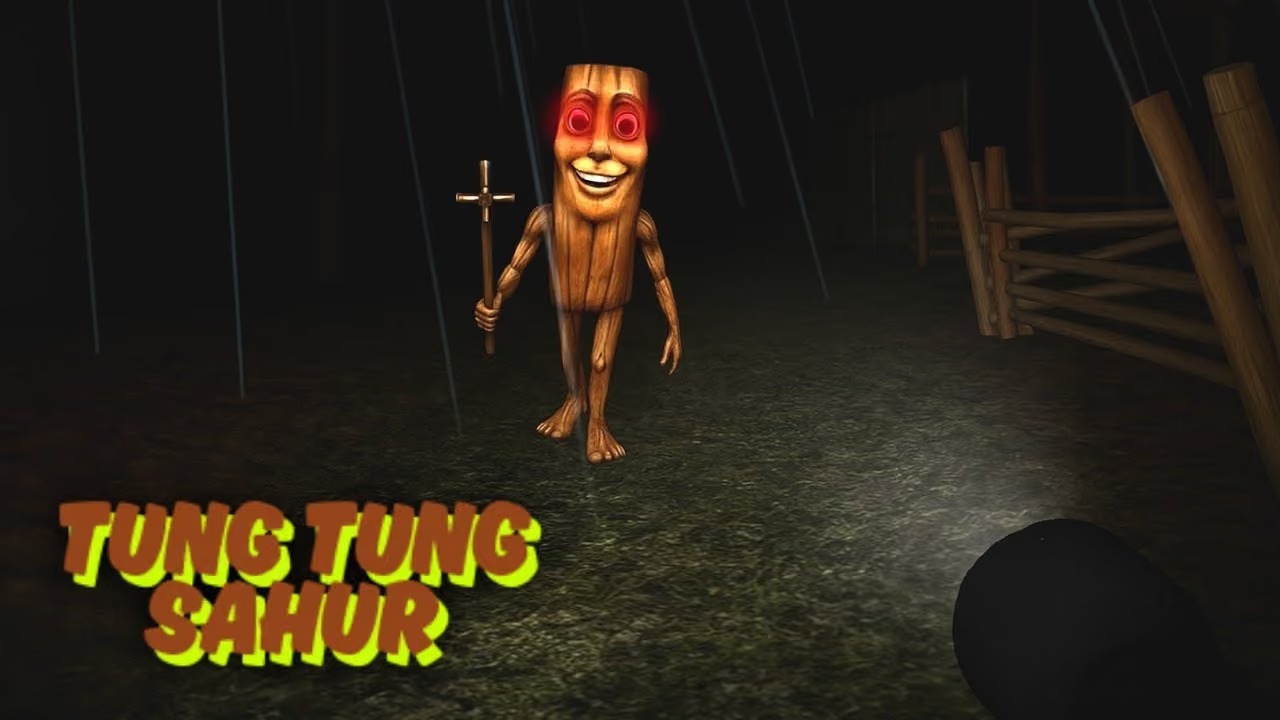
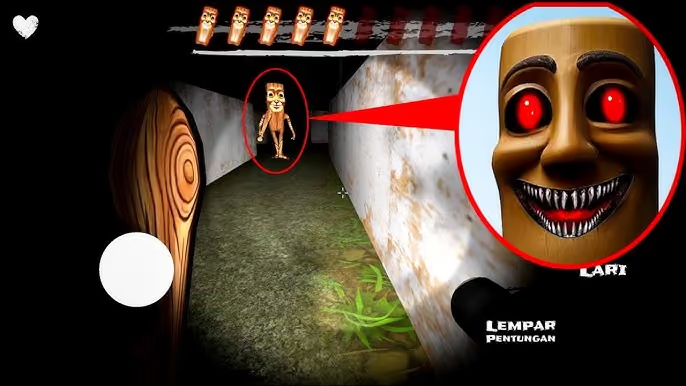
 Tung Tung Tung Sahur can only "come out" (as in appear), during the consumation of Sahur. It is said that if someone is called for Sahur three times and does not answer, he will appear at the individual's home.
More on this in the
6. Mythology → chapter.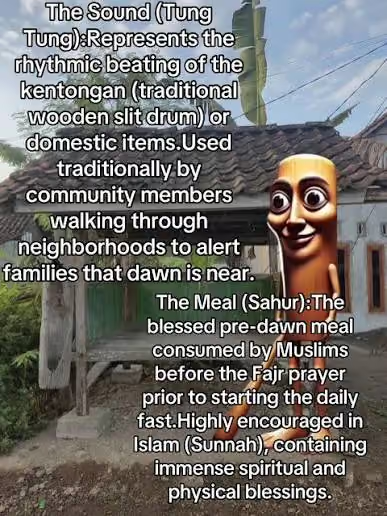
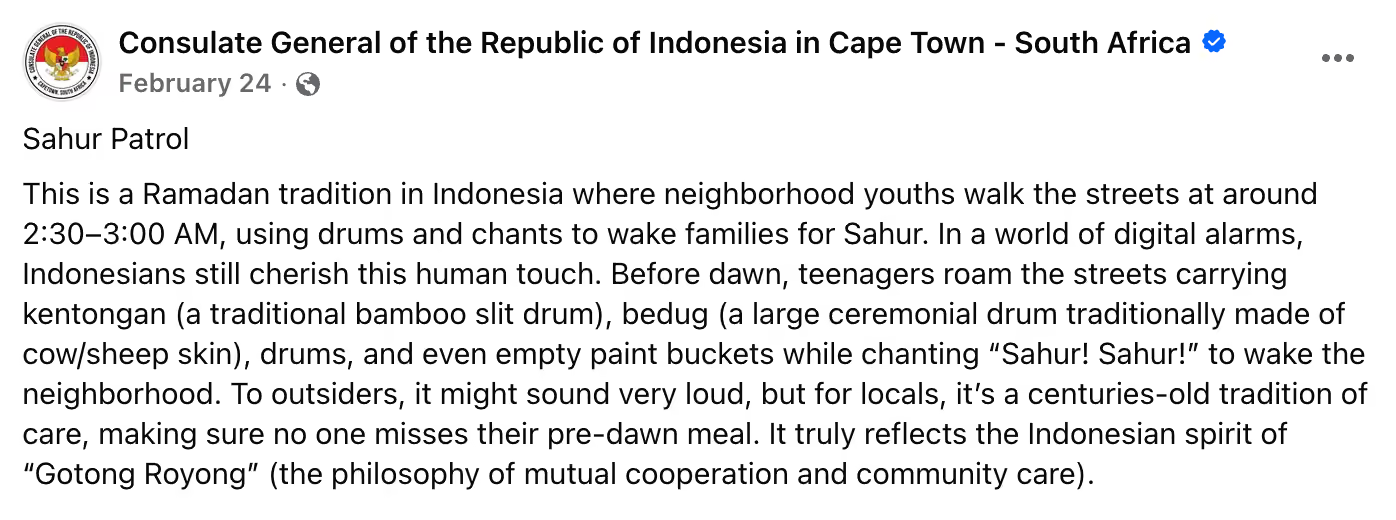
An early online instance of this phrase dates to a 2013 tweet repeating the chant rhythmically, way before the sequence became the name of an AI-generated character.
Tung Tung Tung Sahur can only "come out" (as in appear), during the consumation of Sahur. It is said that if someone is called for Sahur three times and does not answer, he will appear at the individual's home.6. Mythology → chapter.
2. Emergence
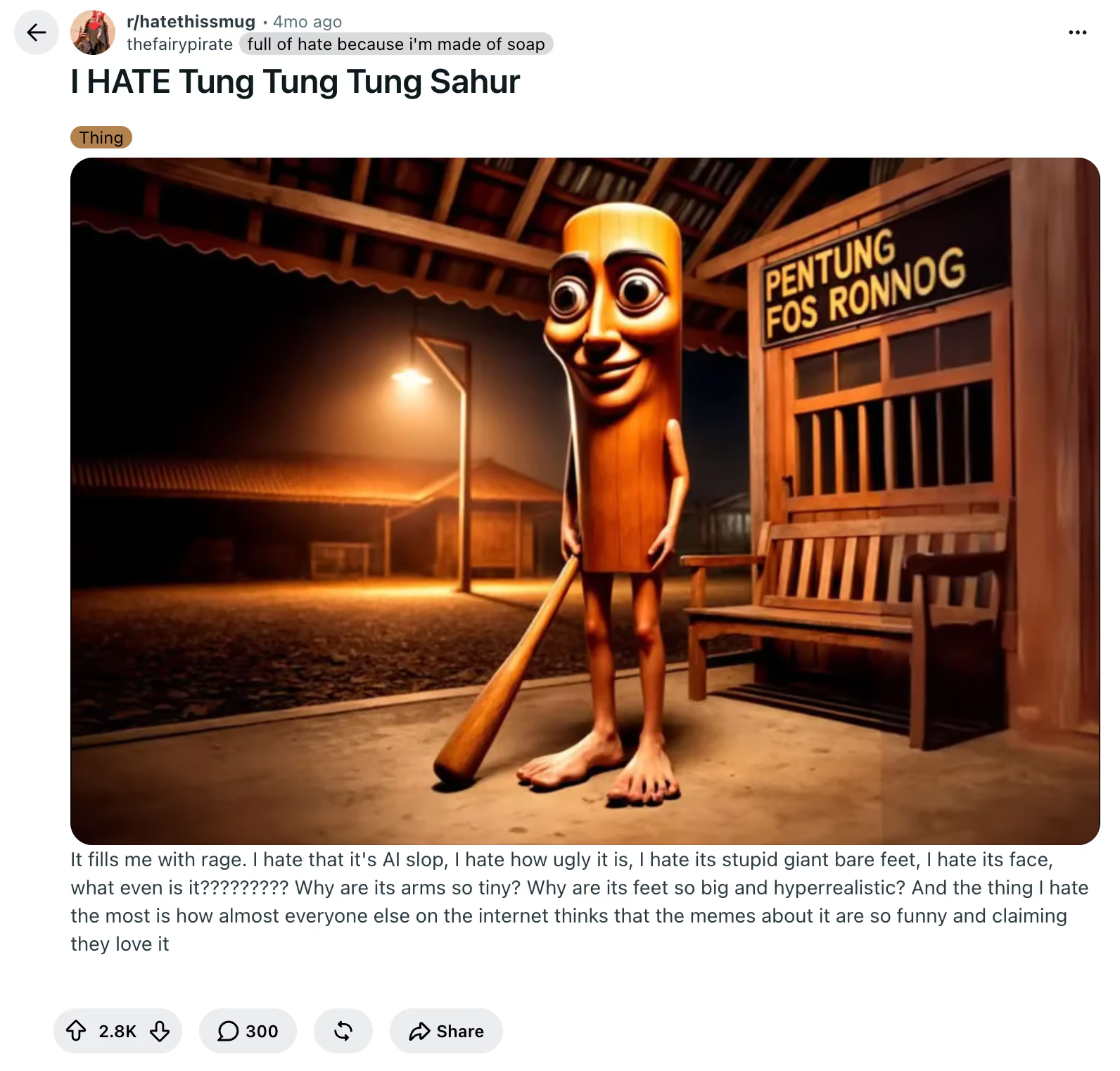
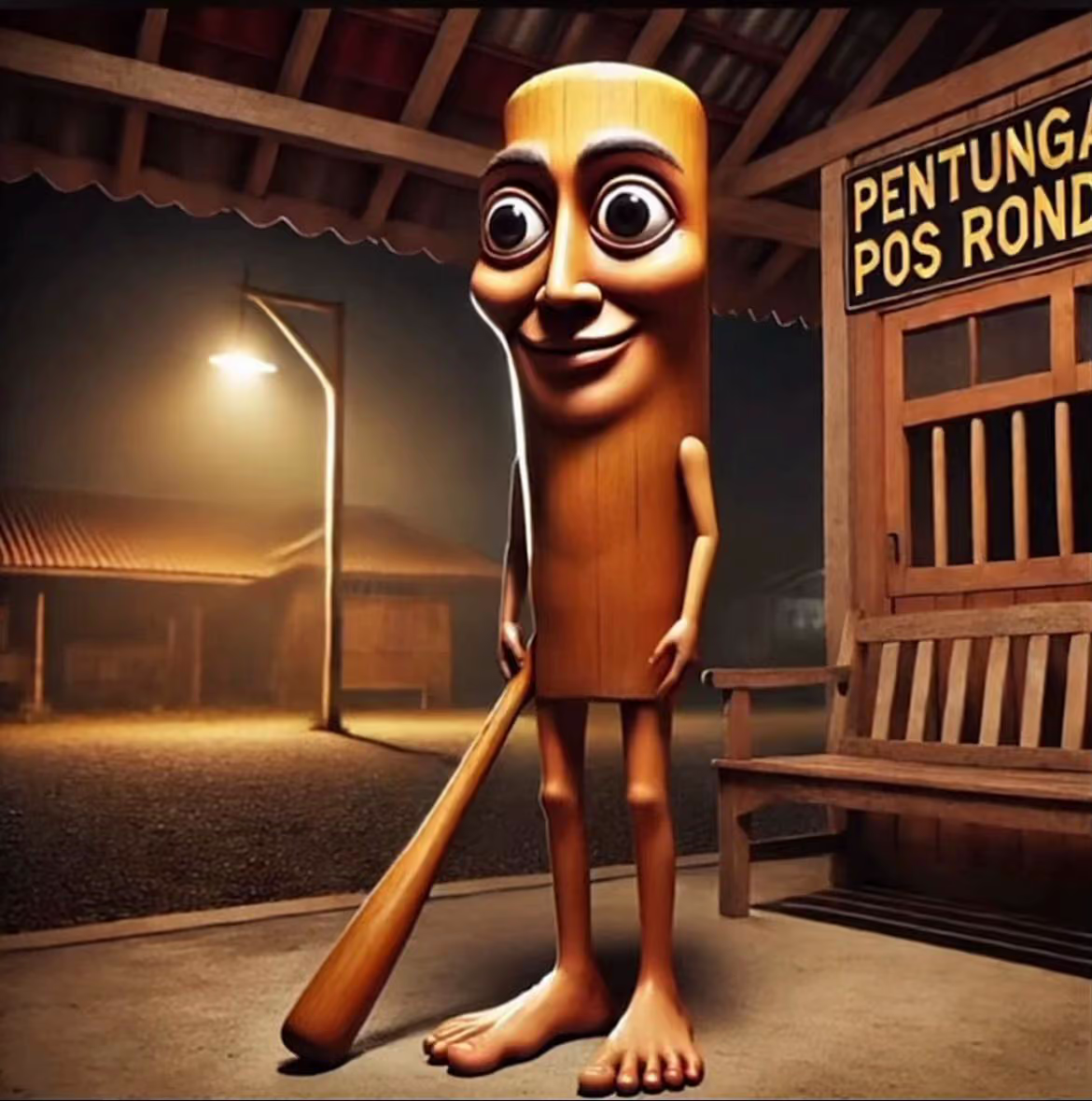
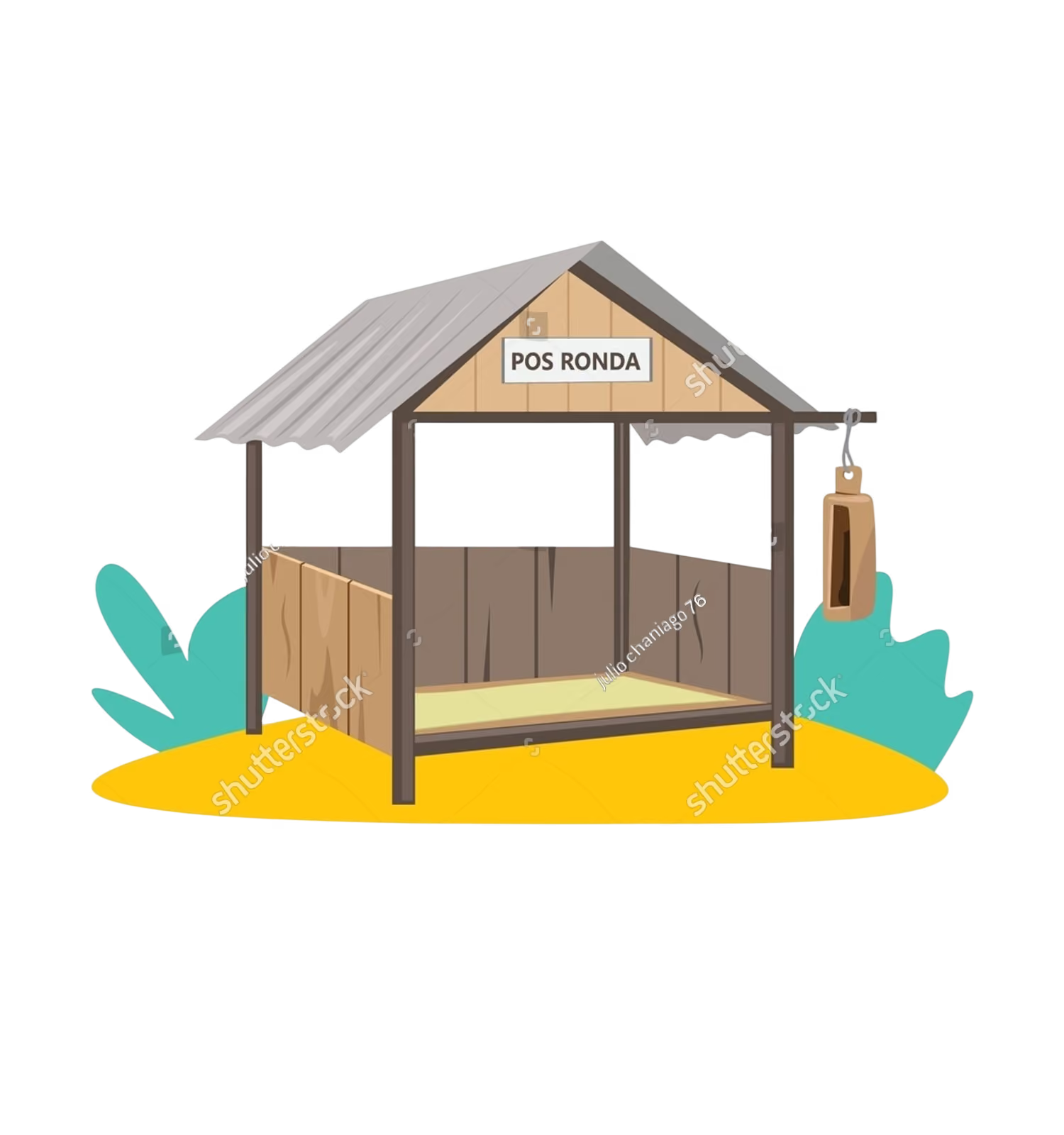
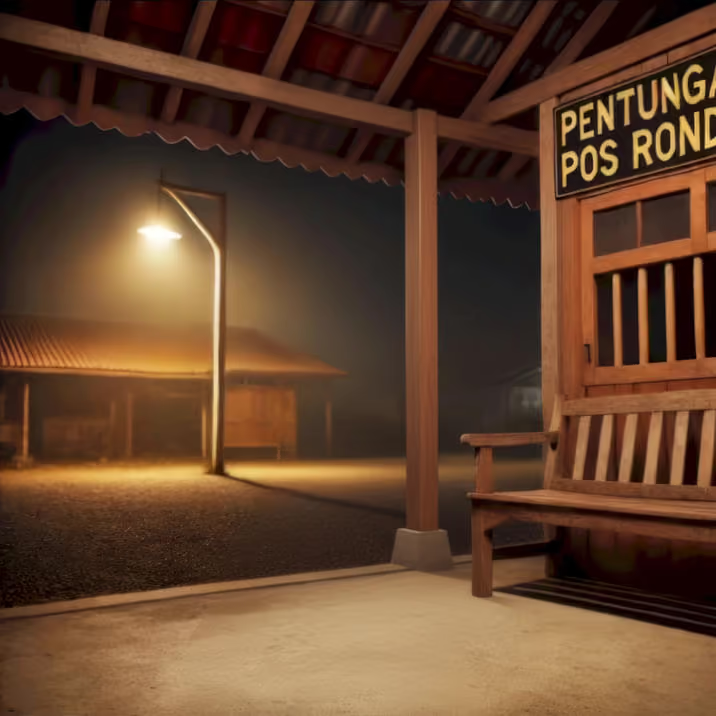
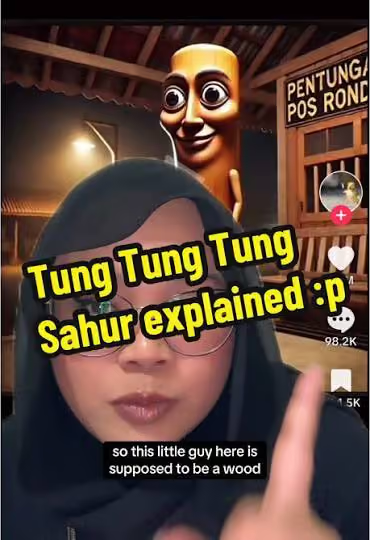
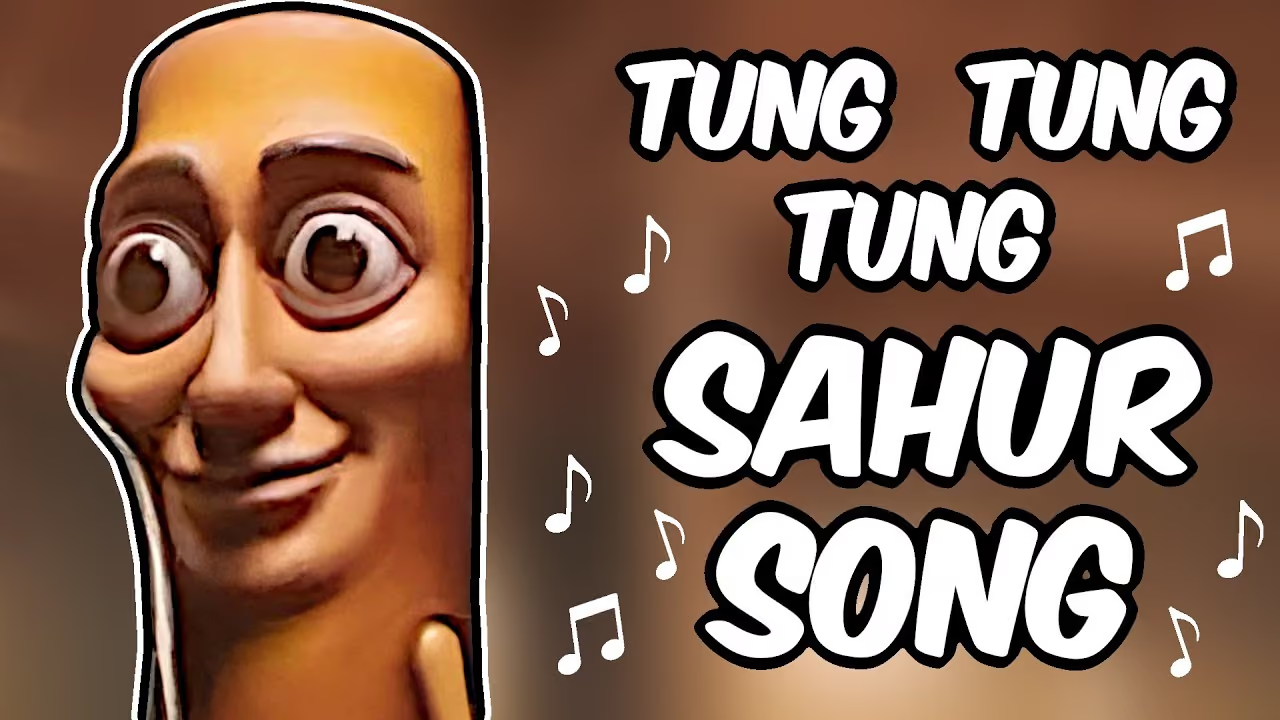
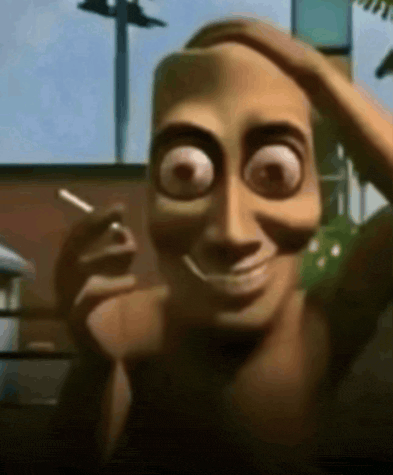
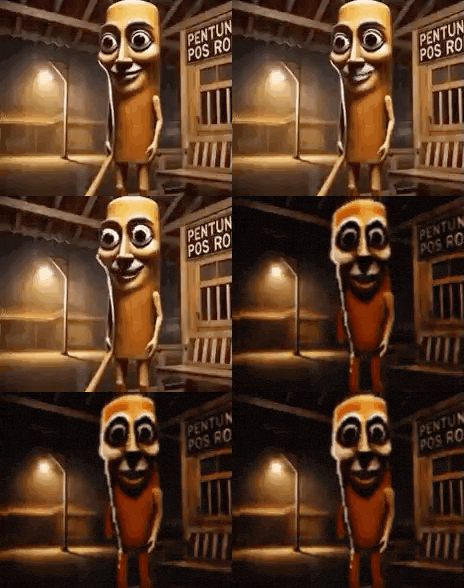
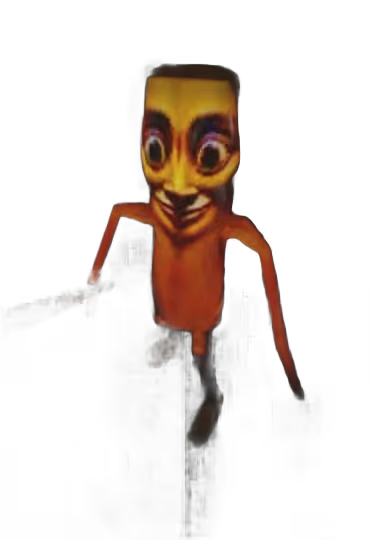
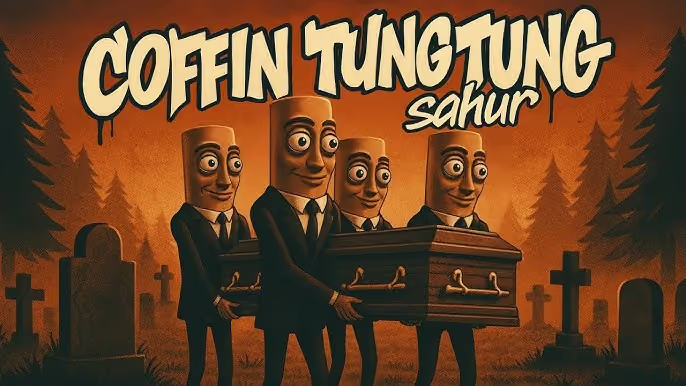
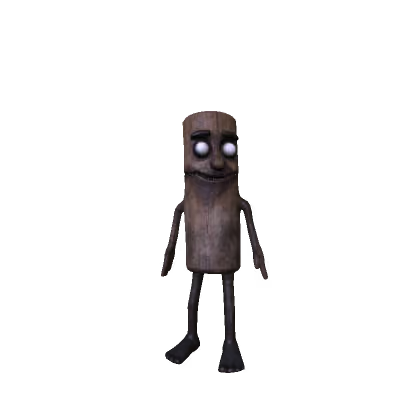
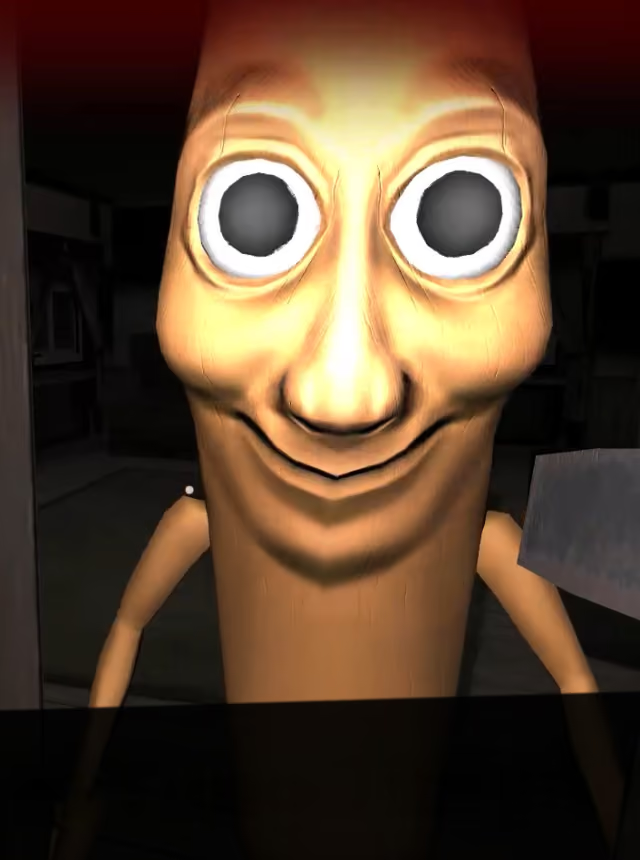
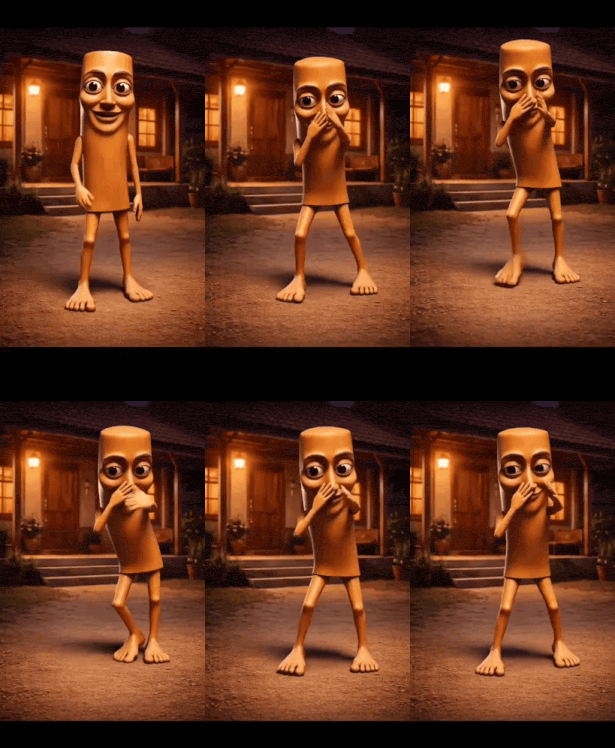
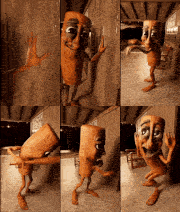
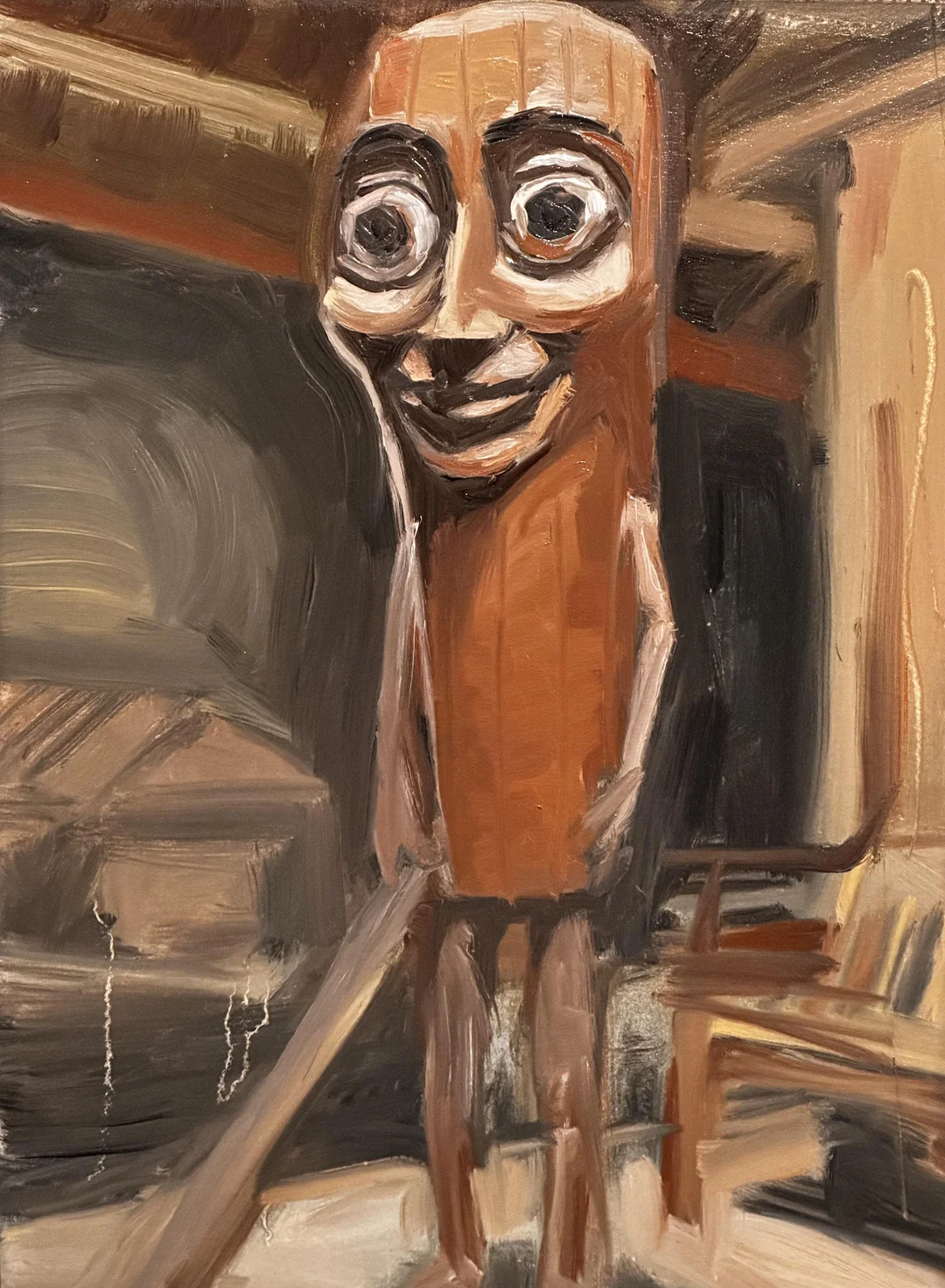
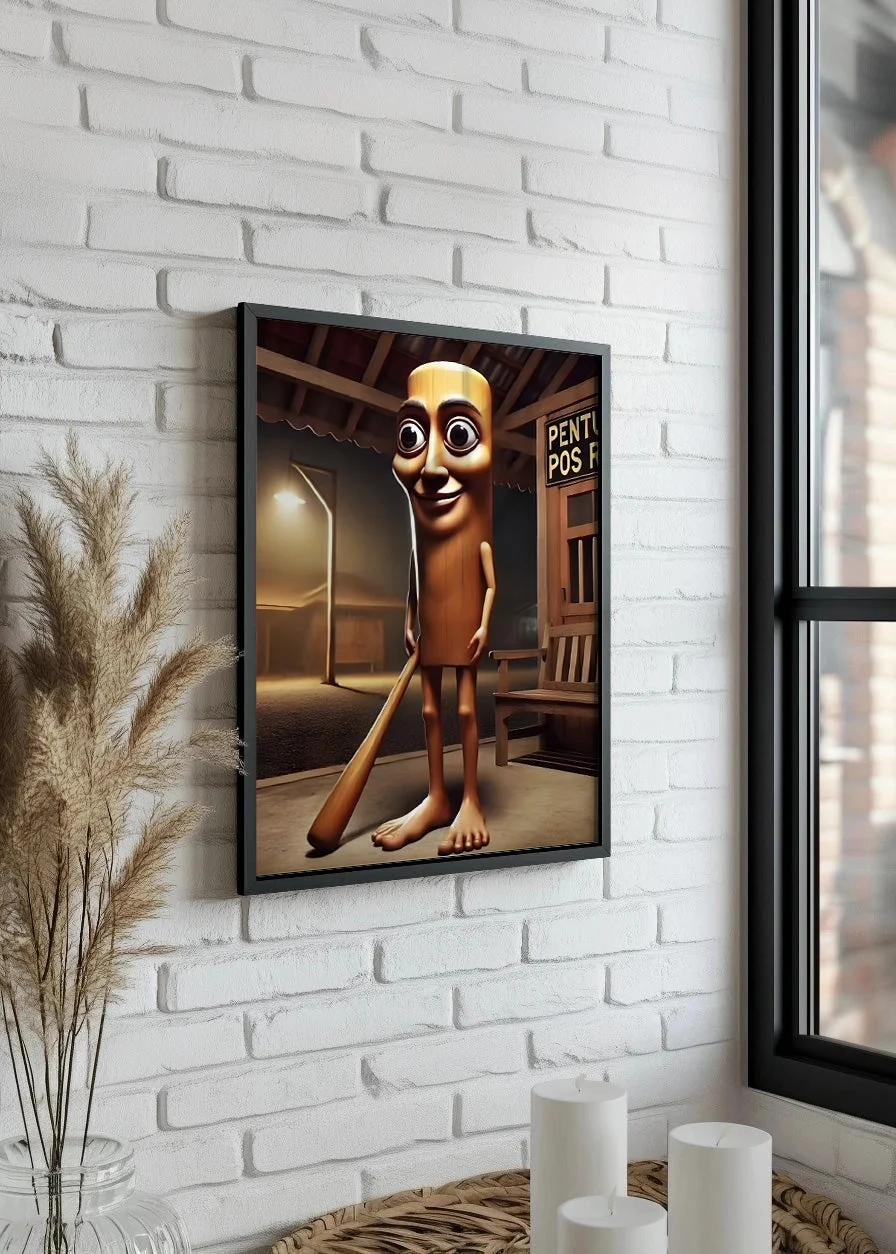
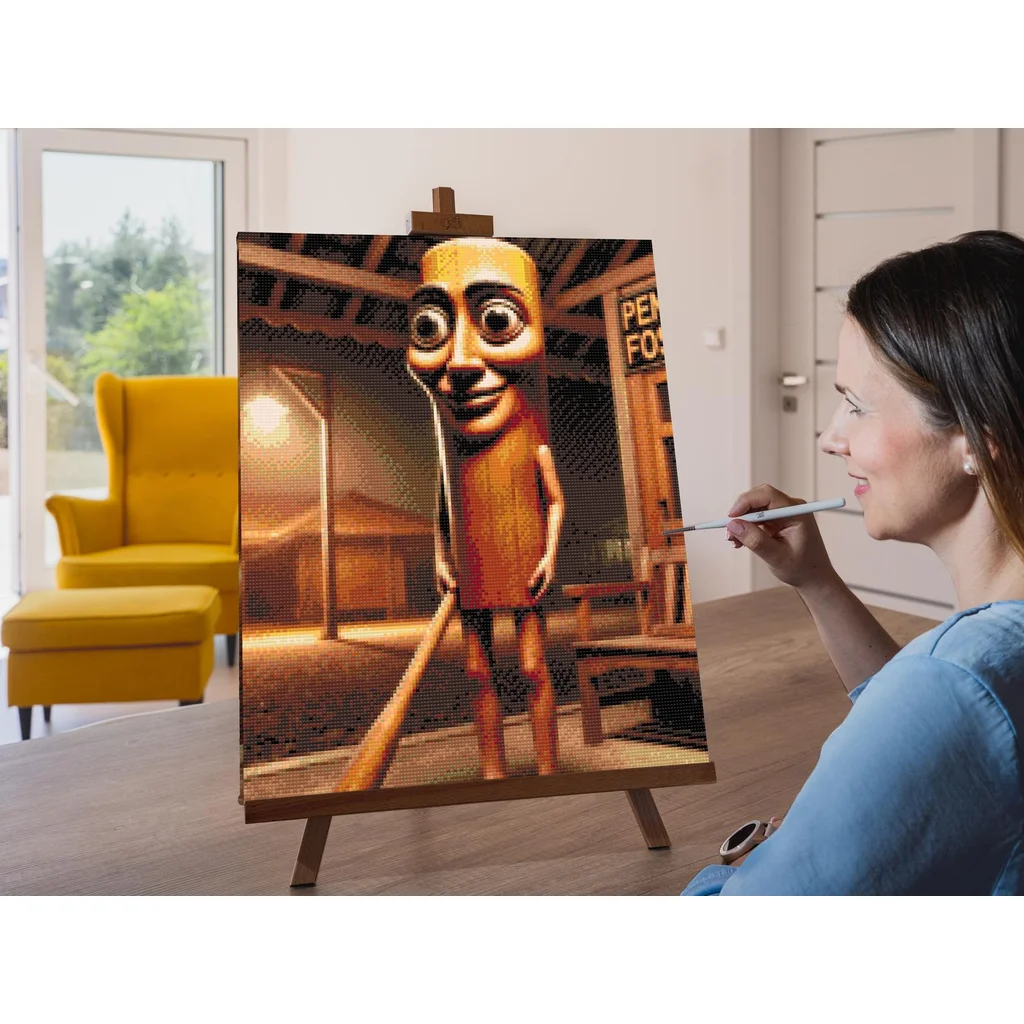
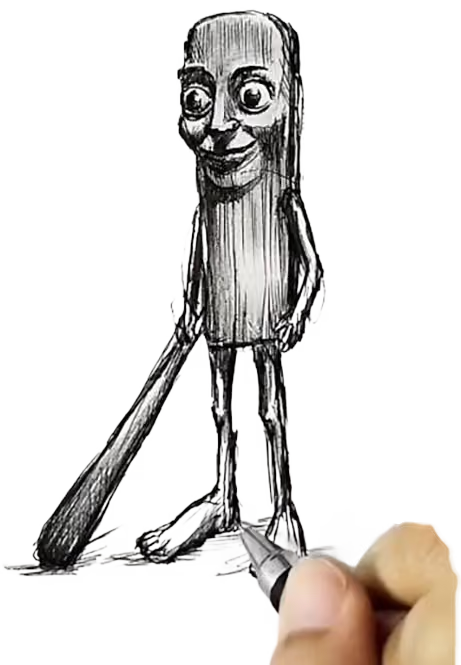
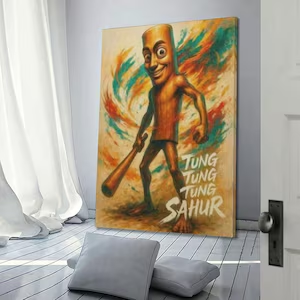
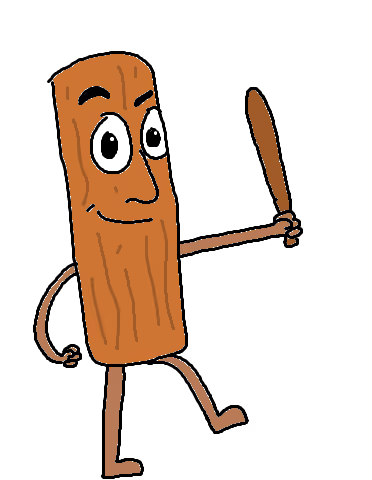
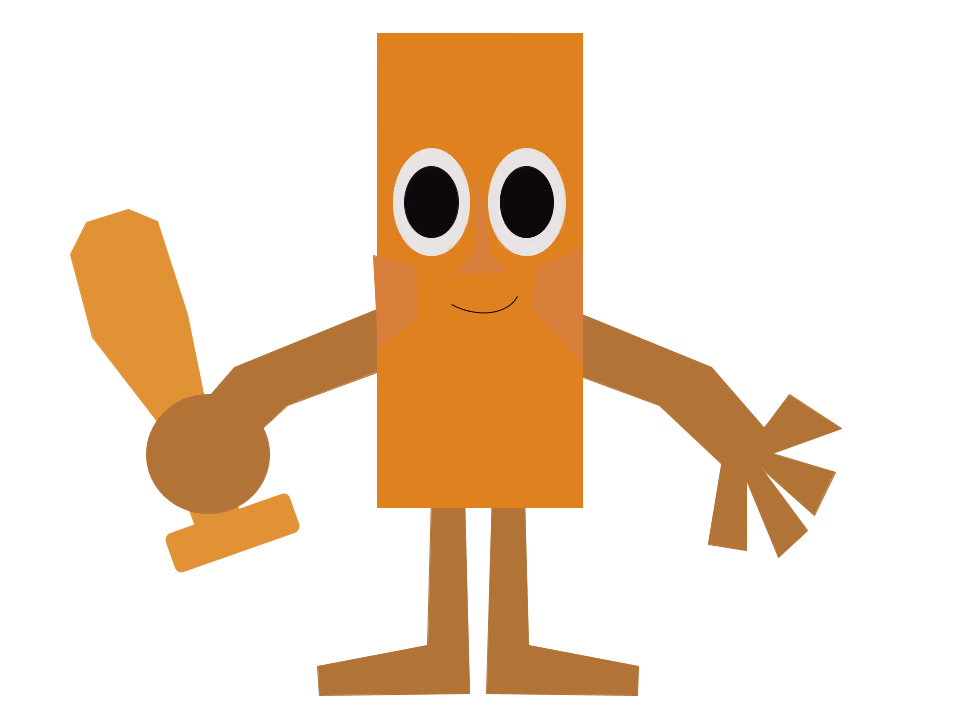
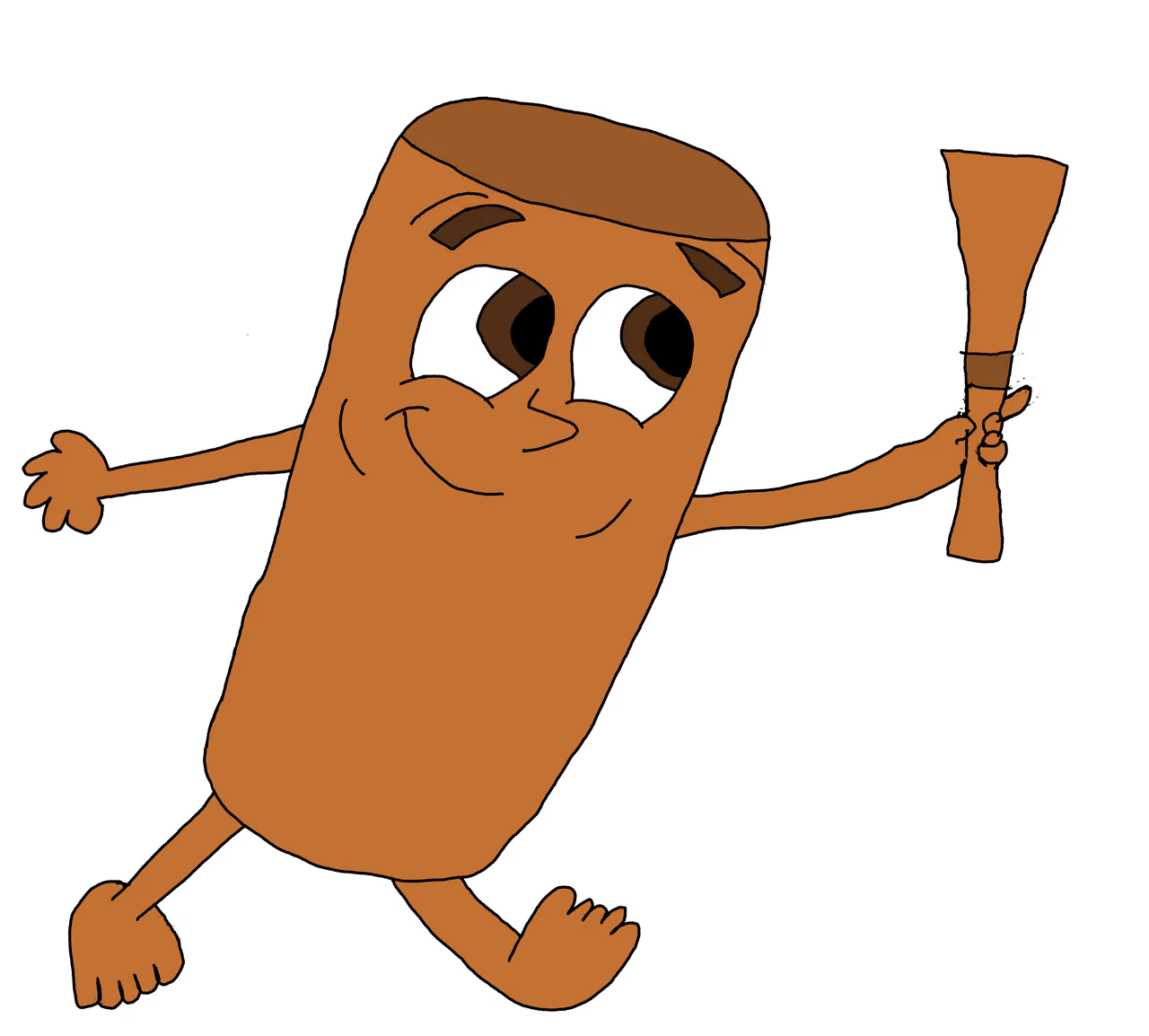
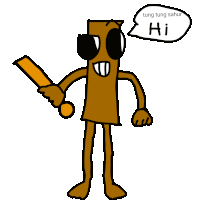
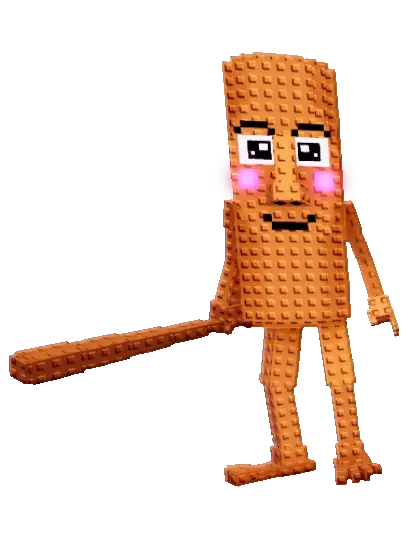
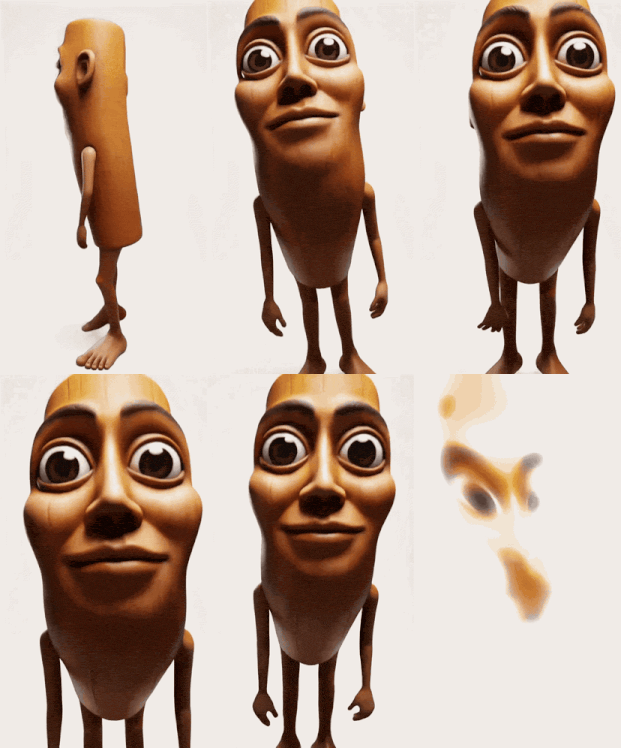
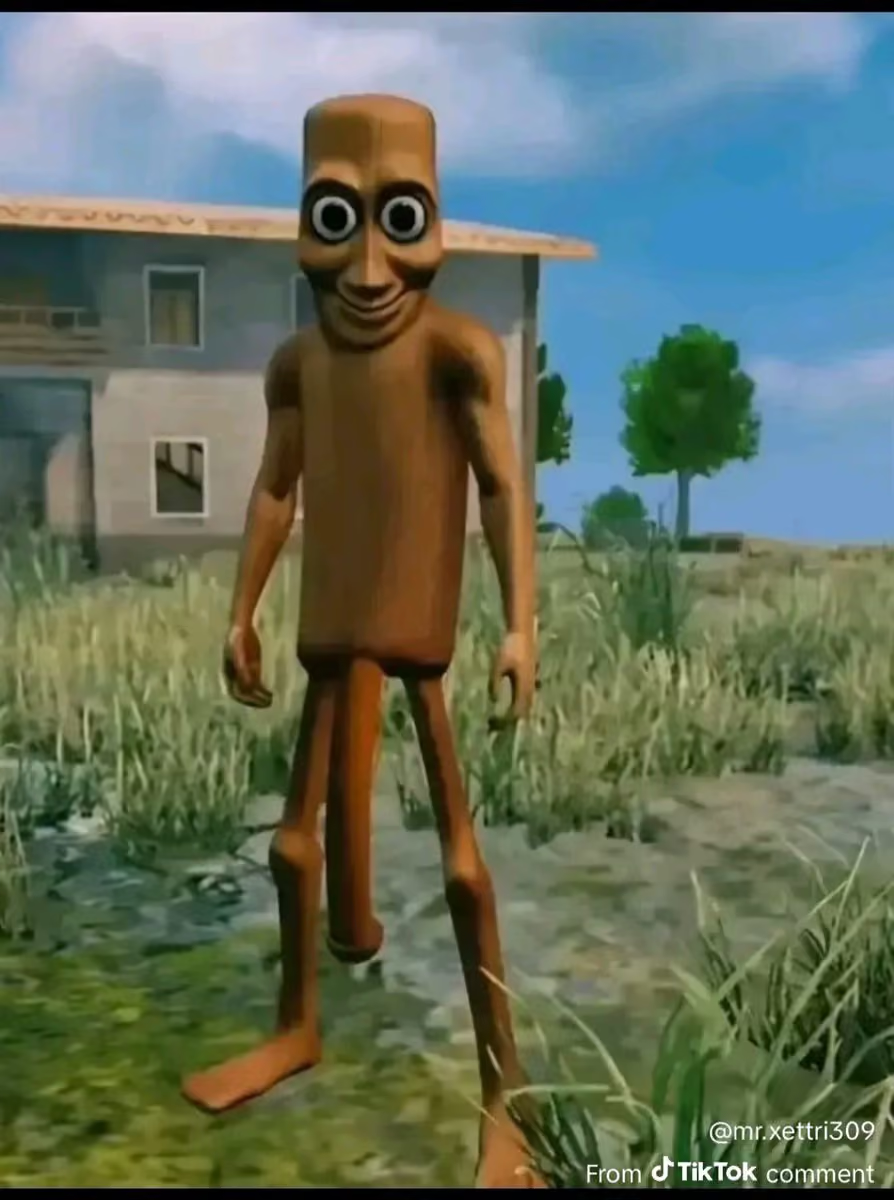
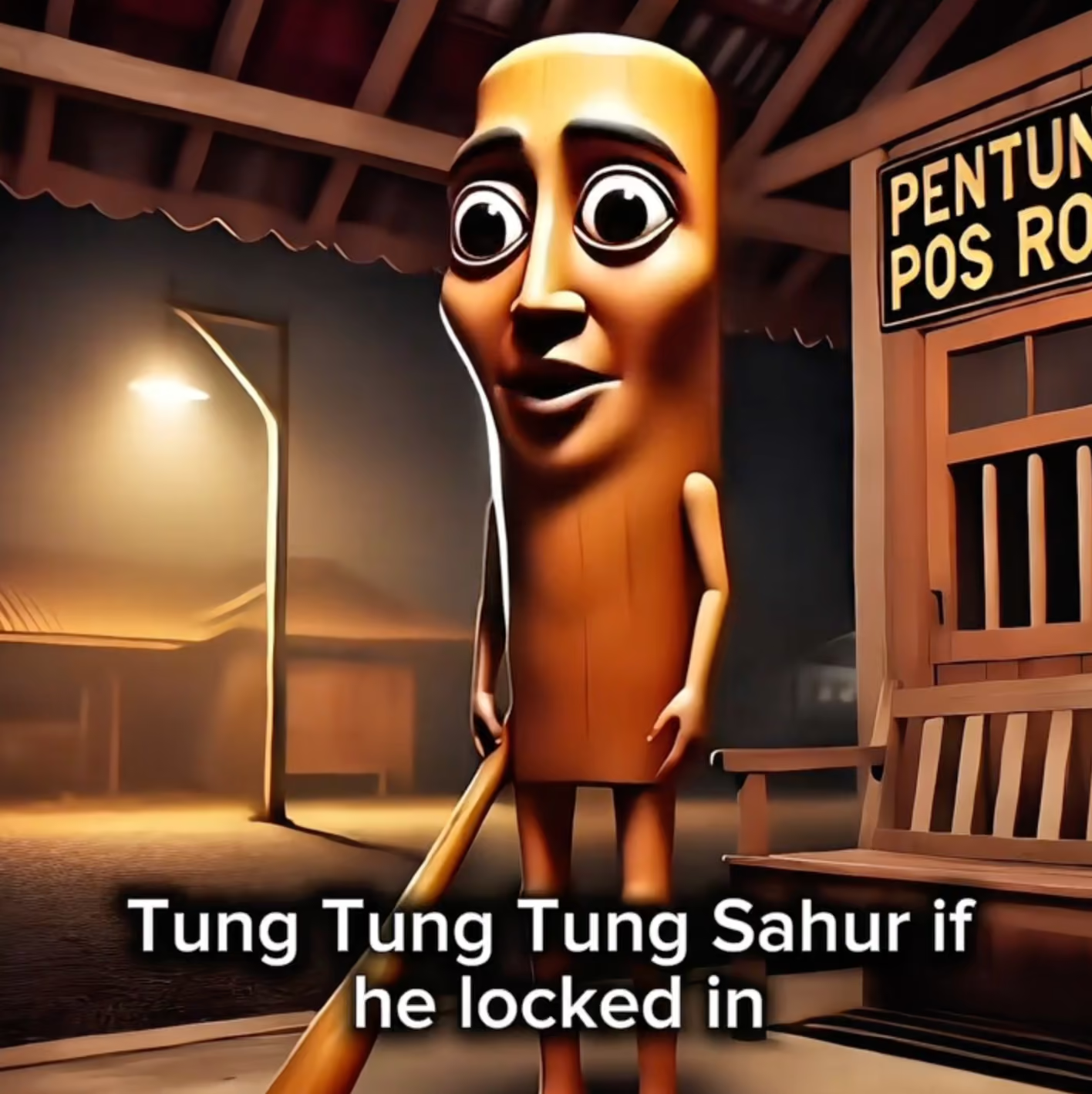
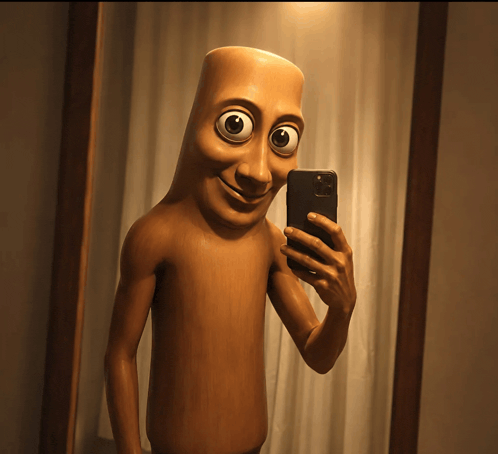
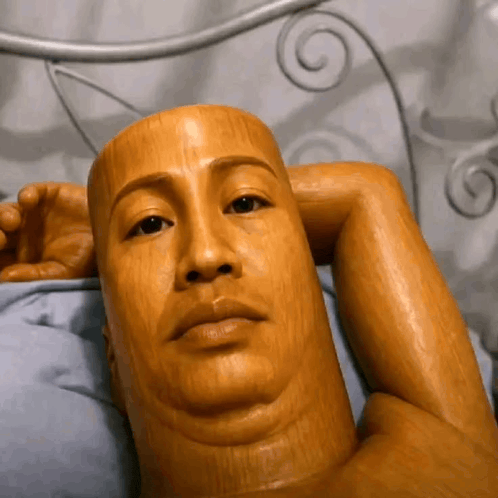
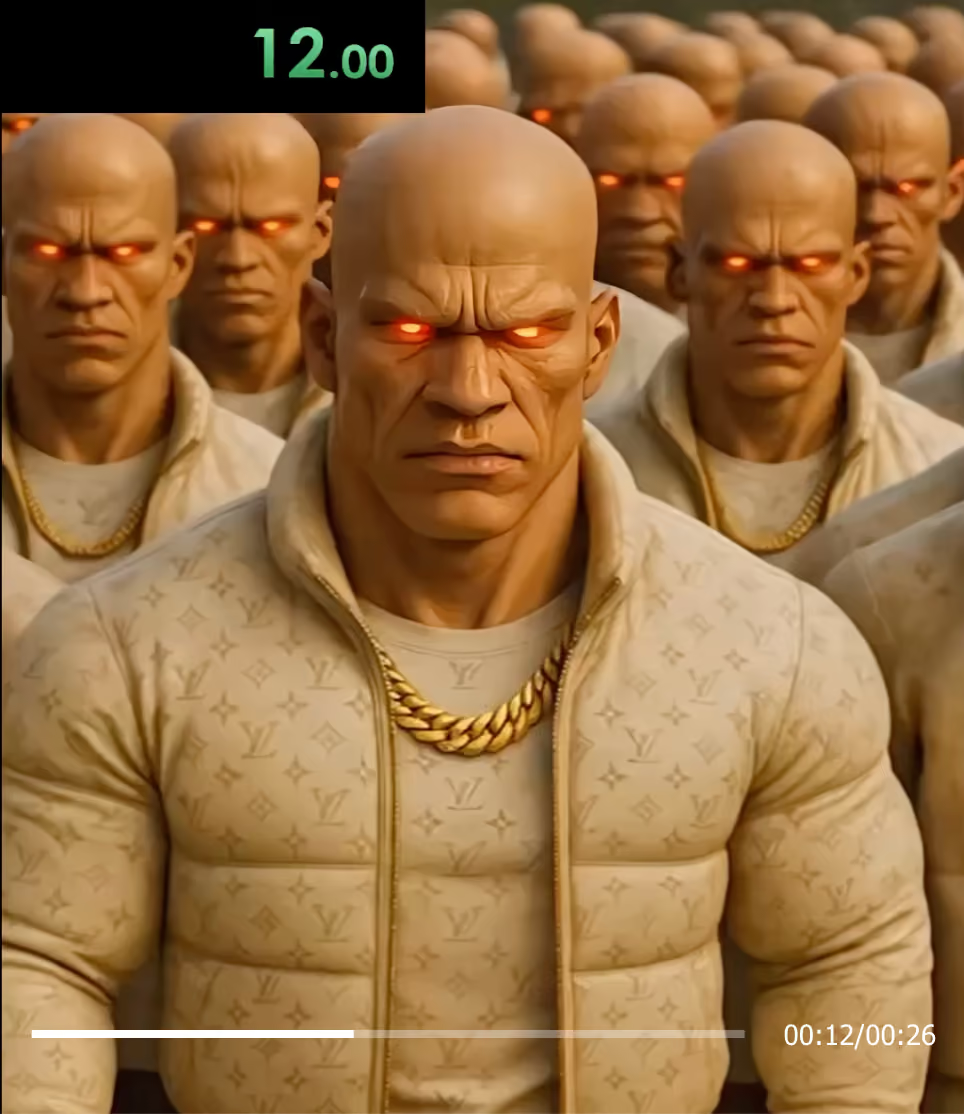
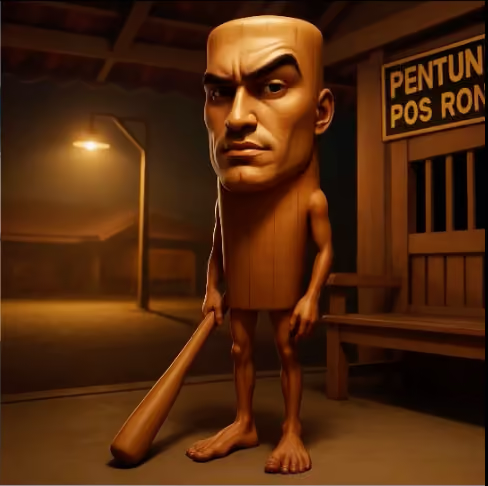
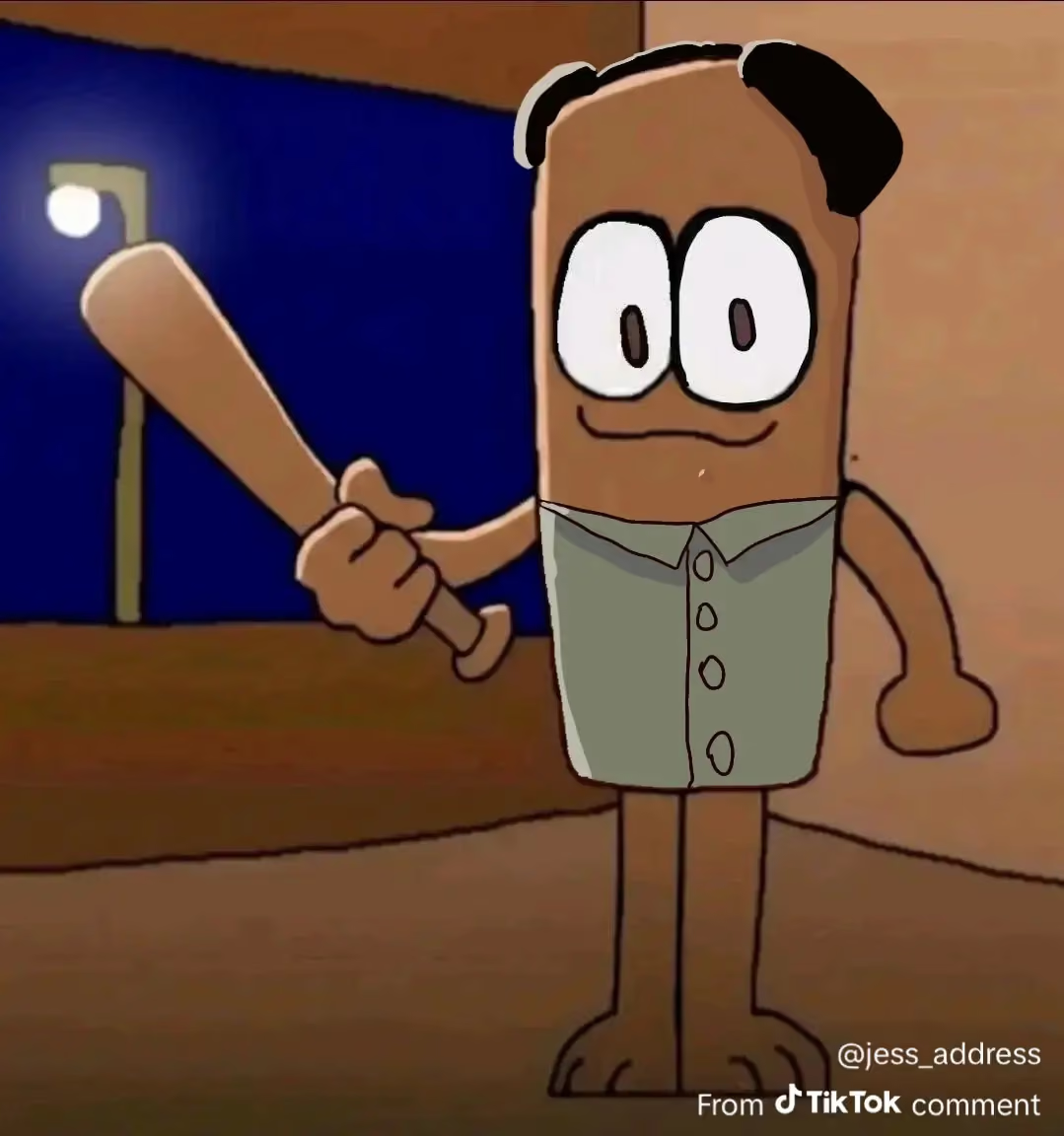
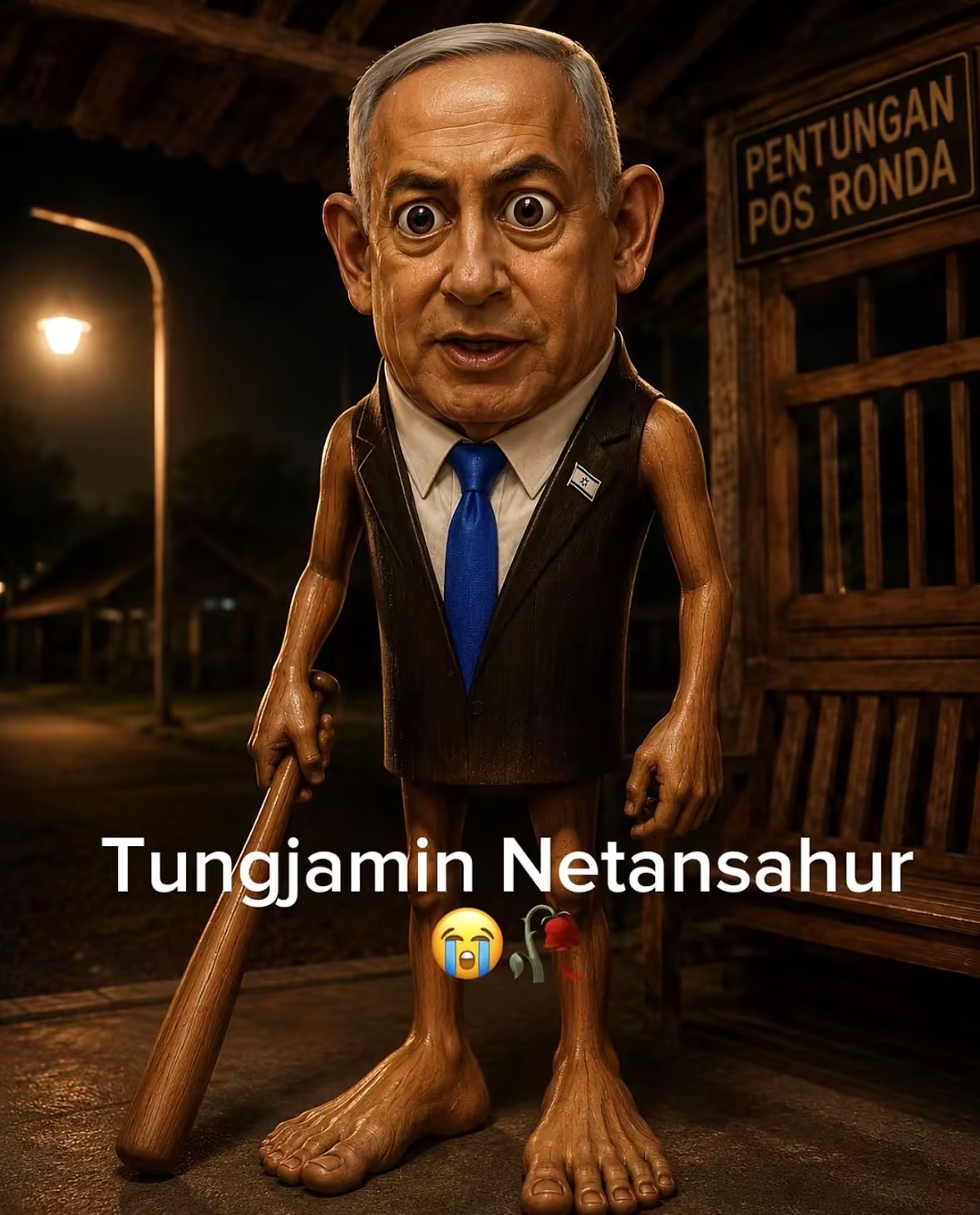
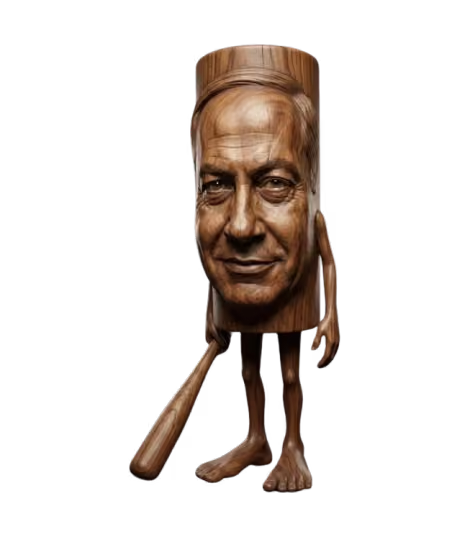
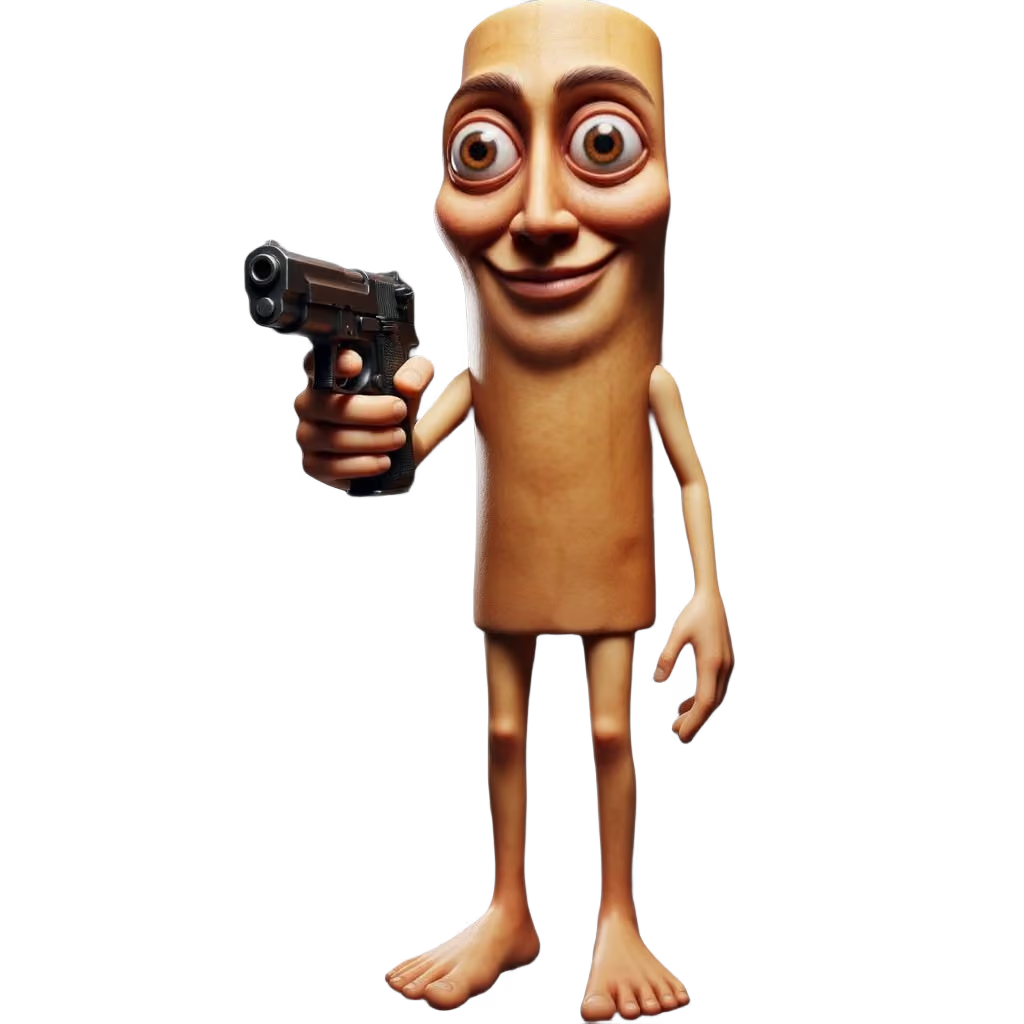
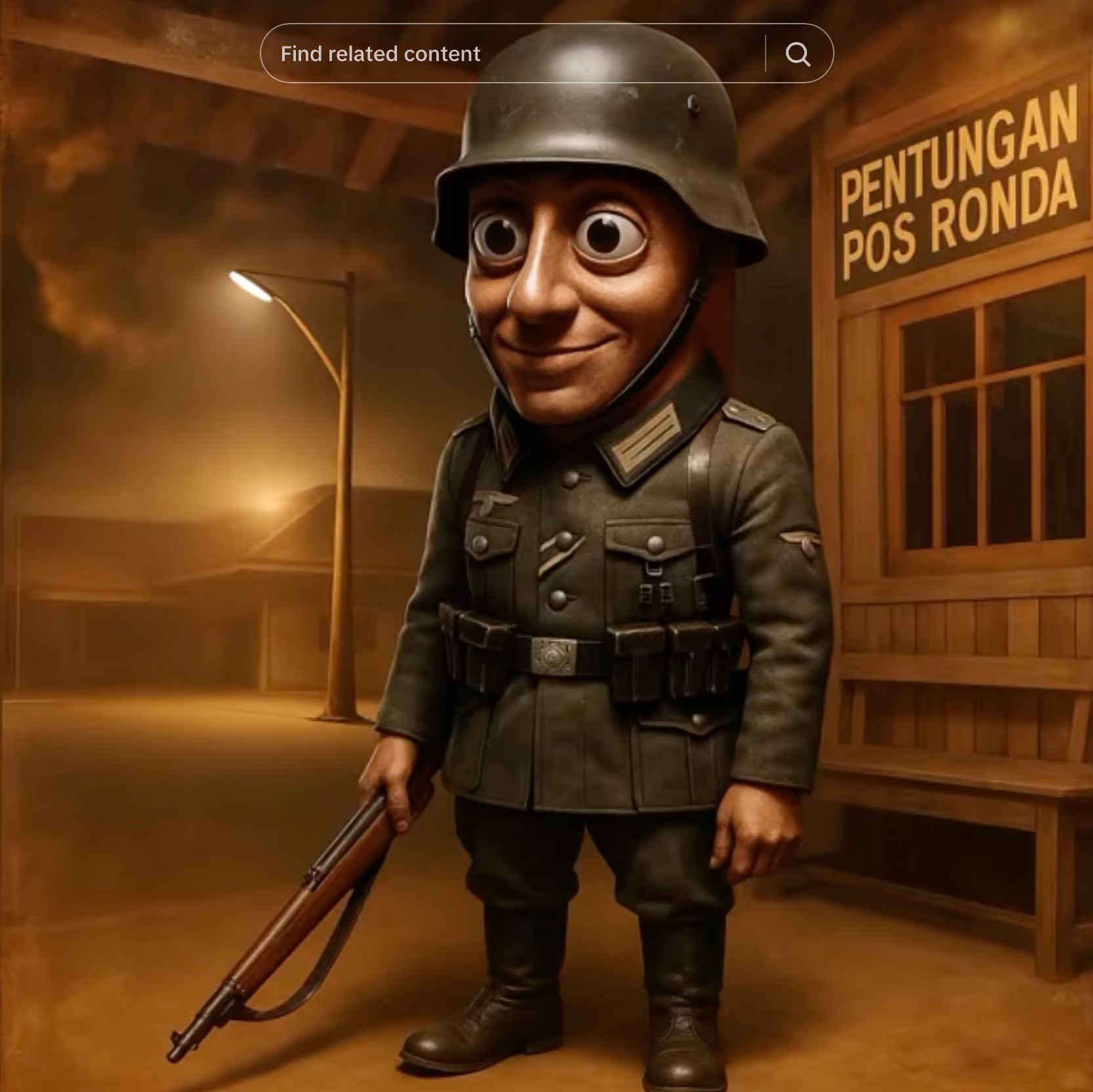
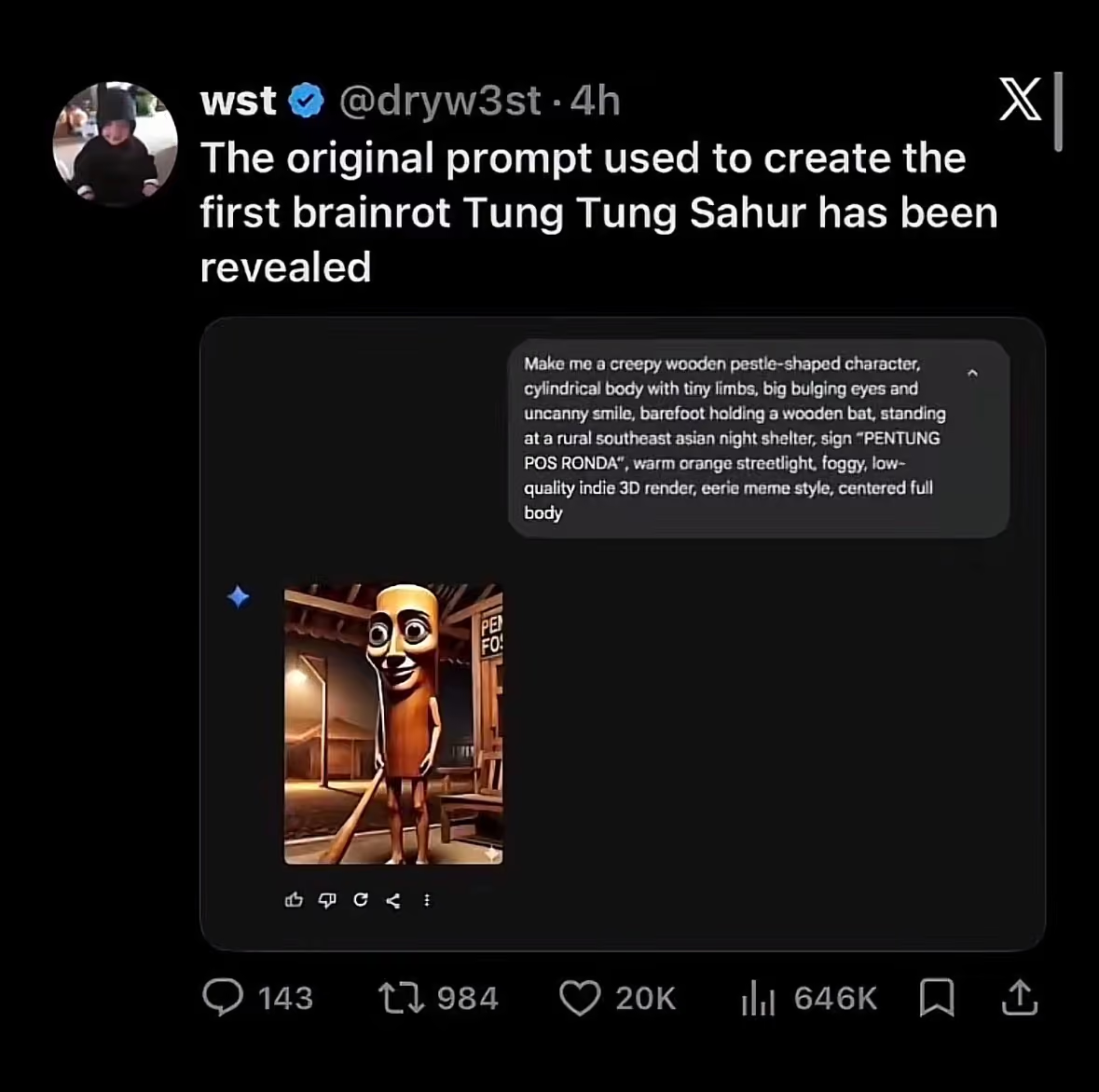 On 28 February 2025, a day before Ramadan in Indonesia began, Indonesian TikTok creator Noxa asked DALL-E to "draw a pentungan sahur with a face and legs," following it up with additional prompts including "neighborhood watch post kentungan," "neighborhood watch post club," and "a patrol pentungan with a single human leg." He later uploaded the image he liked best on TikTok as part of the "Anomali AI character" trend, an Indonesian trend distinct from yet inspired by the Italian brainrot style of absurdist AI-generated beings with strange names, mock-lore, and repetitive audio. Anomali features anthropomorphic animals or objects with human features.
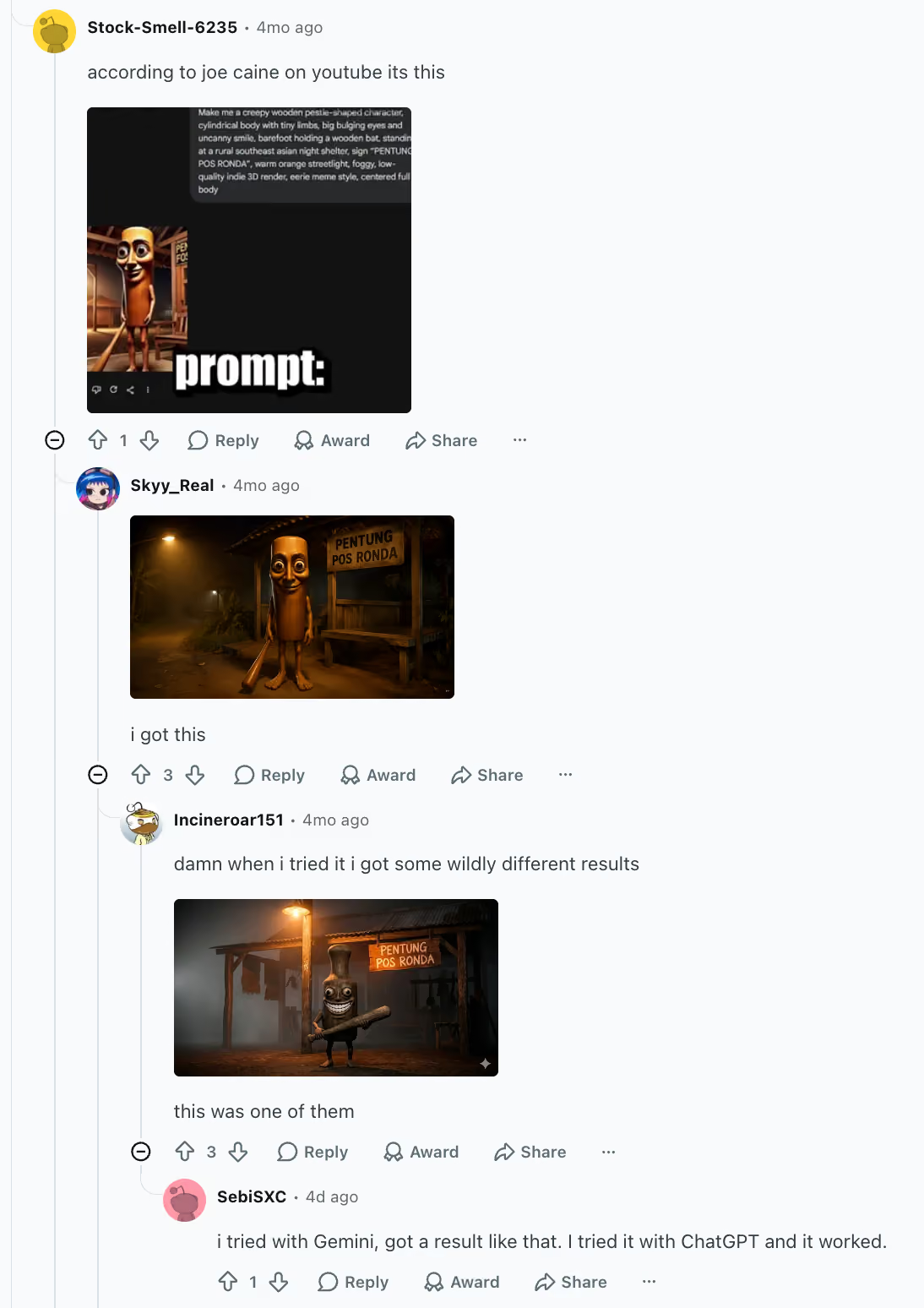
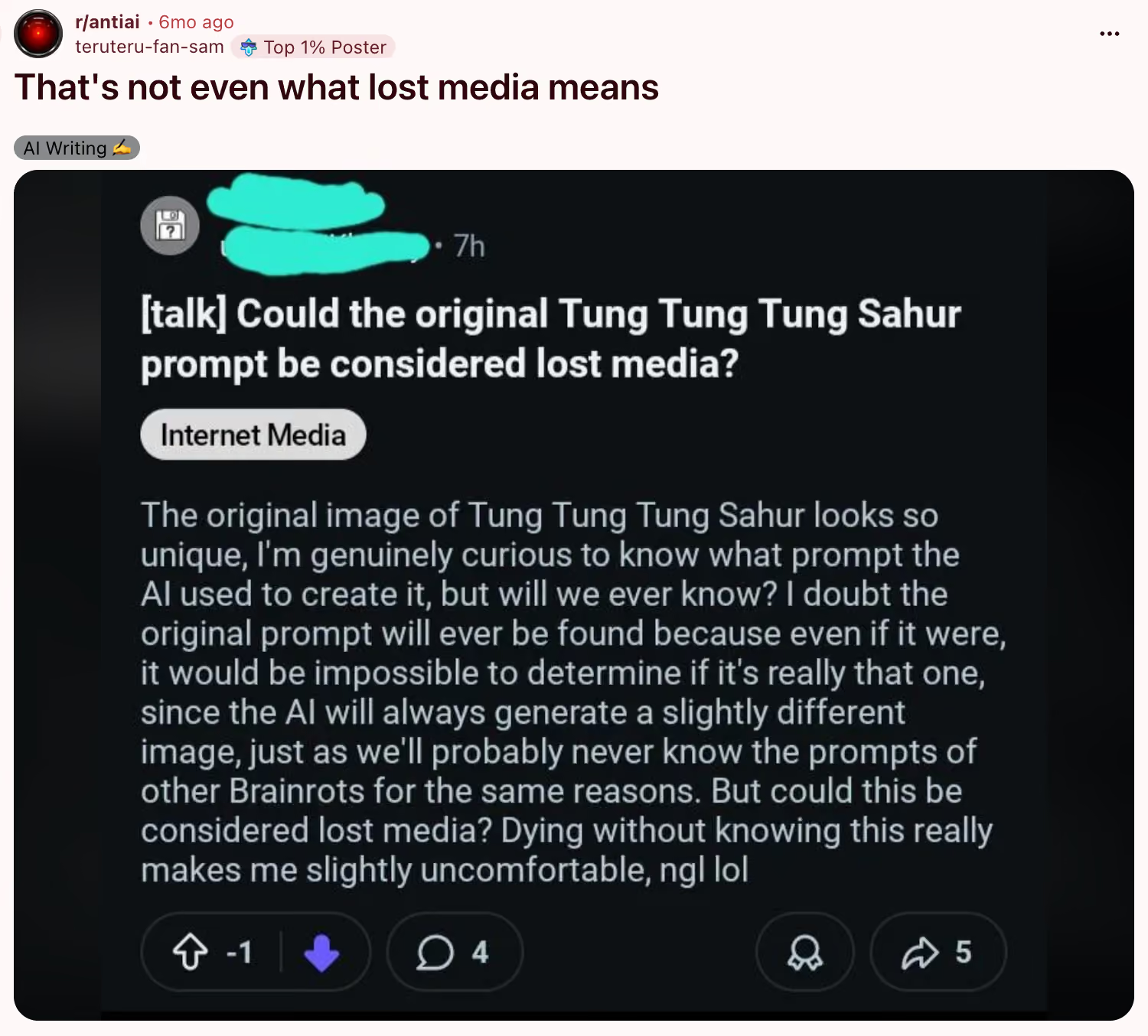
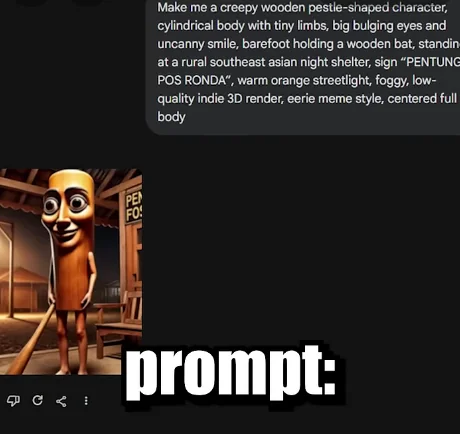
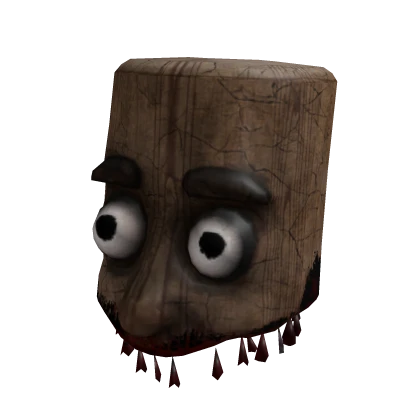
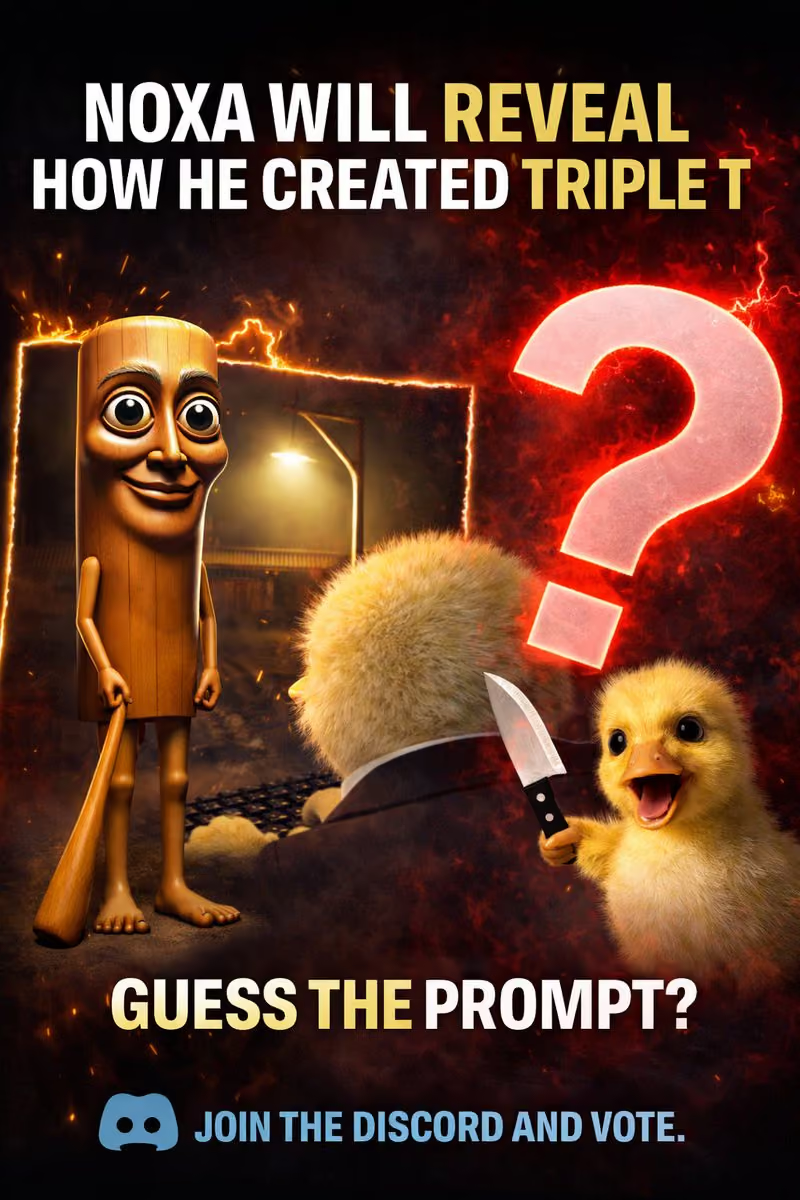 Tung Tung Tung Sahur was created using DALL-E by the Indonesian TikTok user Fernanda Bagas Indrastata, also known as Noxa.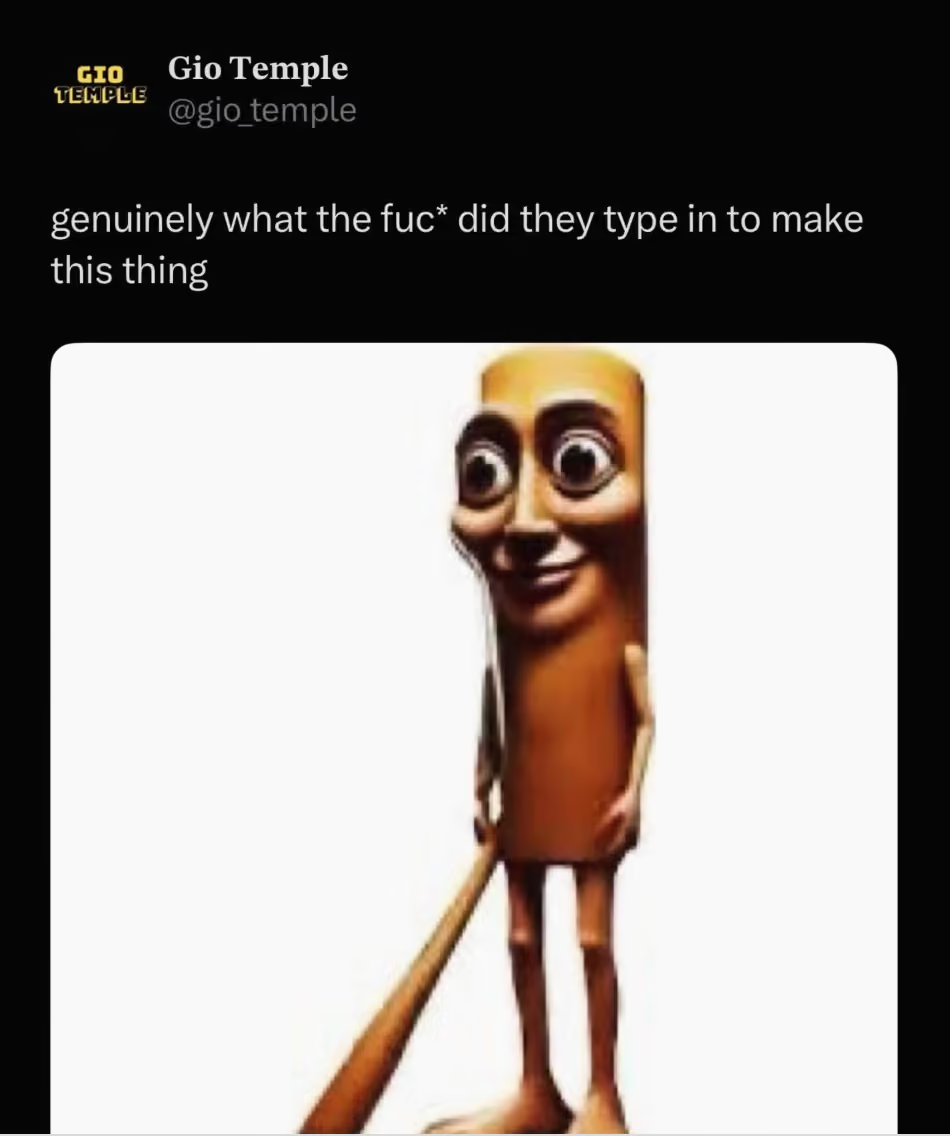
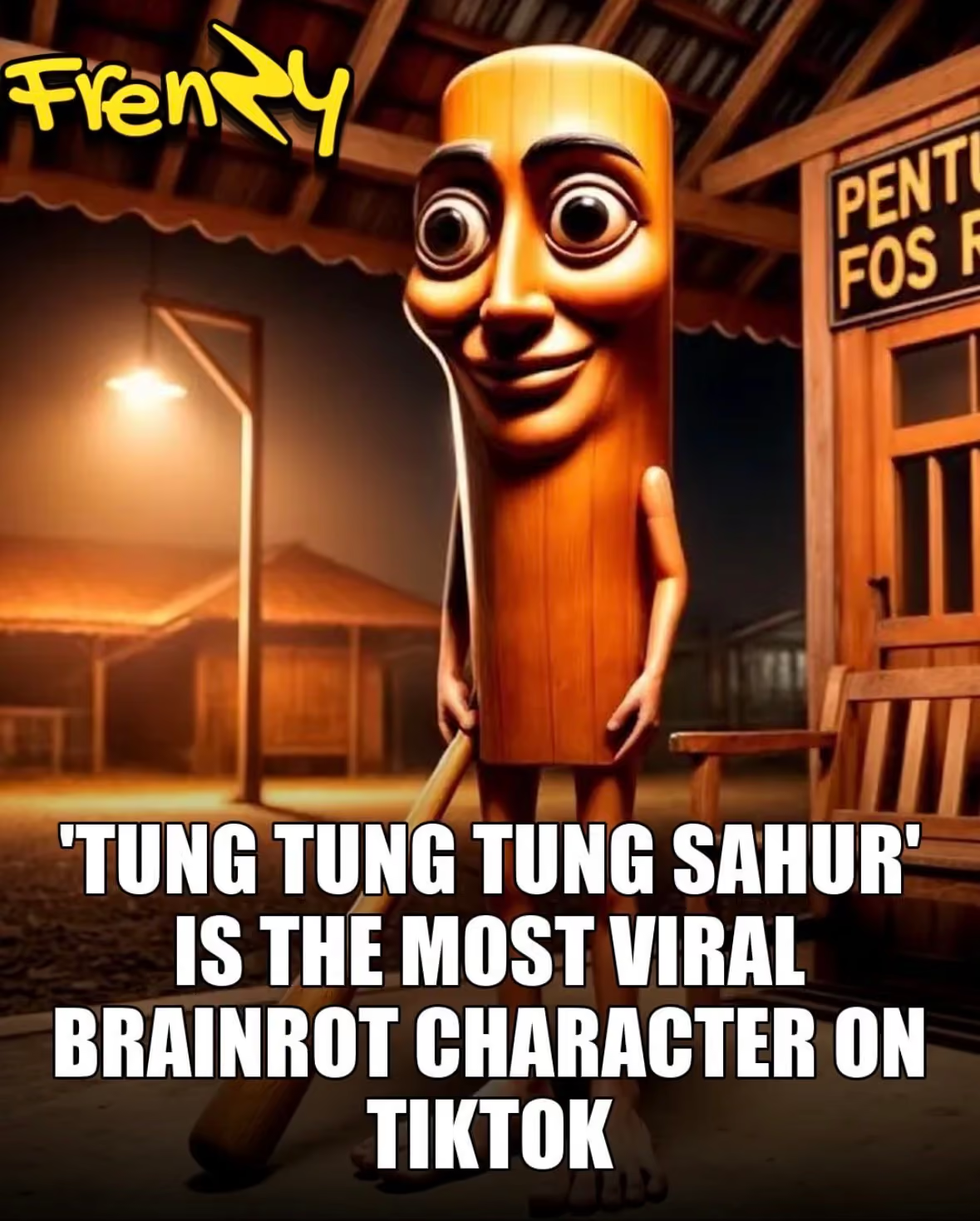



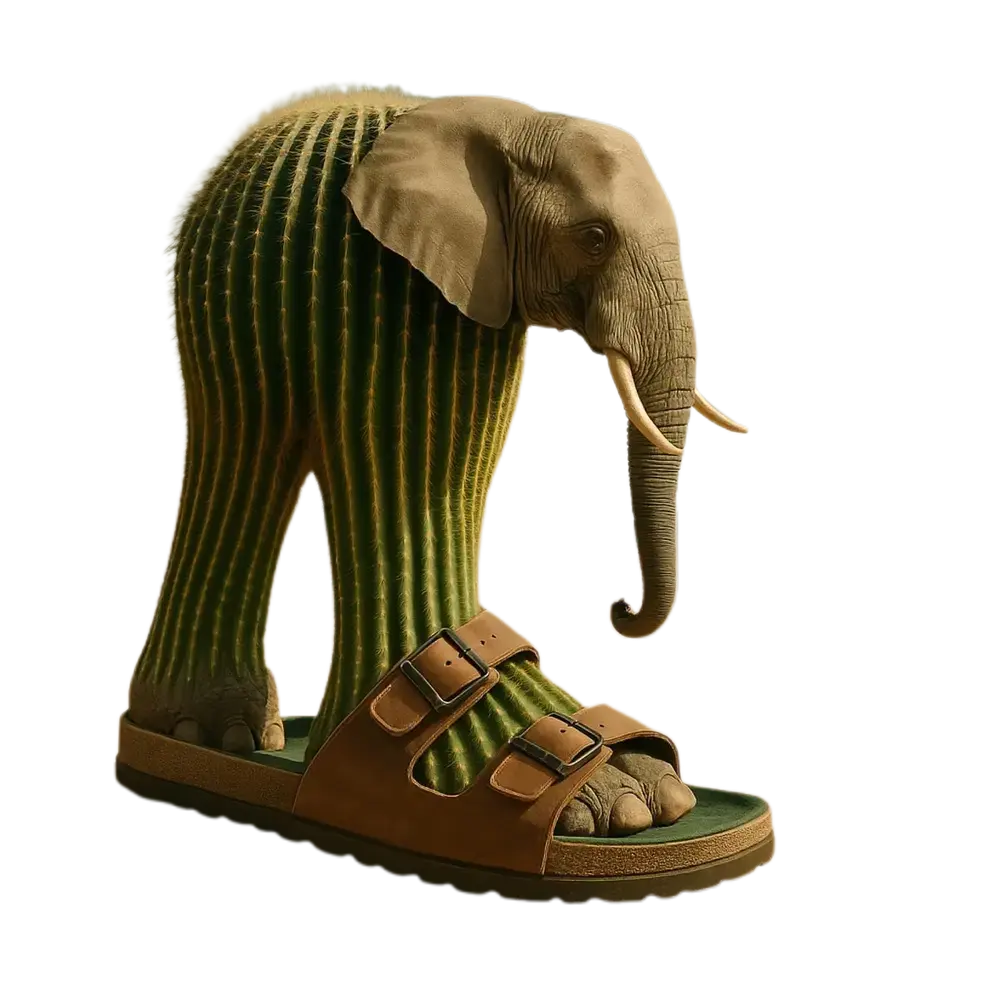
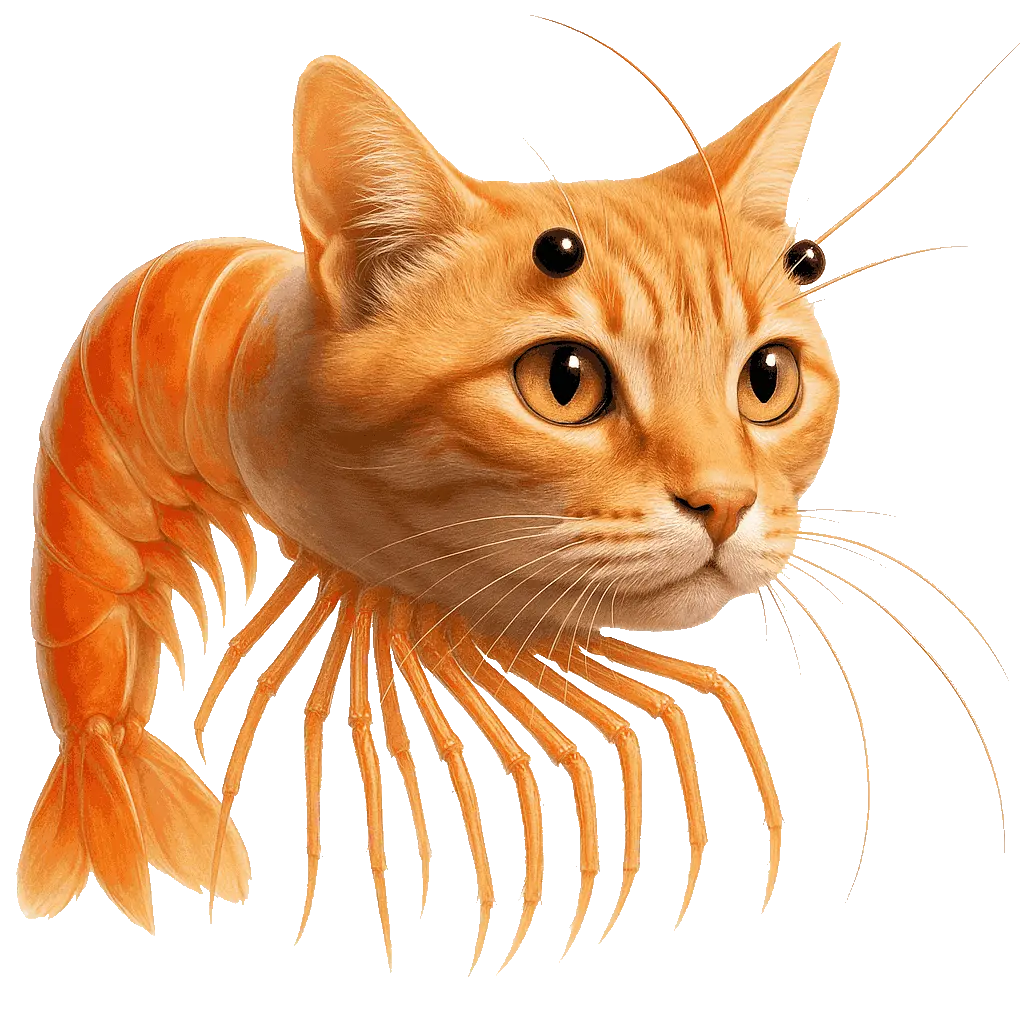

is a series of internet memes that emerged in early 2025 characterized by AI-generated absurd and surrealist images of creatures who are given pseudo-Italian names. The phenomenon quickly spread across social media platforms such as TikTok and Instagram, going viral owing to its combination of sloppy aesthetics, synthesized "Italian" voiceovers, grotesque or humorous visuals, abstractism, and nonsensical narrative.
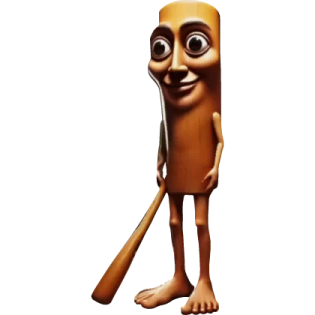
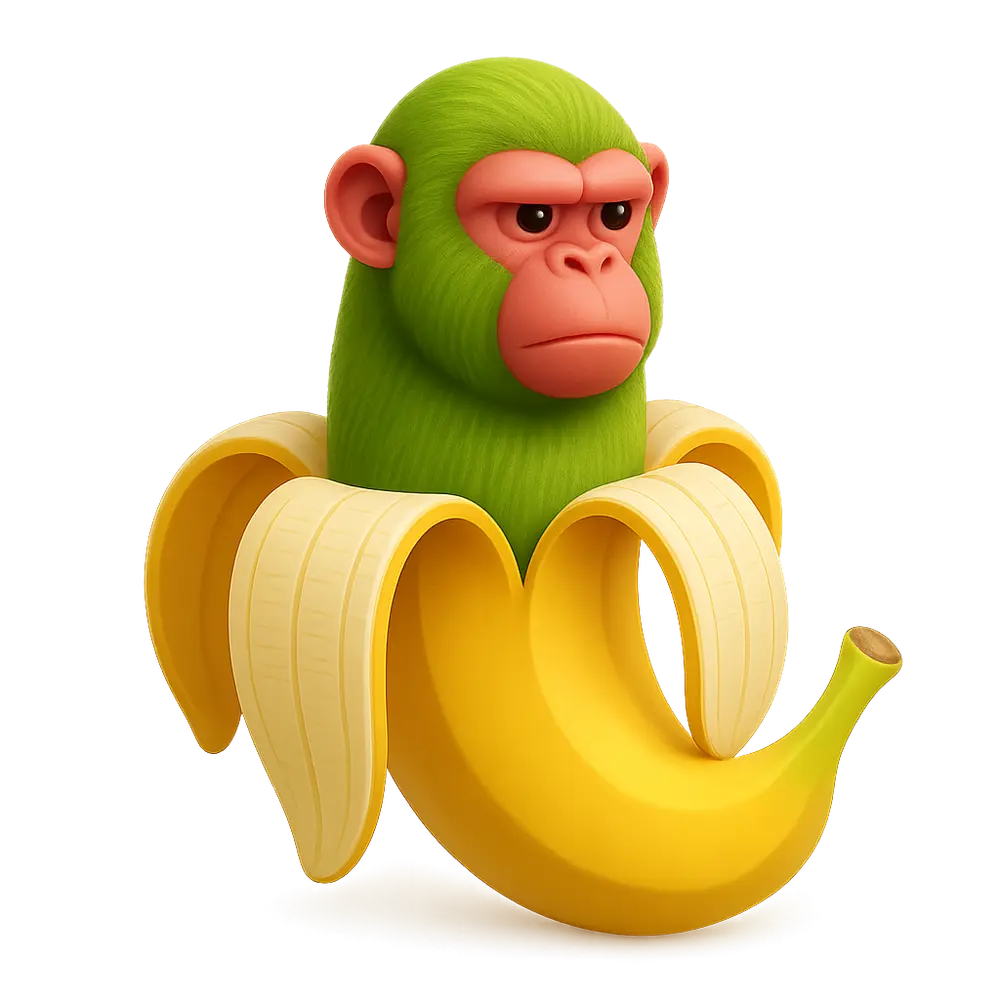 As Brainrot characters began to appear together in animations, games, and fan stories, Tung Tung became part of this wider ecosystem.
However, this classification should not erase his actual provenance. He is best understood as an Indonesian-created character who became one of the central global figures of the Brainrot movement. Tung Tung is often grouped with the Italian Brainrot movement because he shares many of its visual and narrative qualities.
3. Naming
Full name:
Tung Tung Tung Tung Tung Tung Tung Tung Tung Sahur
Nicknames:
Triple T, Tung Tung Sahur, T³, TTT Sahur, Tung
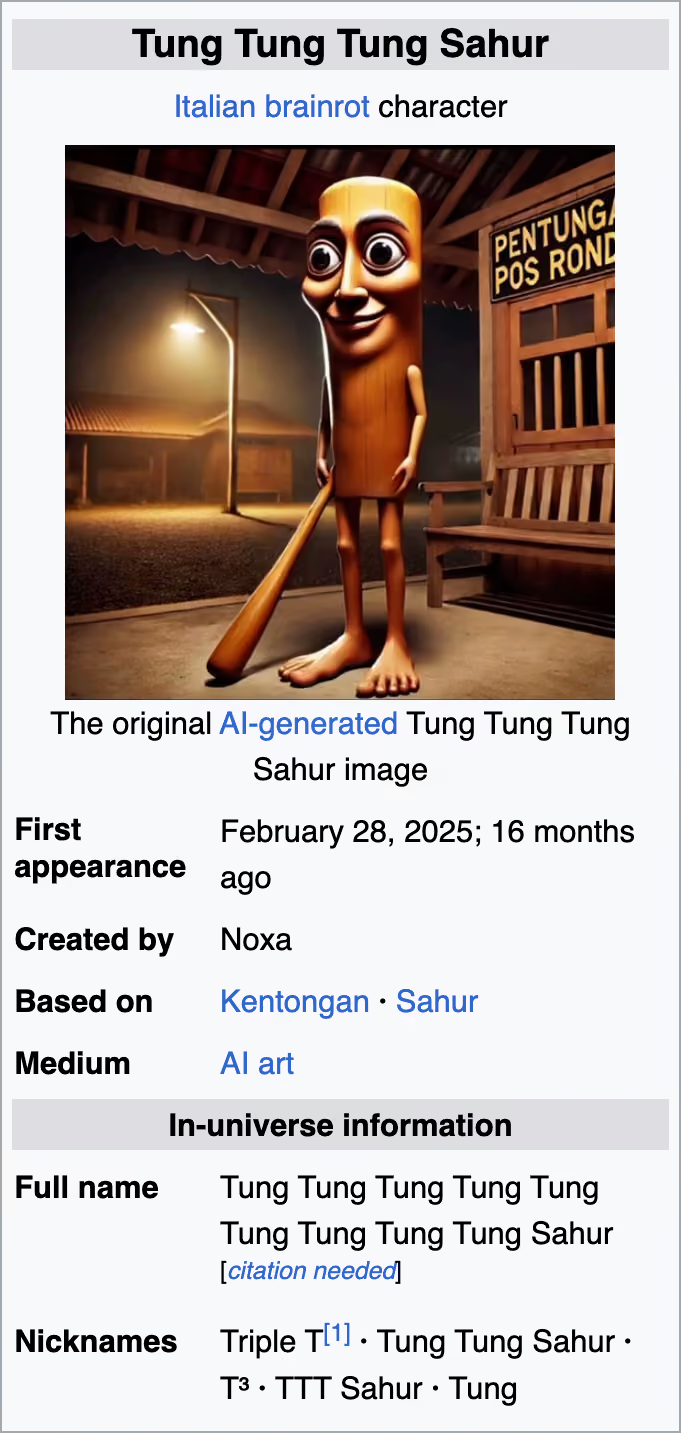
 The voice-over on the video is transcribed and translated:
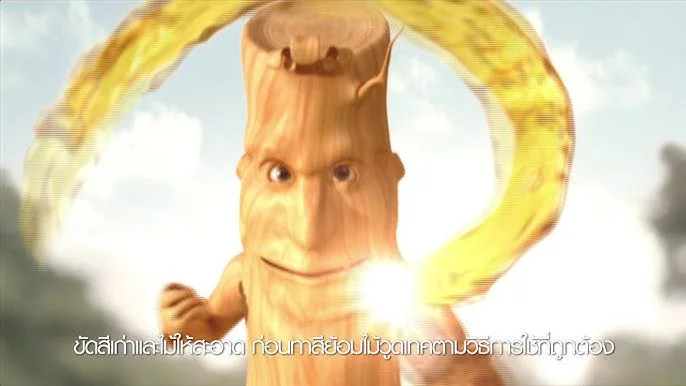
Tung tung tung tung sahur. Anomali mengerikan yang hanya keluar pada sahur. Konon katanya kalau ada orang yang dipanggil Sahur tiga kali dan tidak nyaut maka makhluk ini datang di rumah kalian. Hi seremnya. Tung tung ini biasanya bersuara layaknya pukulan kentungan seperti ini. Share ke teman kalian yang susah Sahur.
Tung tung tung tung sahur. Scary anomaly that only comes out at Sahur. it is said that if someone is called for Sahur three times and does not answer, then this creature comes to your house. It's very scary. Tung tung usually makes a sound like a gong. Share it with your friends who have trouble eating Sahur.
Tung Tung Tung Tung Tung Tung Tung Tung Tung Sahur
Nicknames:
Triple T, Tung Tung Sahur, T³, TTT Sahur, Tung
The voice-over on the video is transcribed and translated:Tung tung tung tung sahur. Anomali mengerikan yang hanya keluar pada sahur. Konon katanya kalau ada orang yang dipanggil Sahur tiga kali dan tidak nyaut maka makhluk ini datang di rumah kalian. Hi seremnya. Tung tung ini biasanya bersuara layaknya pukulan kentungan seperti ini. Share ke teman kalian yang susah Sahur.
Tung tung tung tung sahur. Scary anomaly that only comes out at Sahur. it is said that if someone is called for Sahur three times and does not answer, then this creature comes to your house. It's very scary. Tung tung usually makes a sound like a gong. Share it with your friends who have trouble eating Sahur.
4. Globalization
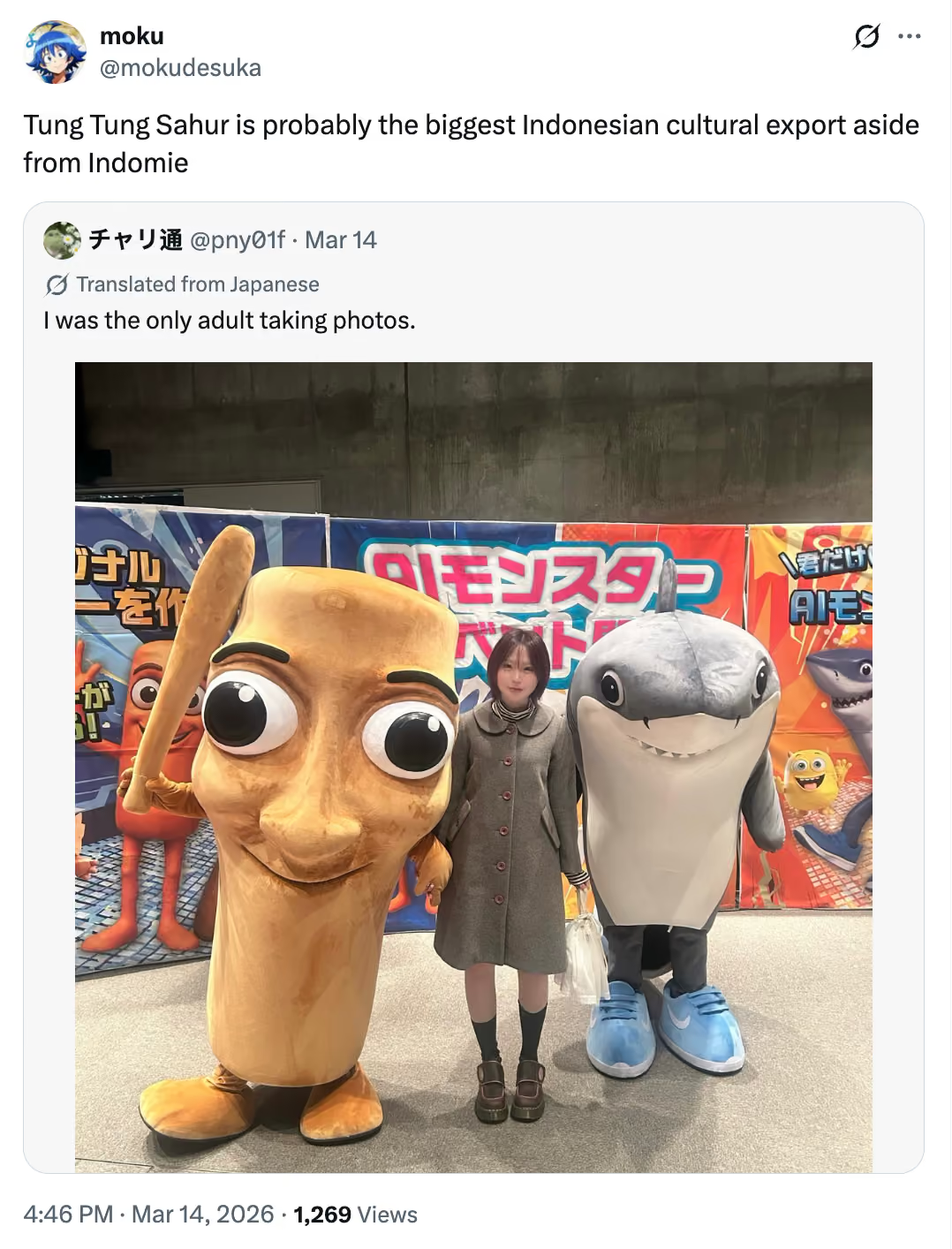
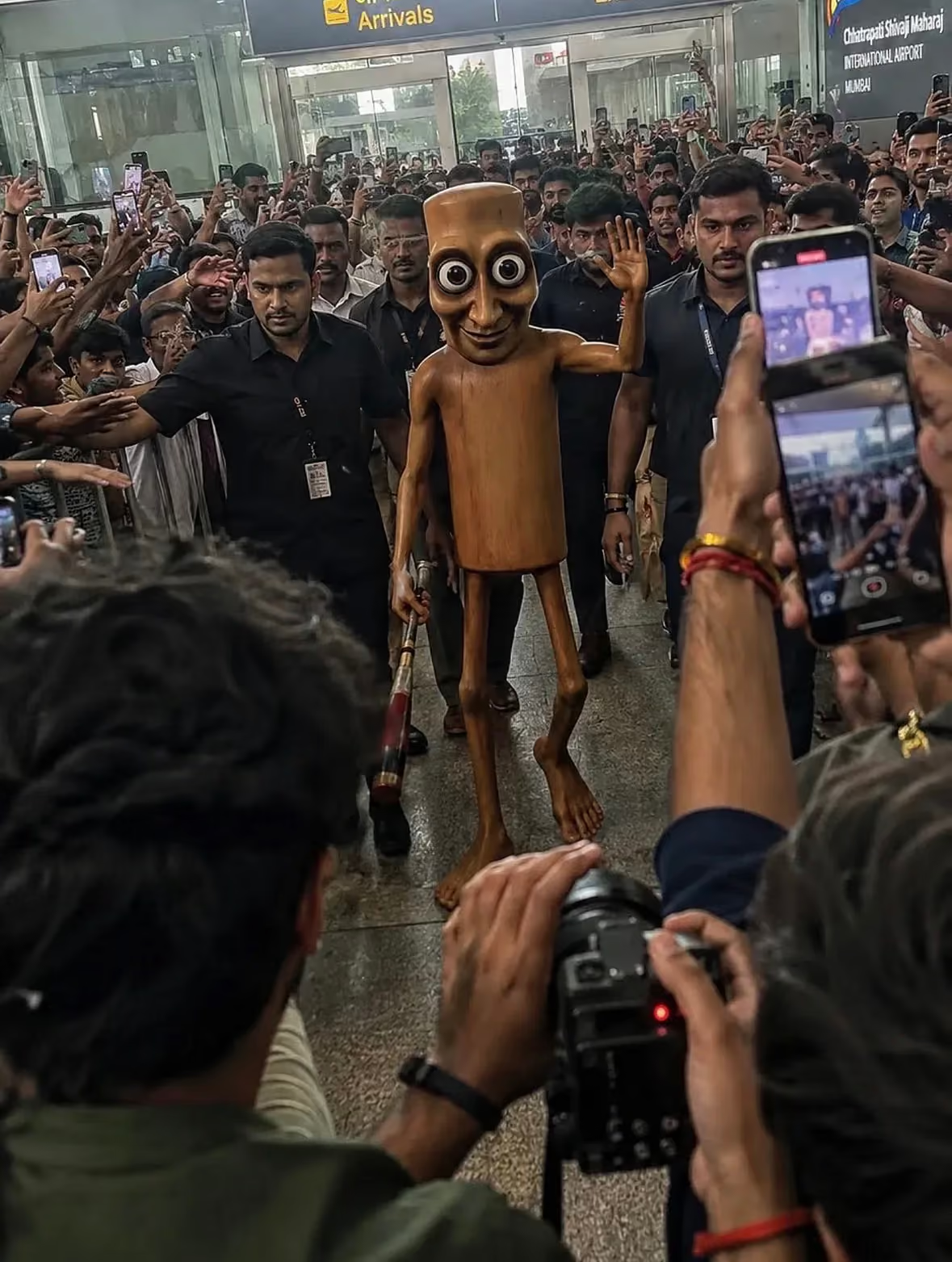
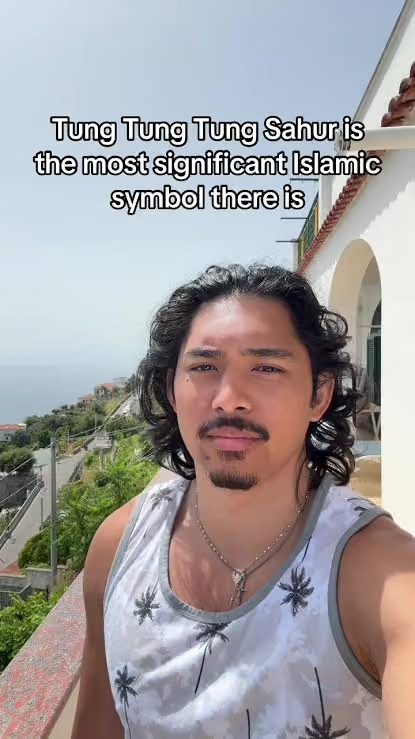
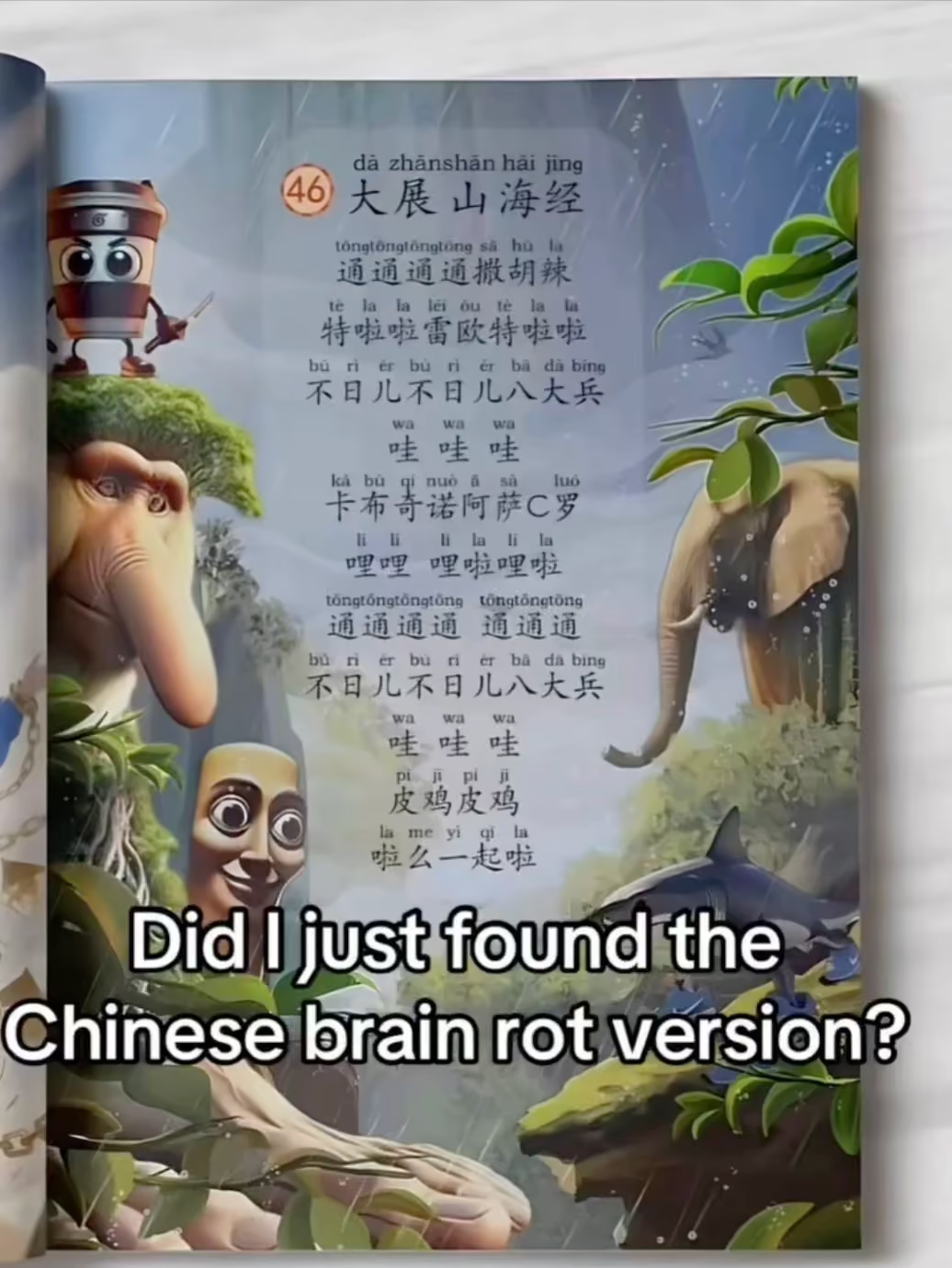
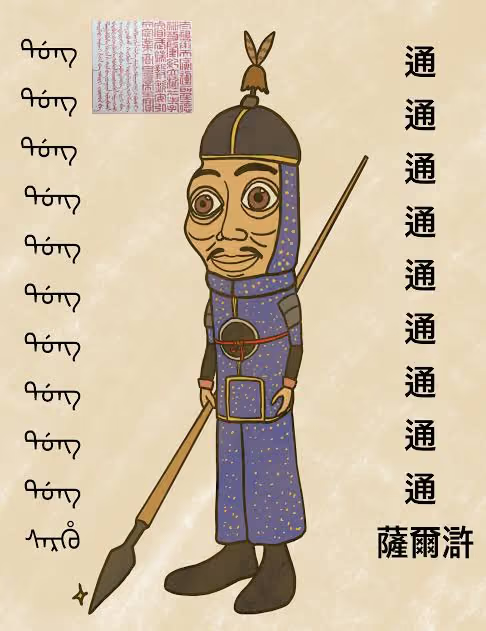
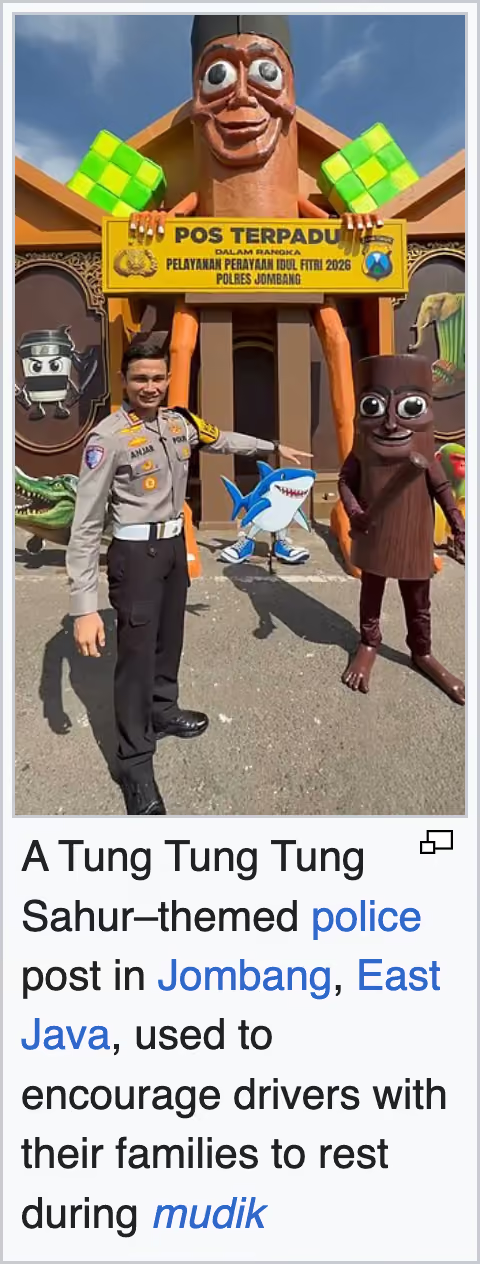 While it might be argued that the layer of Indonesian culture and customs embedded in the character’s imagery was then absorbed and processed by its global audiences, this was certainly a secondary step. Culture, custom and geographical provenance are all accessory here, and certainly not the main key to decode the fascination with this anomaly.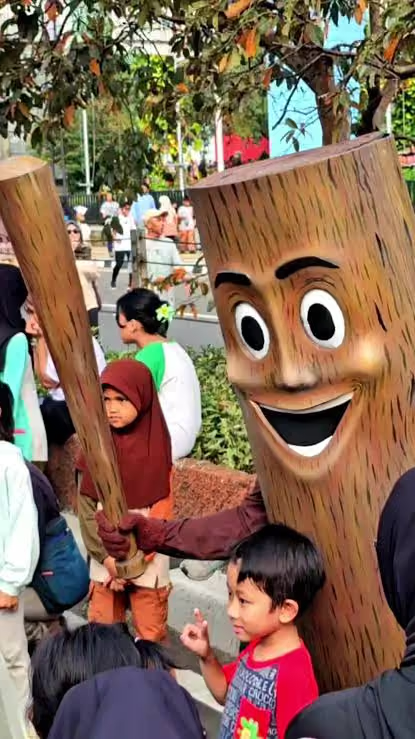
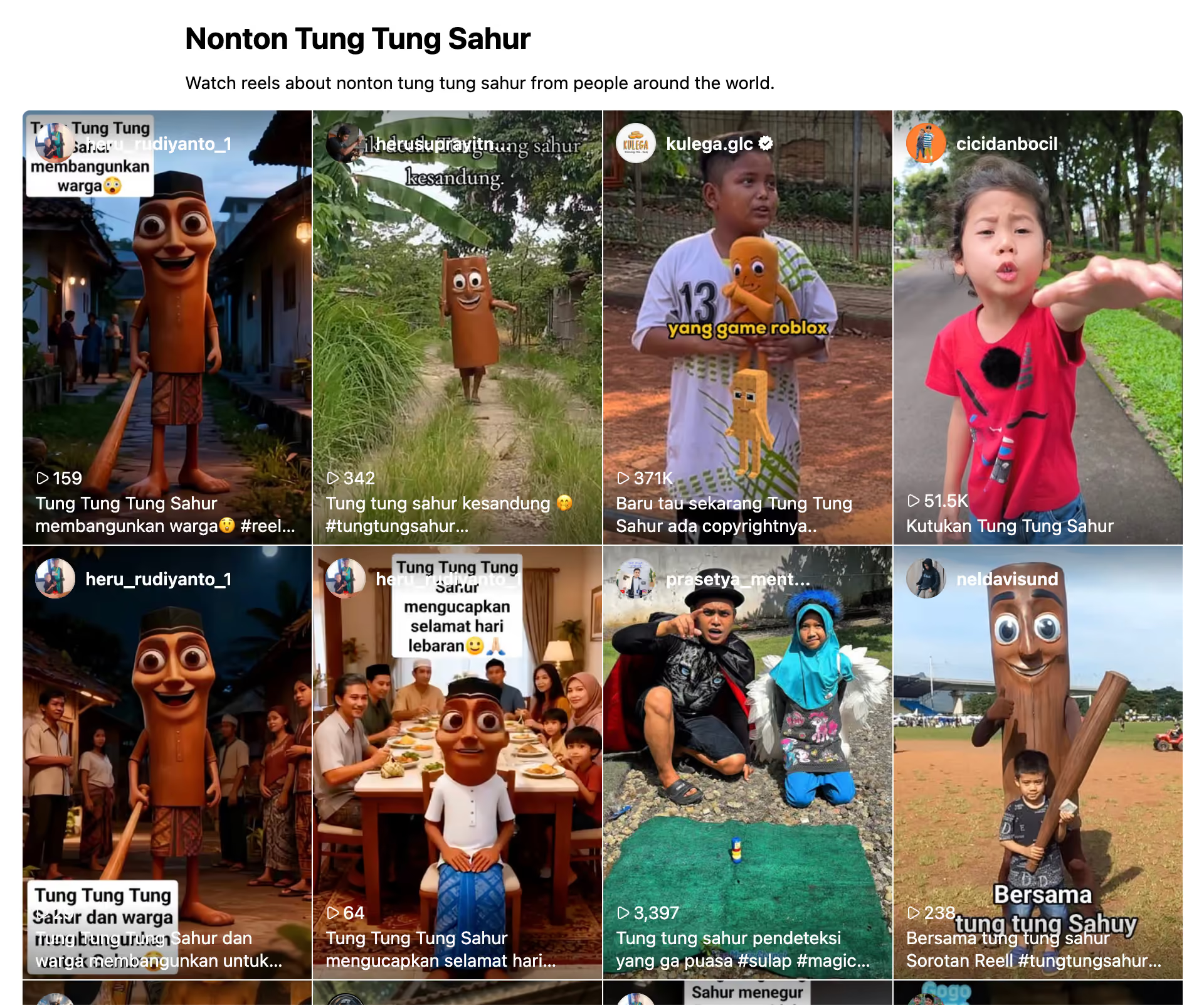
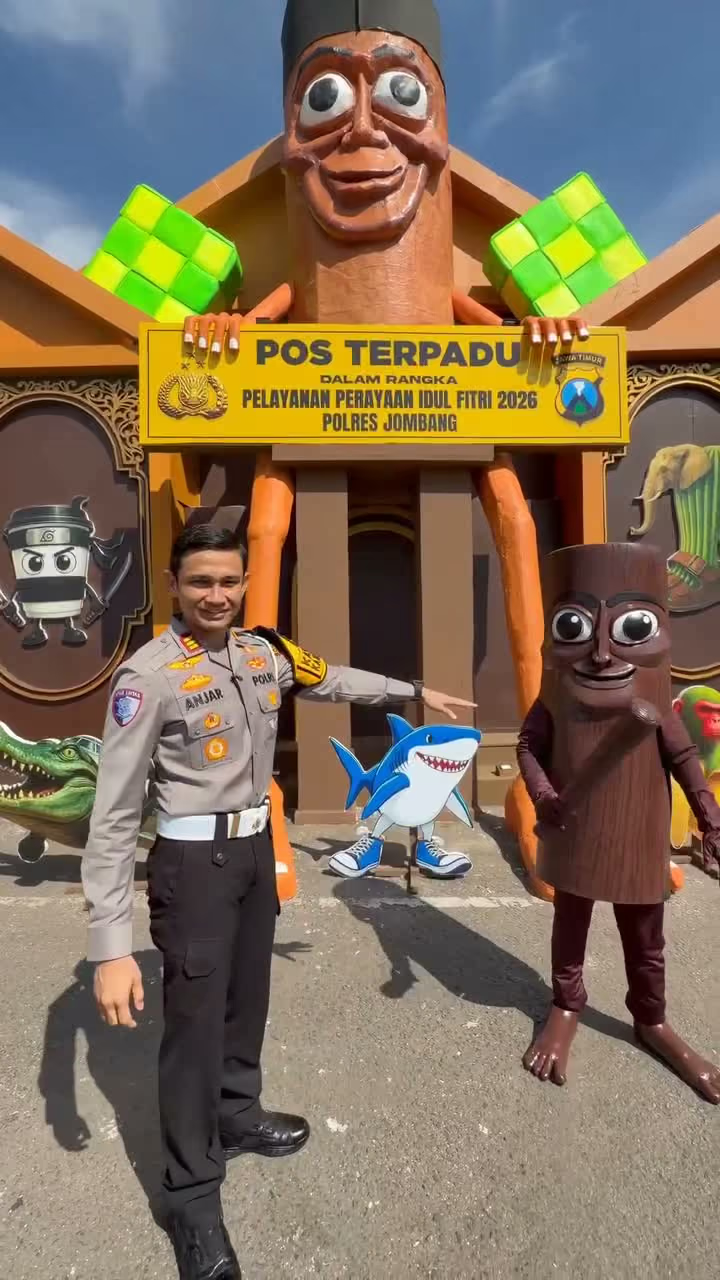
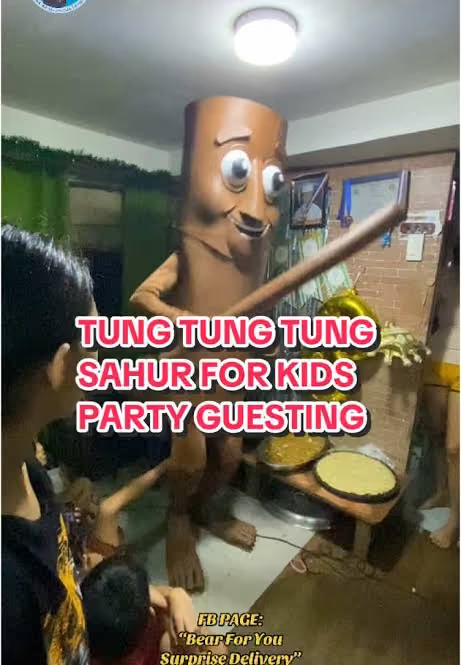
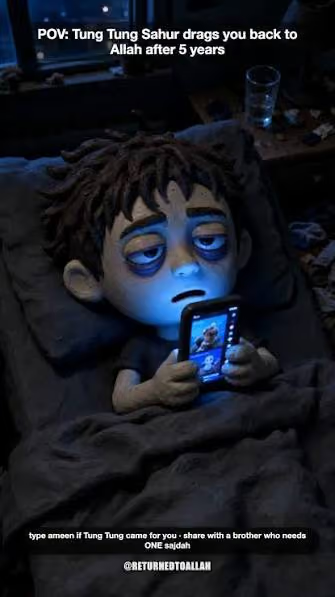
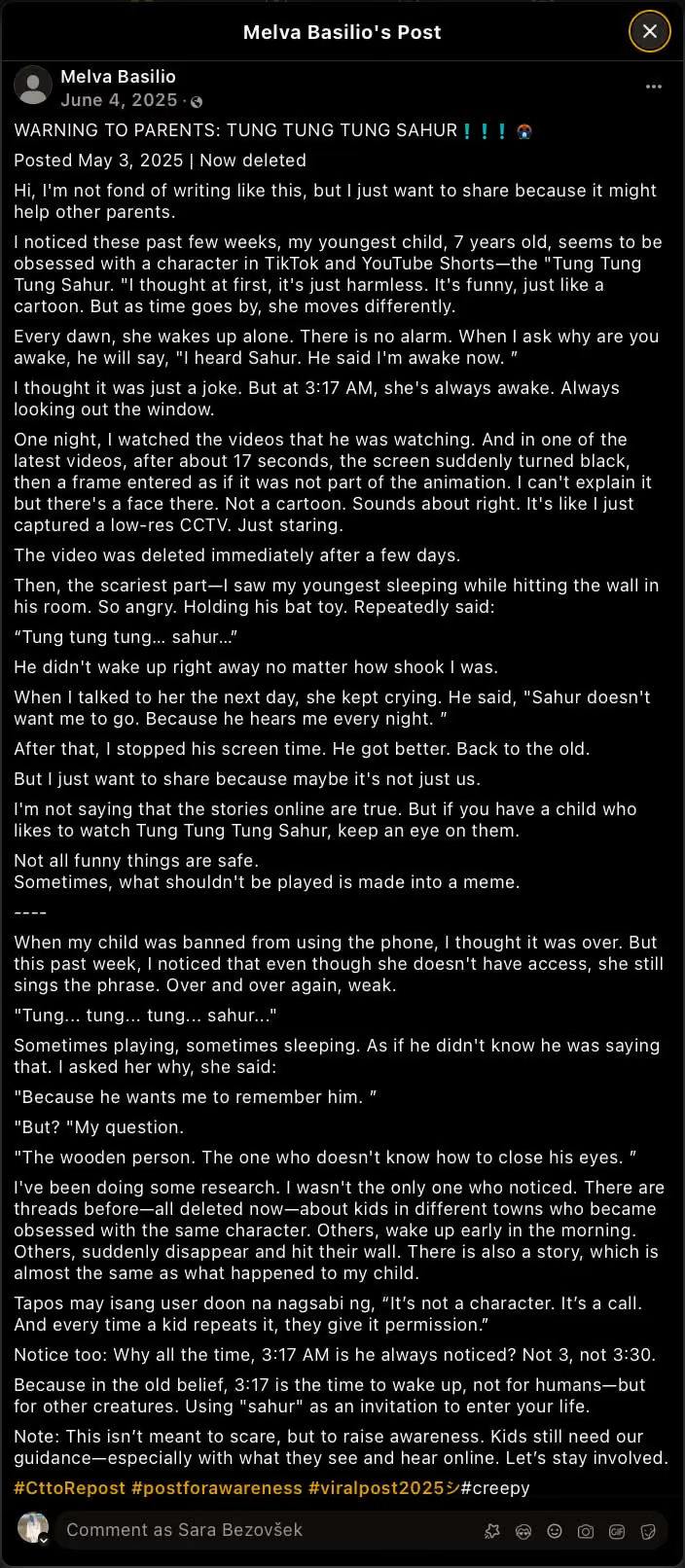
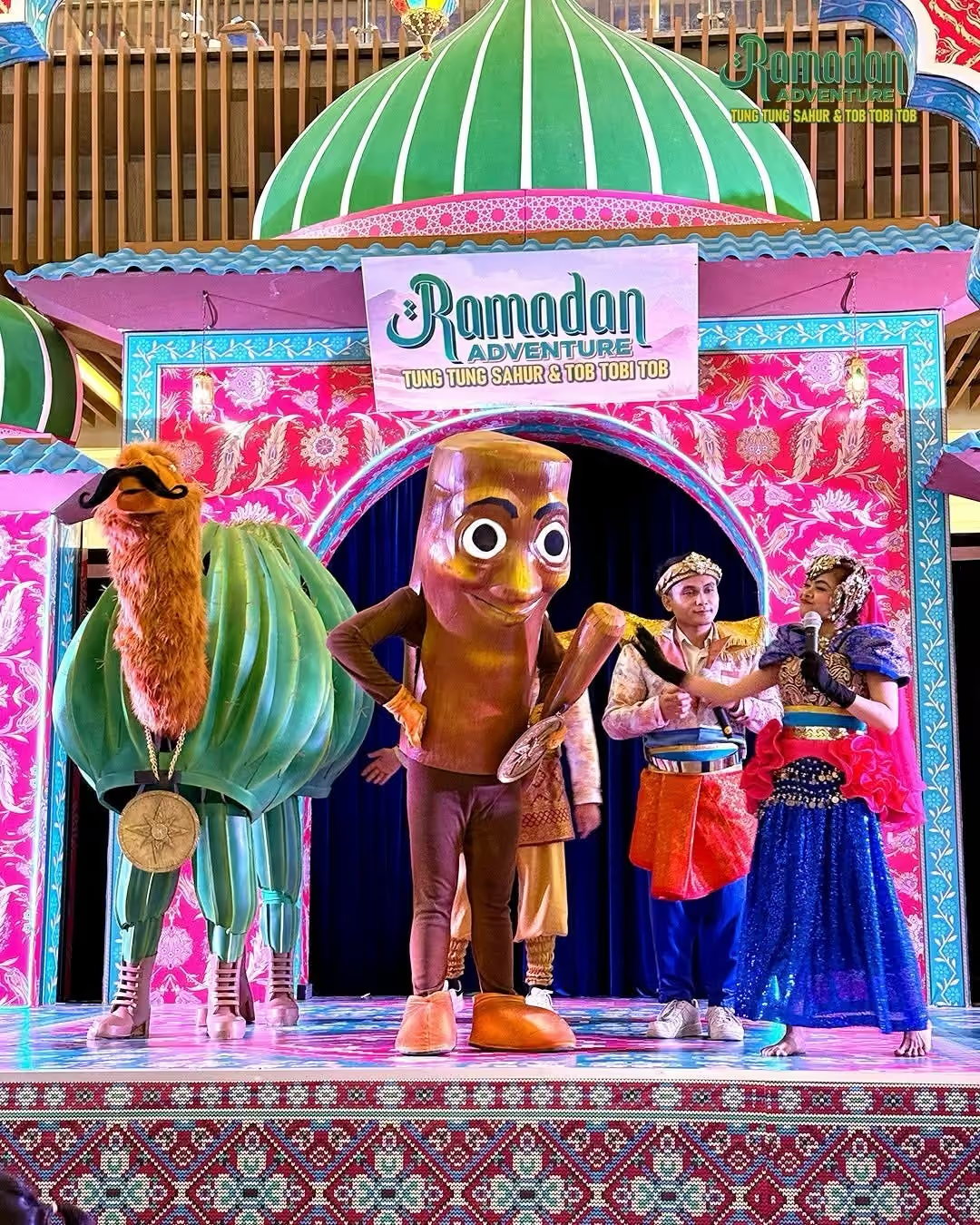 The character generates collective nostalgia and identification for Indonesians, who think of their childhoods and traditions, while also prompting concerns about the vilification of a religious practice, about cognitive intrusion, and about children shifting their linguistic registers into nonsensical vocalizations. Indonesian parents, concerned by all these possibilities, report difficulty in limiting exposure to the character.


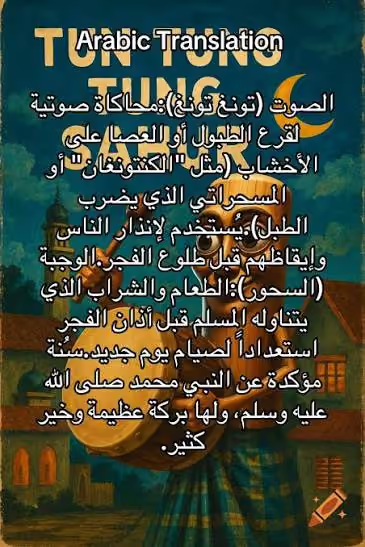
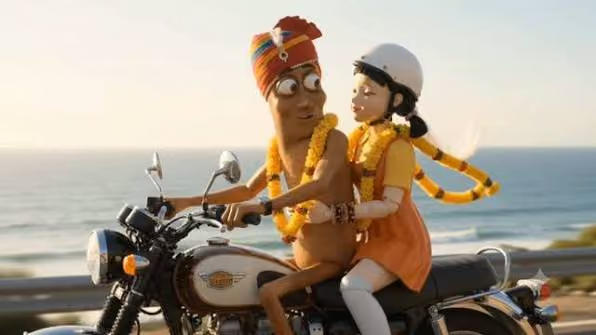
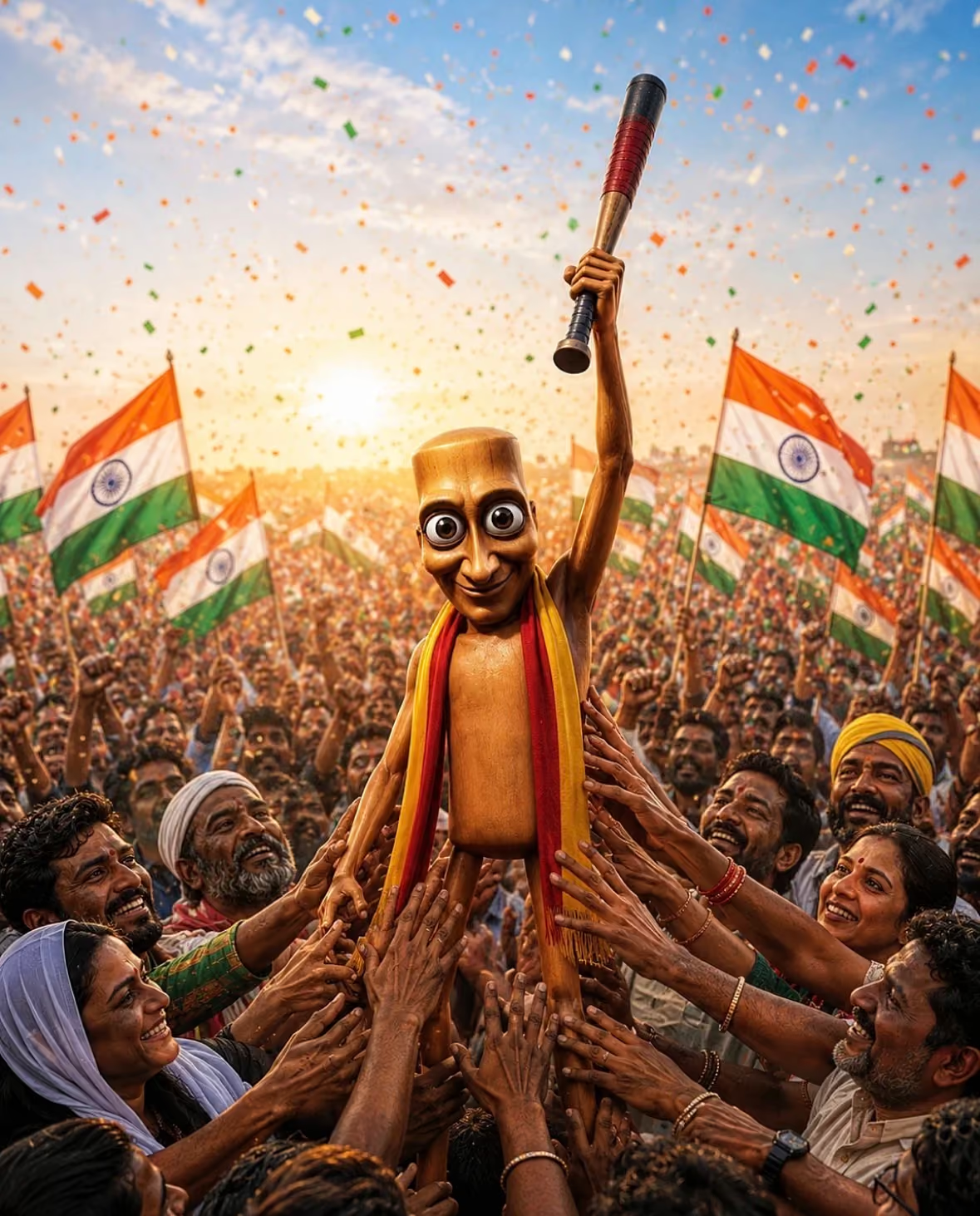
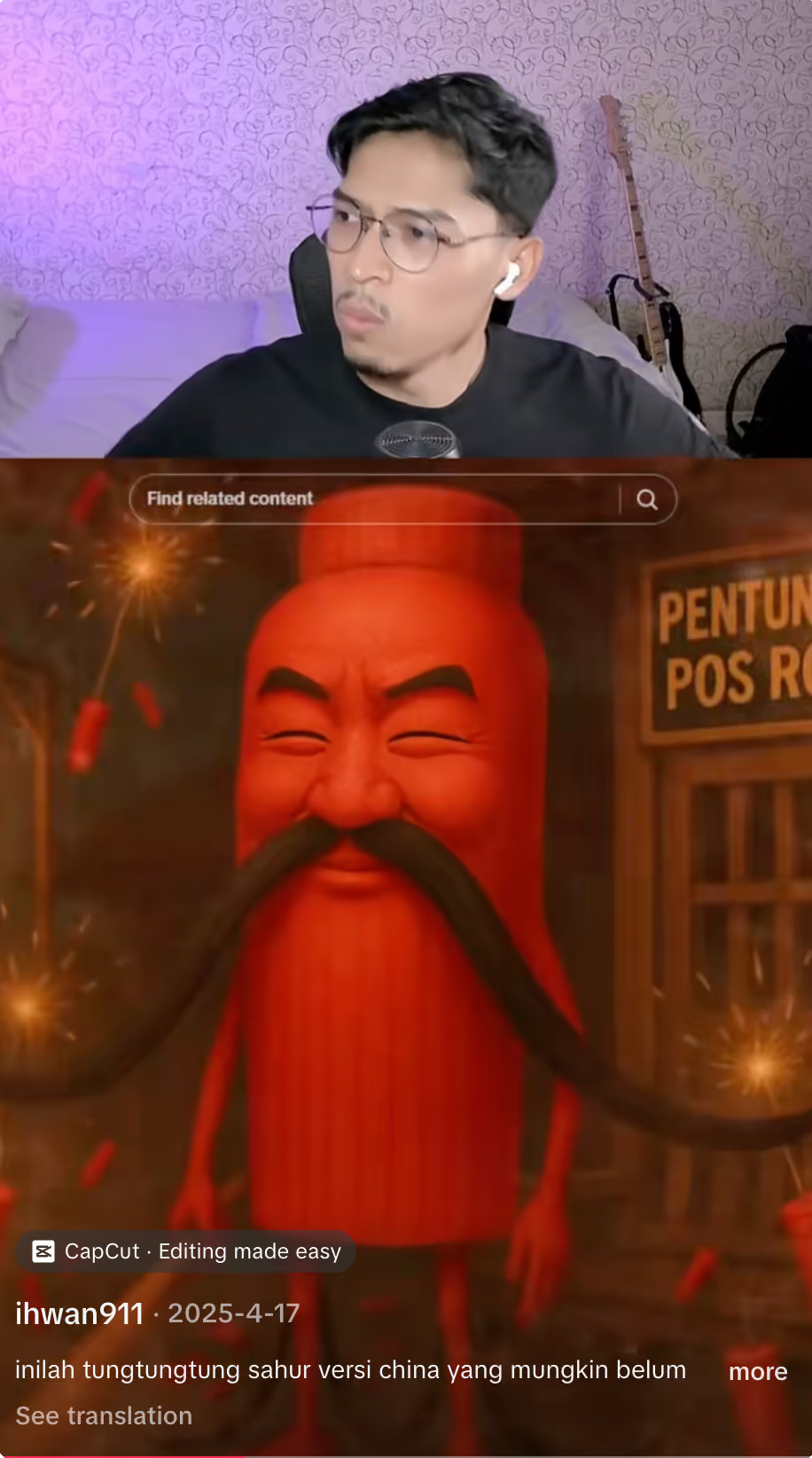



5. Forms & Variants
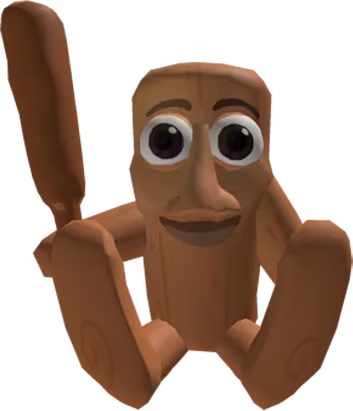
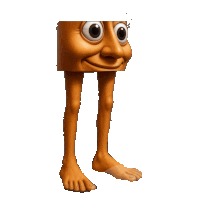
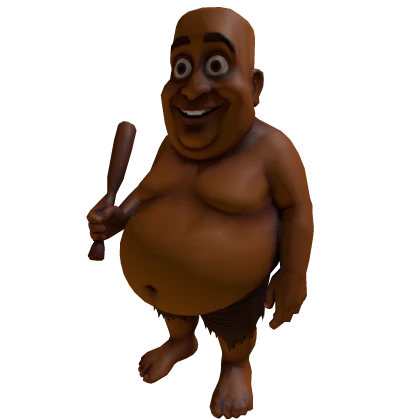
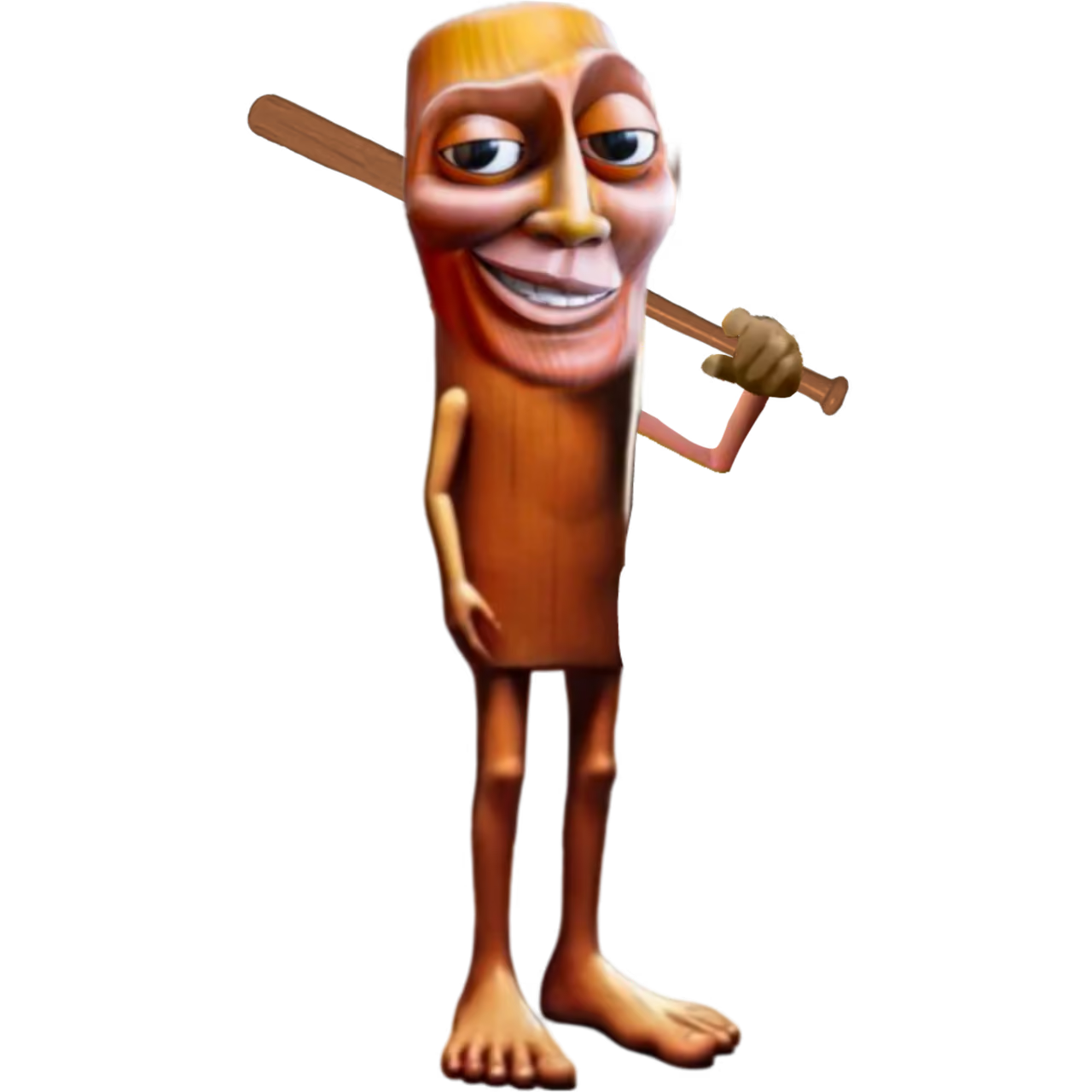
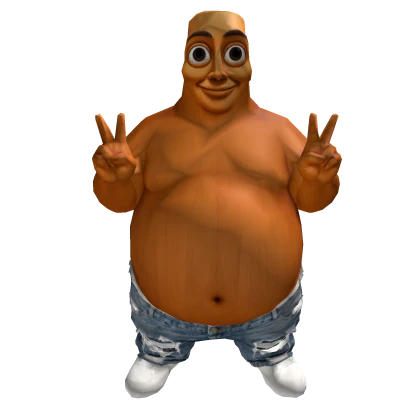
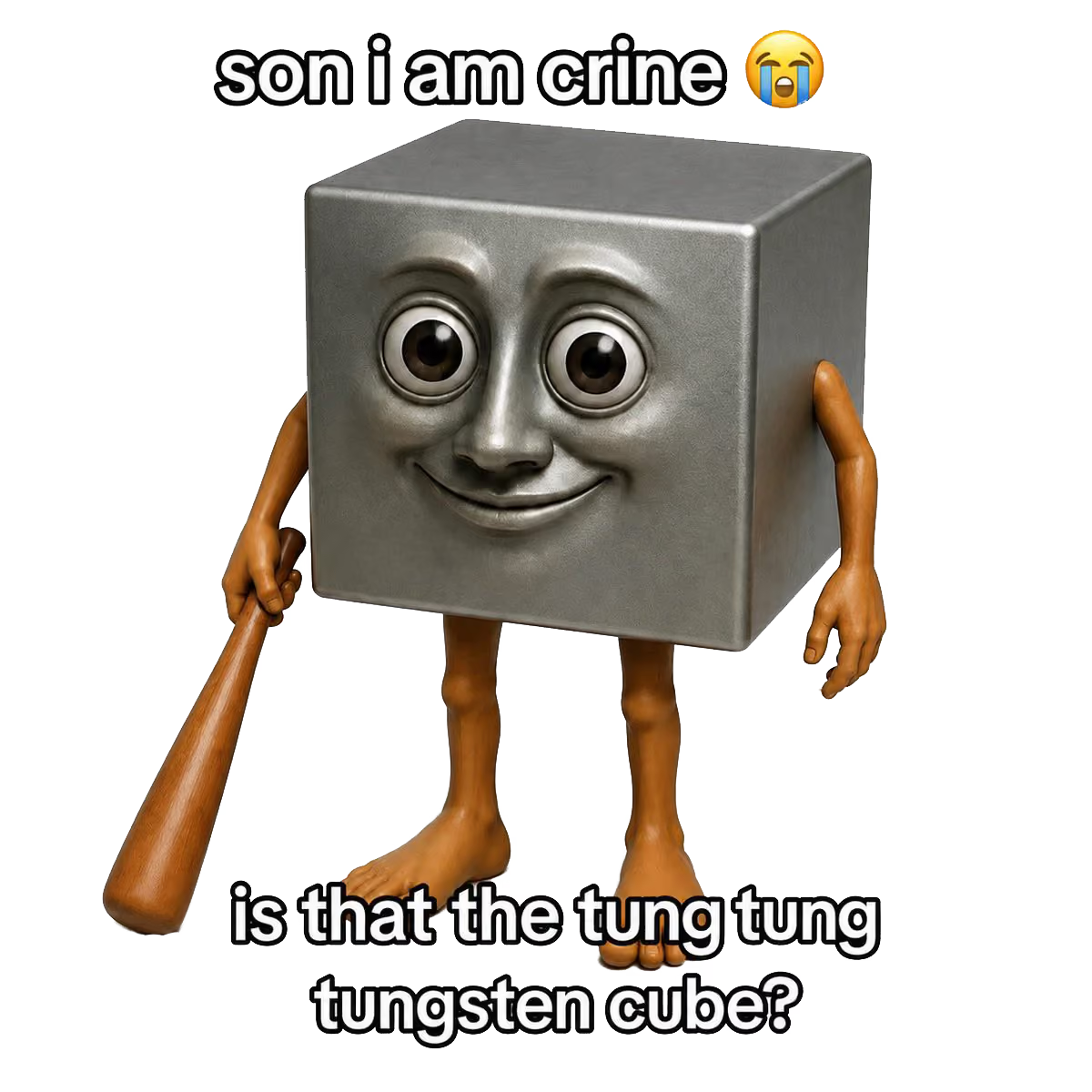

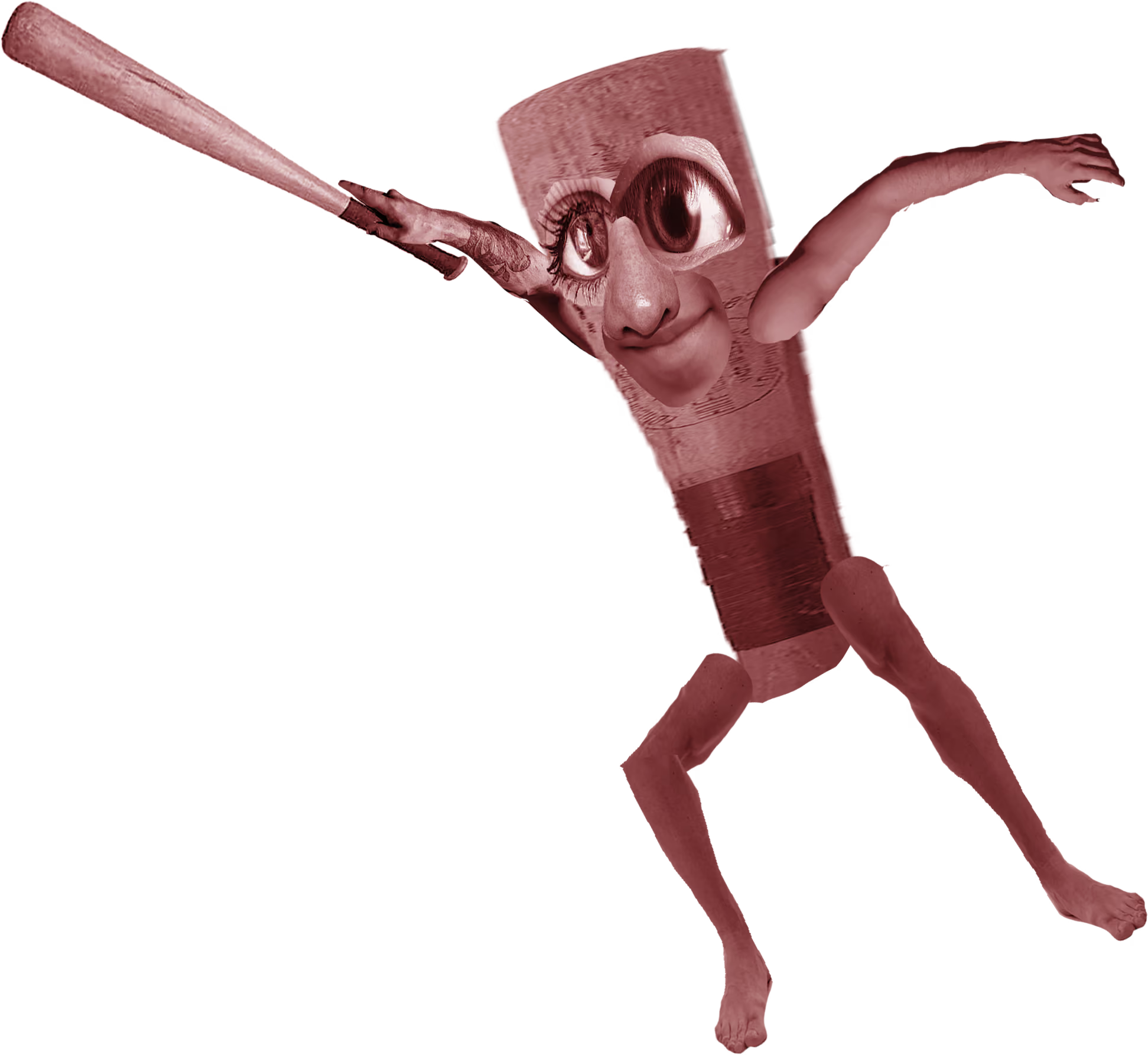
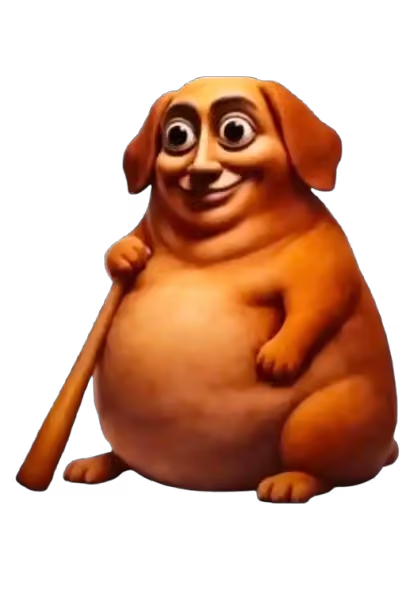

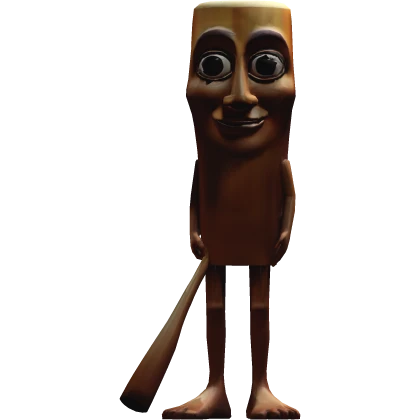
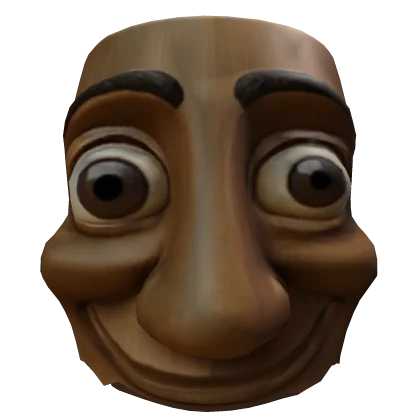
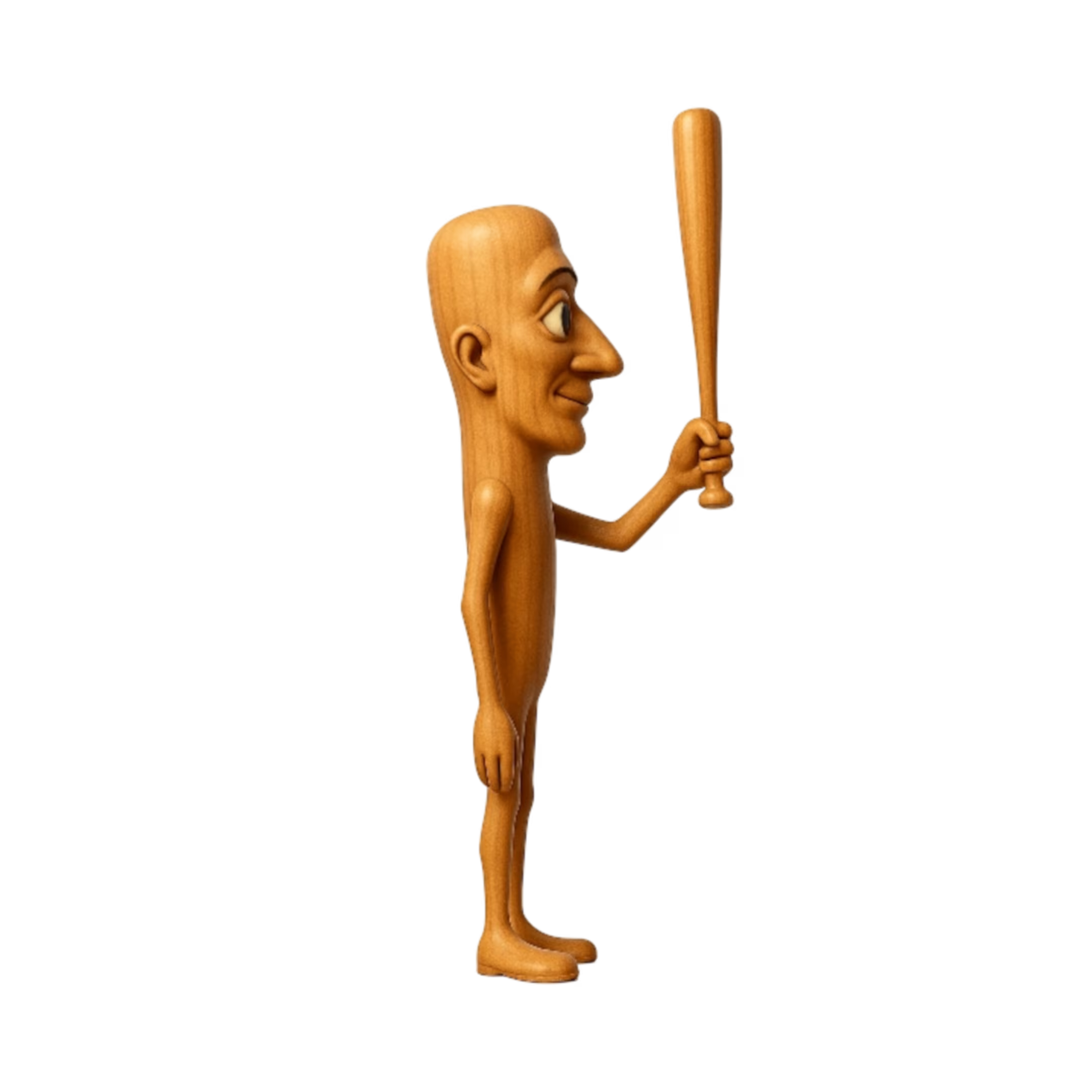
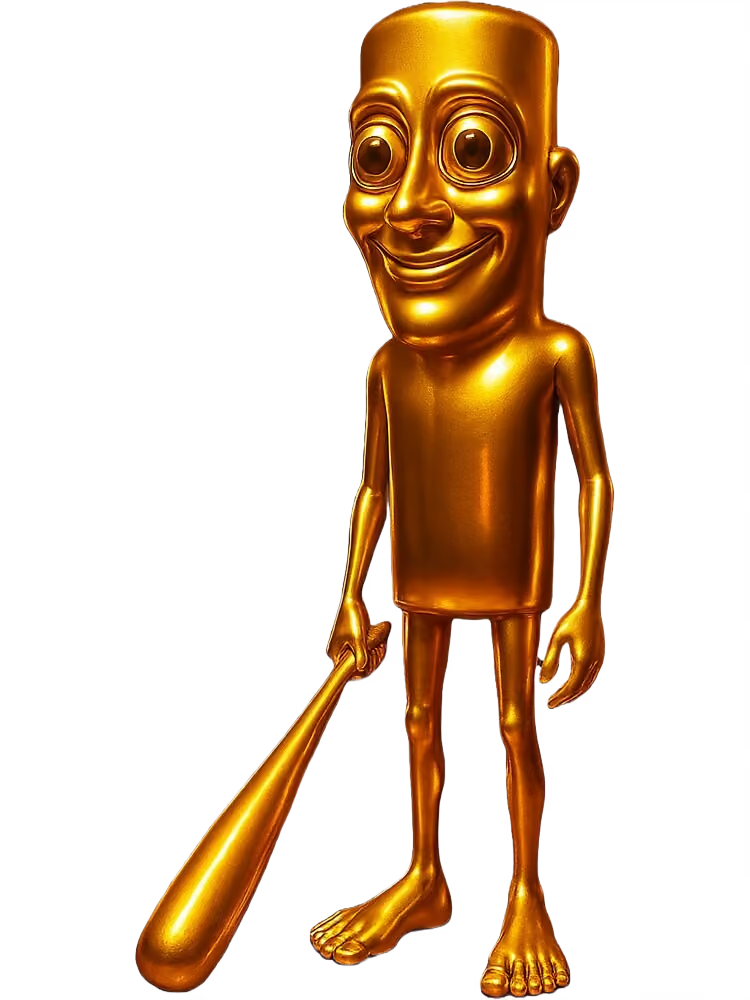
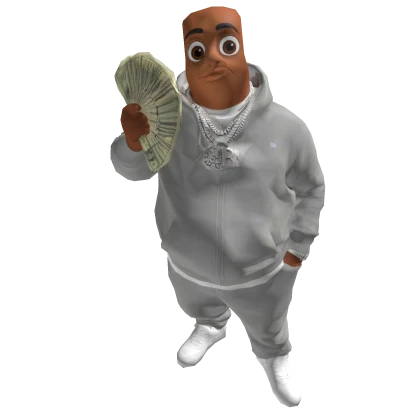

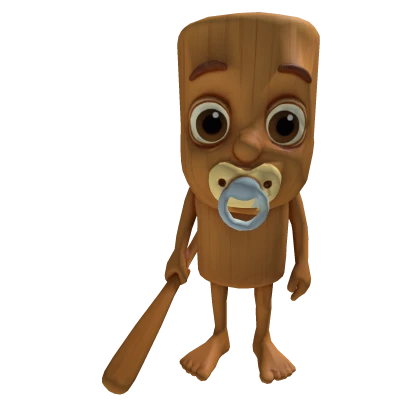



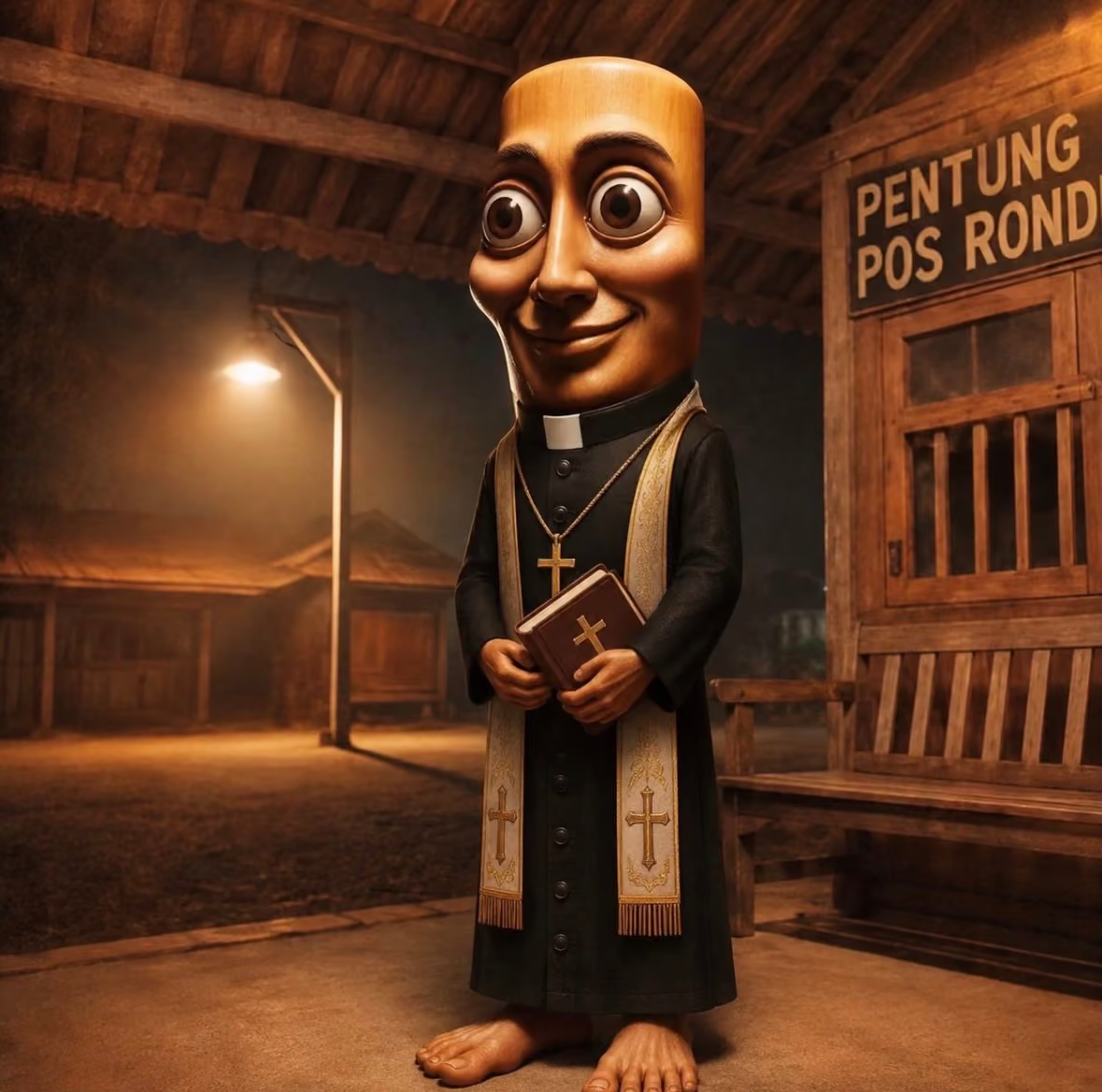
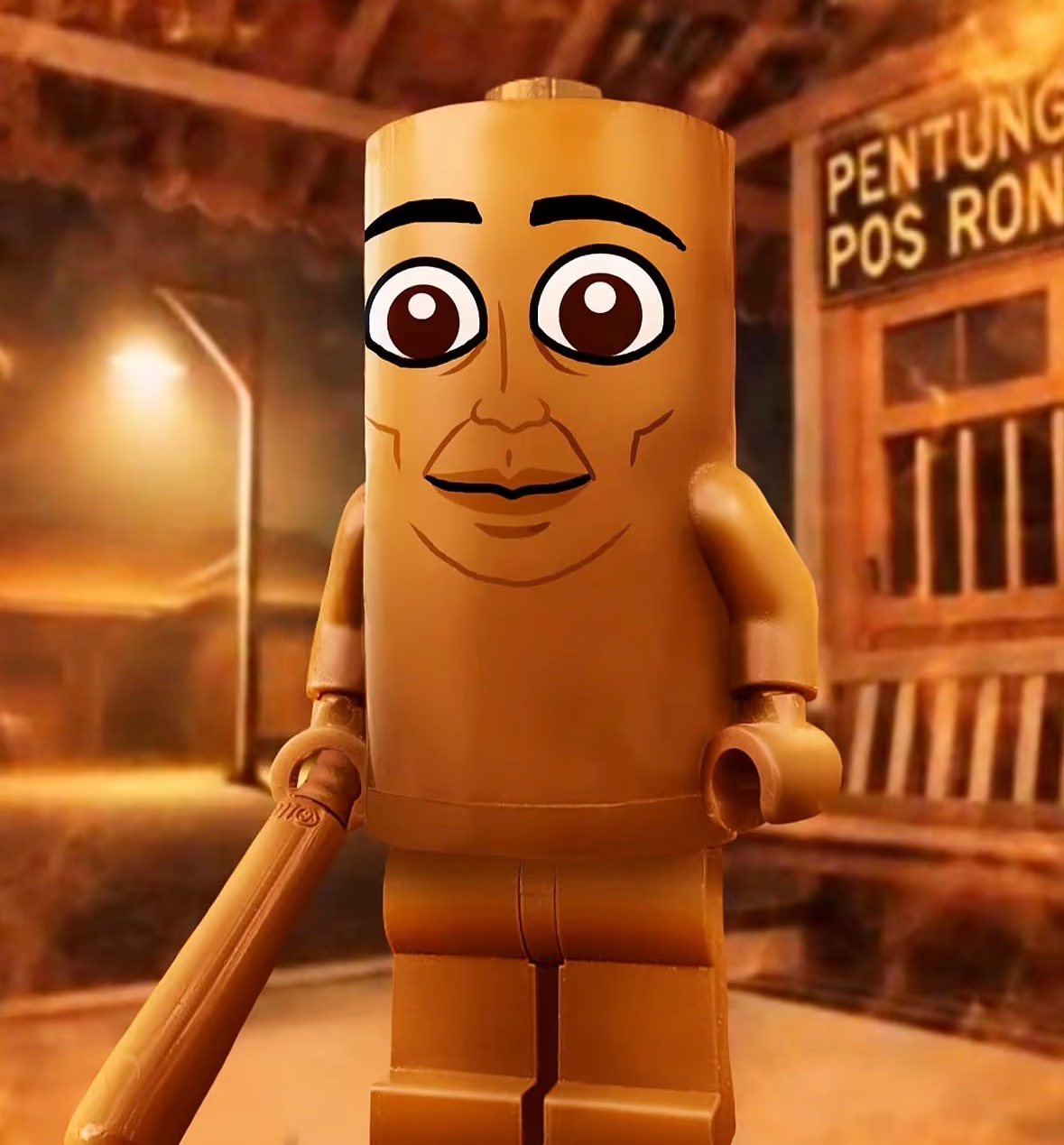
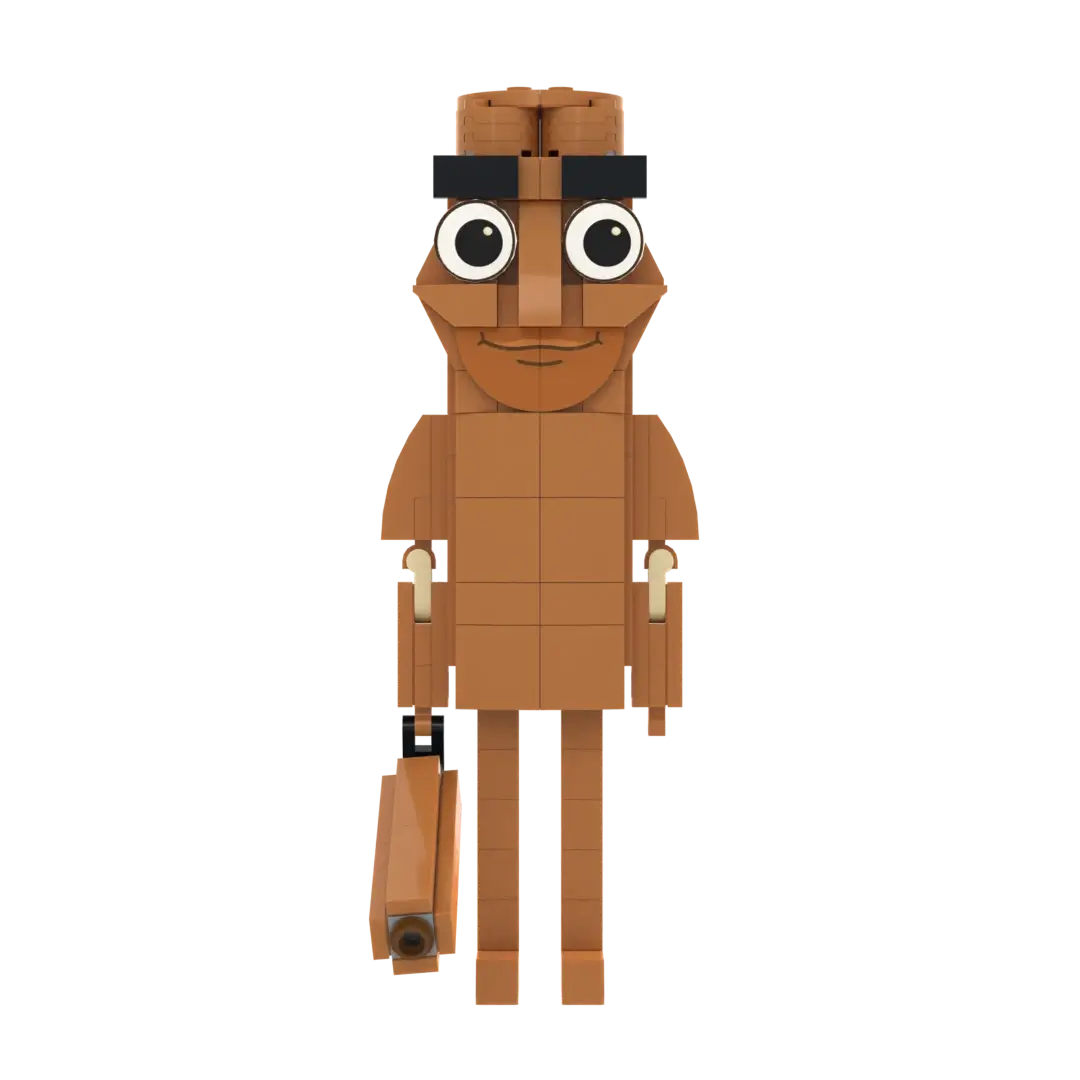
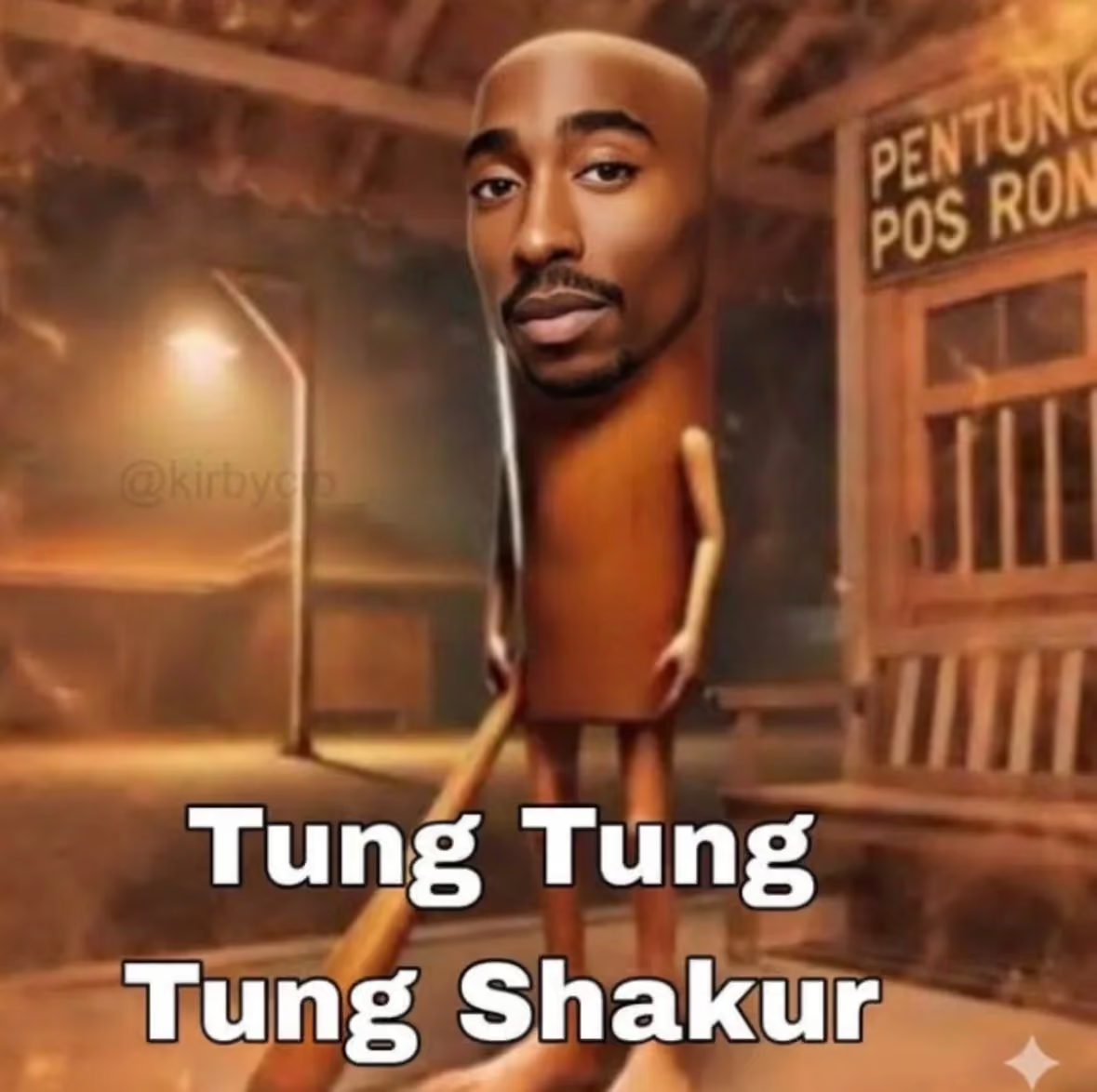
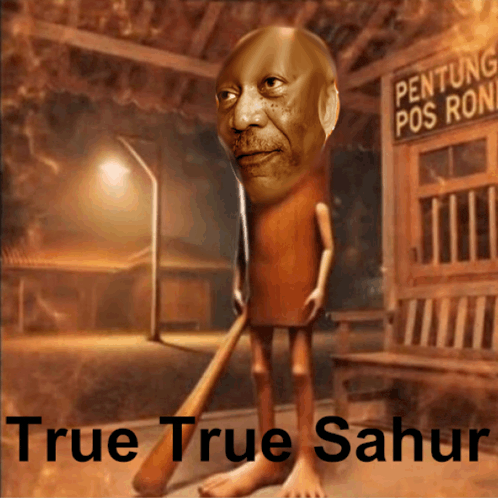
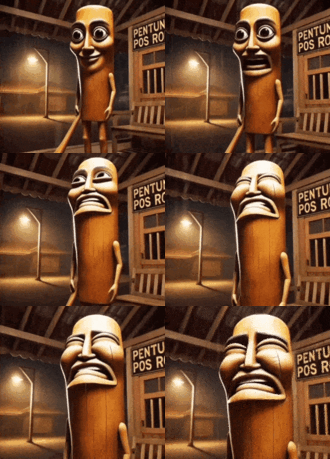
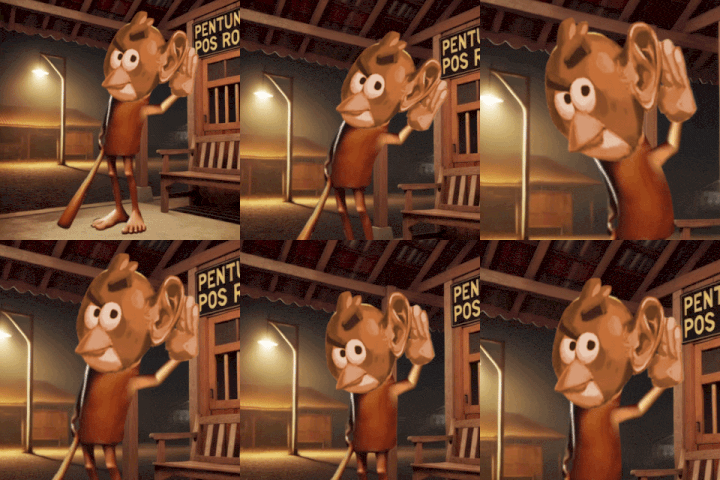
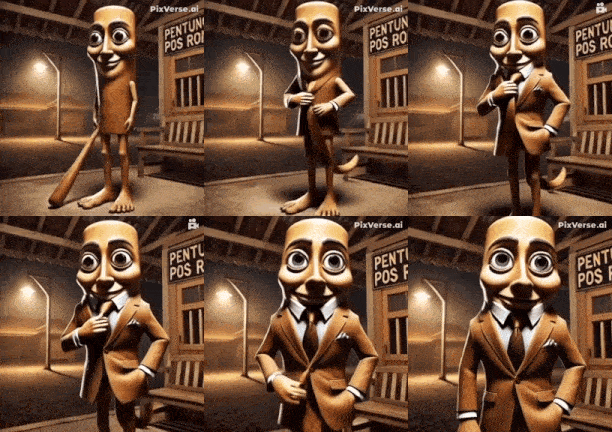


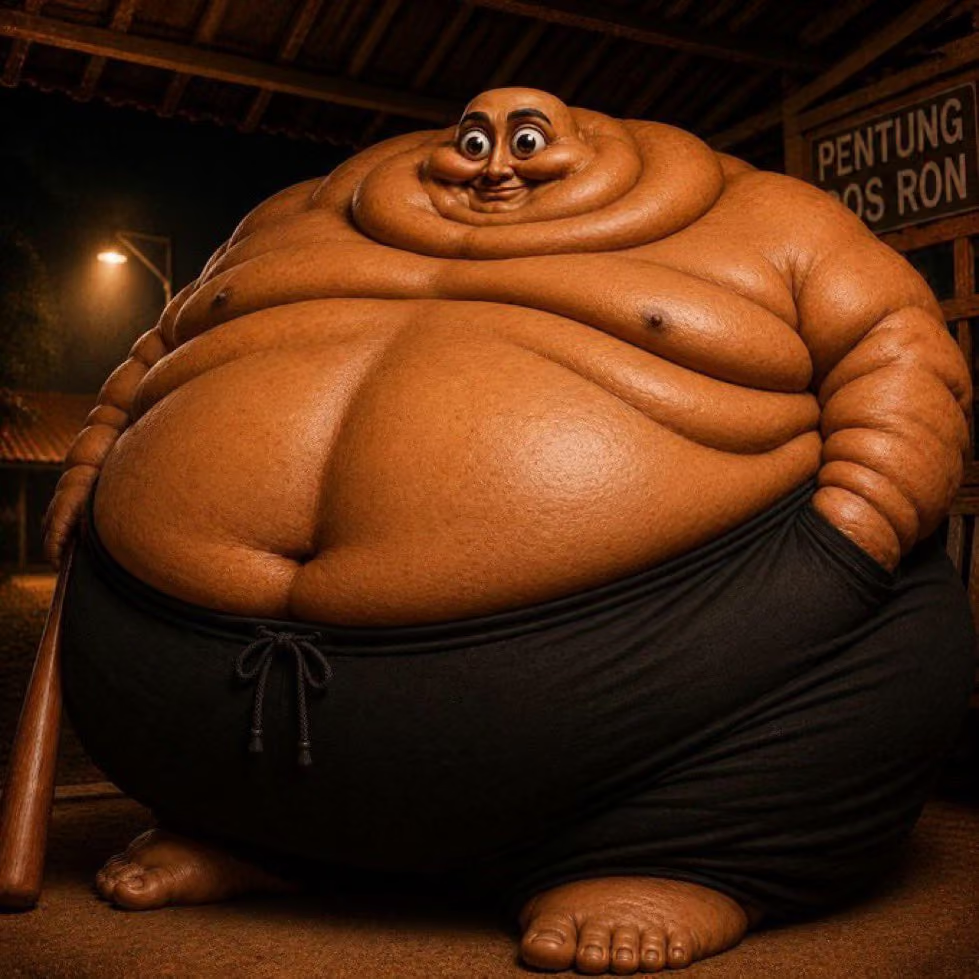
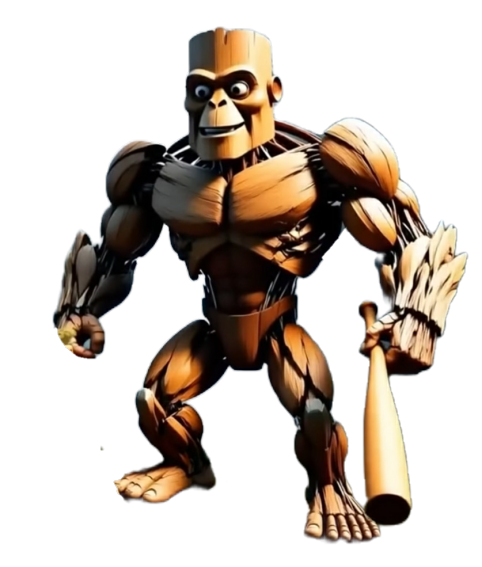

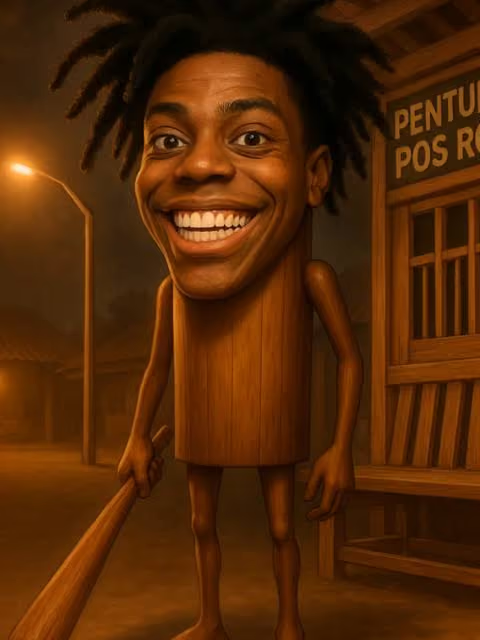
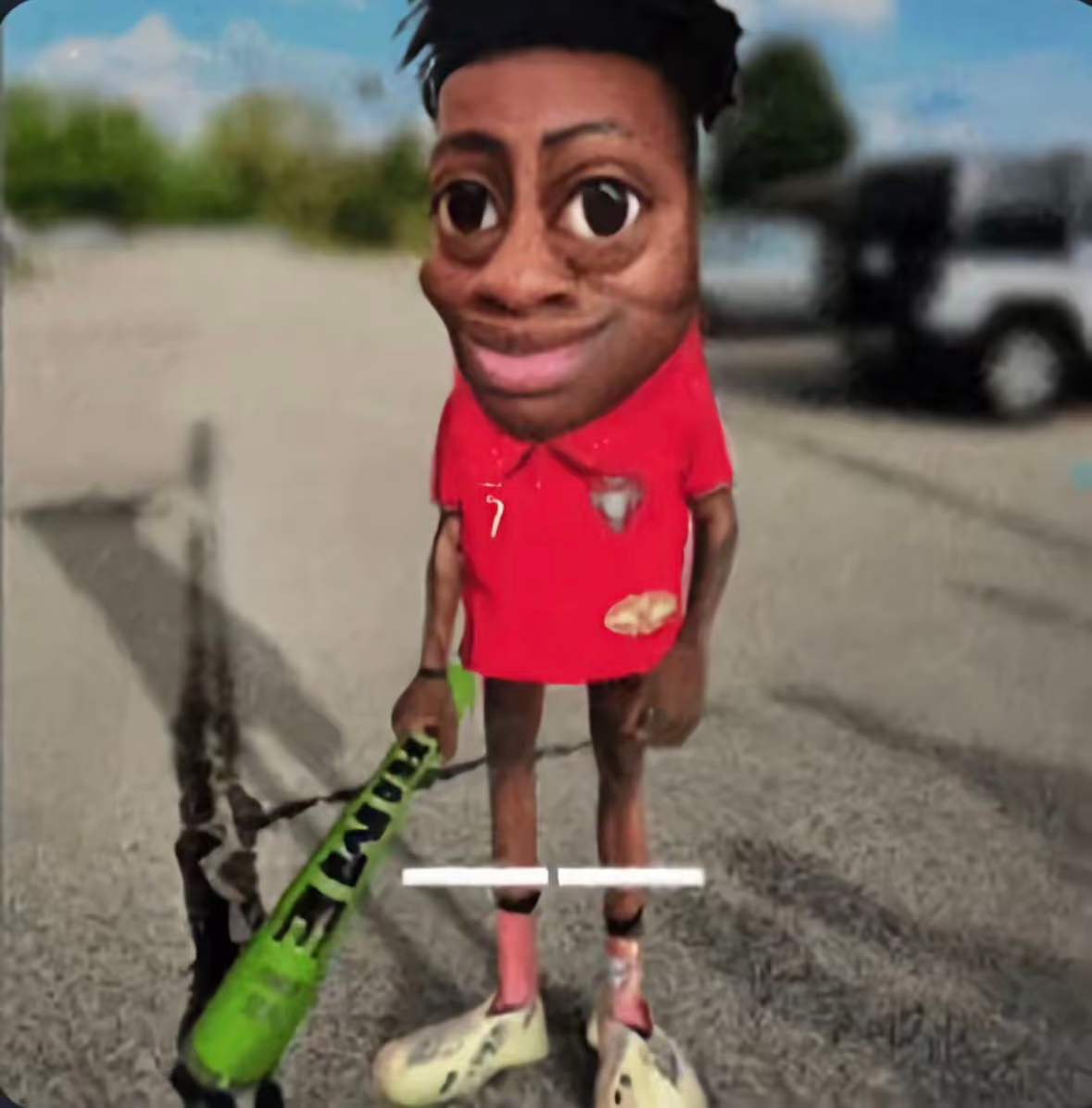

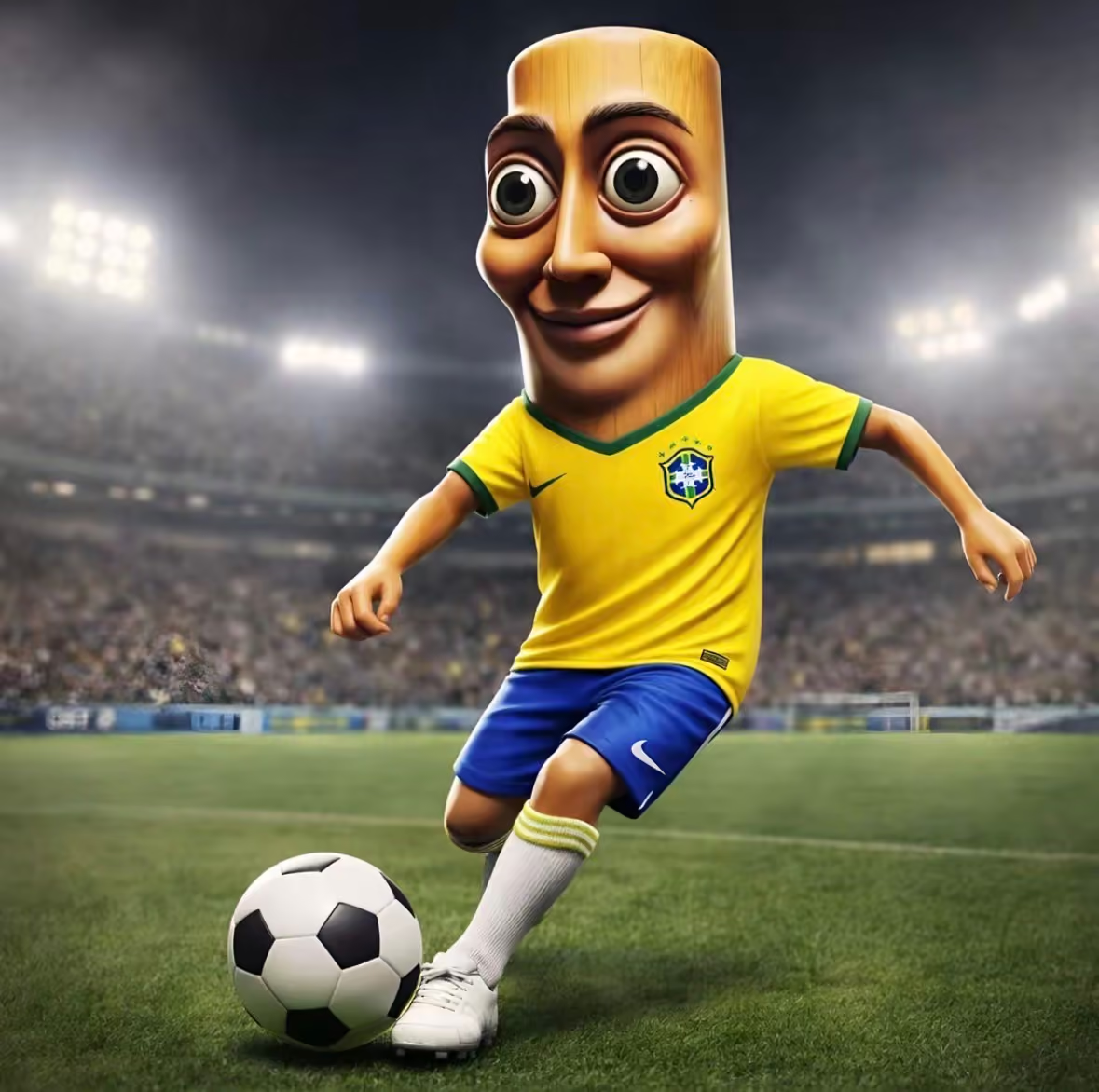
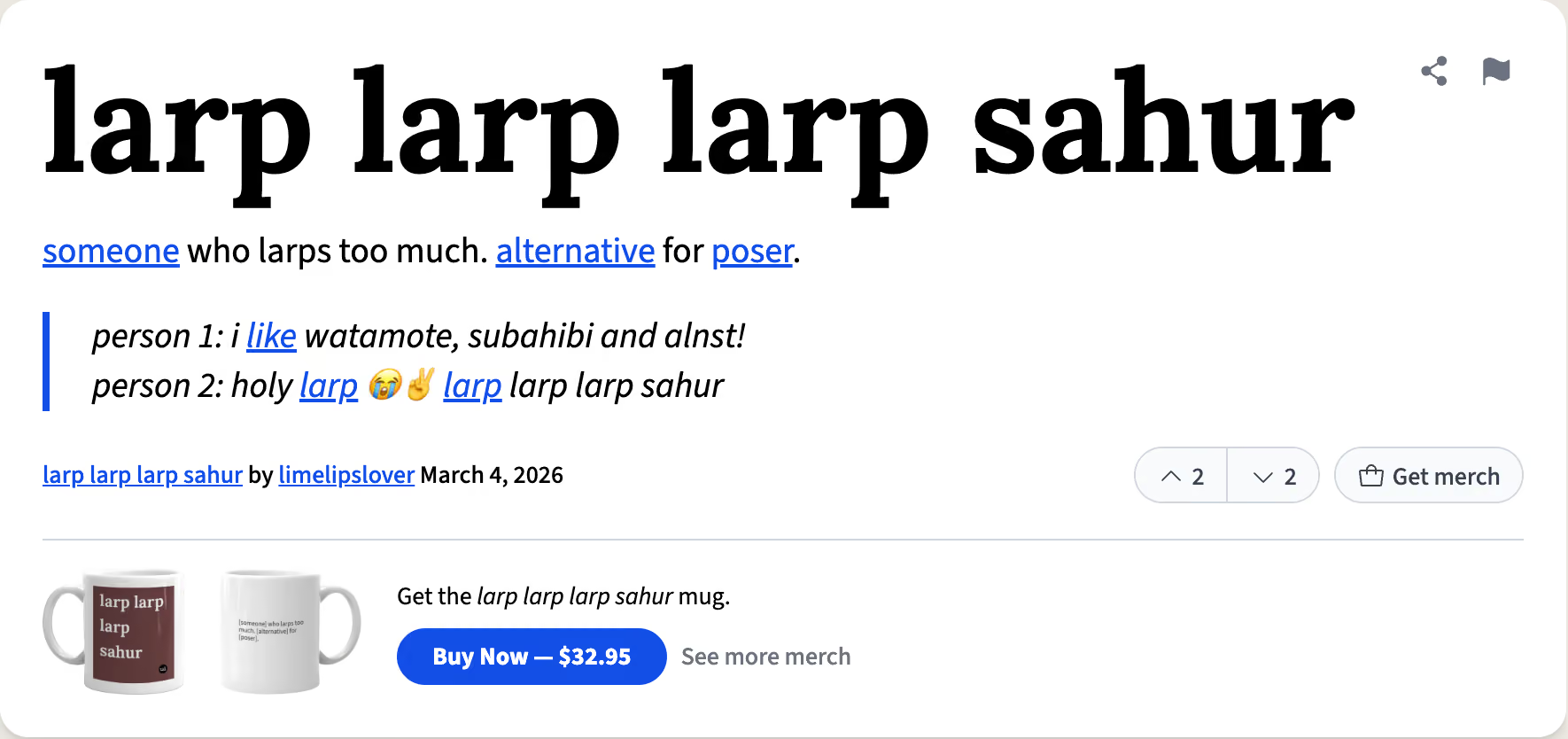
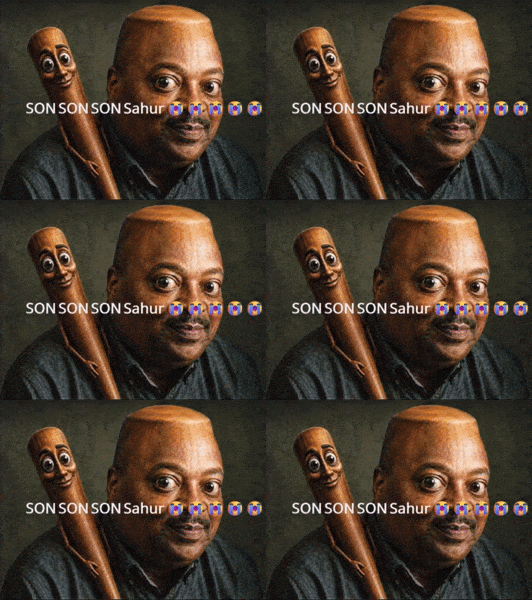
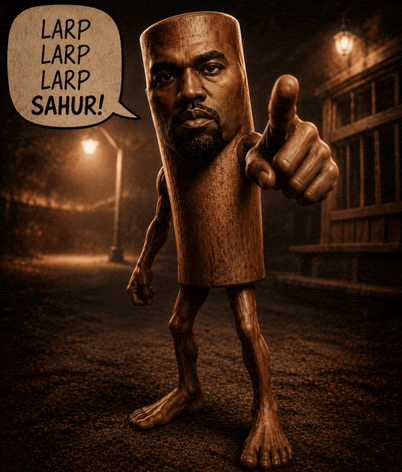
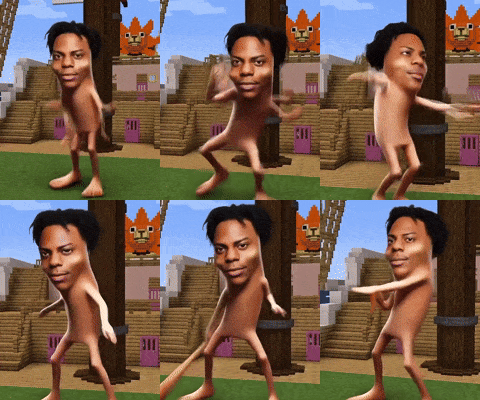
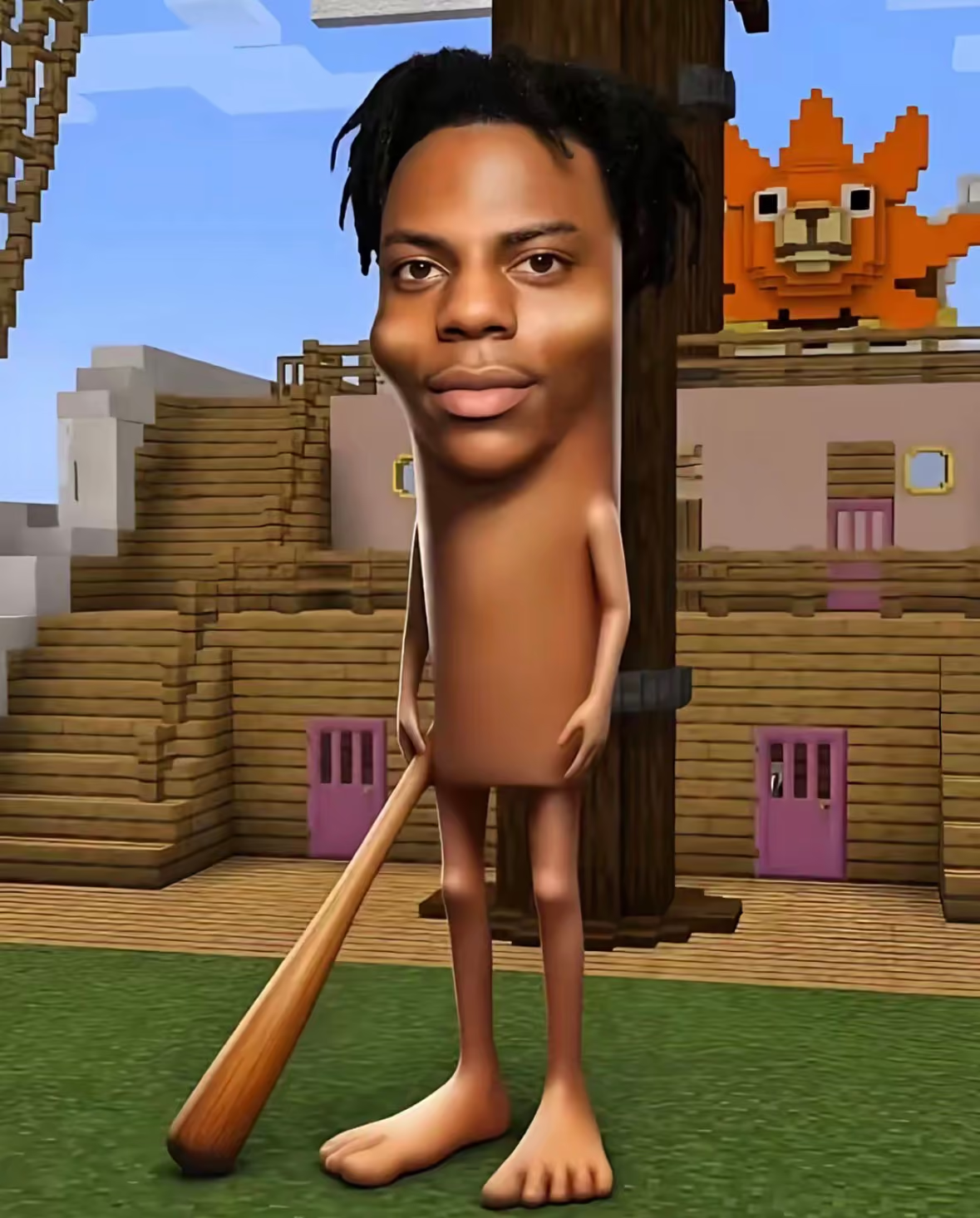
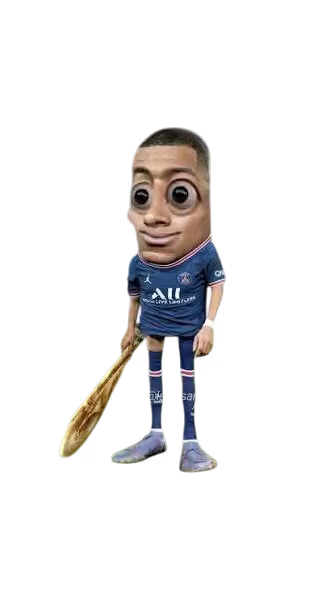
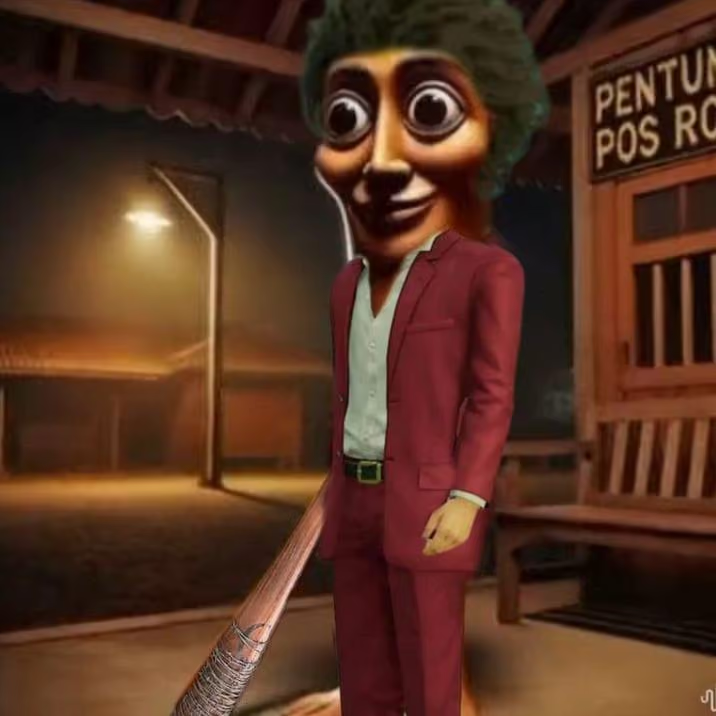
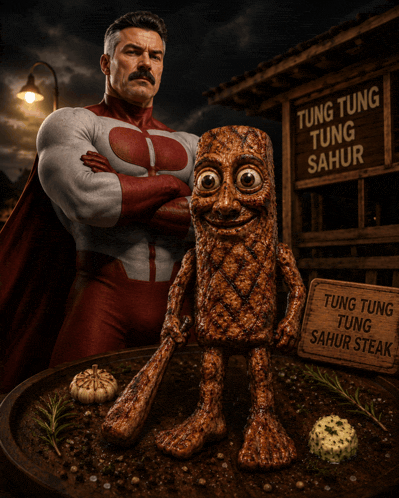
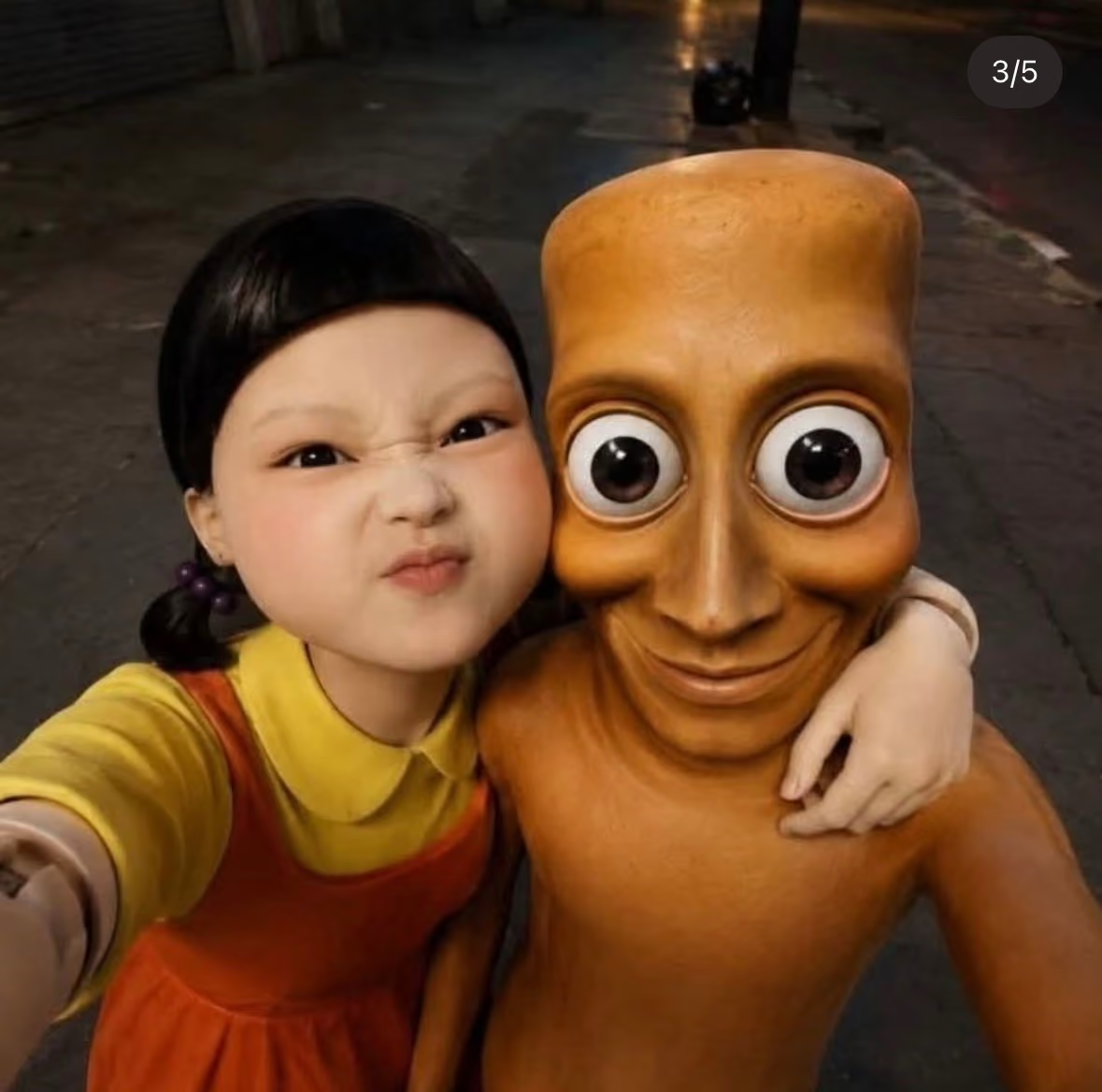

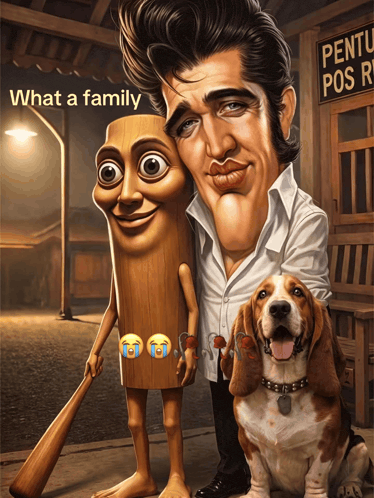
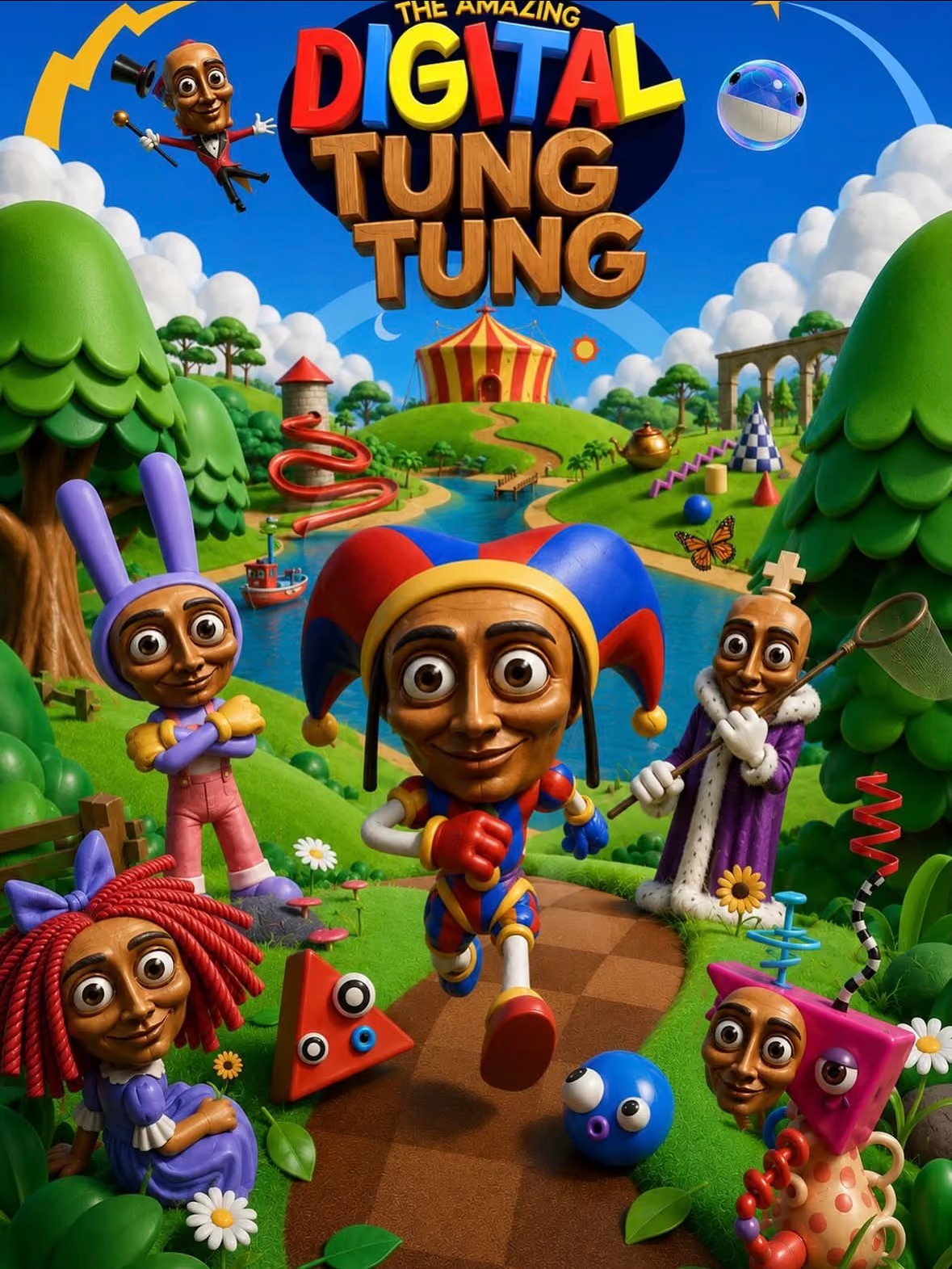
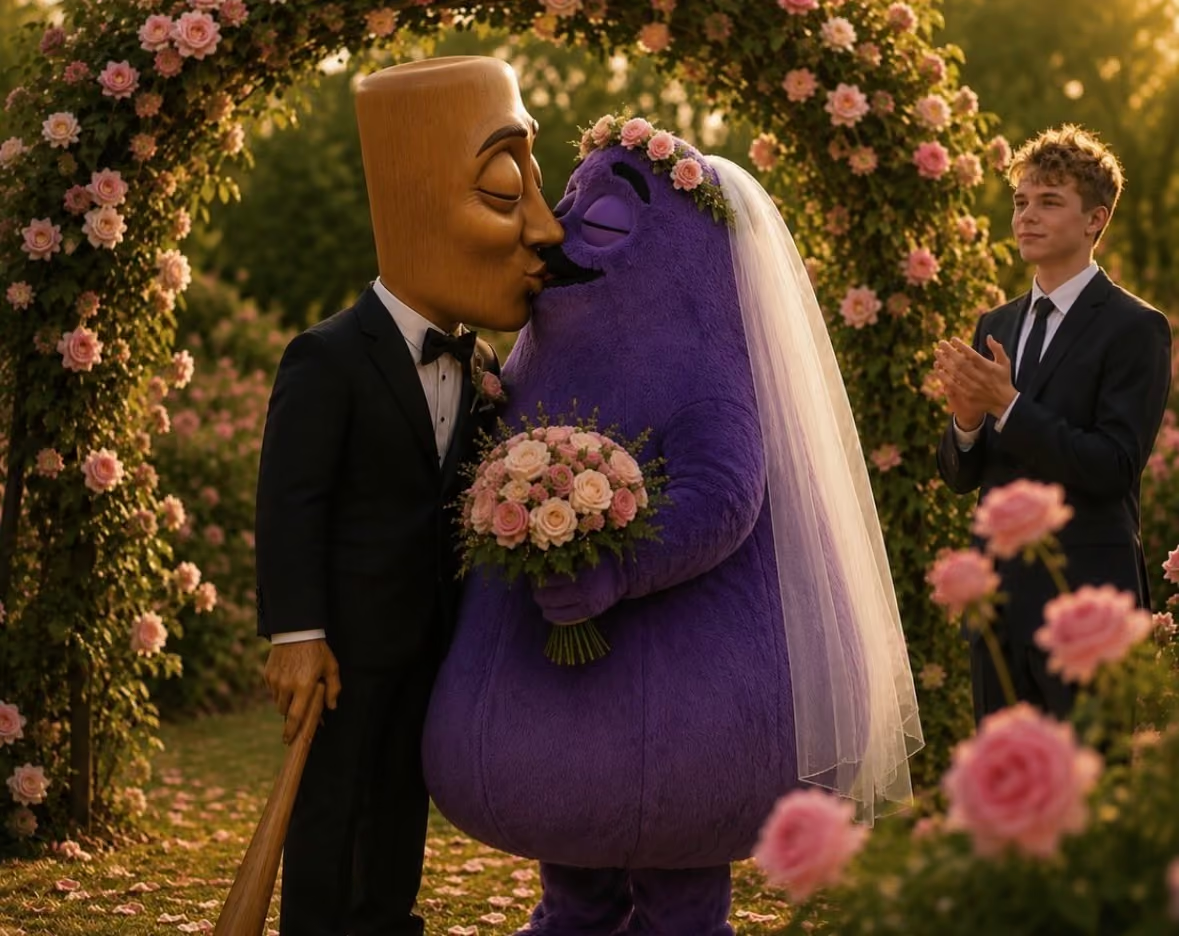
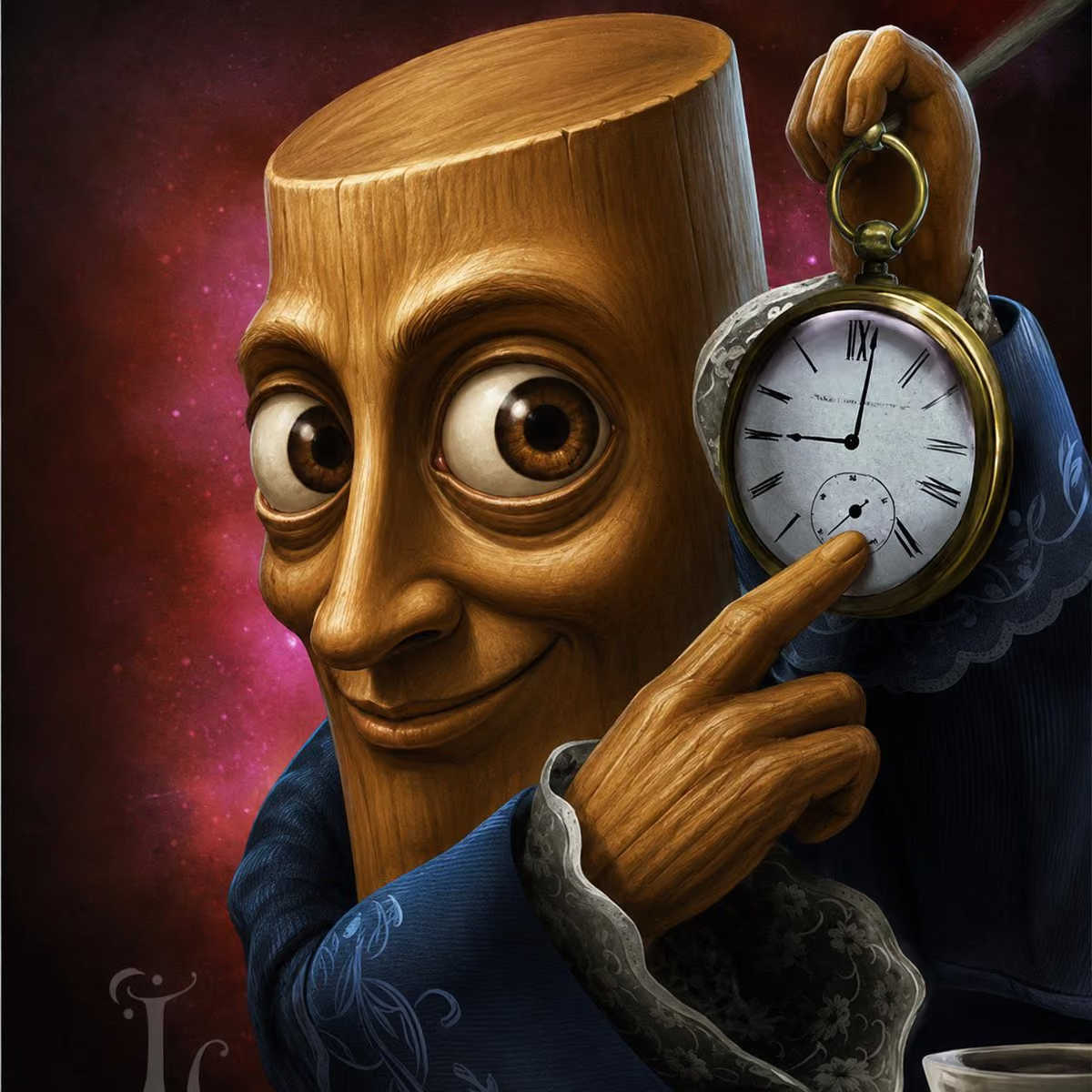
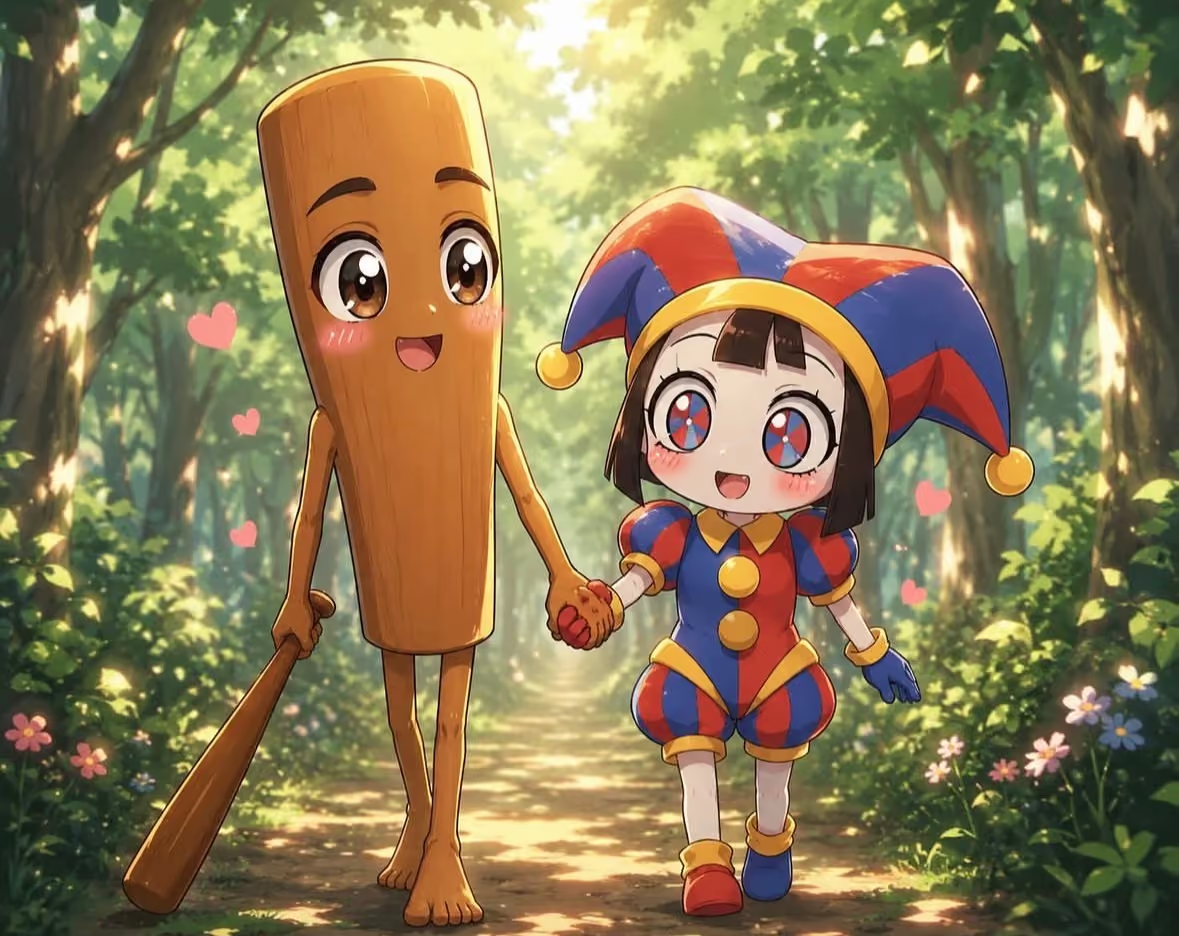

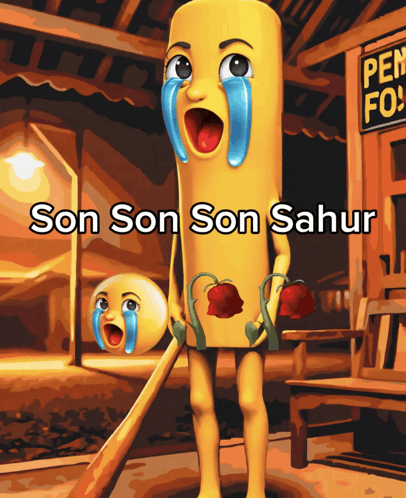
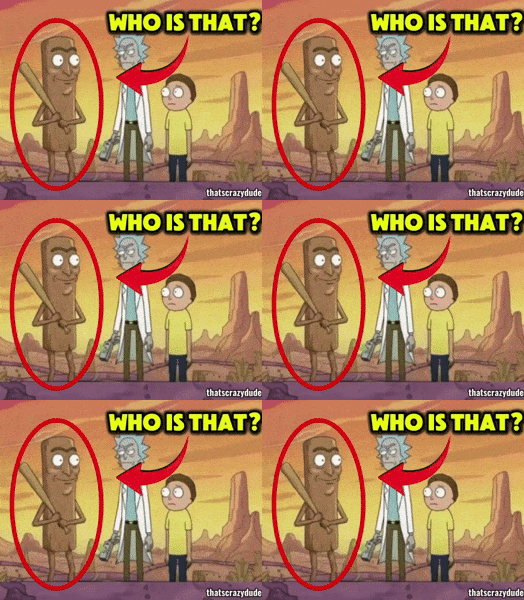
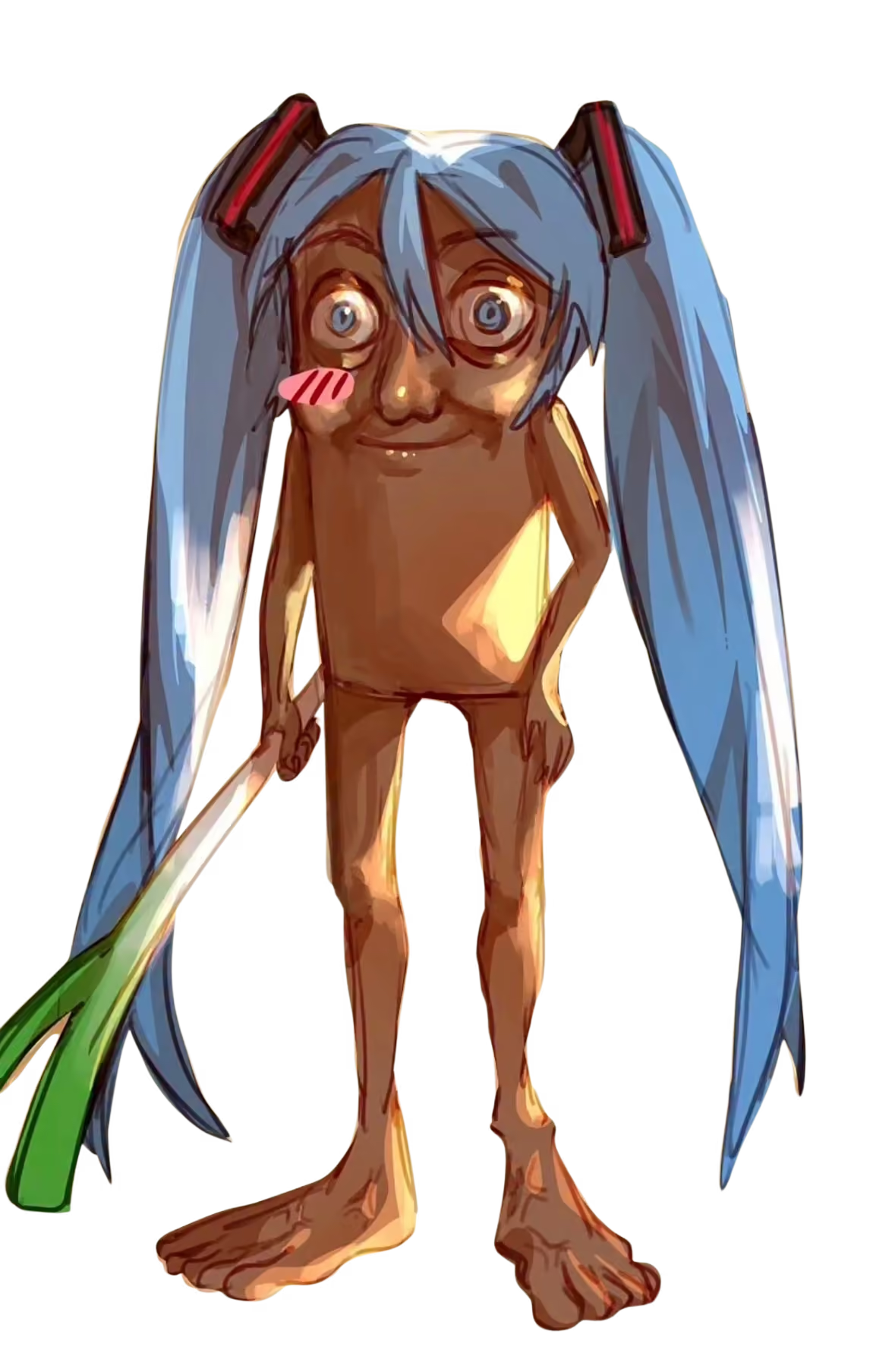
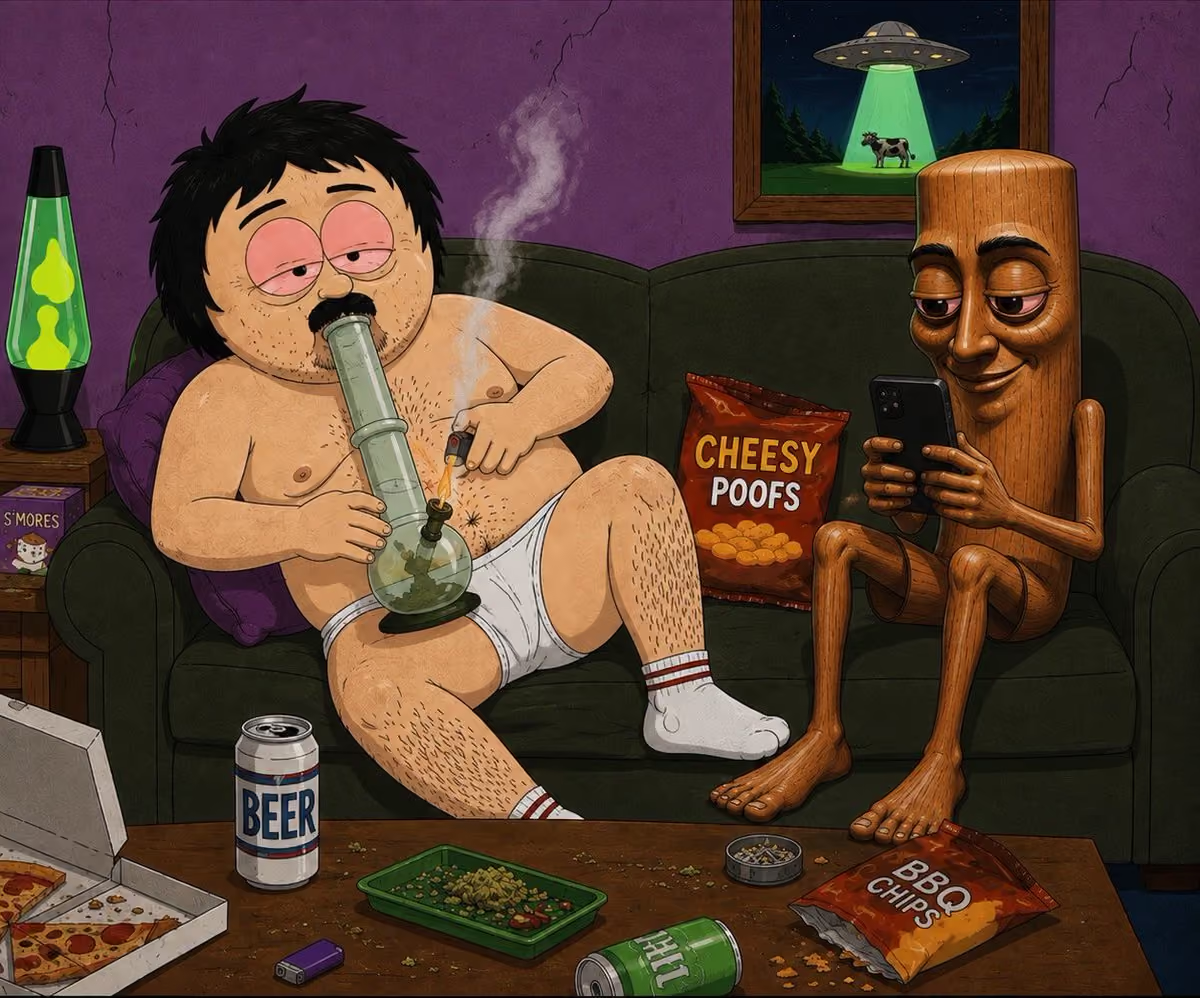
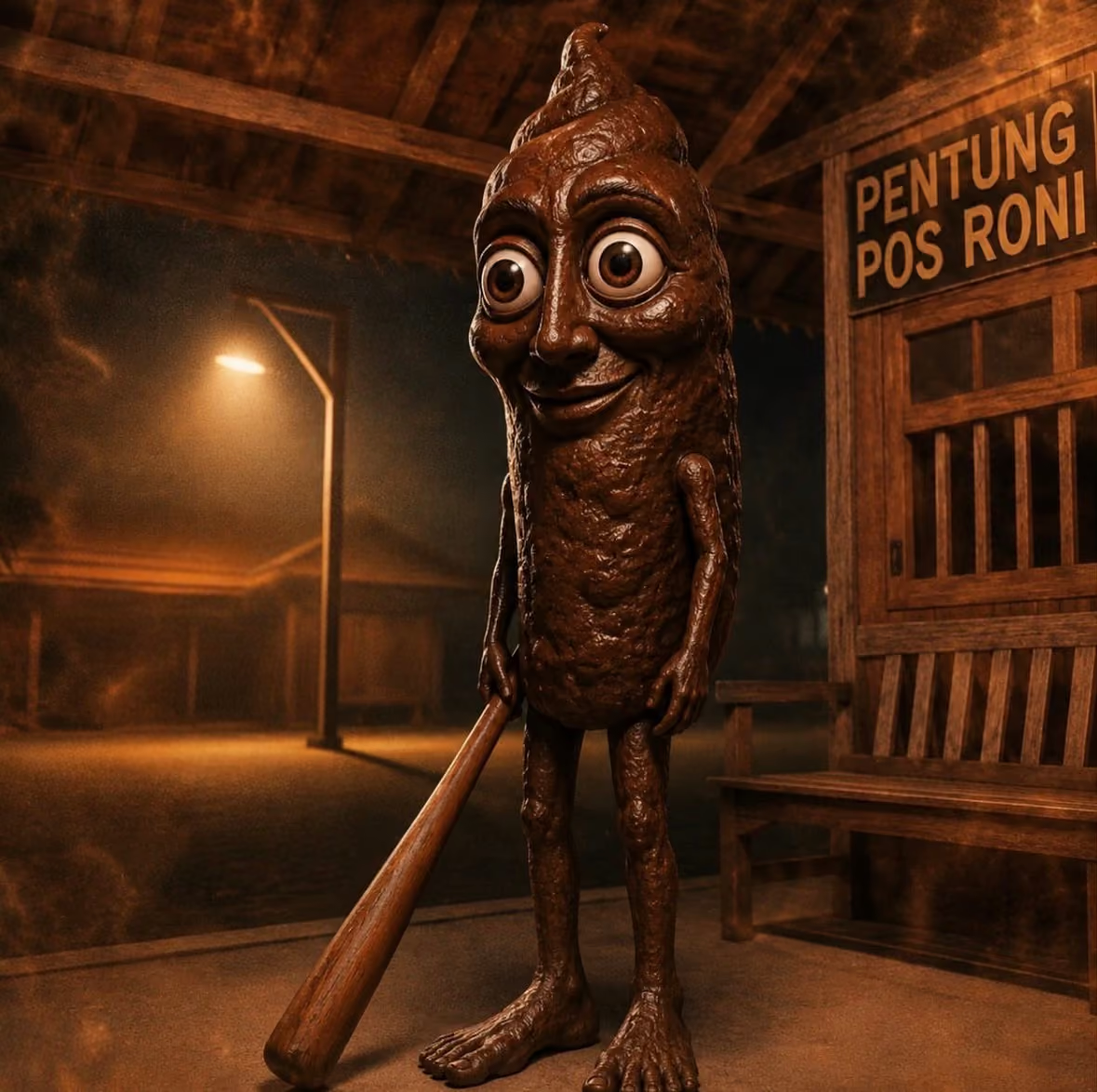
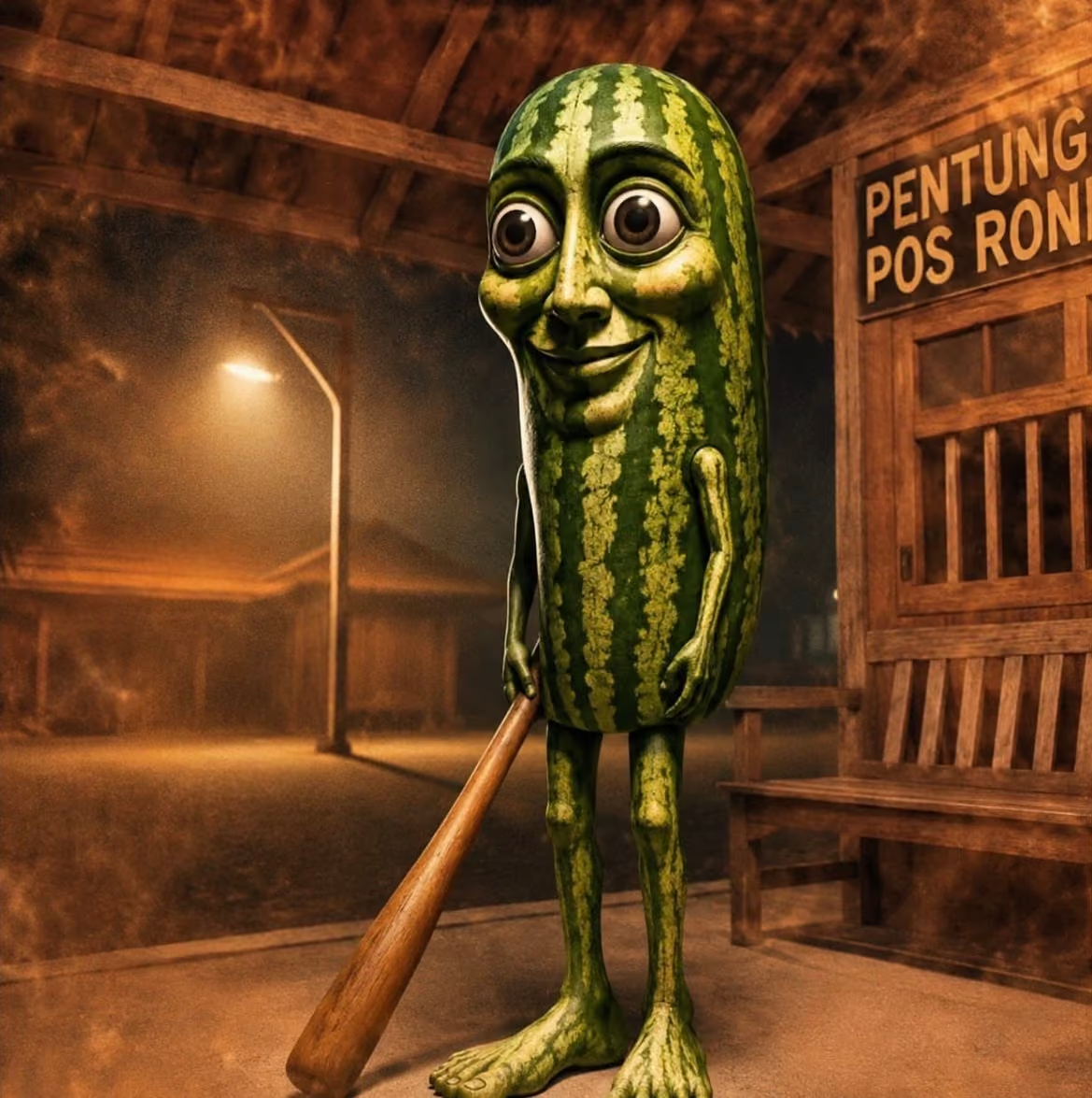
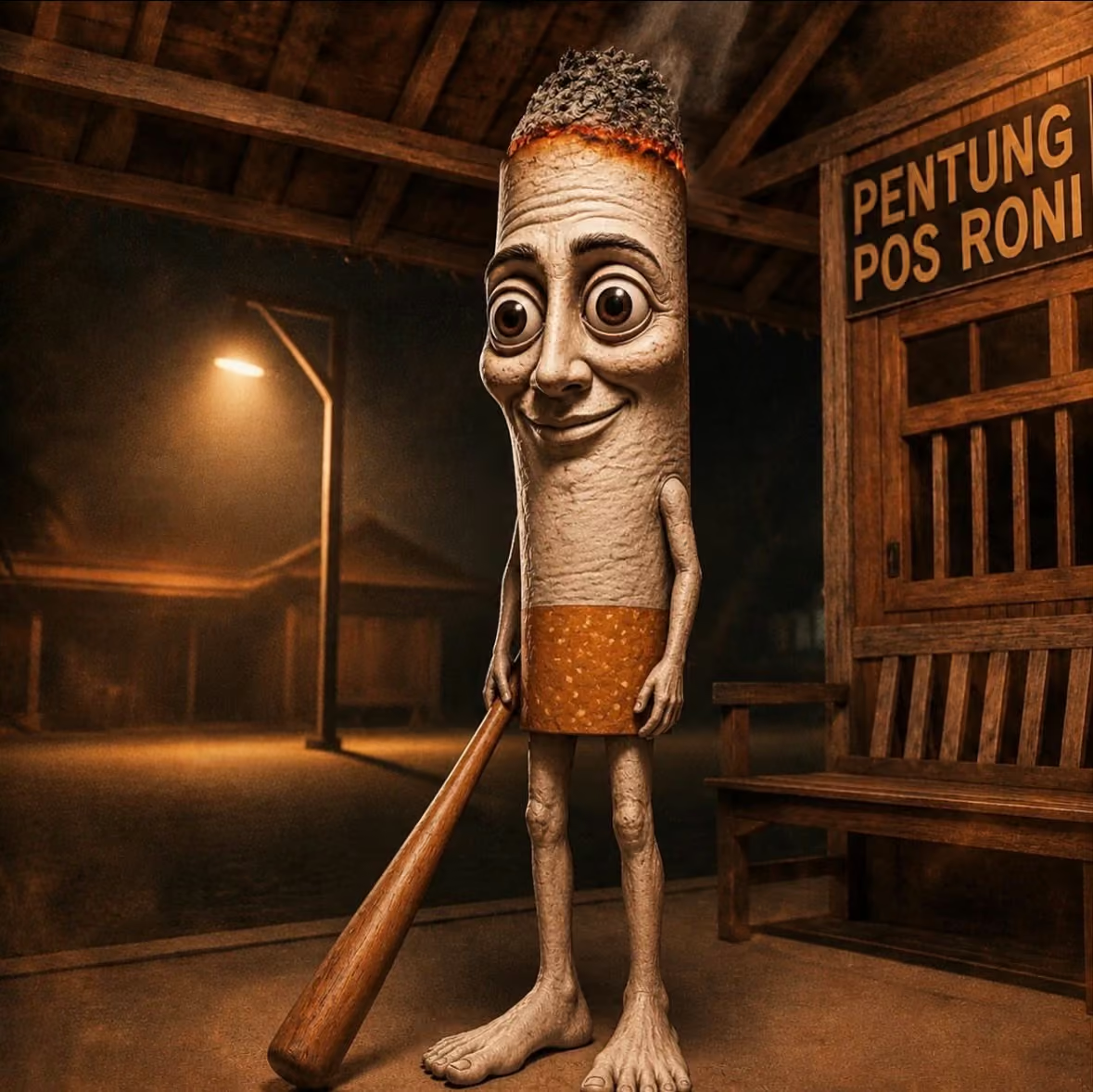



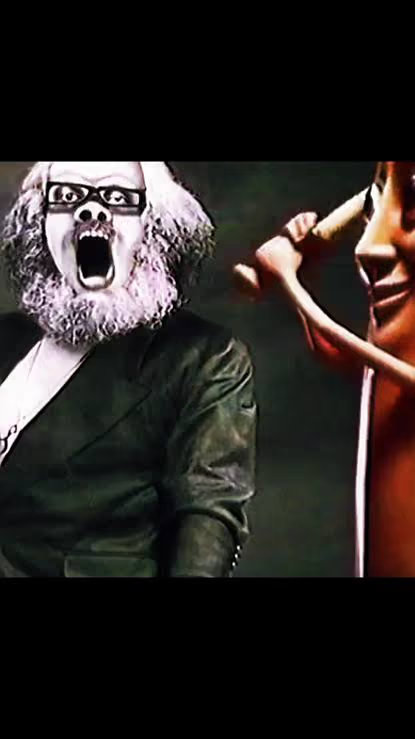
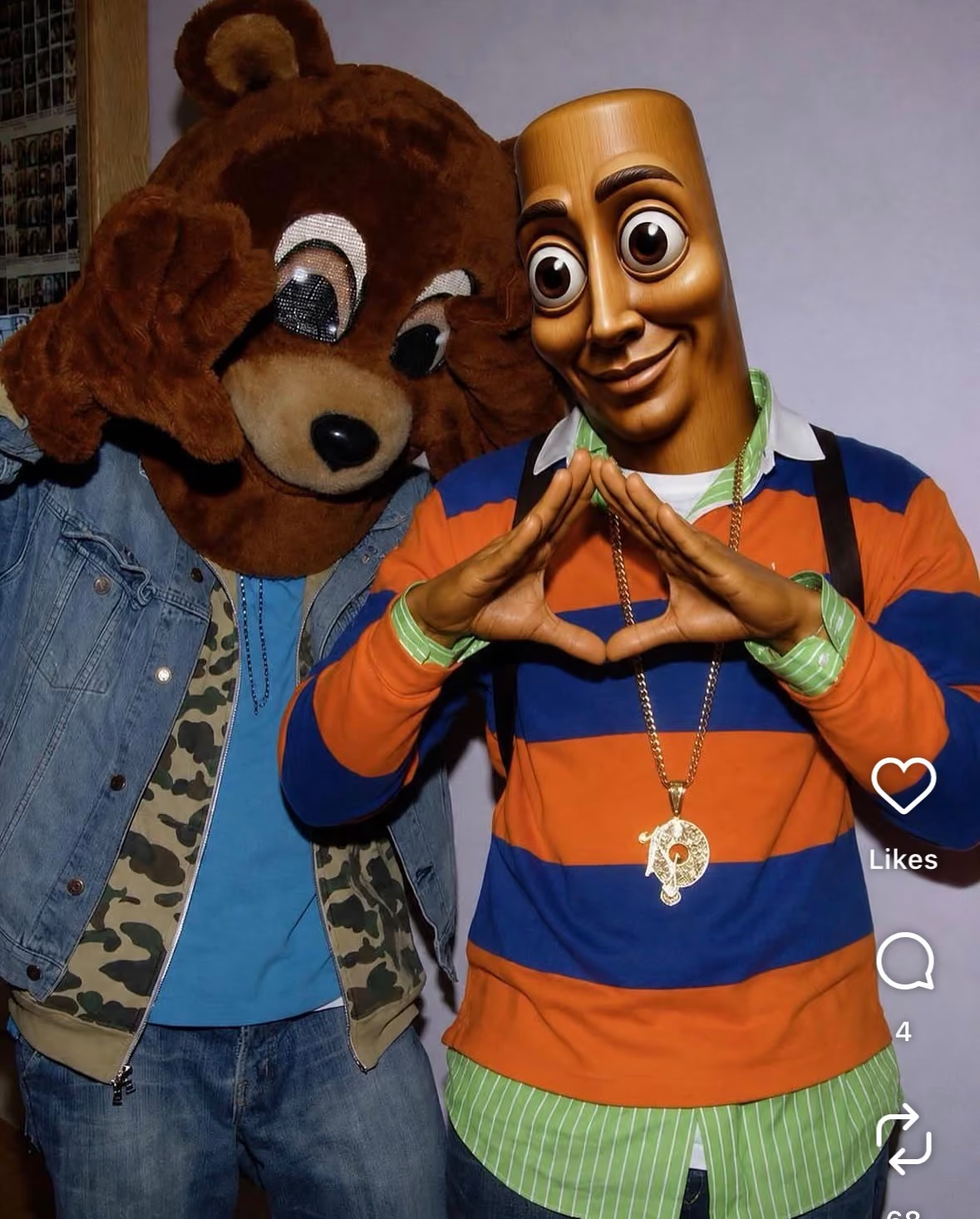
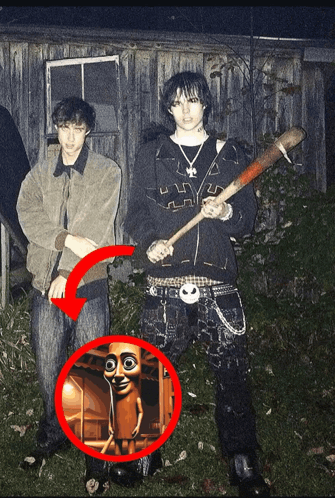
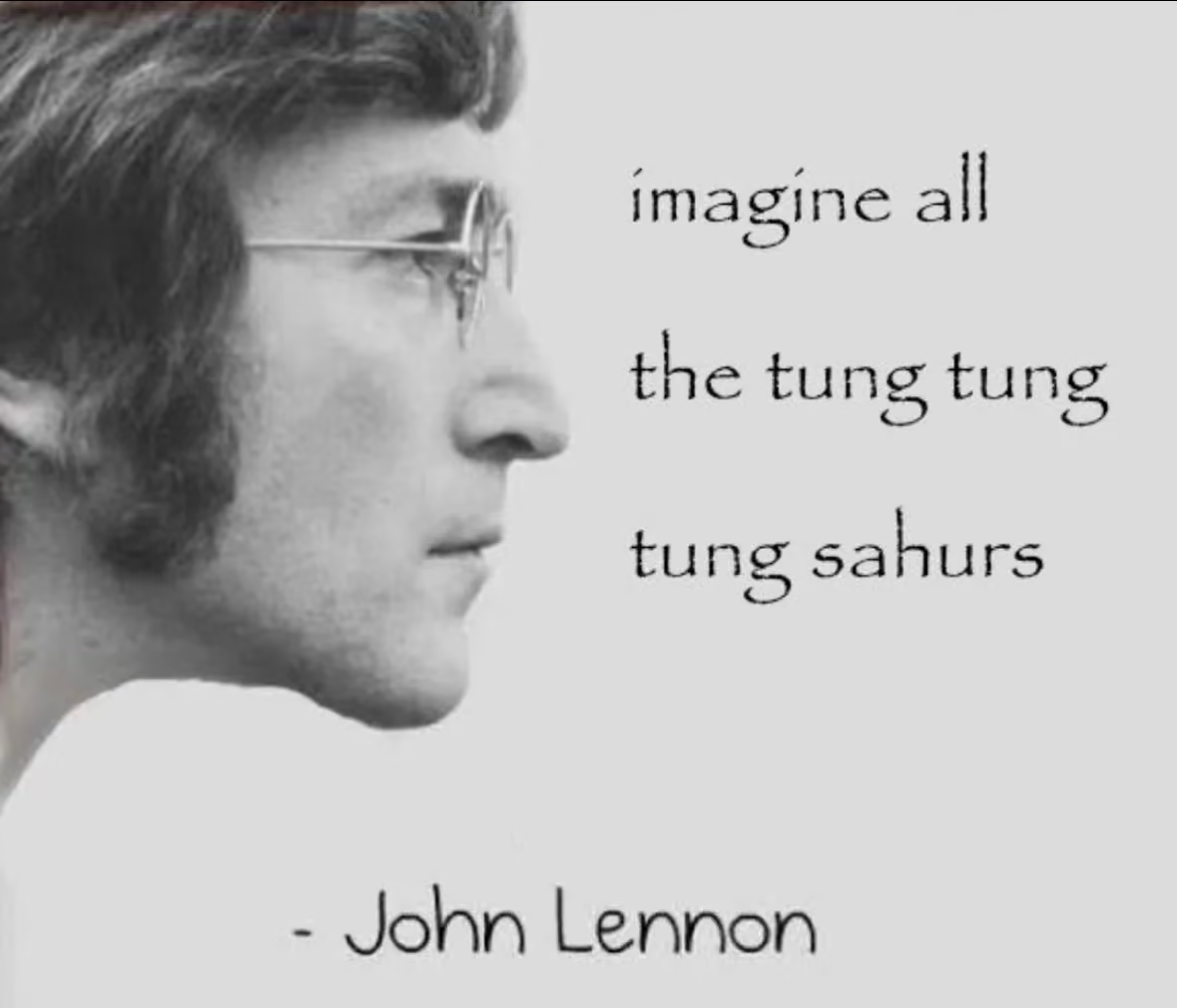
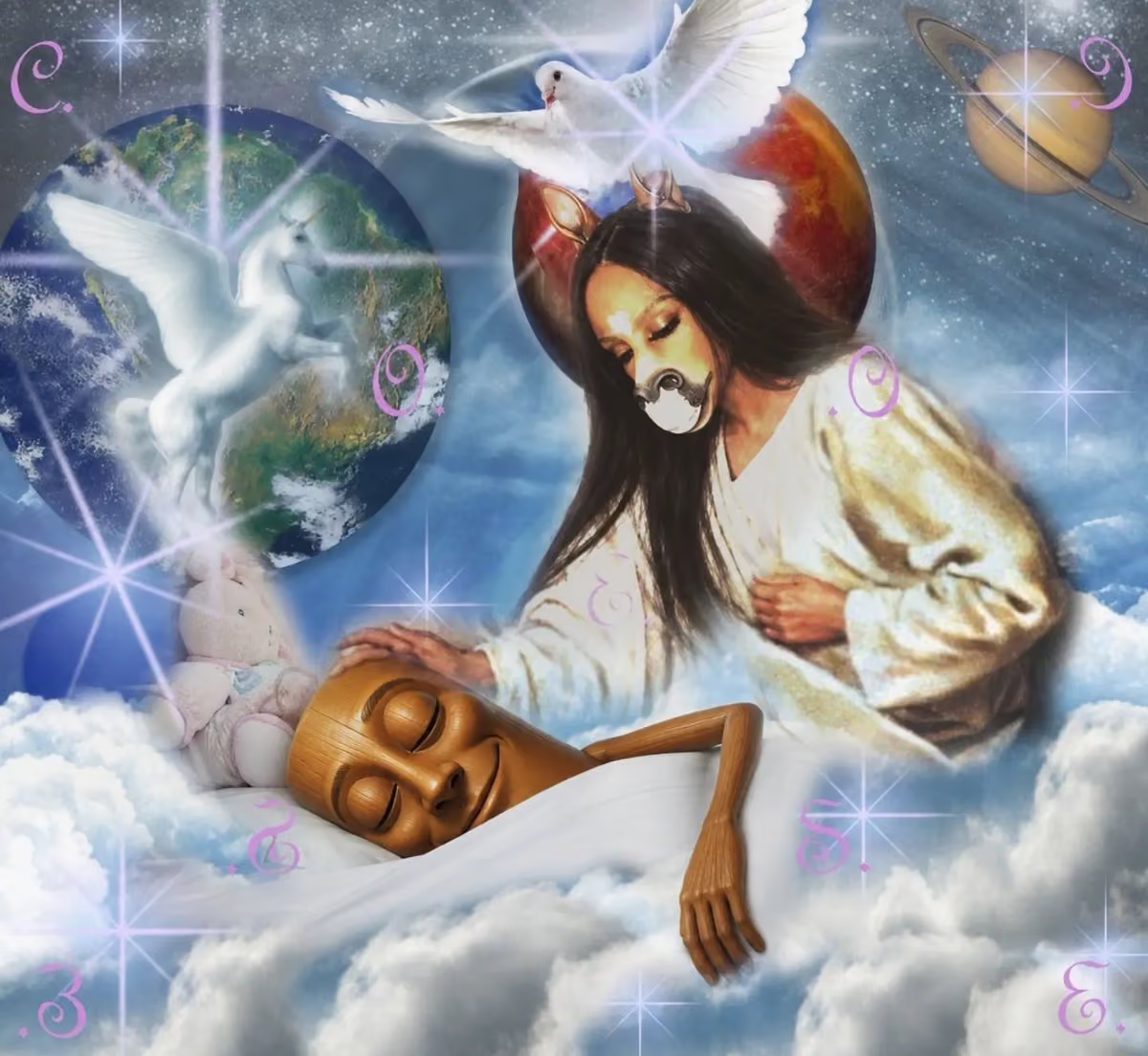
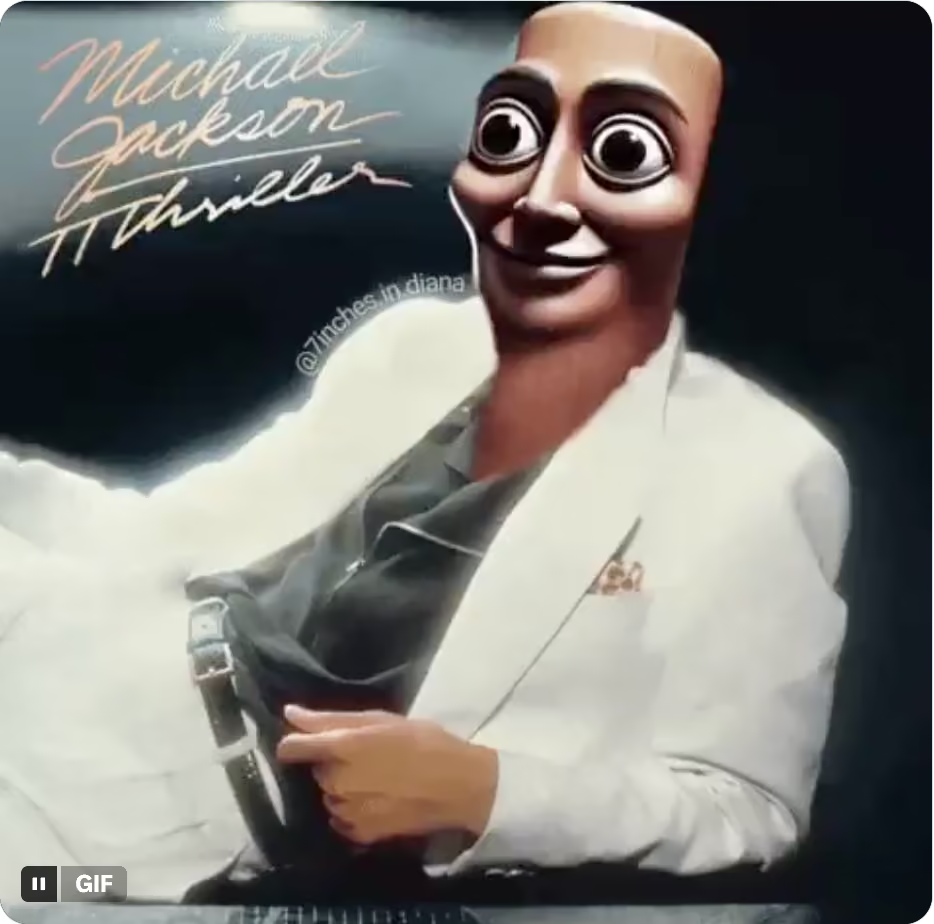
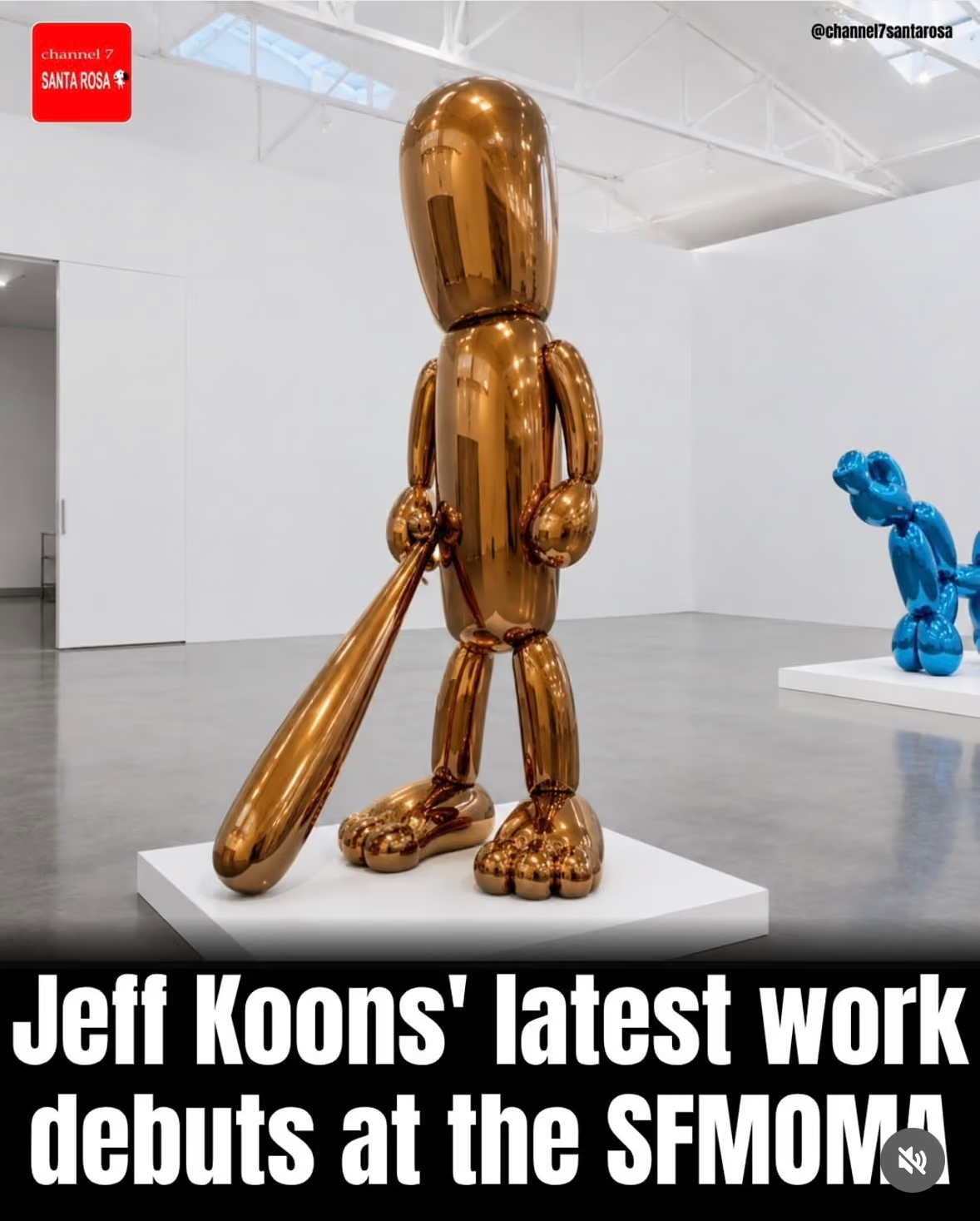
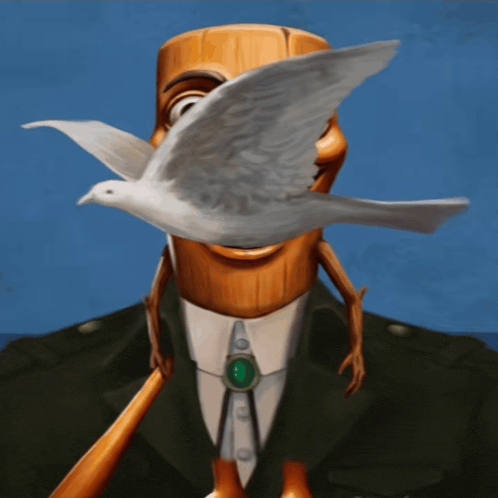
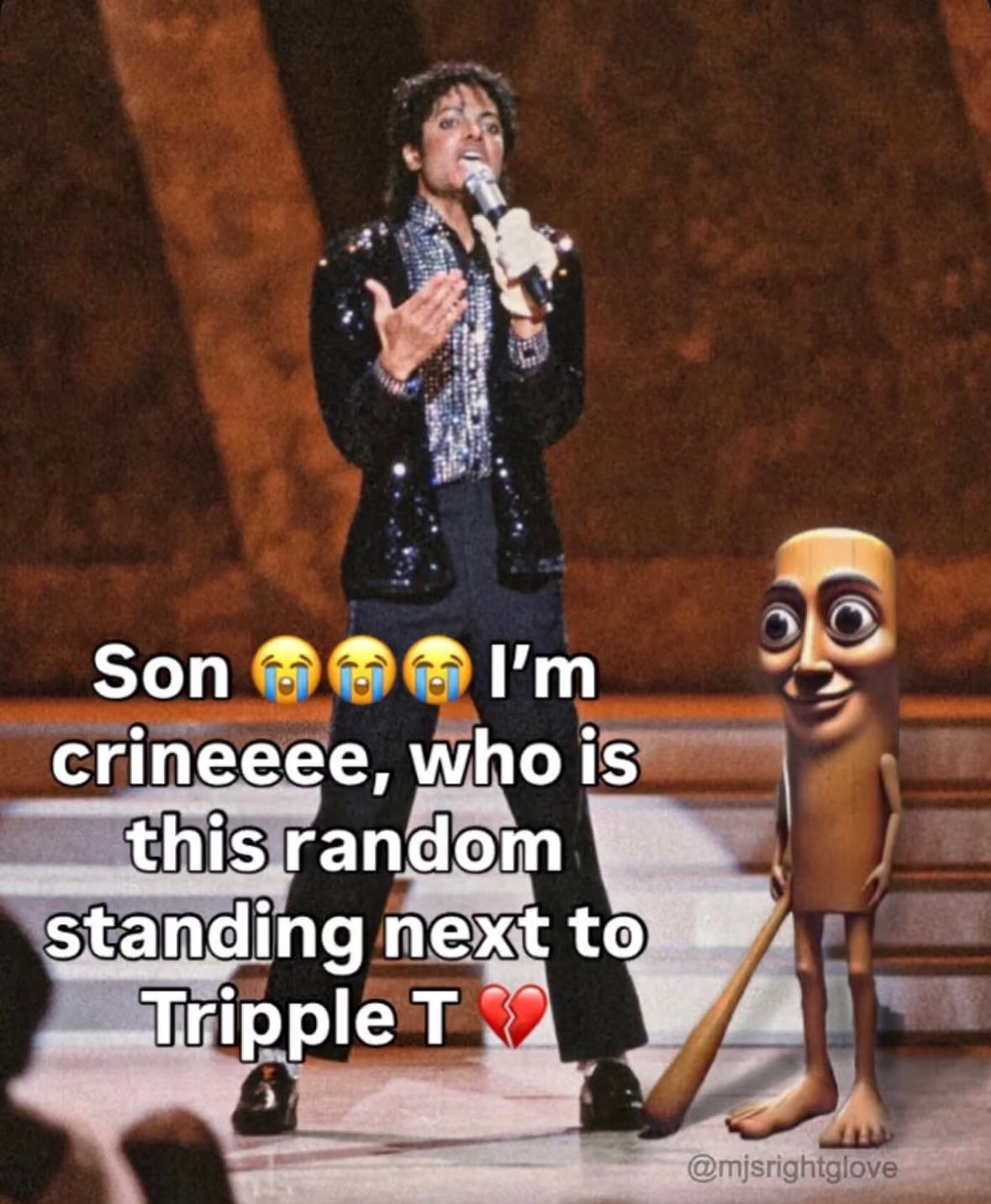

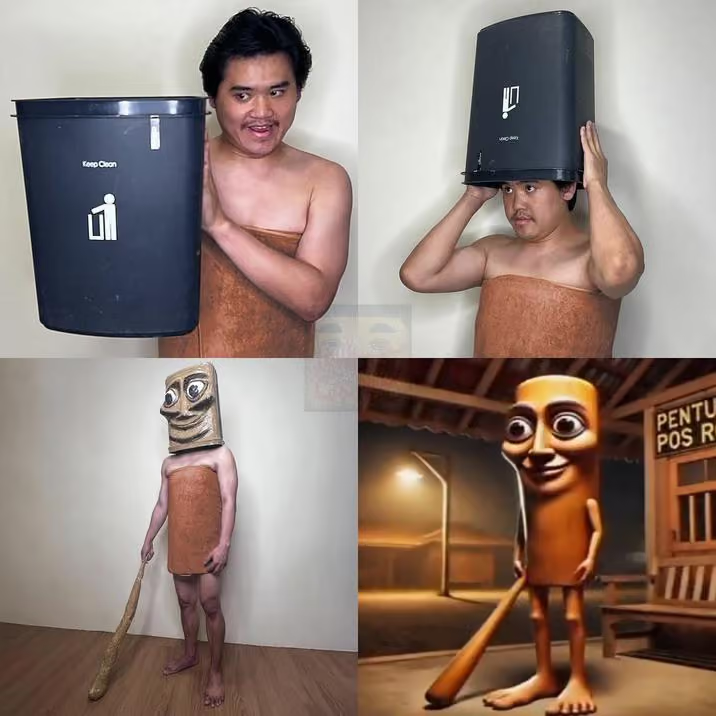
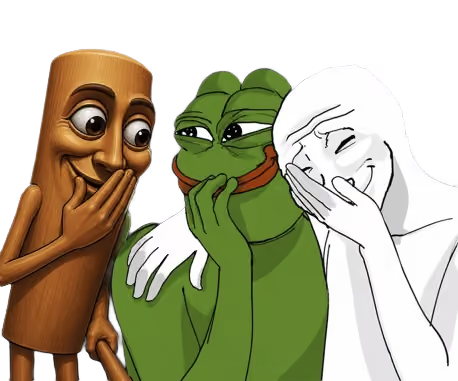
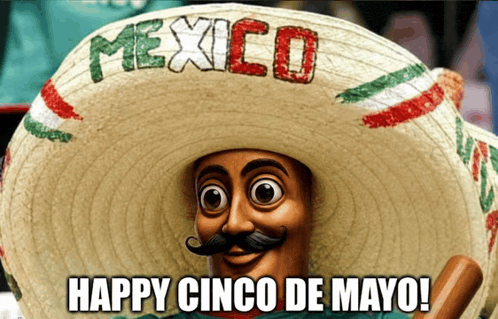
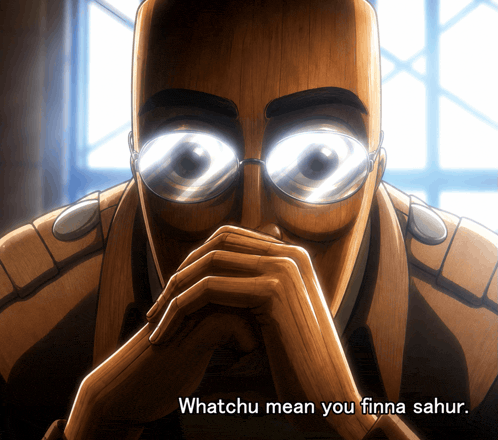
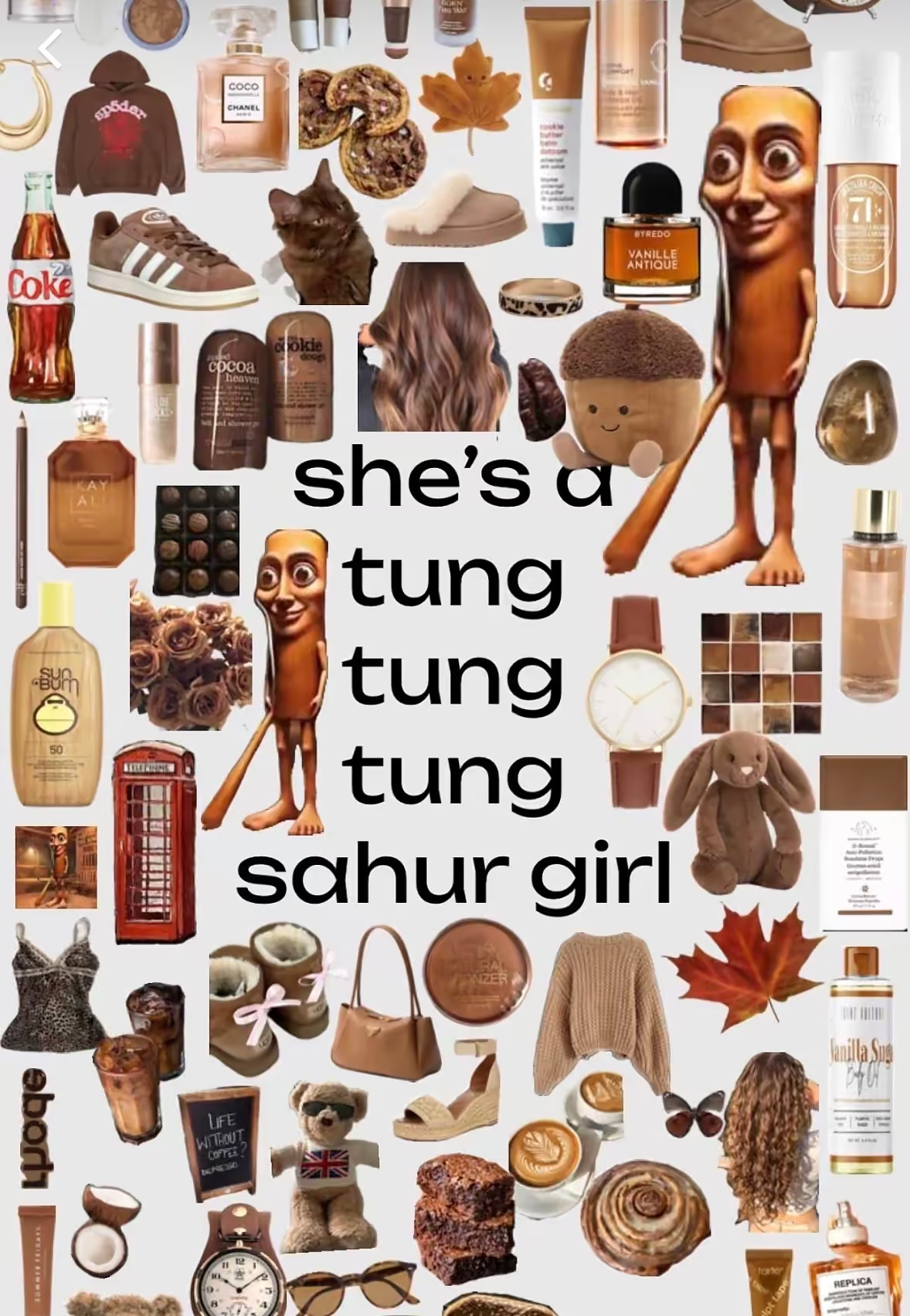
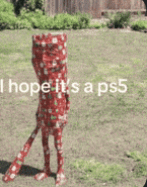

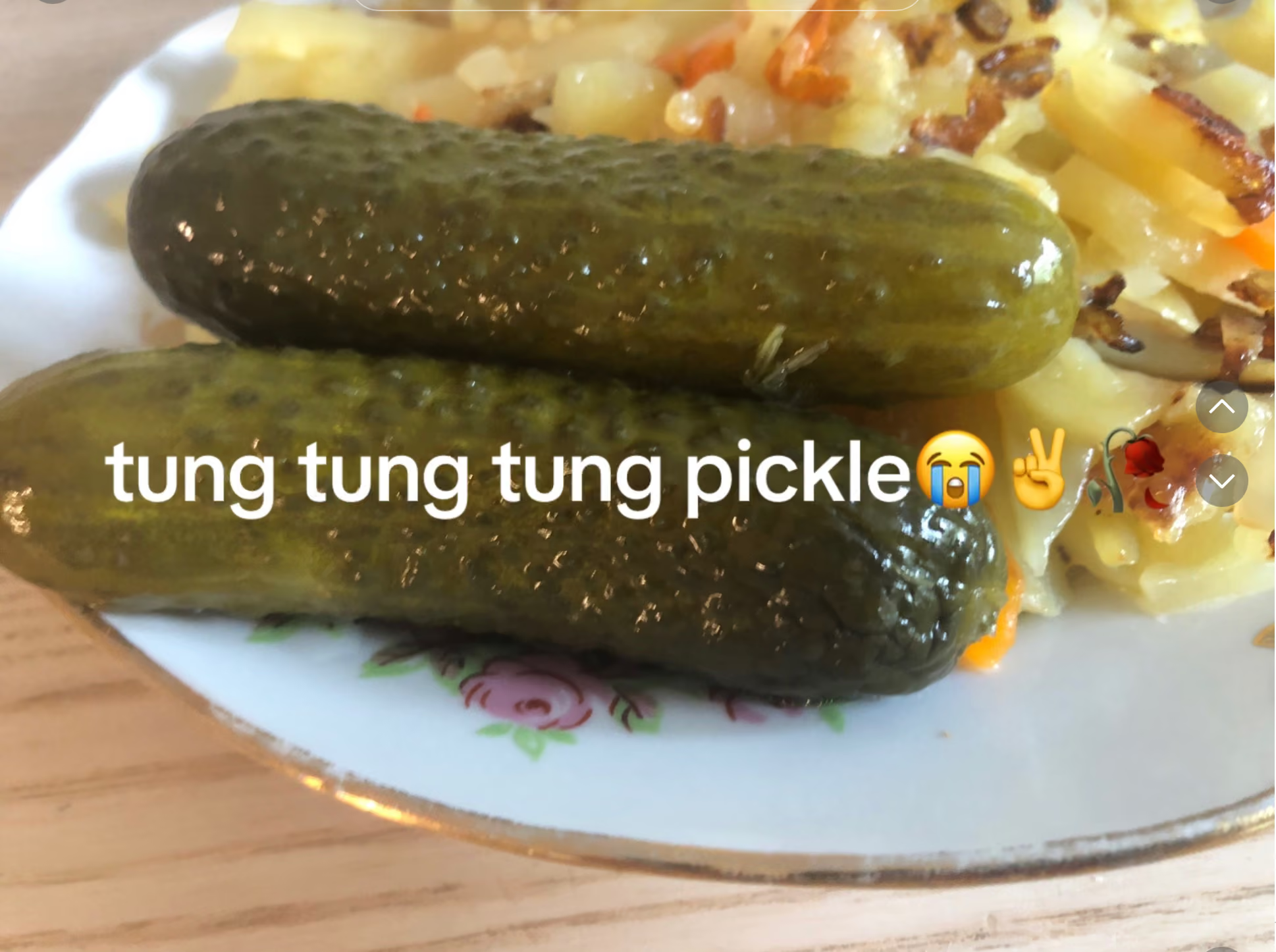
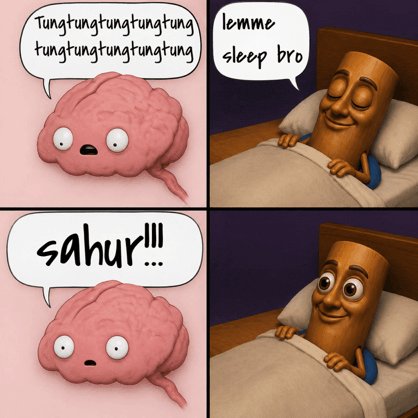
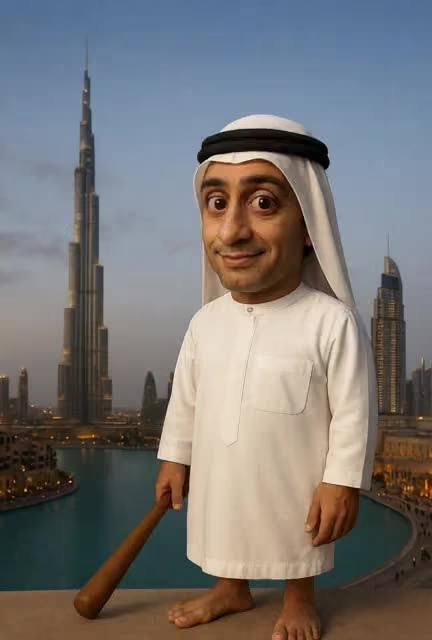
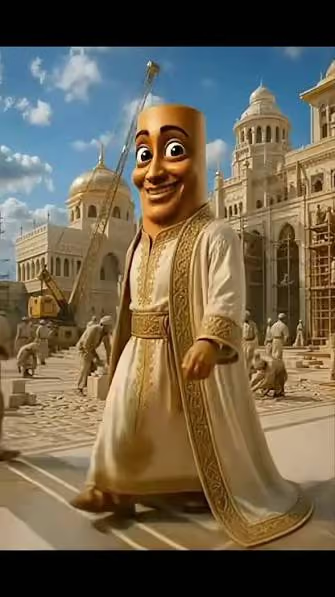
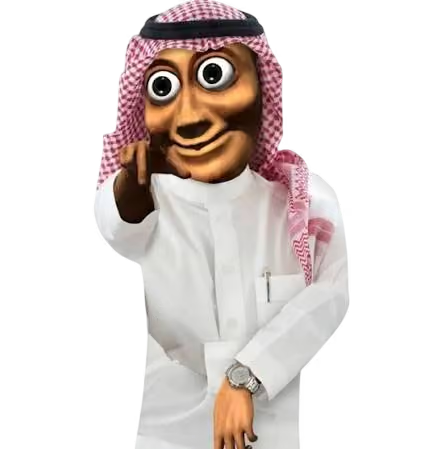
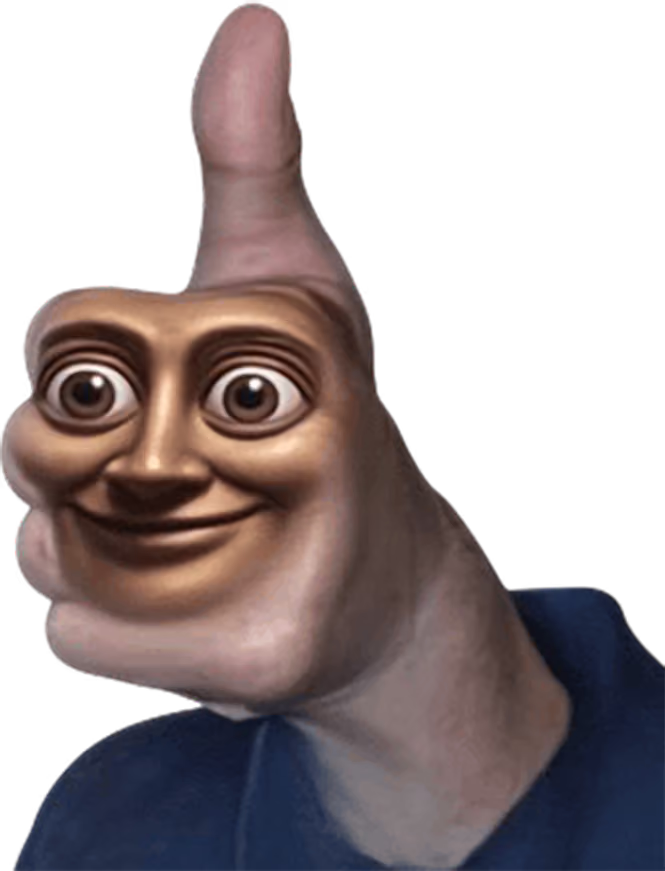 2. While the meme retains clear cultural references, it is not intended to mock Islam. As mentioned, the meme appropriates a theme, strips it of context, and becomes viral. Digital “jokes” like this succeed precisely because they are unexpected, illogical, and utterly absurd.
 So, what exactly is ‘brainrot’? It refers to viral social media content that explains nothing, lacks logical information, and deliberately removes context. It aligns with the dominant style of online humor—repetitive, absurd, and often nonsensical. Visually chaotic, these memes frequently feature sharp, jarring sounds, seemingly made with little effort. A prime example is the “tung, tung, tung sahur” meme, which was generated with AI. The reaction it provokes is immediate and inexplicable laughter, an almost automatic response, a subconscious stimulus that travels through the brain as we endlessly consume social media content. 1. To understand memes, we need to define what they are. Essentially, they are cultural content massively spread through social media, which evolves into repetitive, decontextualized trends centered on humor. This is where the psychological concept of ‘brainrot’ comes in a term that literally means “rotten brain”. Like many digital phenomena, it carries a double meaning. Understanding brainrot helps explain why the “tung, tung, tung sahur” meme became so popular.
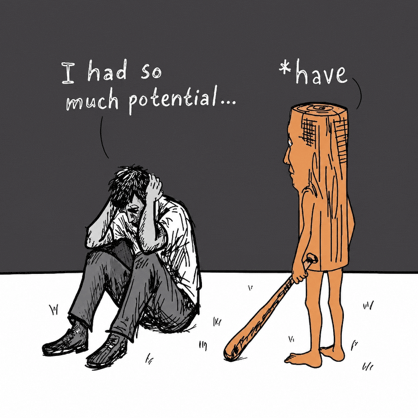
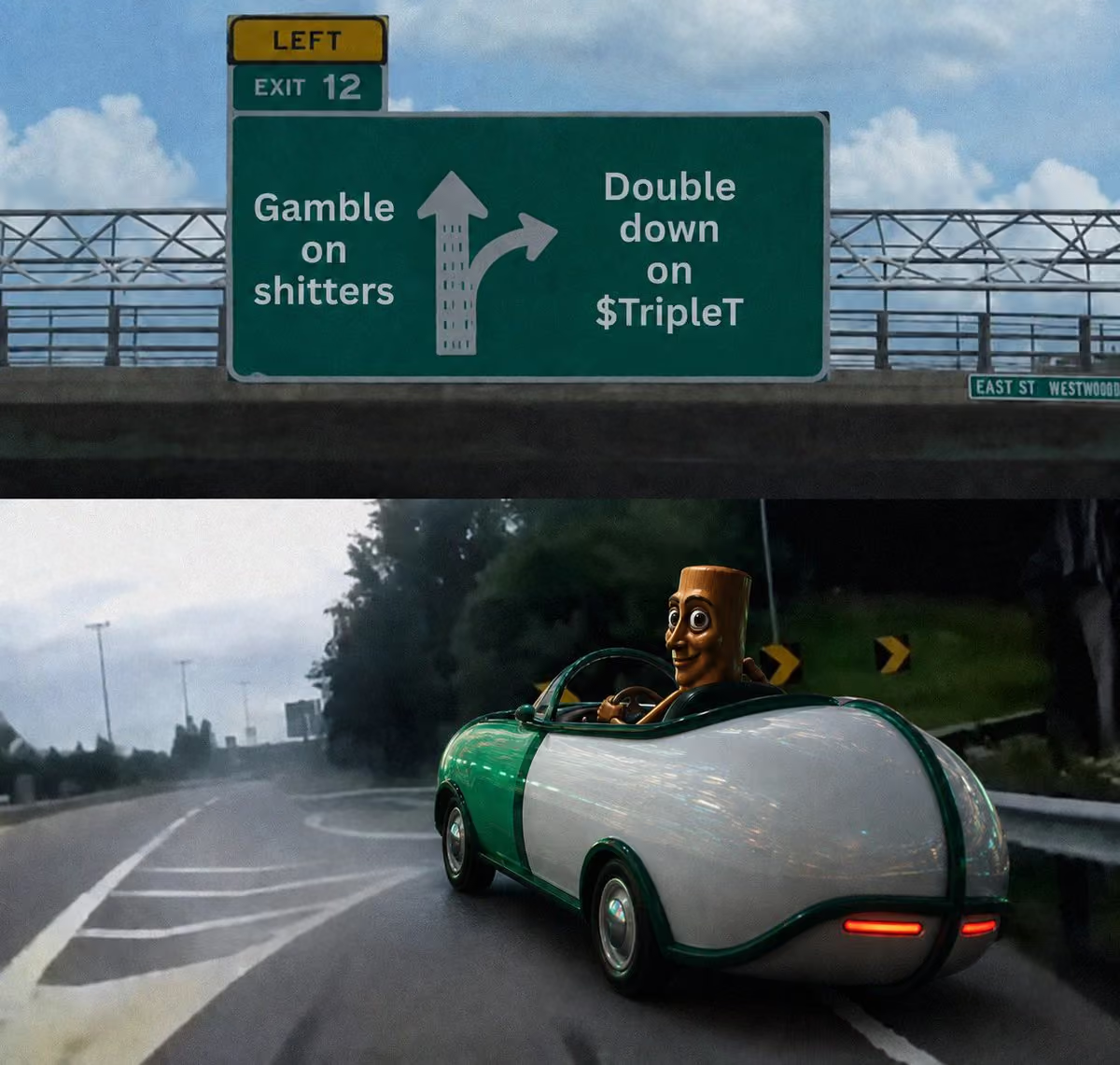
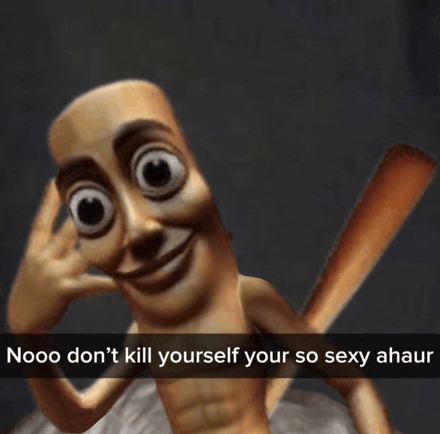

6. Mythology

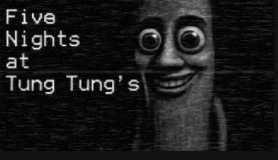
Original character mythology
The call
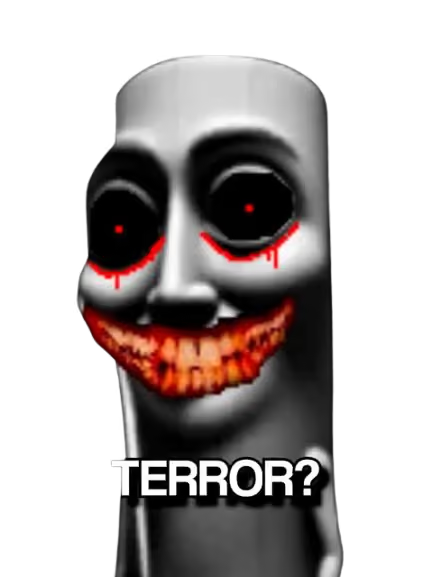
Tung Tung is associated with the call to wake up for sahur.
The rule of three
The person is called three times. The repetition gives the story the rhythm of a warning, spell or ritual.
The visit
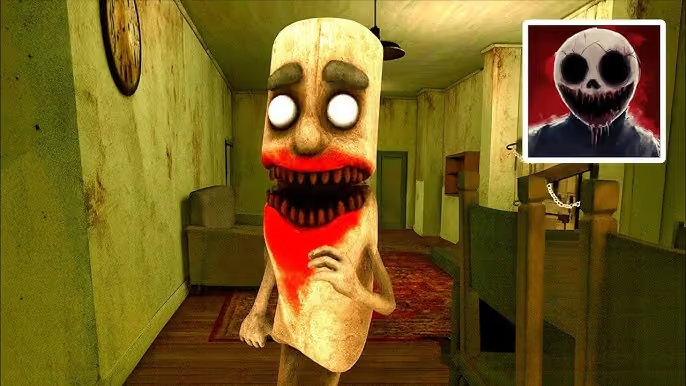
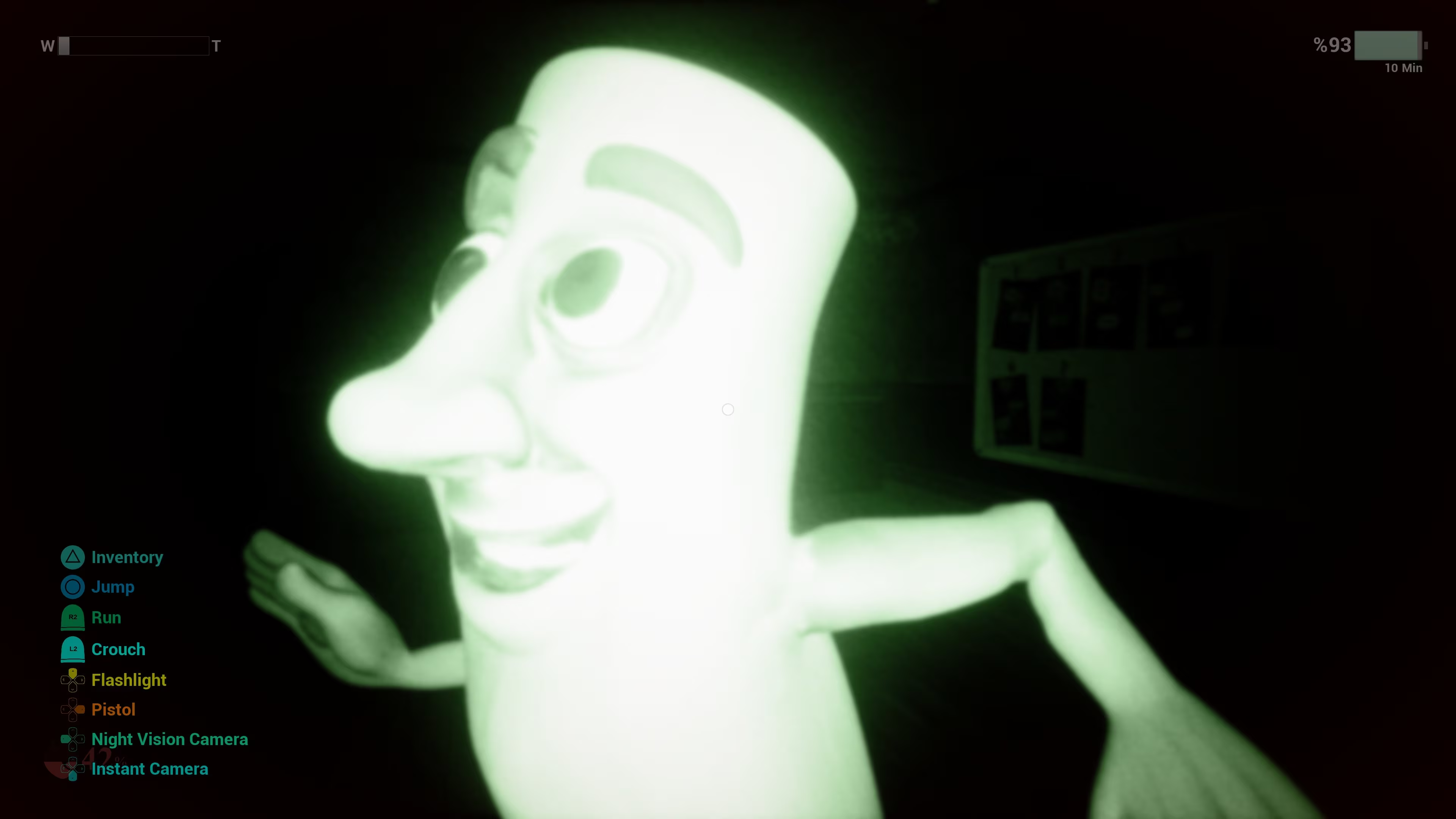
When the call is repeatedly ignored, Tung Tung may come to the person’s home.
The night
The character belongs to the unstable period between night and dawn, when most people are asleep but the community is beginning to wake.
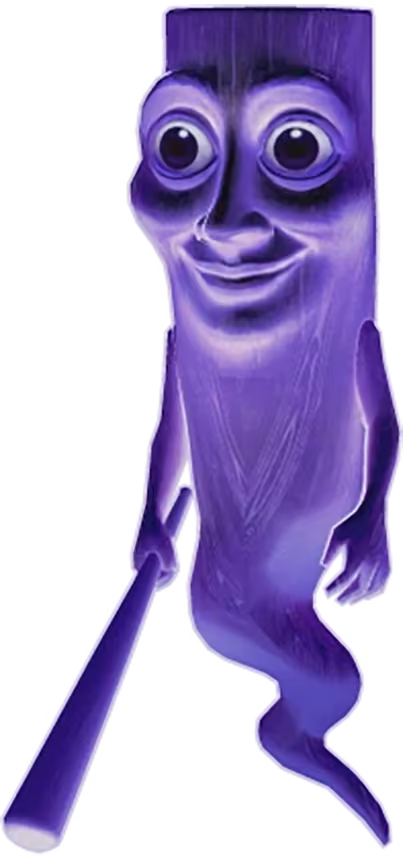
The bat
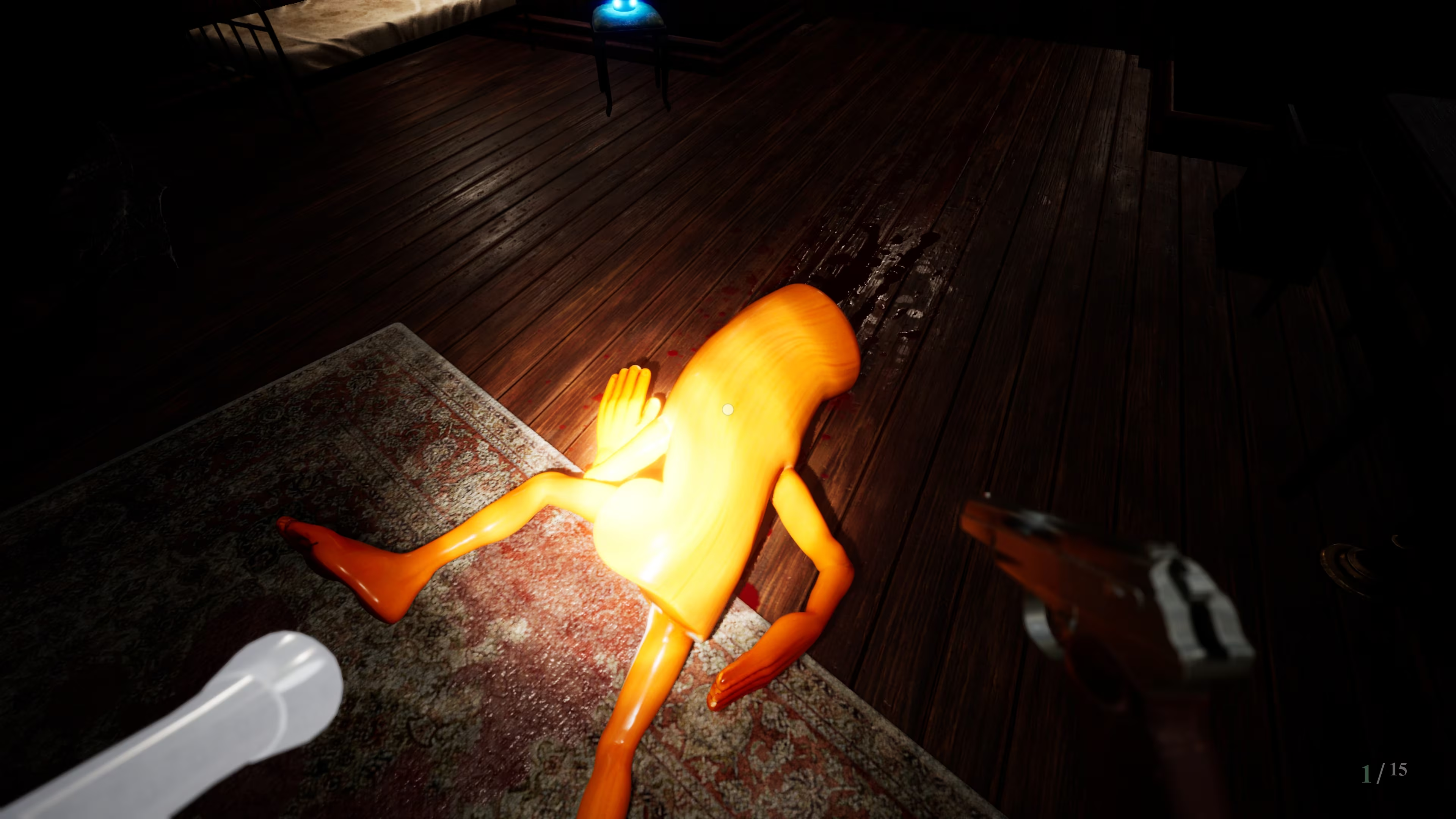
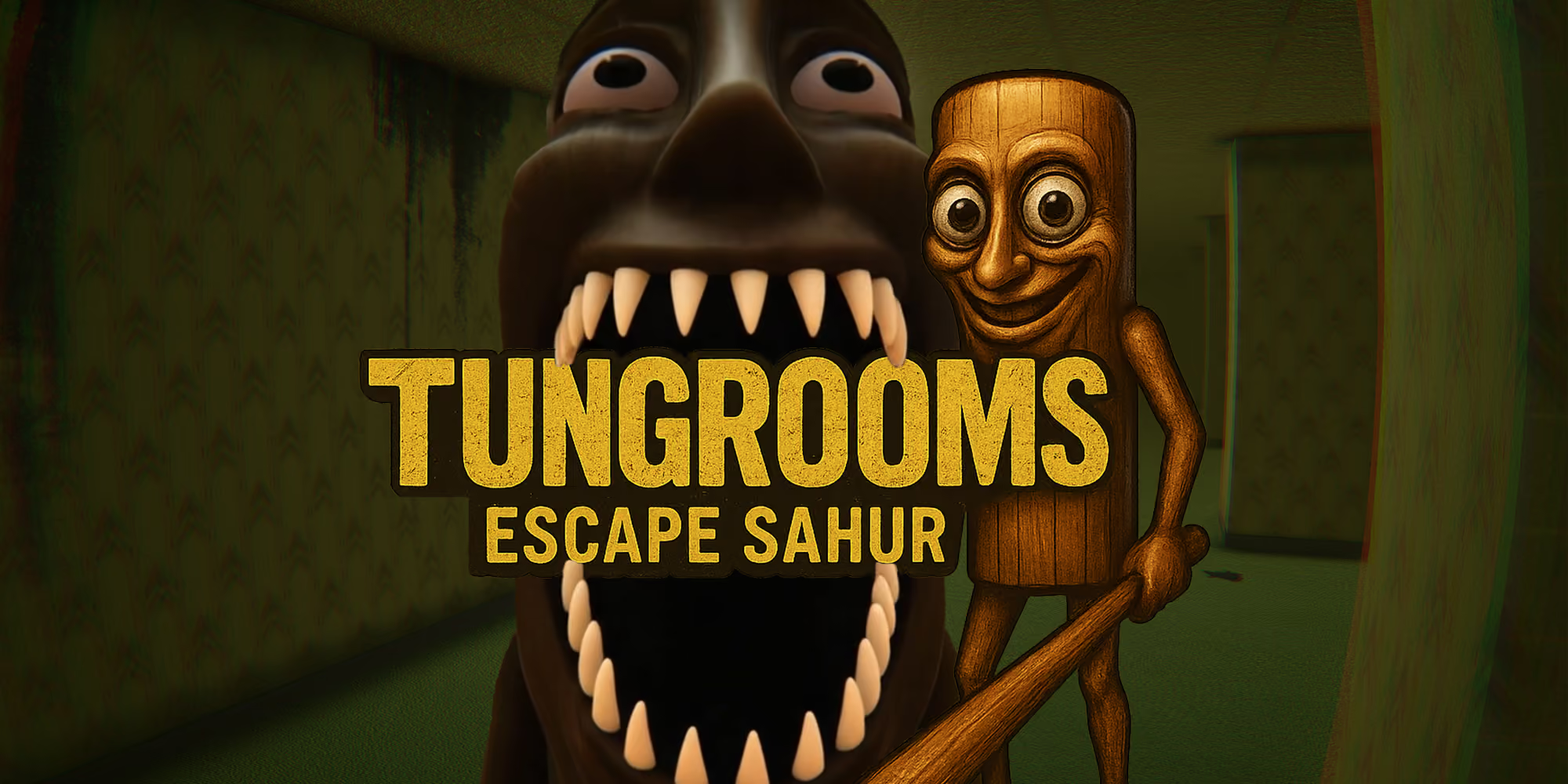
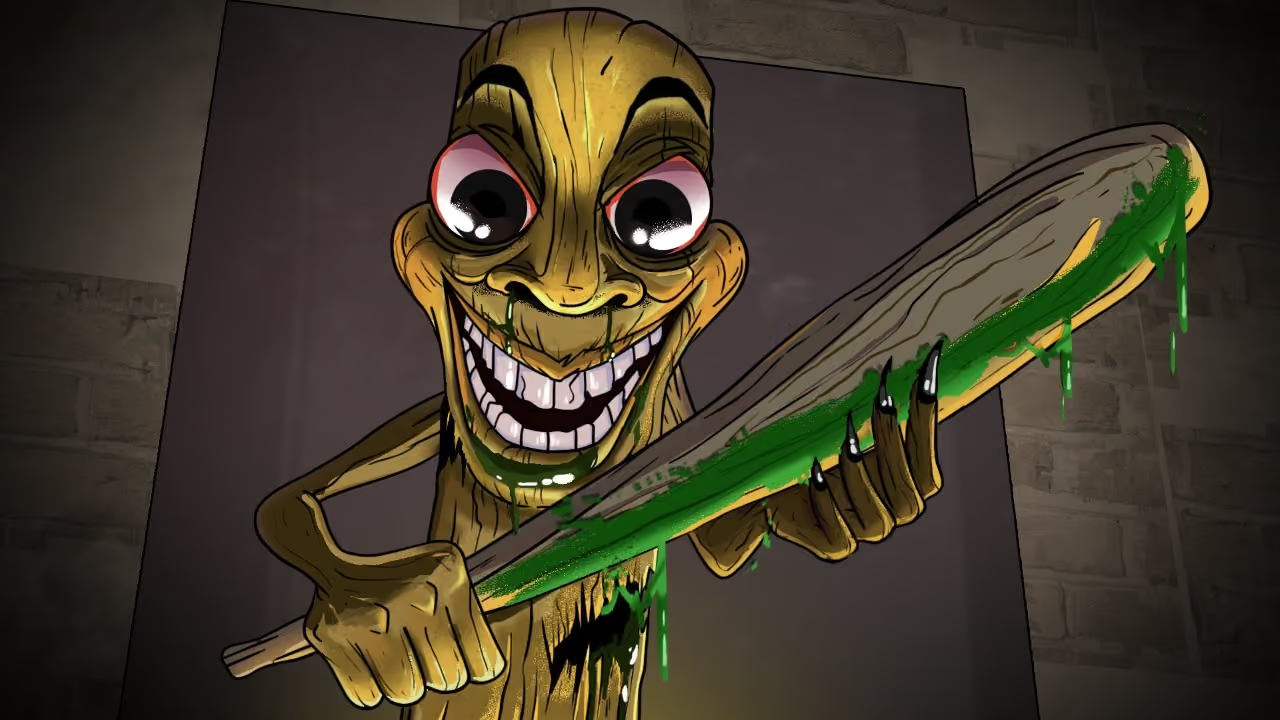
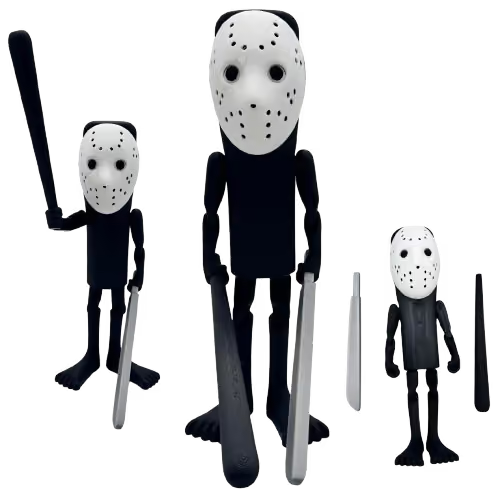
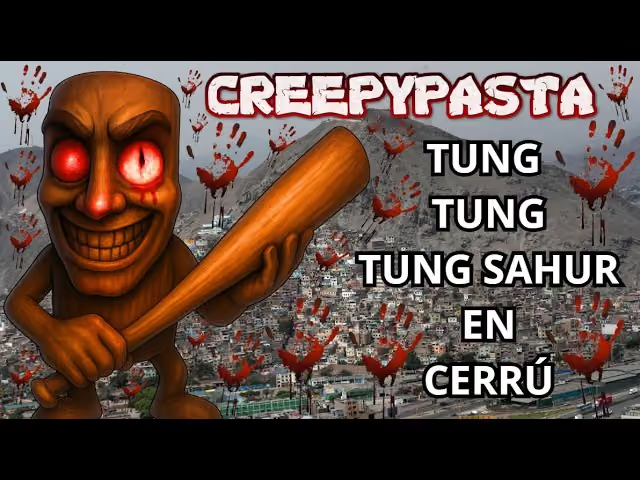
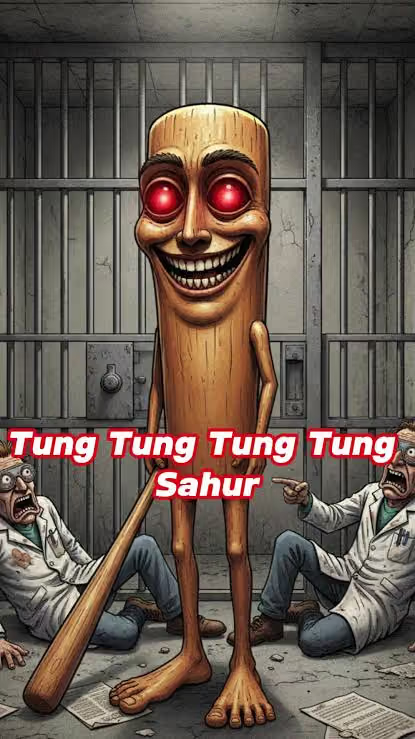
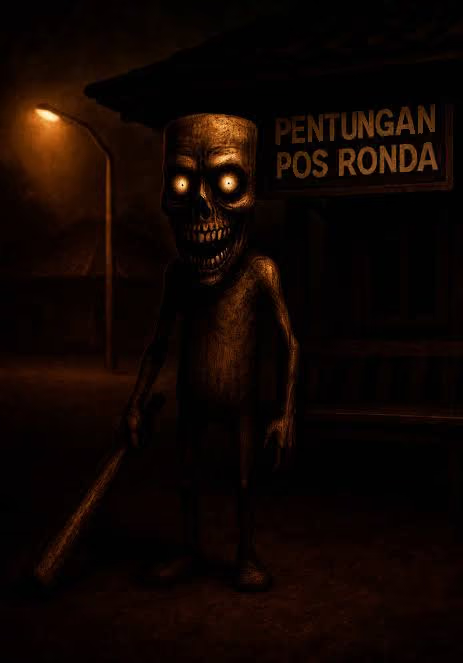
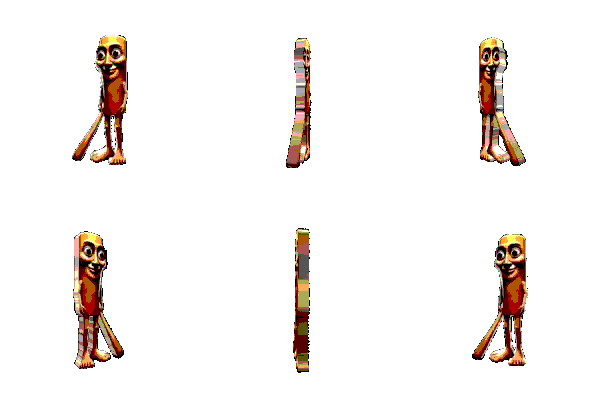
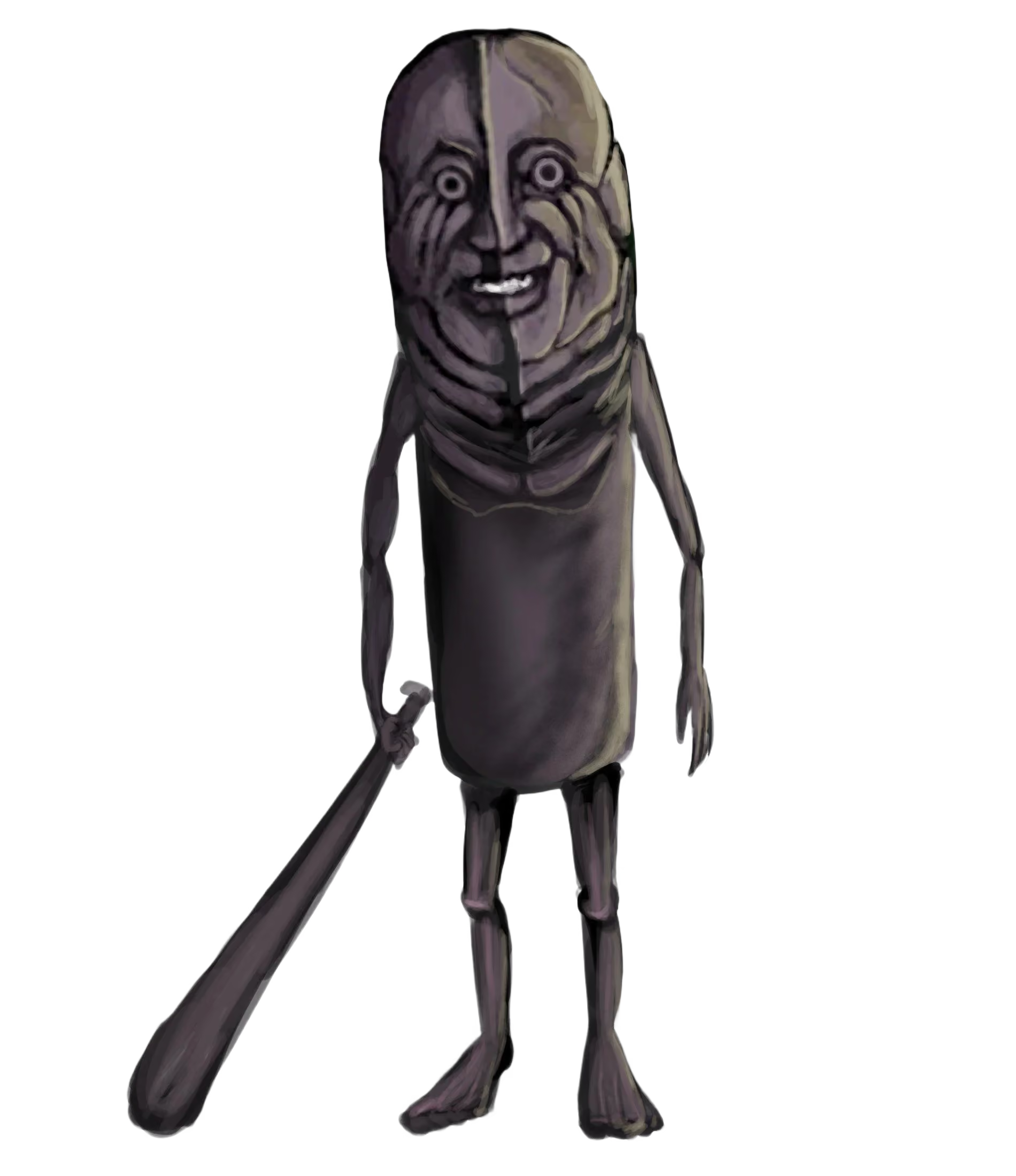
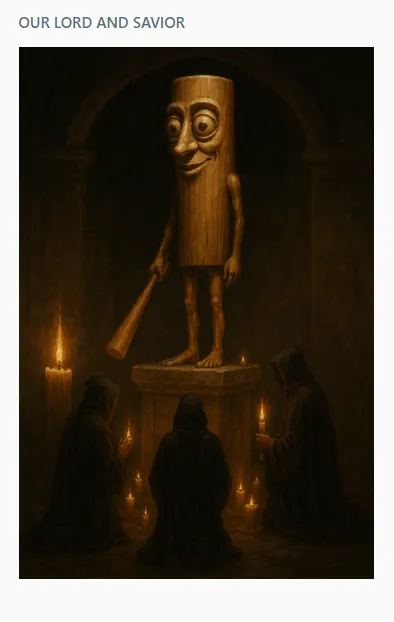
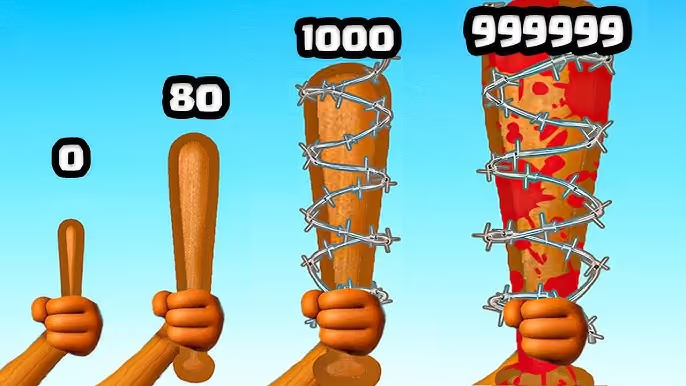
The bat establishes Tung Tung as both a sound-producing figure and a potential threat. It is a tool, an emblem and a weapon.
The anomaly
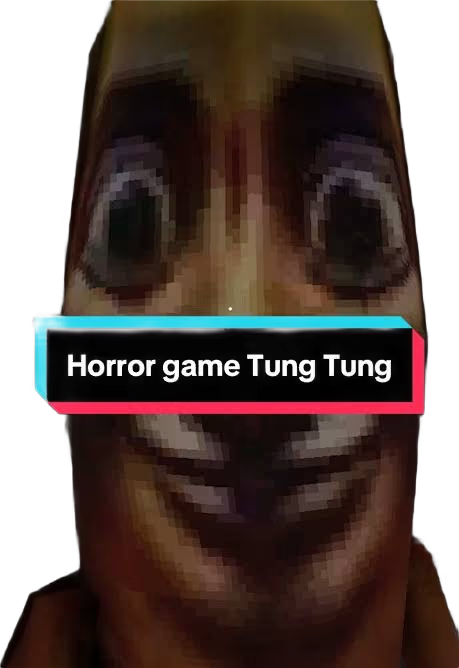
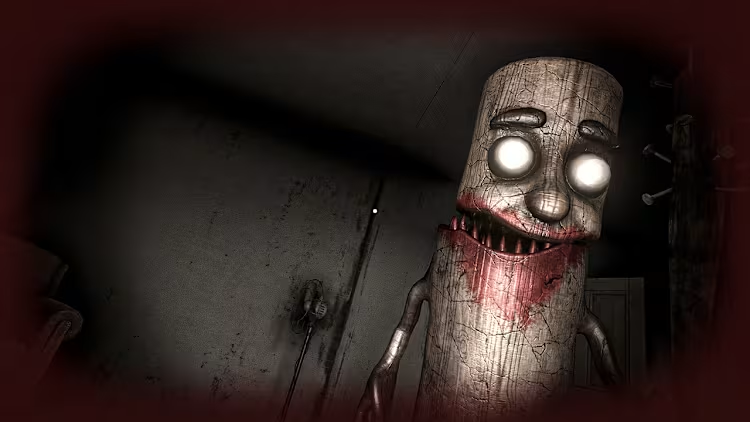
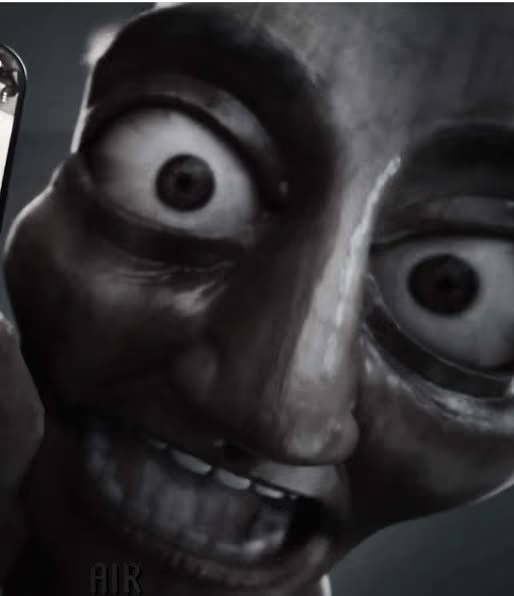
The original narration does not completely explain what Tung Tung is. Like many successful supernatural stories, it defines the rule surrounding the entity without resolving its entire origin.This absence of explanation left room for audiences to imagine what happens when Tung Tung arrives.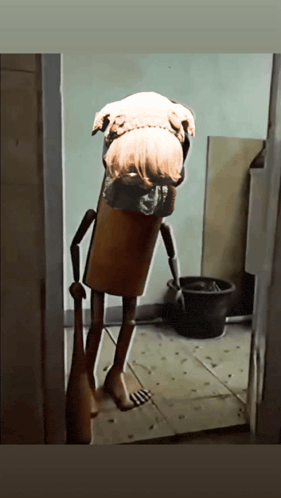
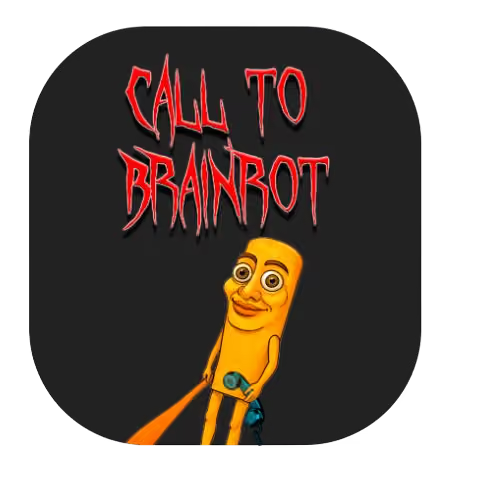
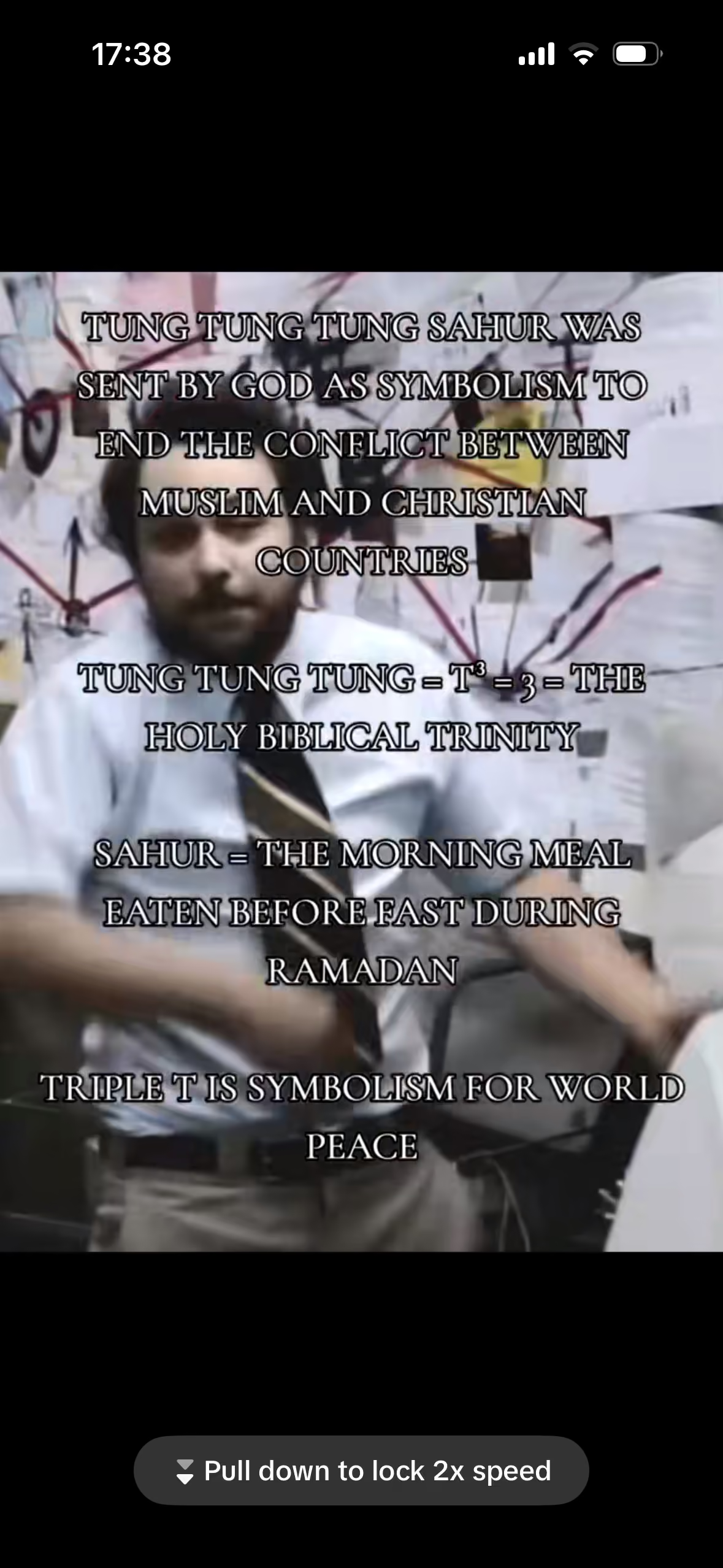
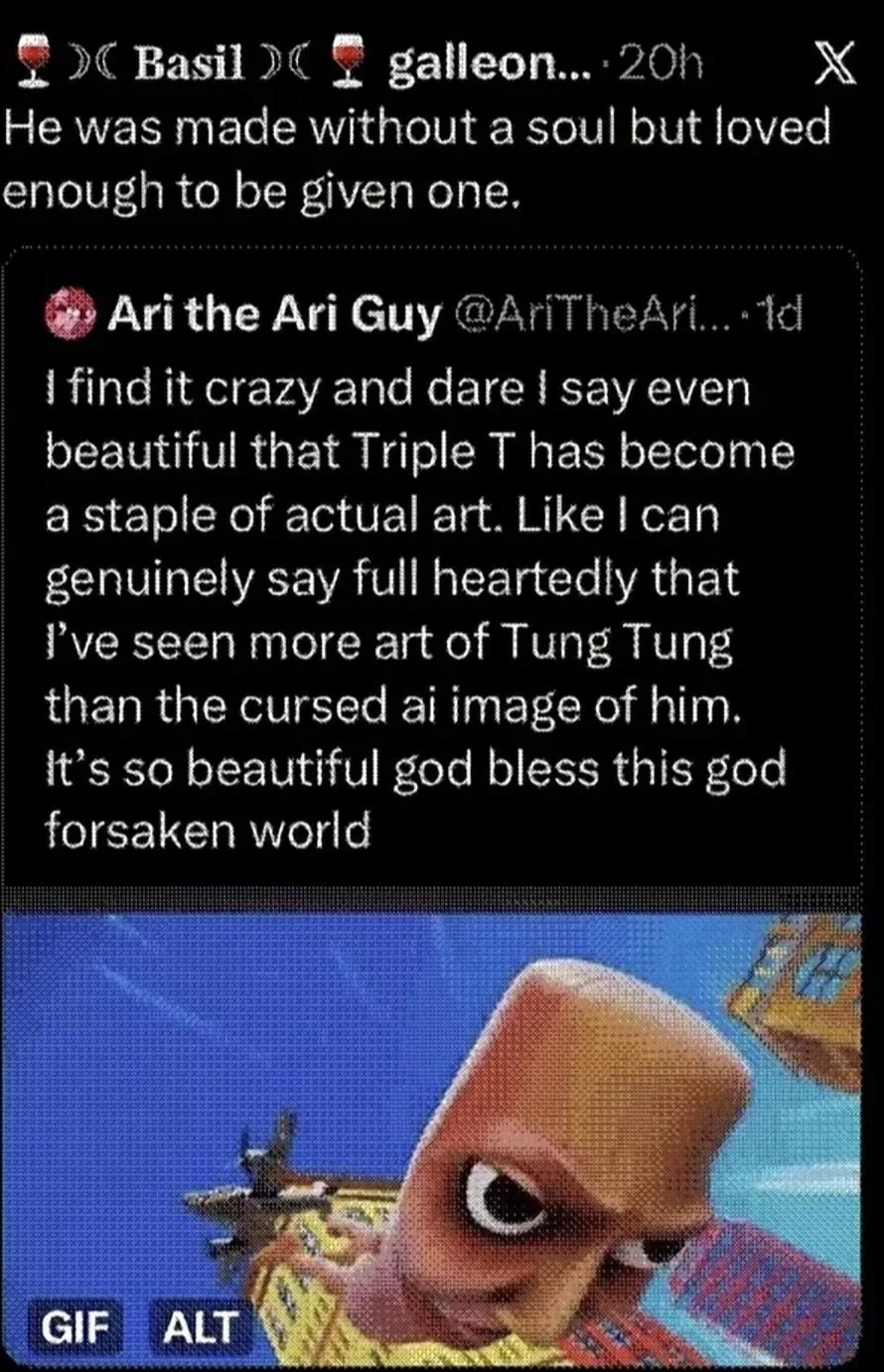
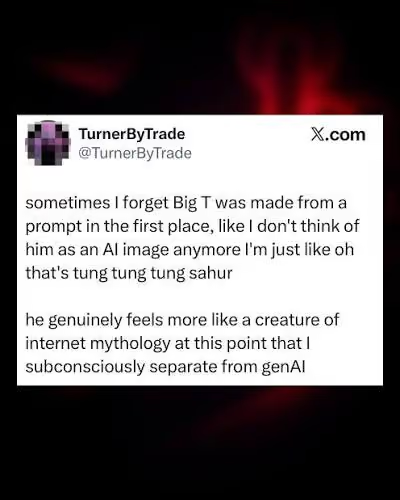
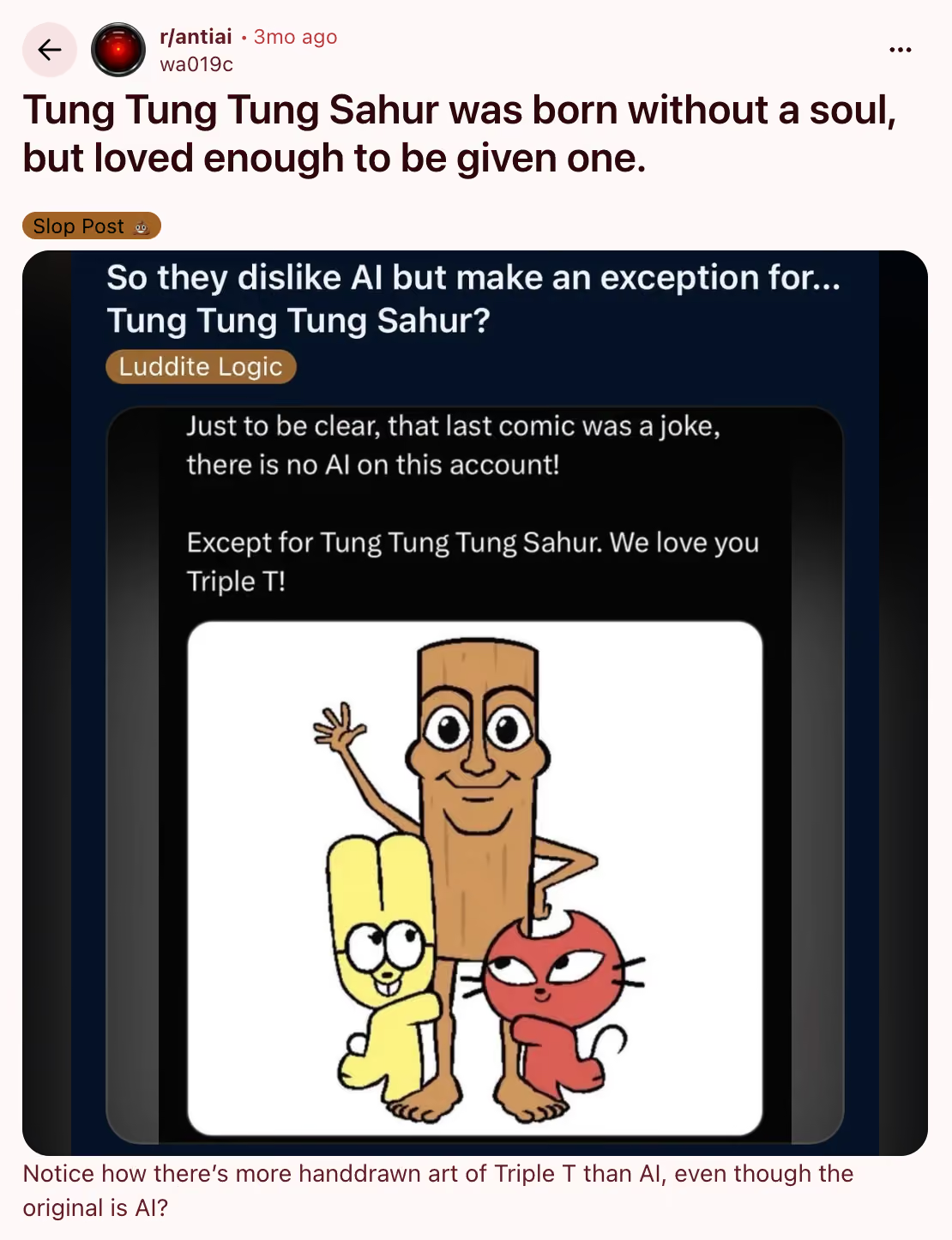
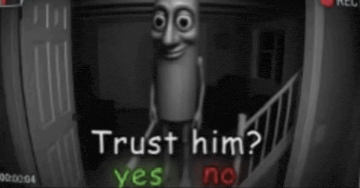 Tung Tung Tung Sahur is born at the intersection between Indonesian-Muslim sacred traditions and algorithmic folklore. Its circulation in the form of nonsensical, AI-generated memes has deterritorialized the character’s cultural background, paradoxically enhancing its exotic attractiveness in digital spaces.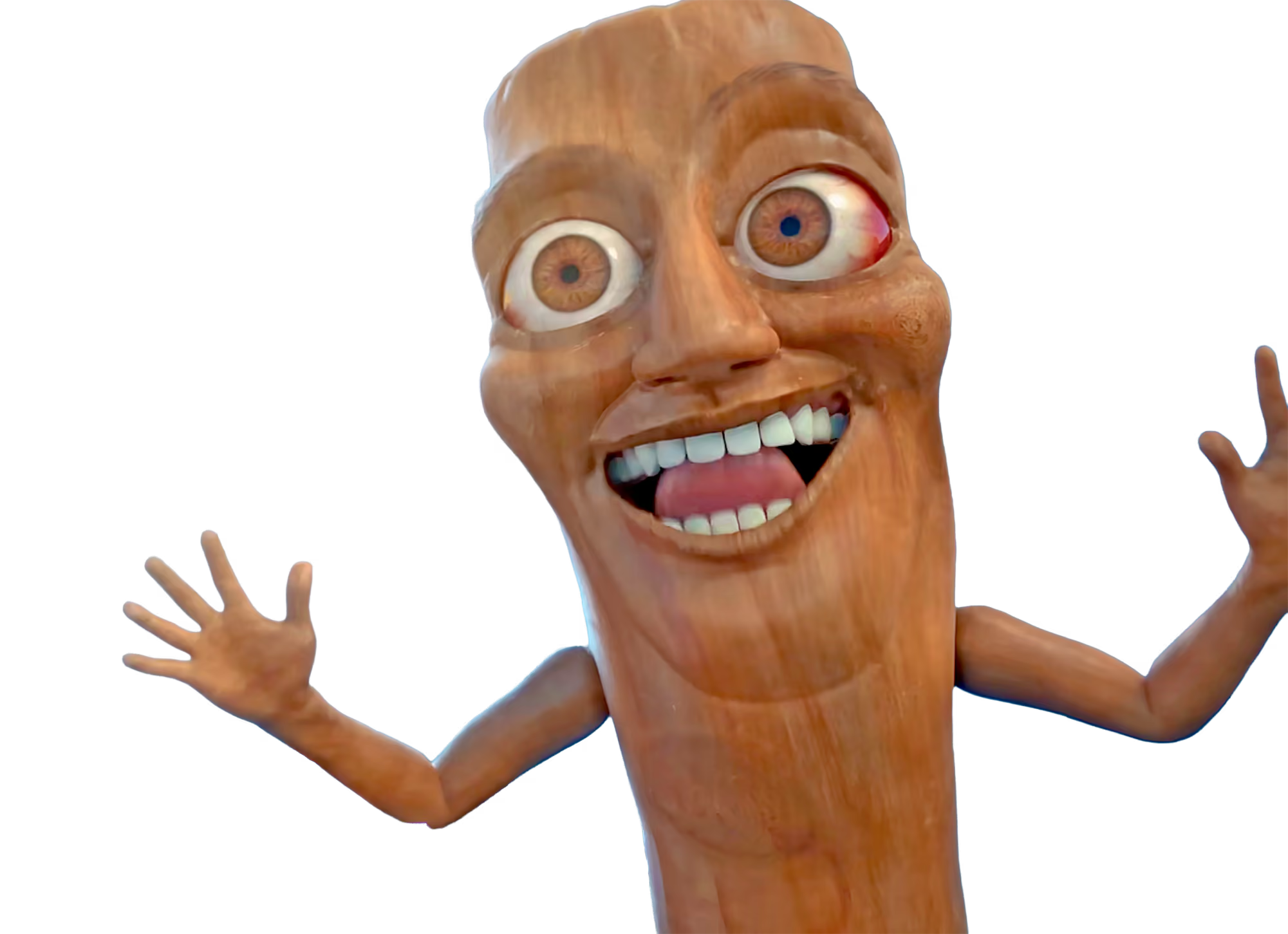
The call
Tung Tung is associated with the call to wake up for sahur.
The rule of three
The person is called three times. The repetition gives the story the rhythm of a warning, spell or ritual.
The visit
When the call is repeatedly ignored, Tung Tung may come to the person’s home.
The night
The character belongs to the unstable period between night and dawn, when most people are asleep but the community is beginning to wake.
The bat
The bat establishes Tung Tung as both a sound-producing figure and a potential threat. It is a tool, an emblem and a weapon.
The anomaly
The original narration does not completely explain what Tung Tung is. Like many successful supernatural stories, it defines the rule surrounding the entity without resolving its entire origin.This absence of explanation left room for audiences to imagine what happens when Tung Tung arrives.
Tung Tung Tung Sahur is born at the intersection between Indonesian-Muslim sacred traditions and algorithmic folklore. Its circulation in the form of nonsensical, AI-generated memes has deterritorialized the character’s cultural background, paradoxically enhancing its exotic attractiveness in digital spaces.



7. Performances
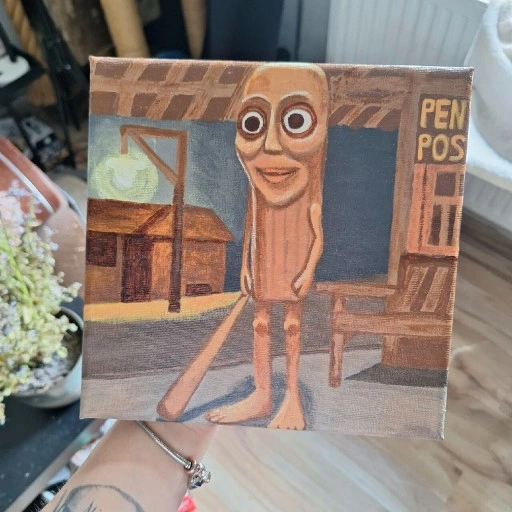
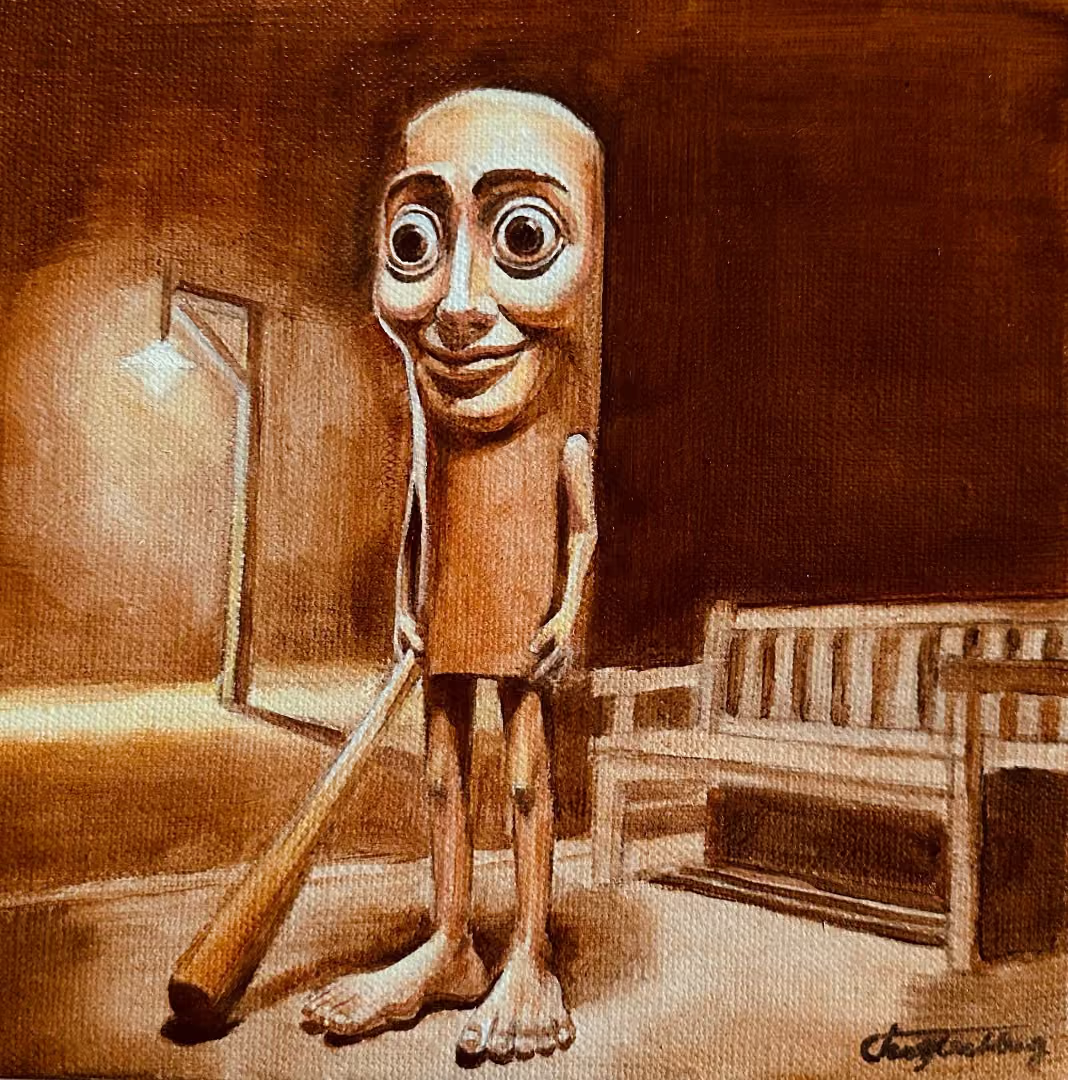
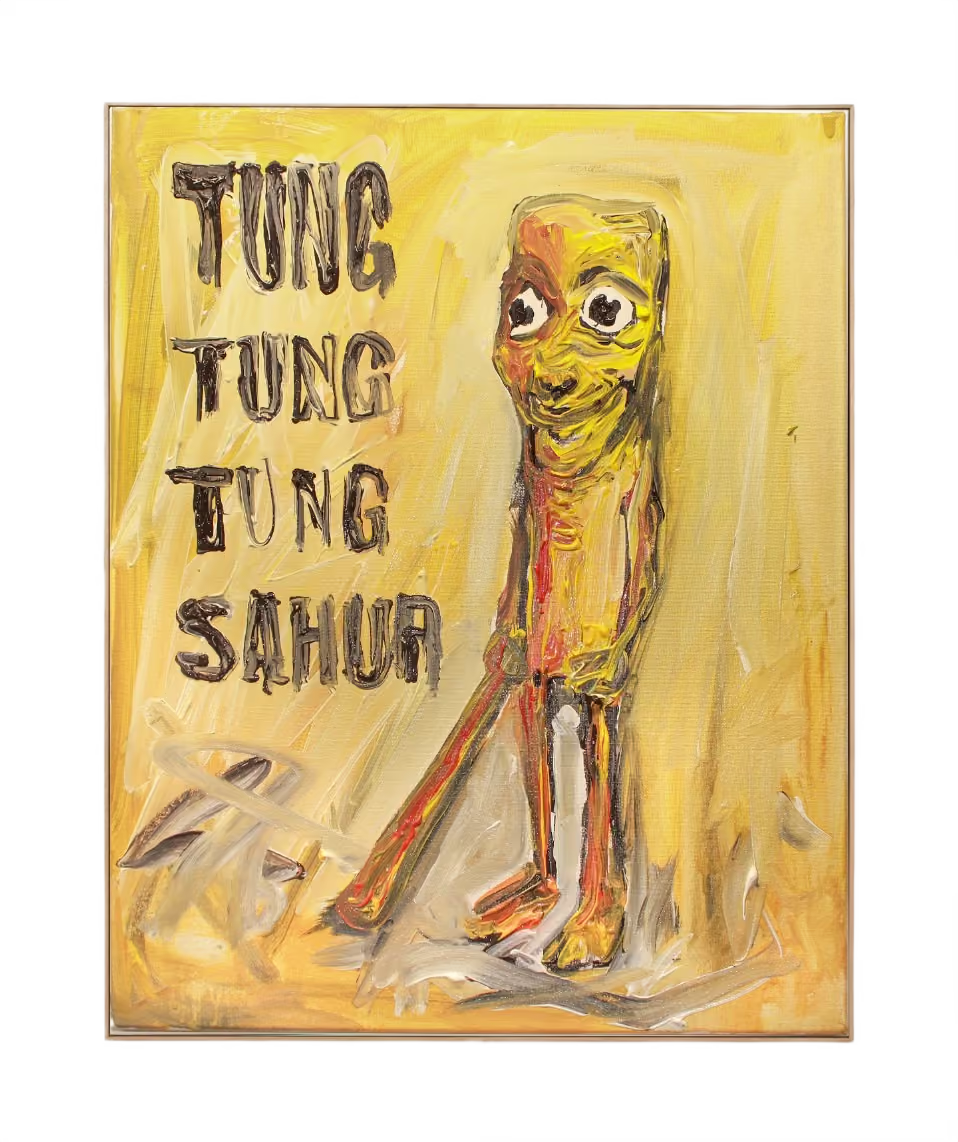
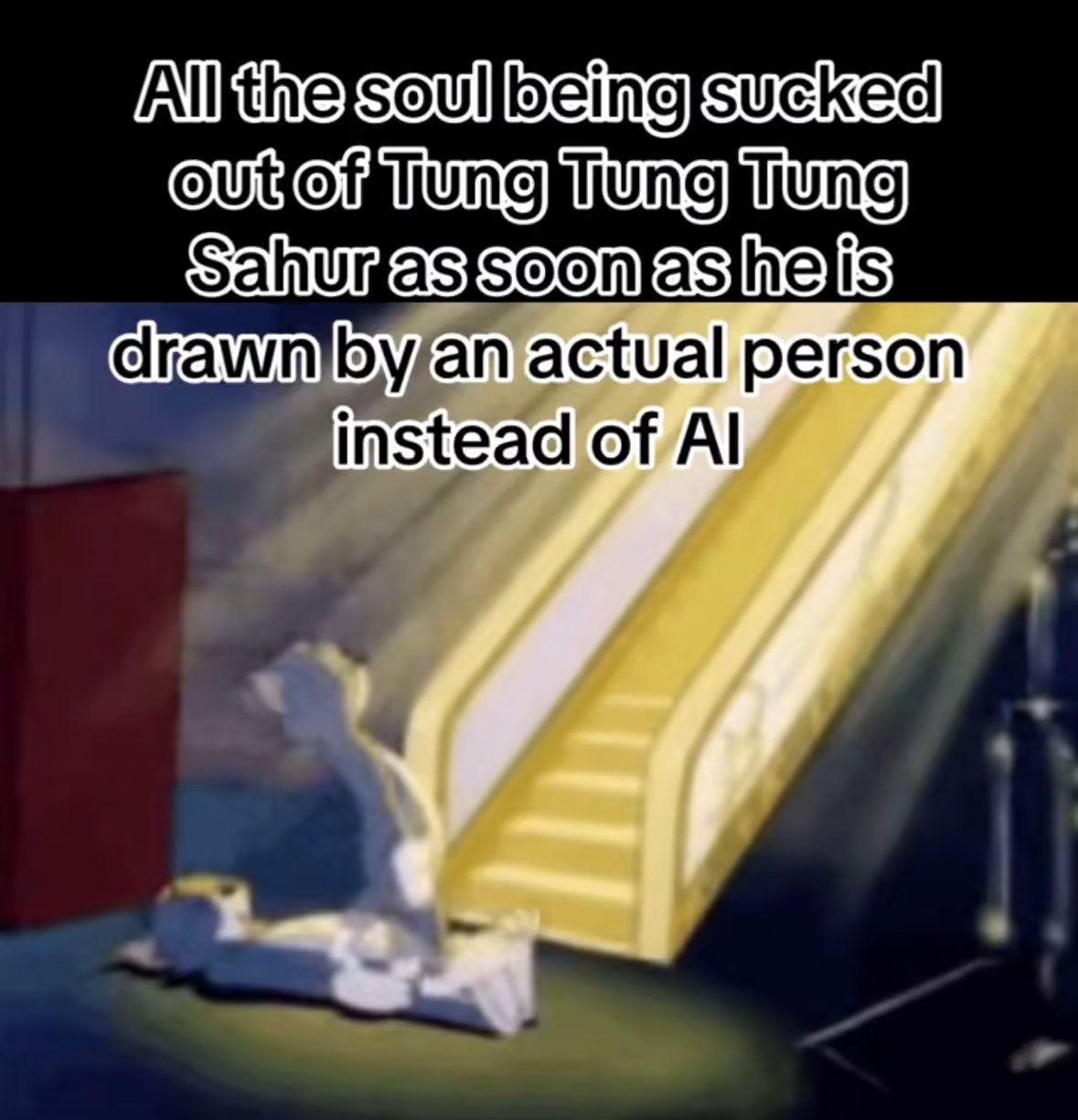
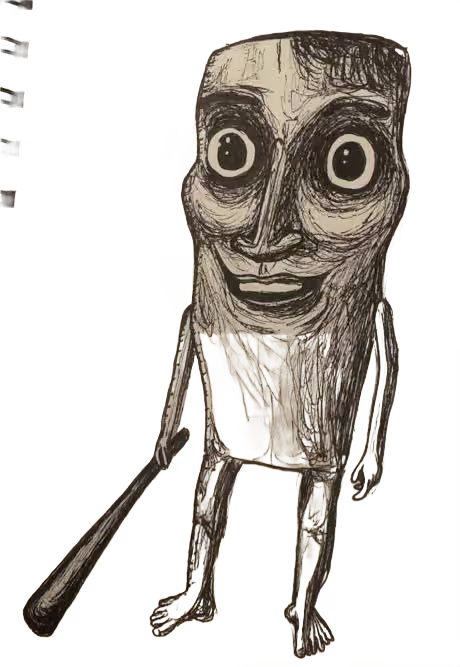
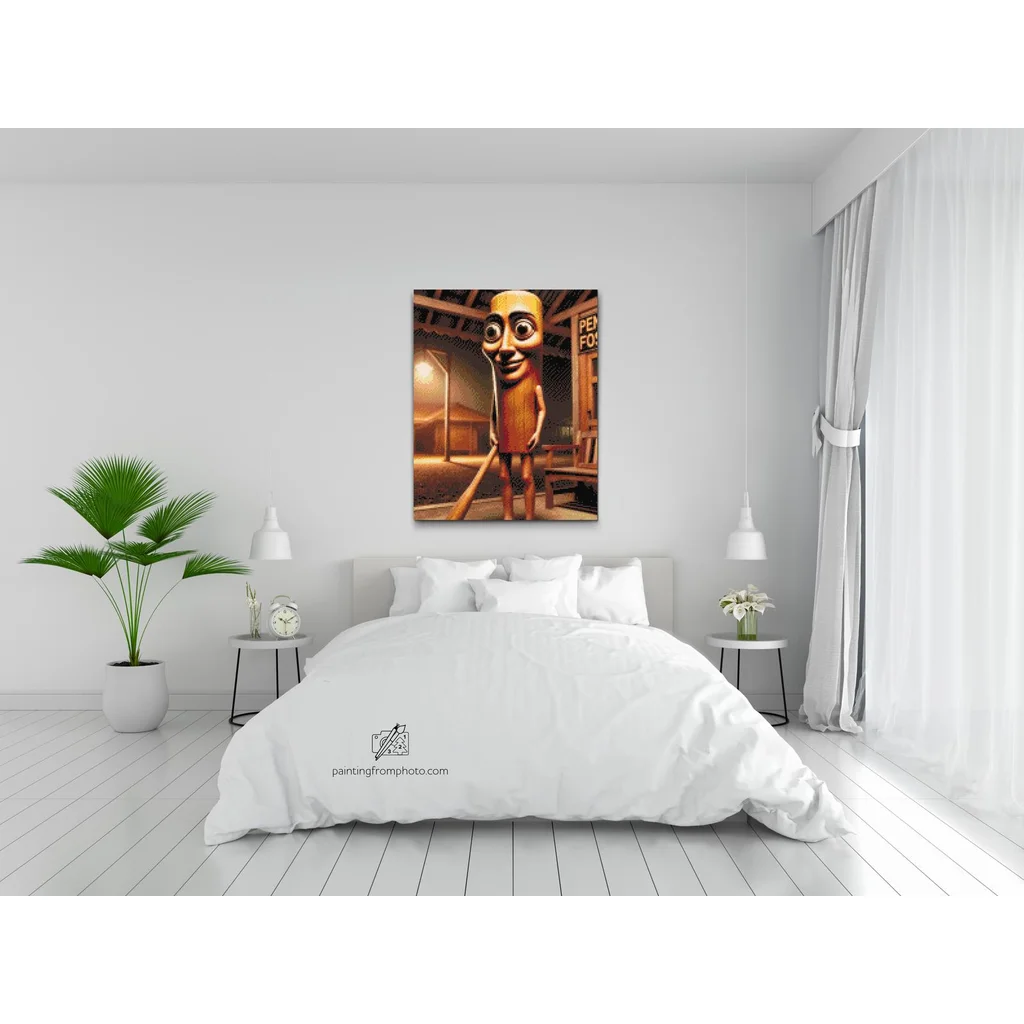
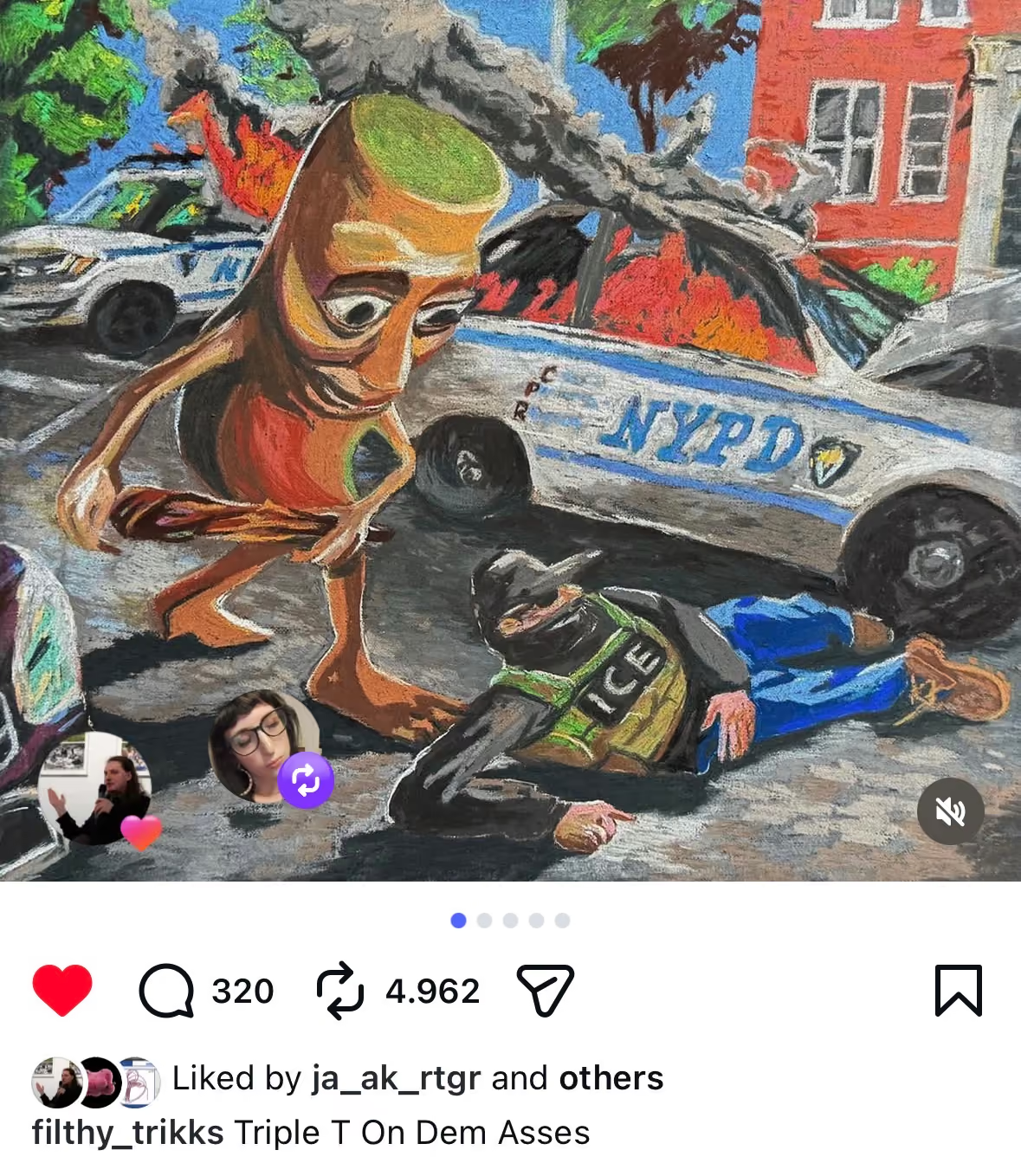
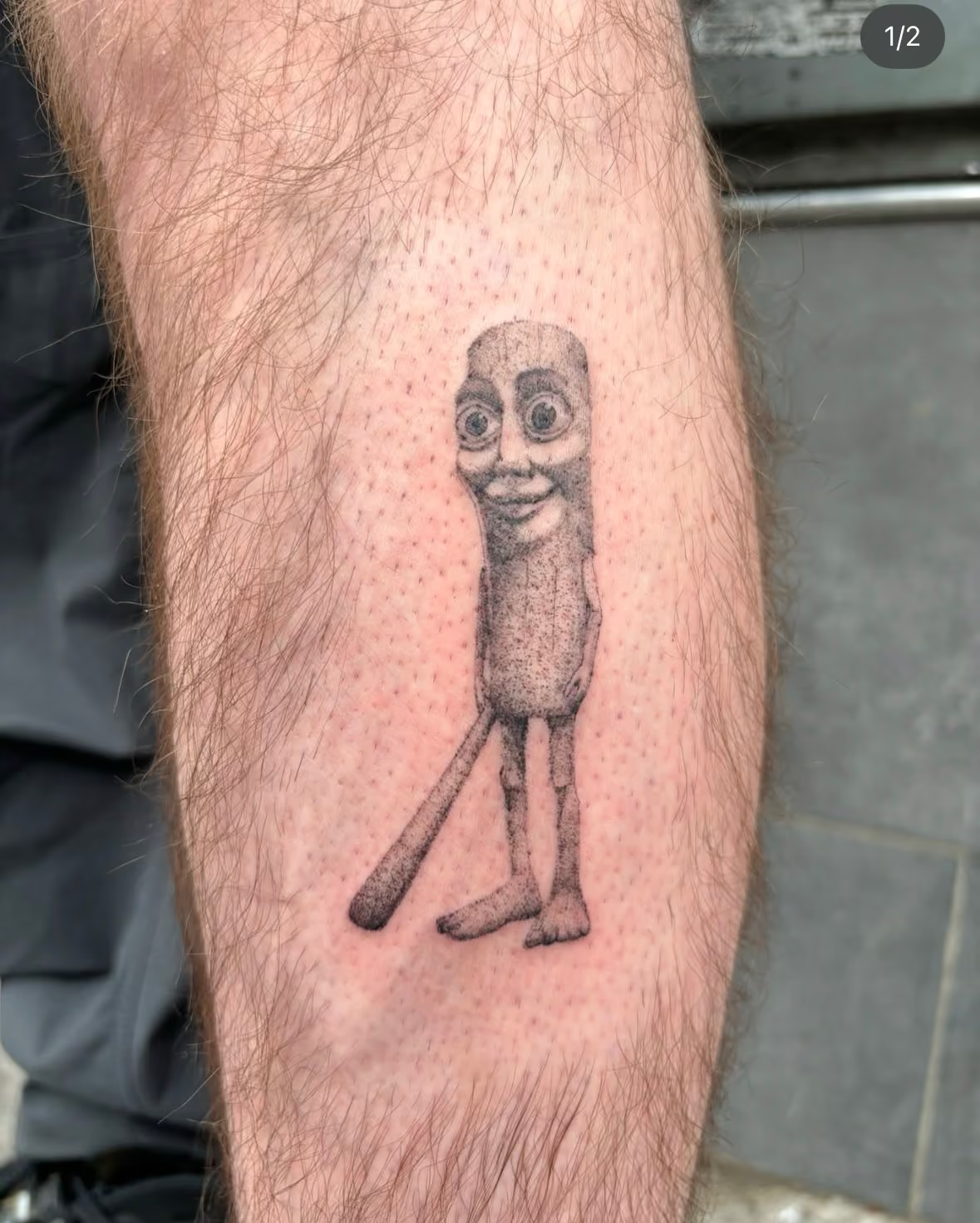
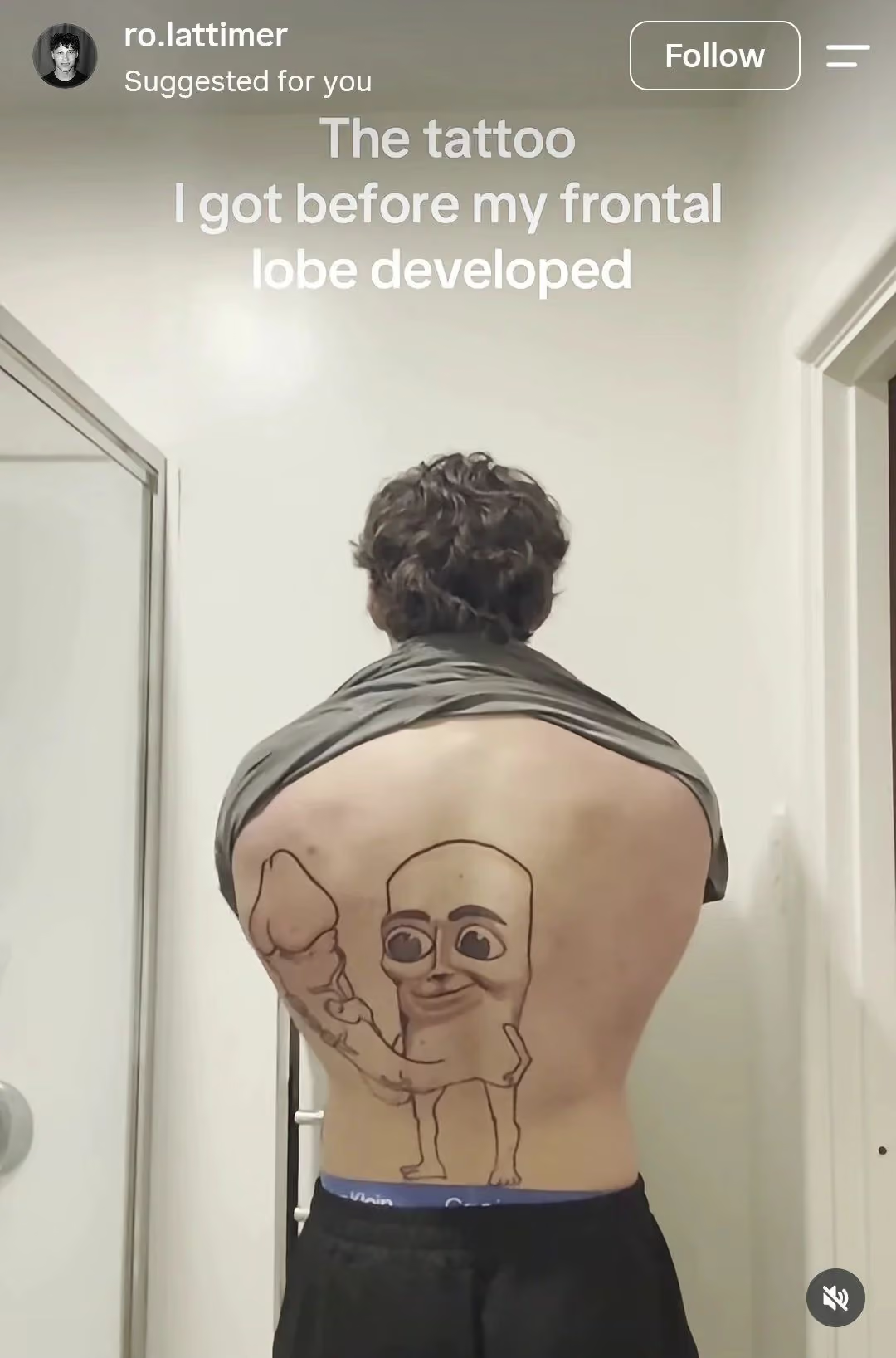
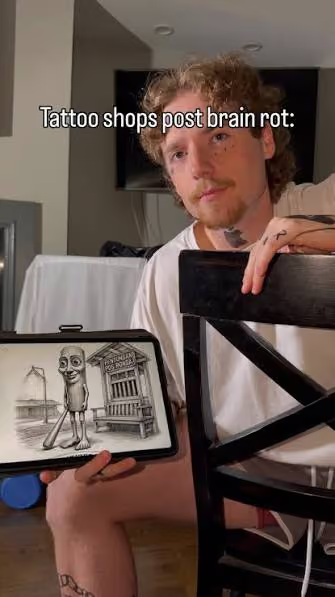
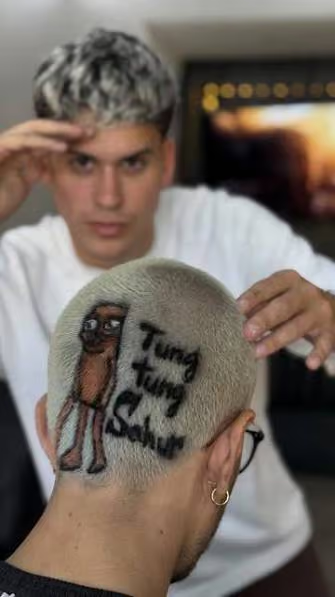
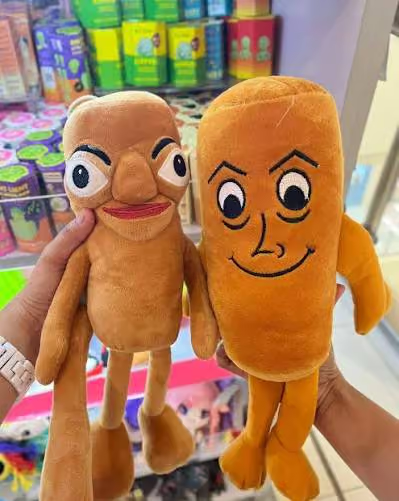
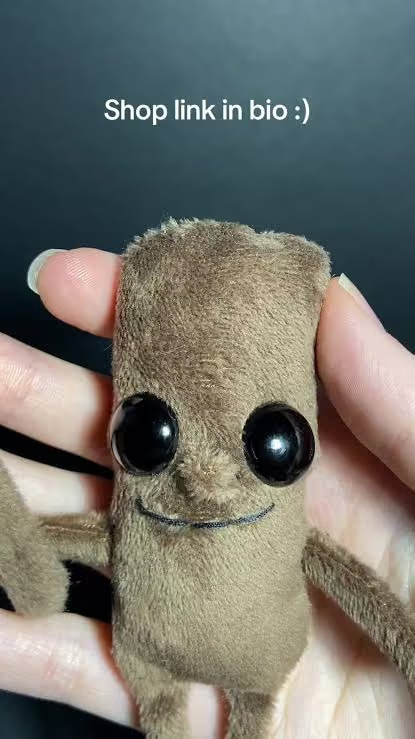
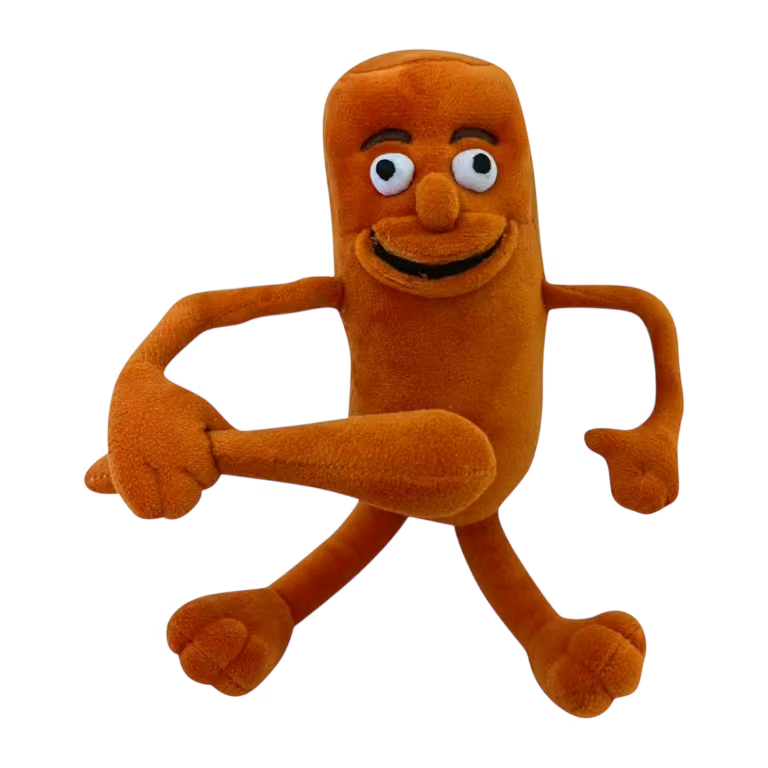
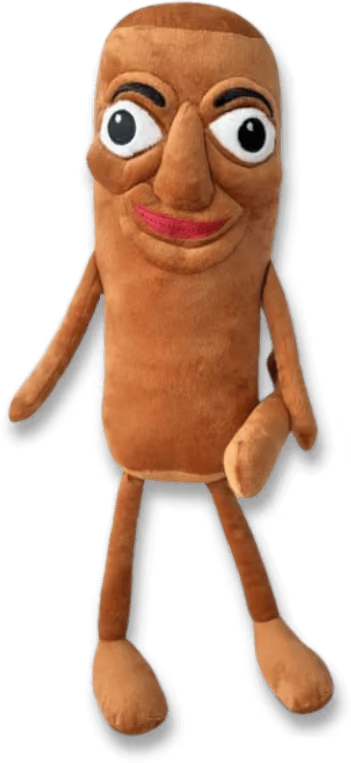
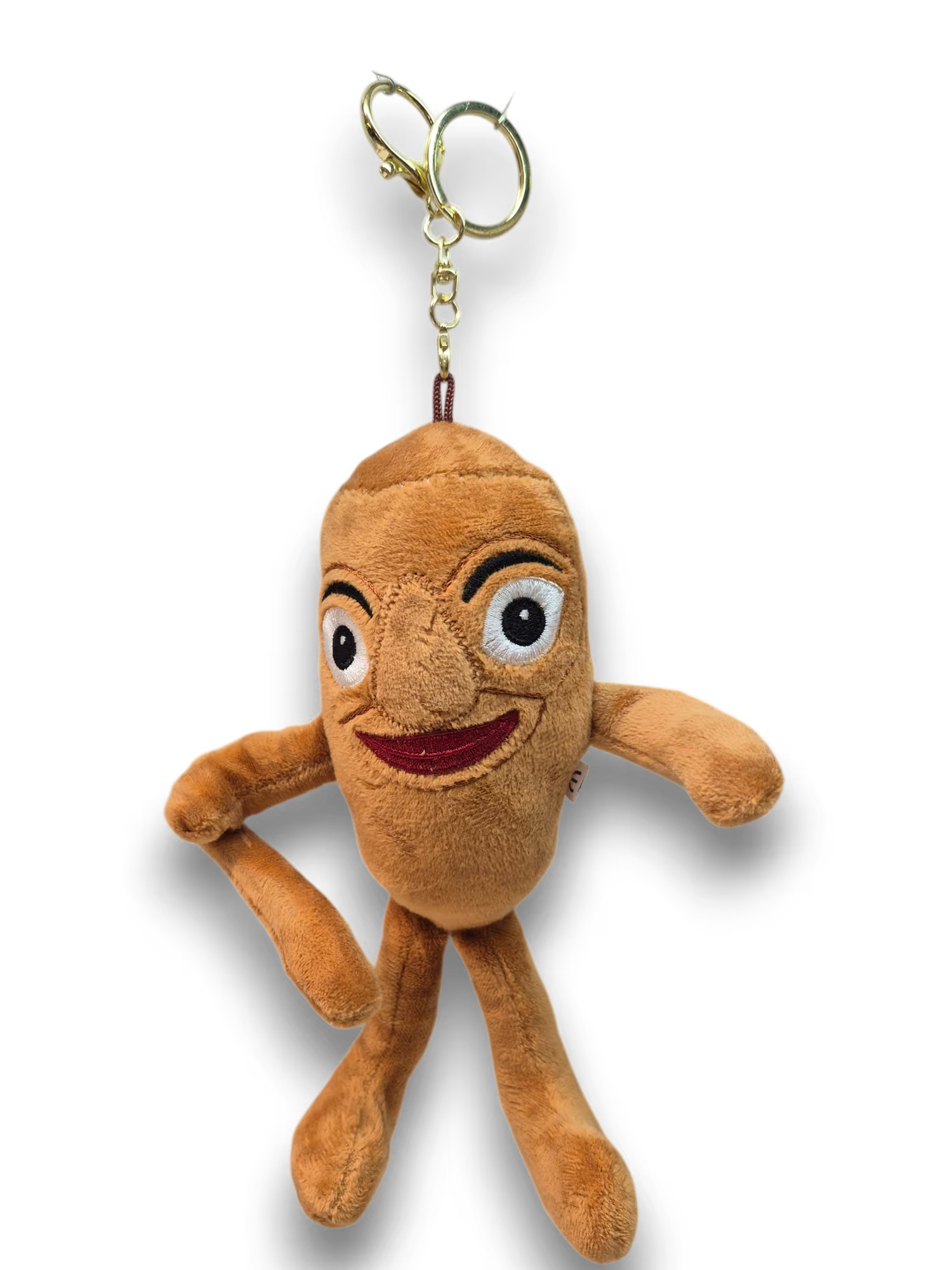
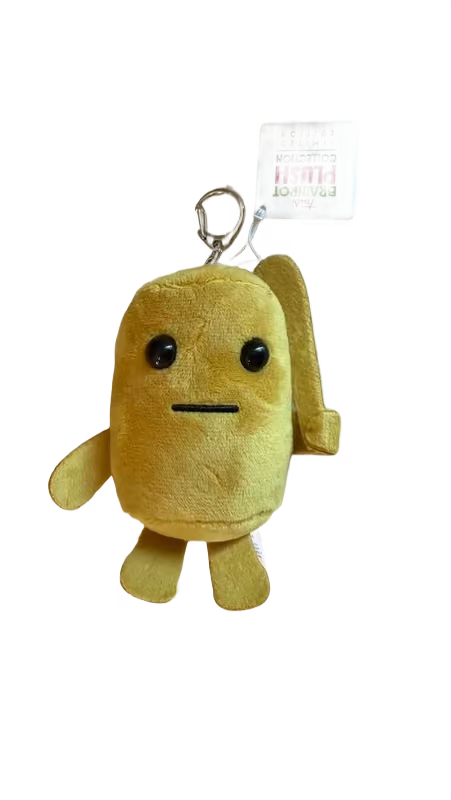
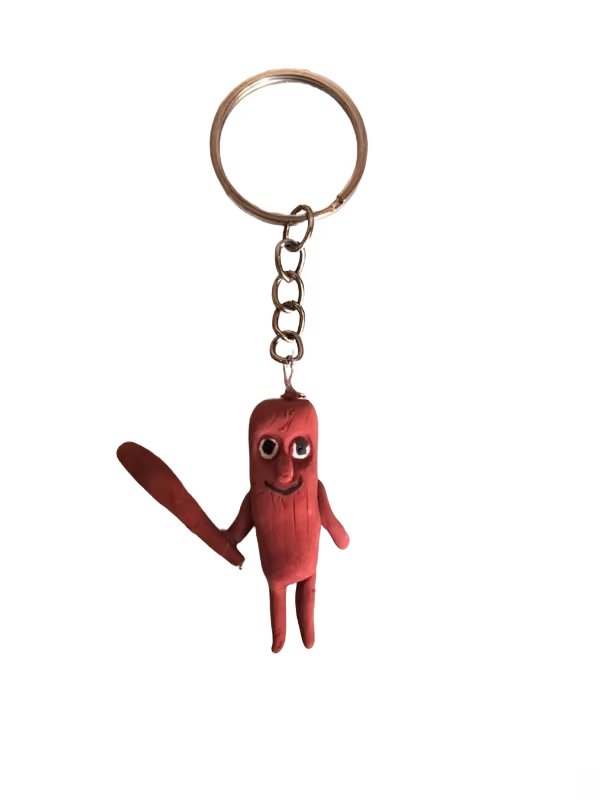
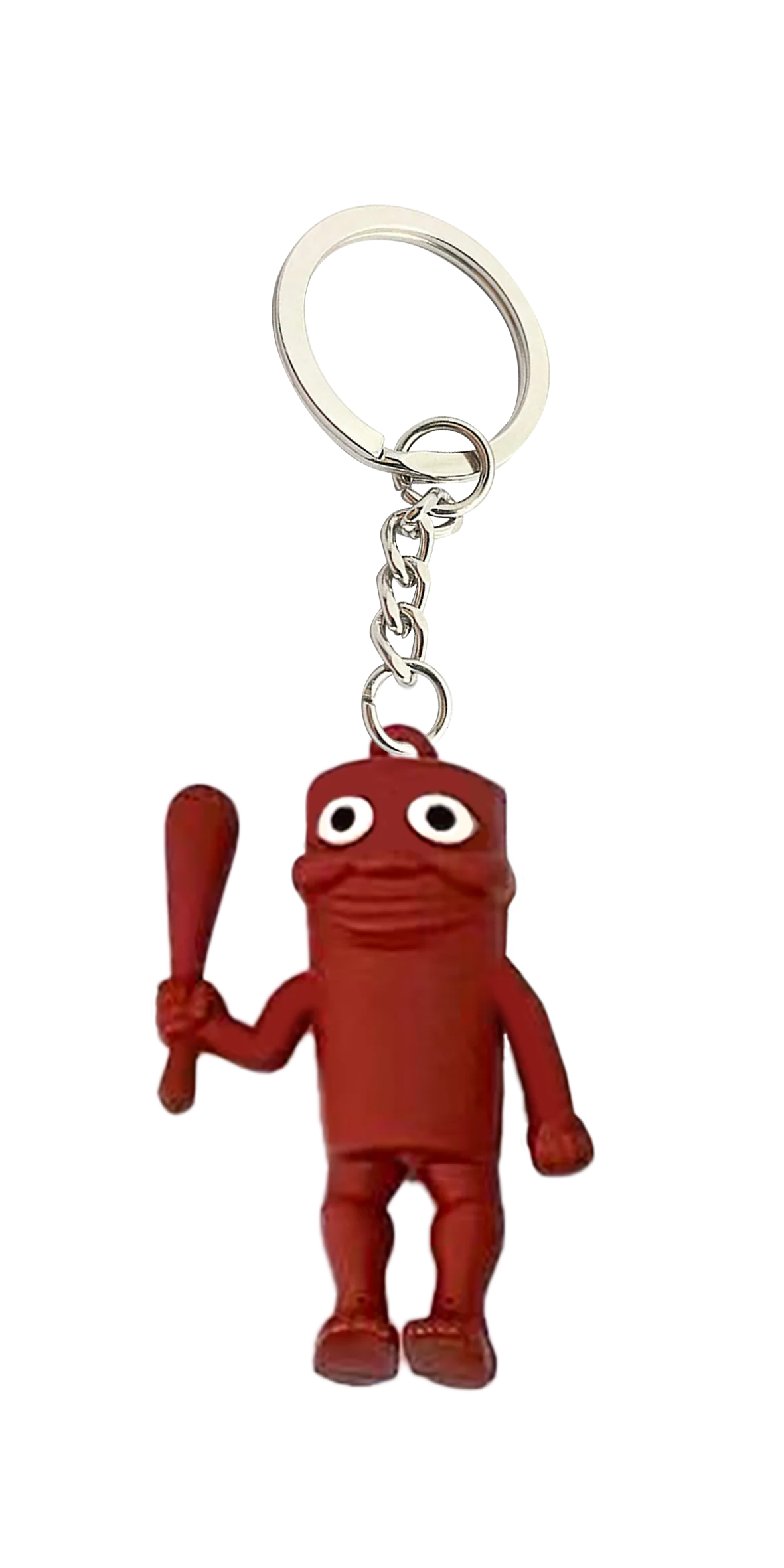
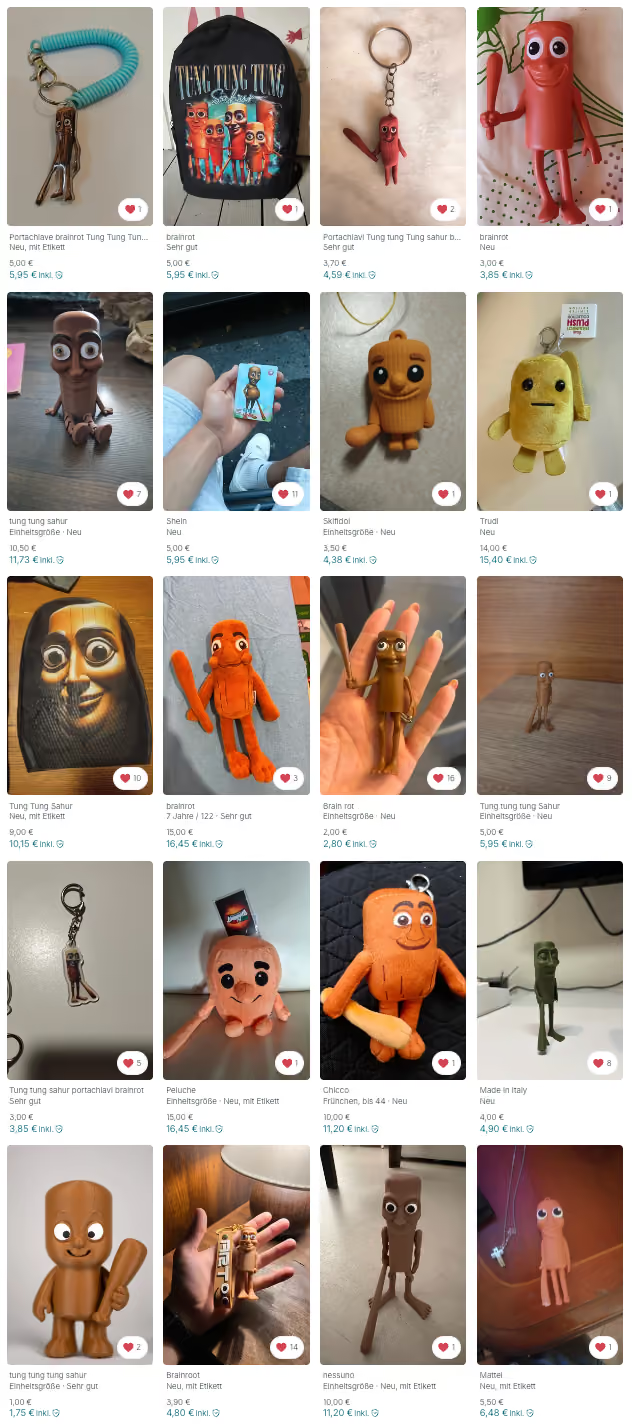
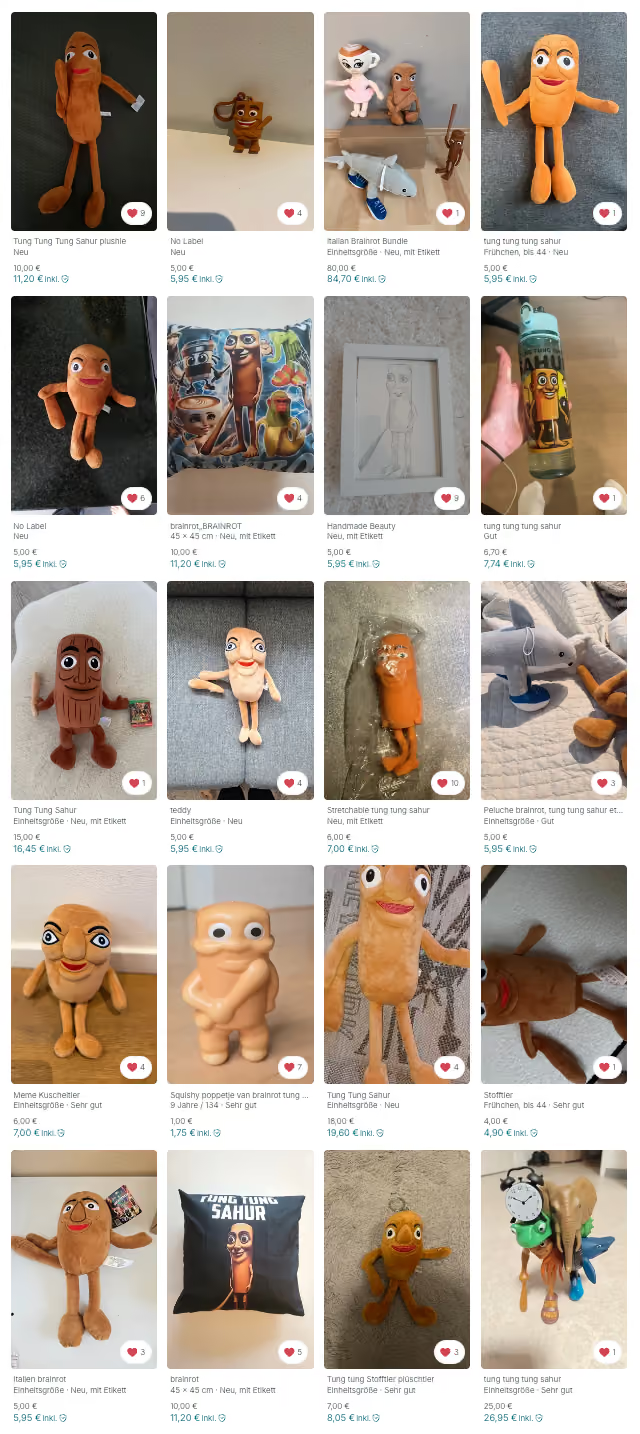
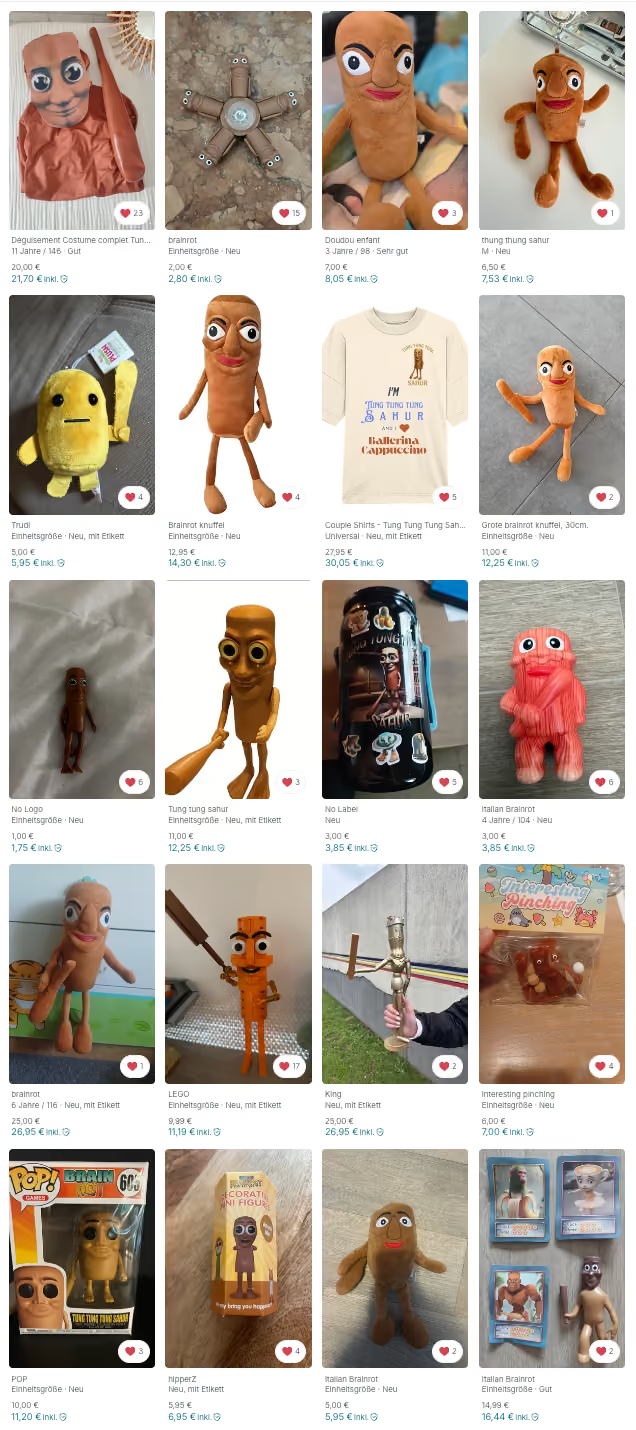
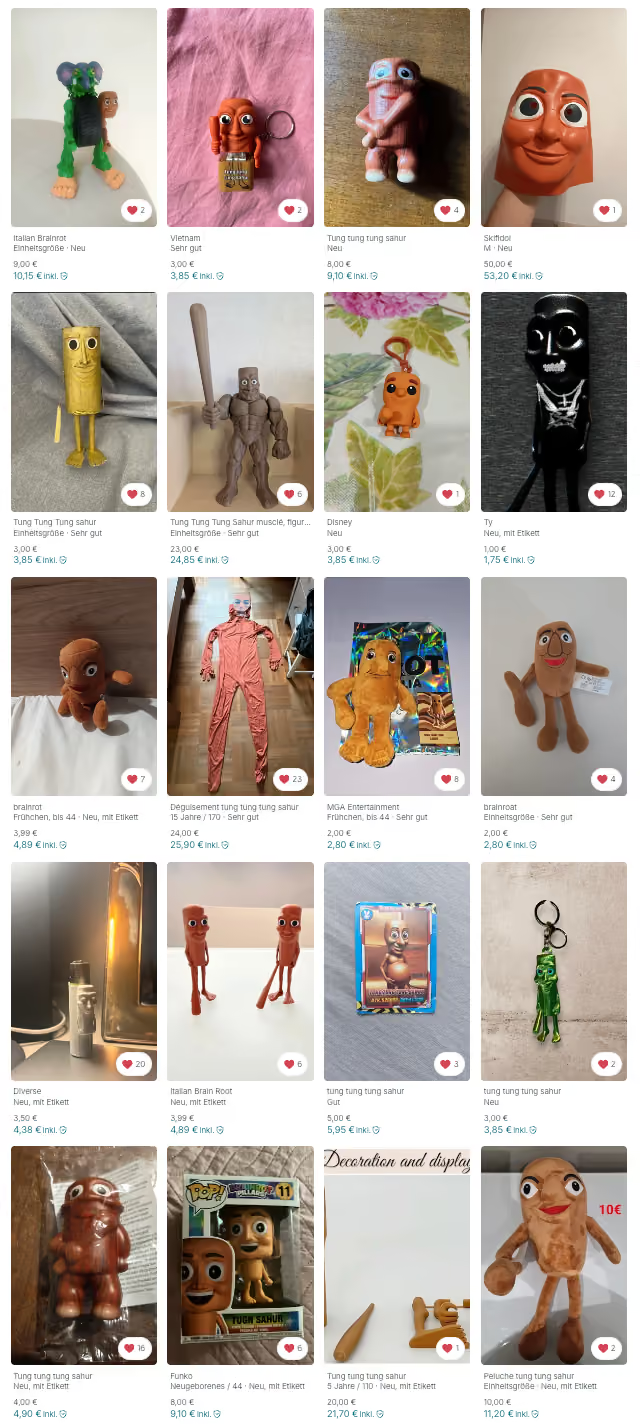
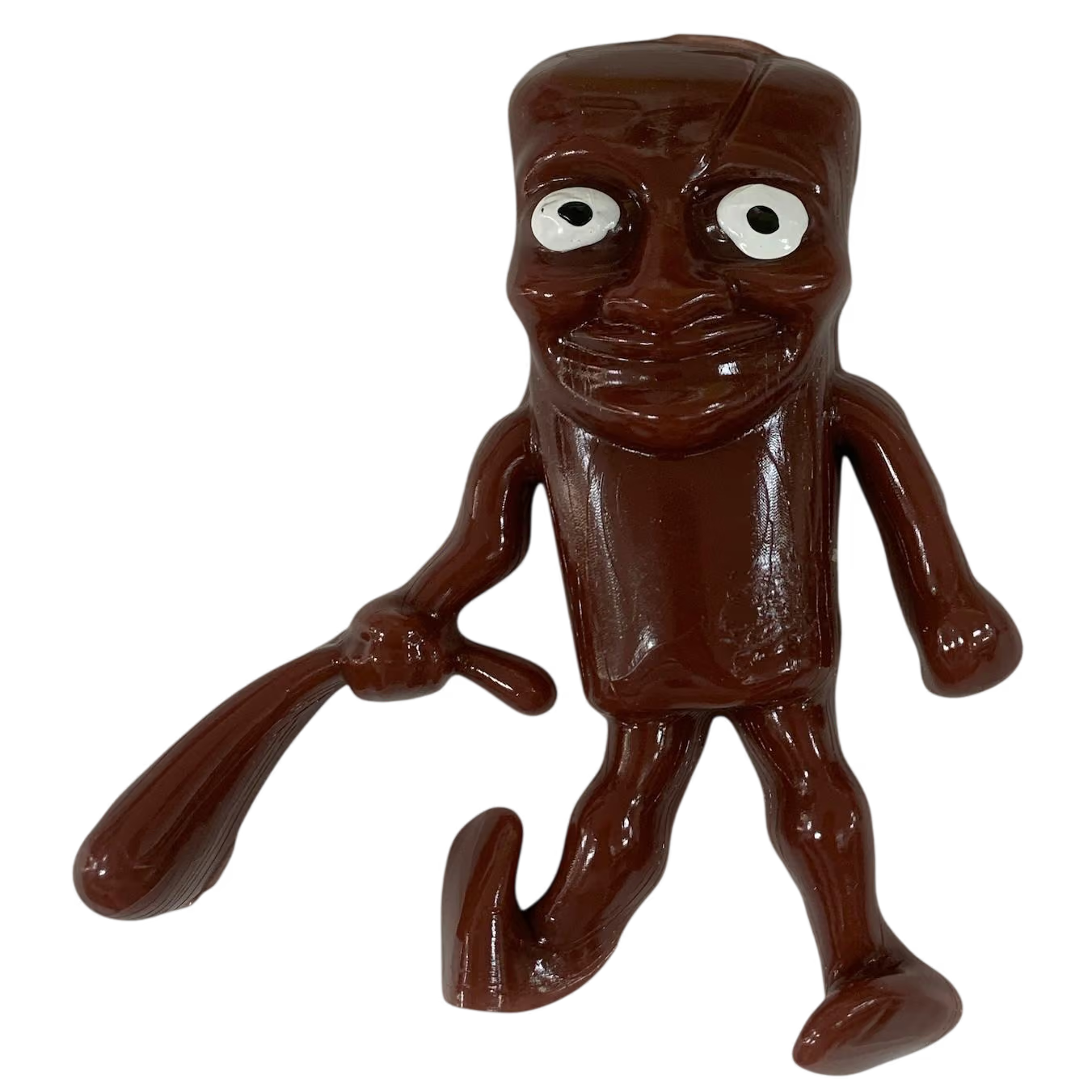
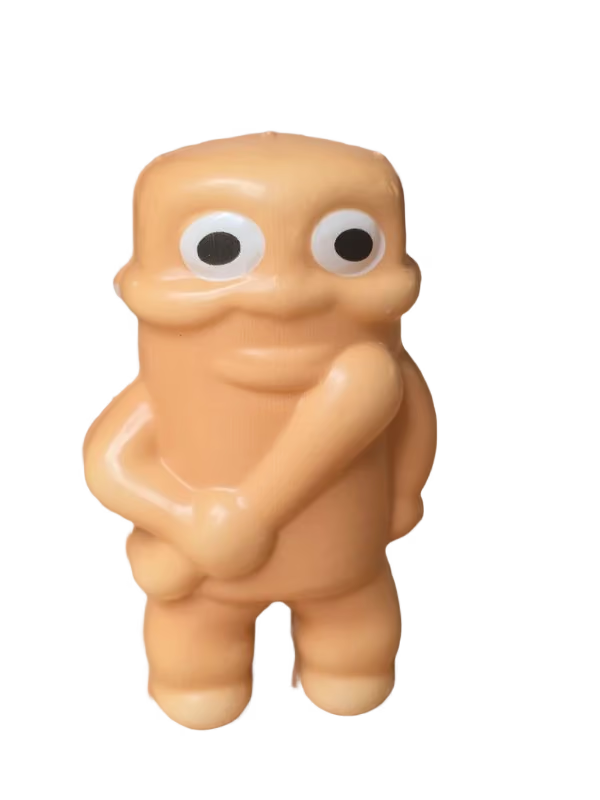
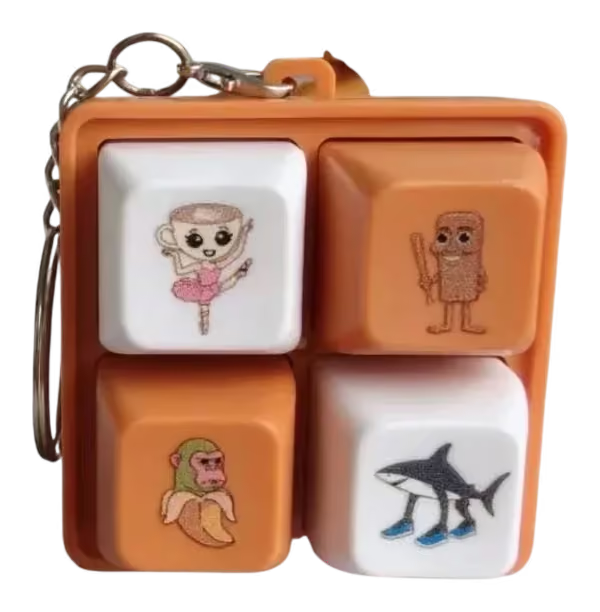
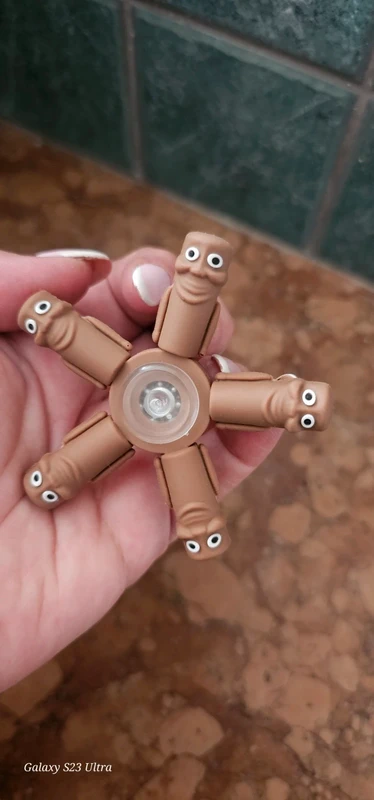
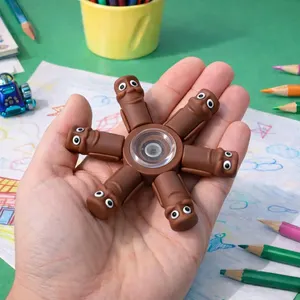
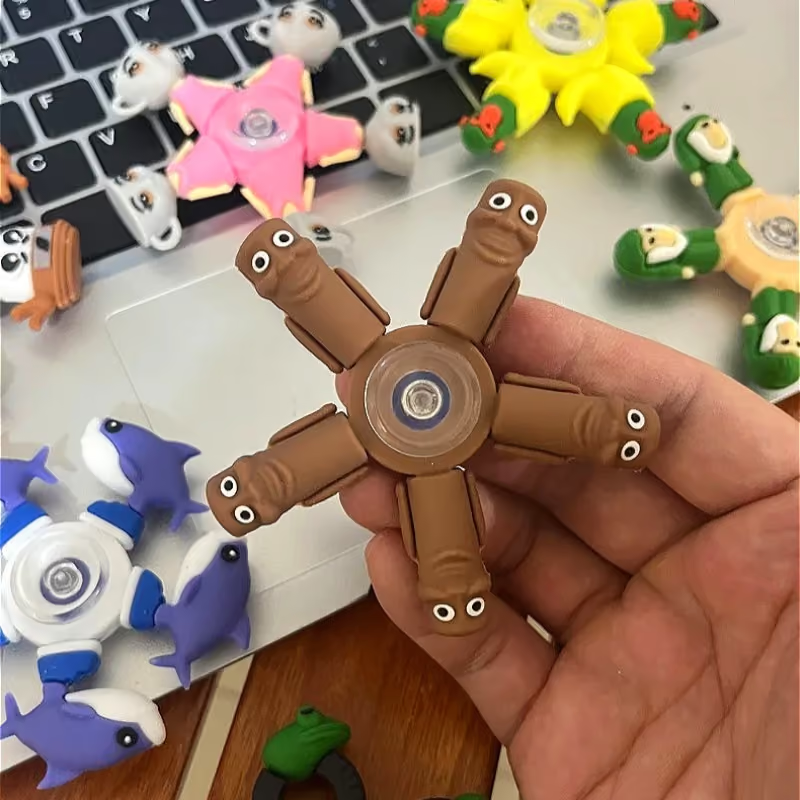
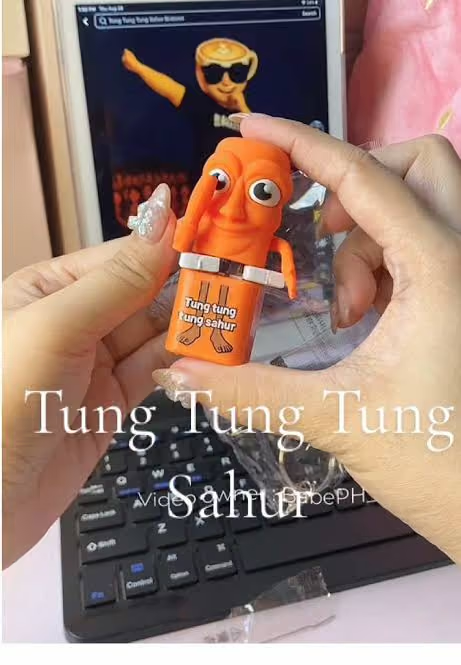
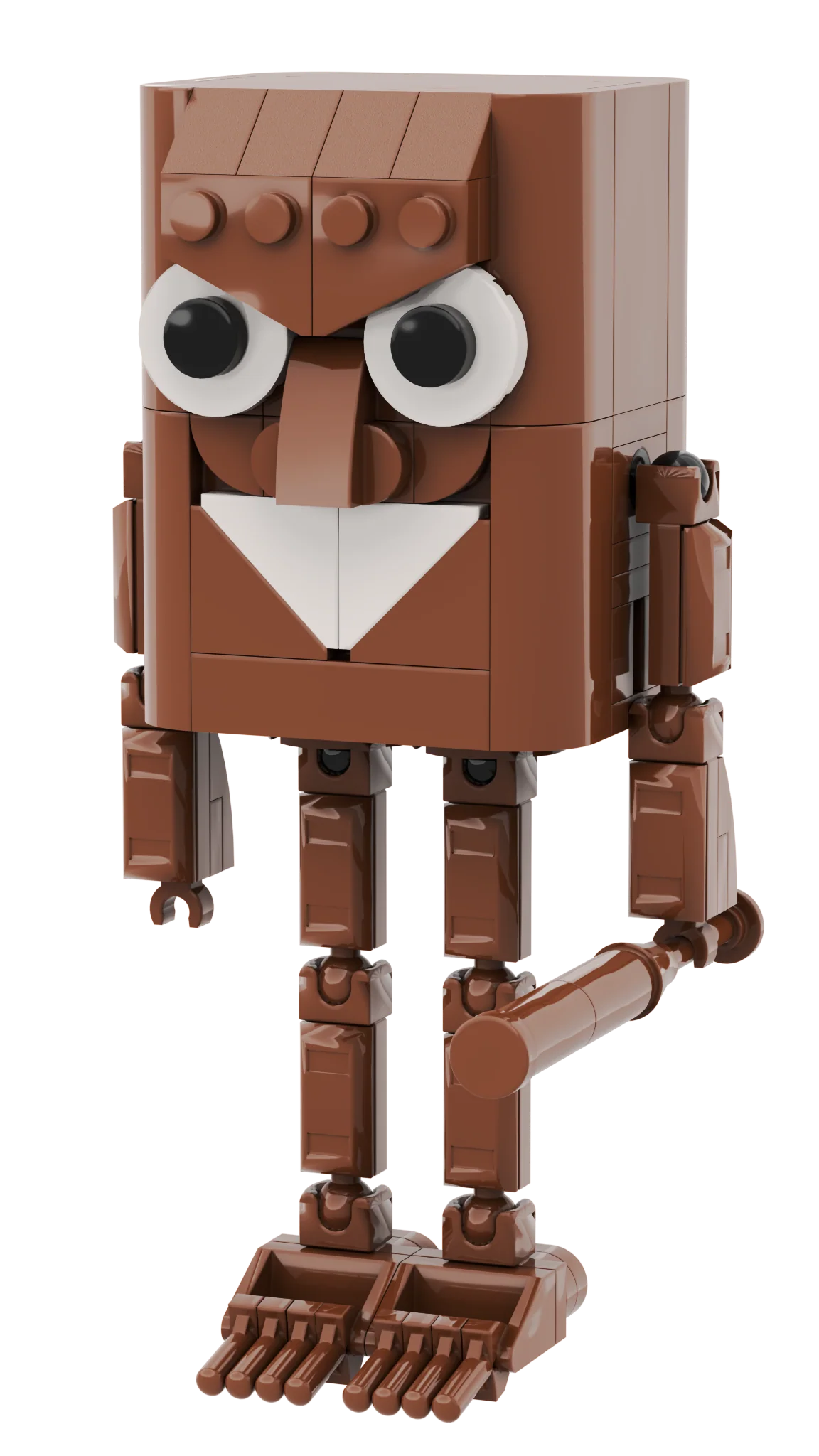
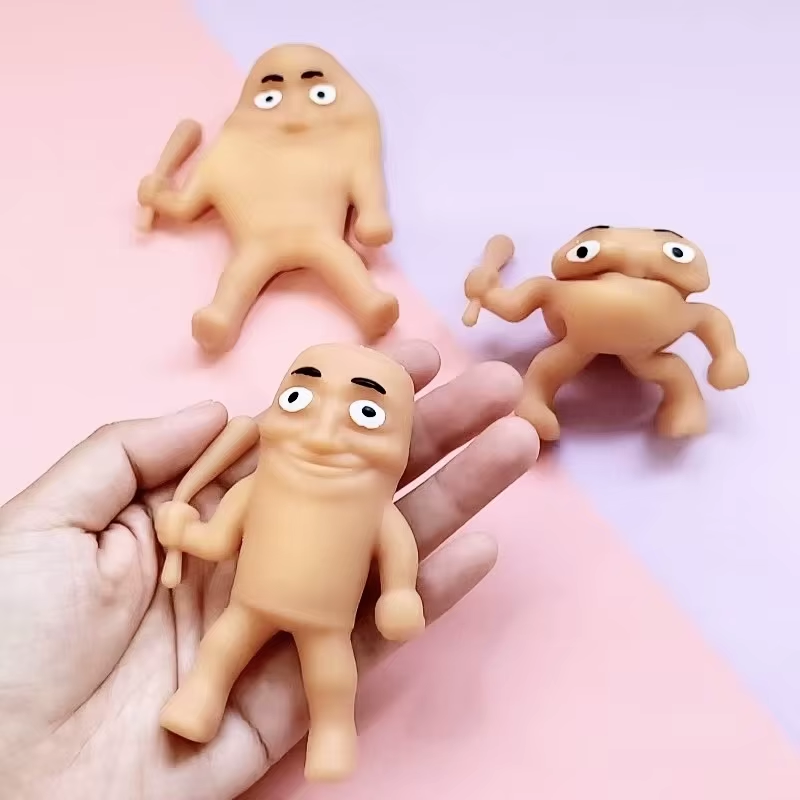
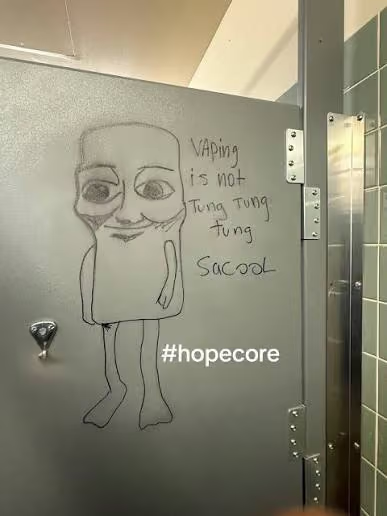
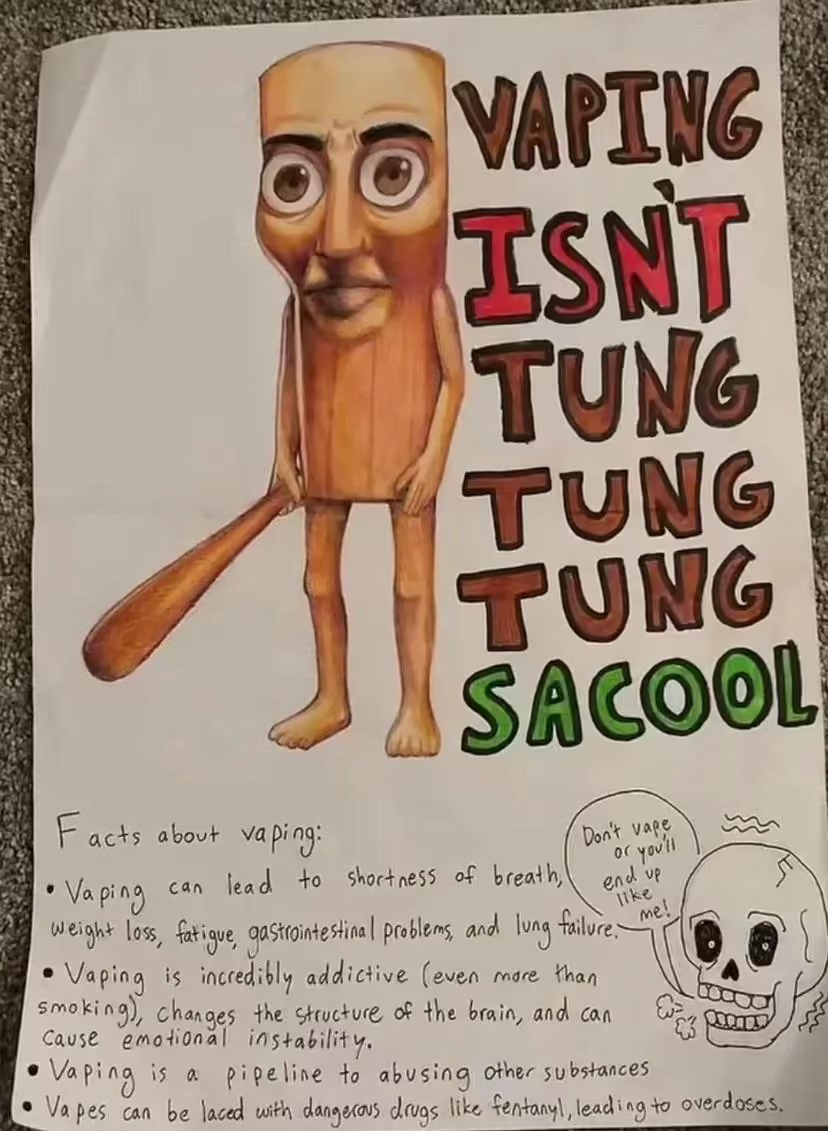
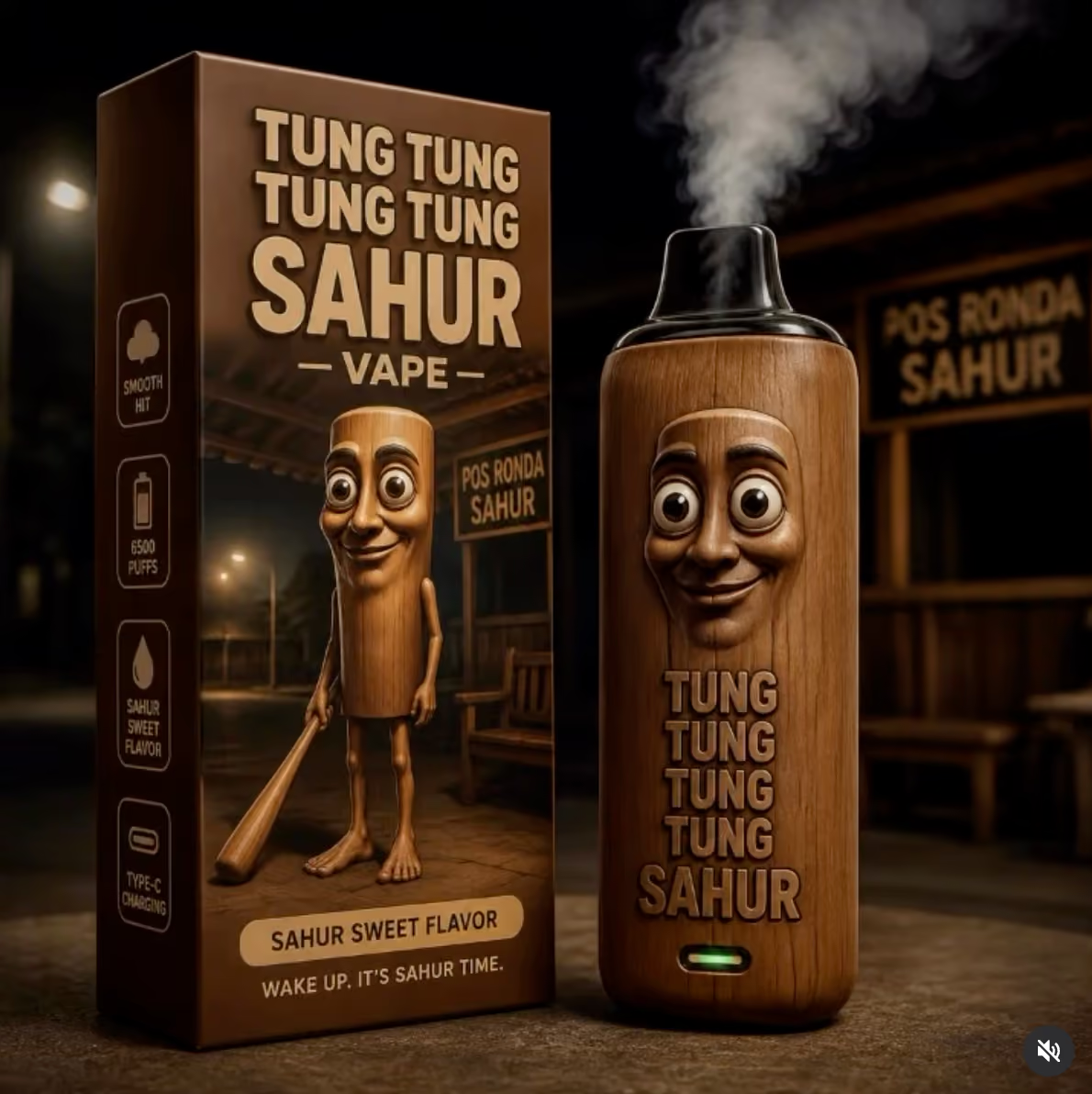
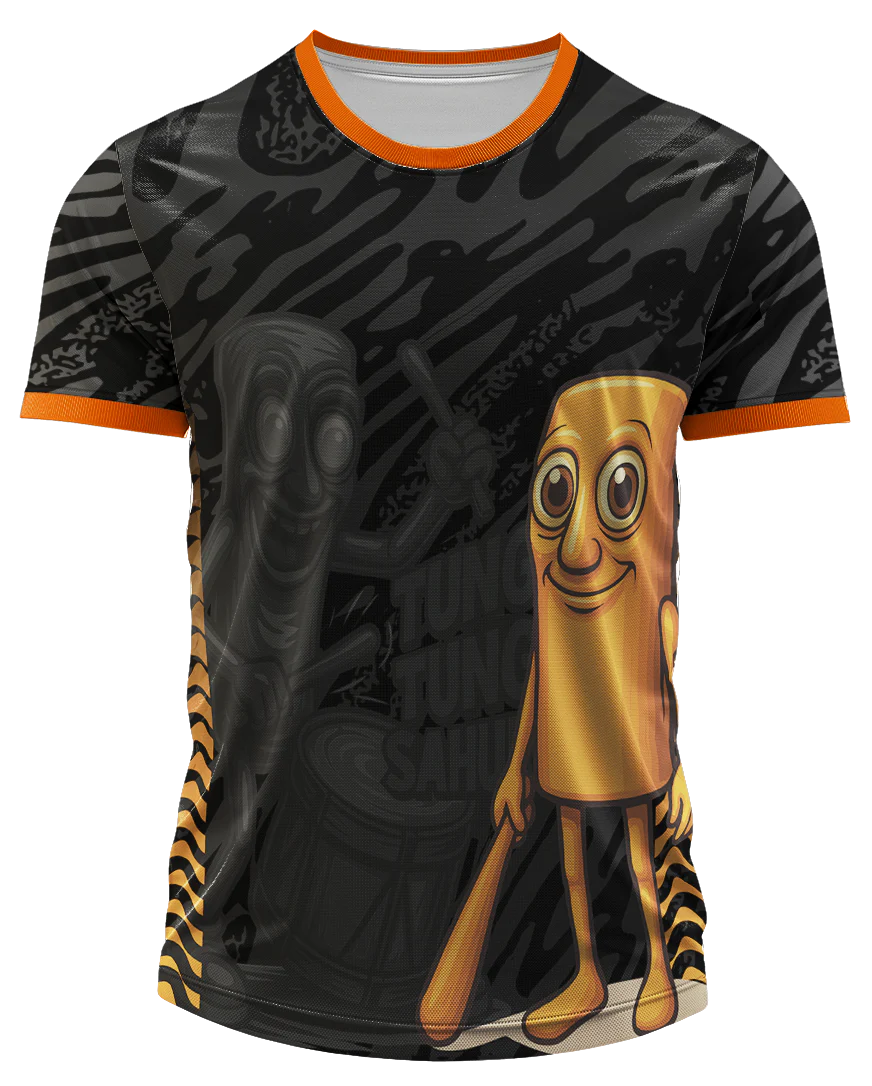
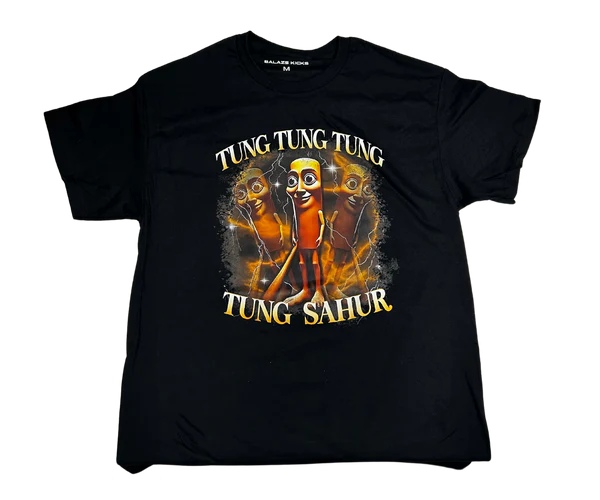
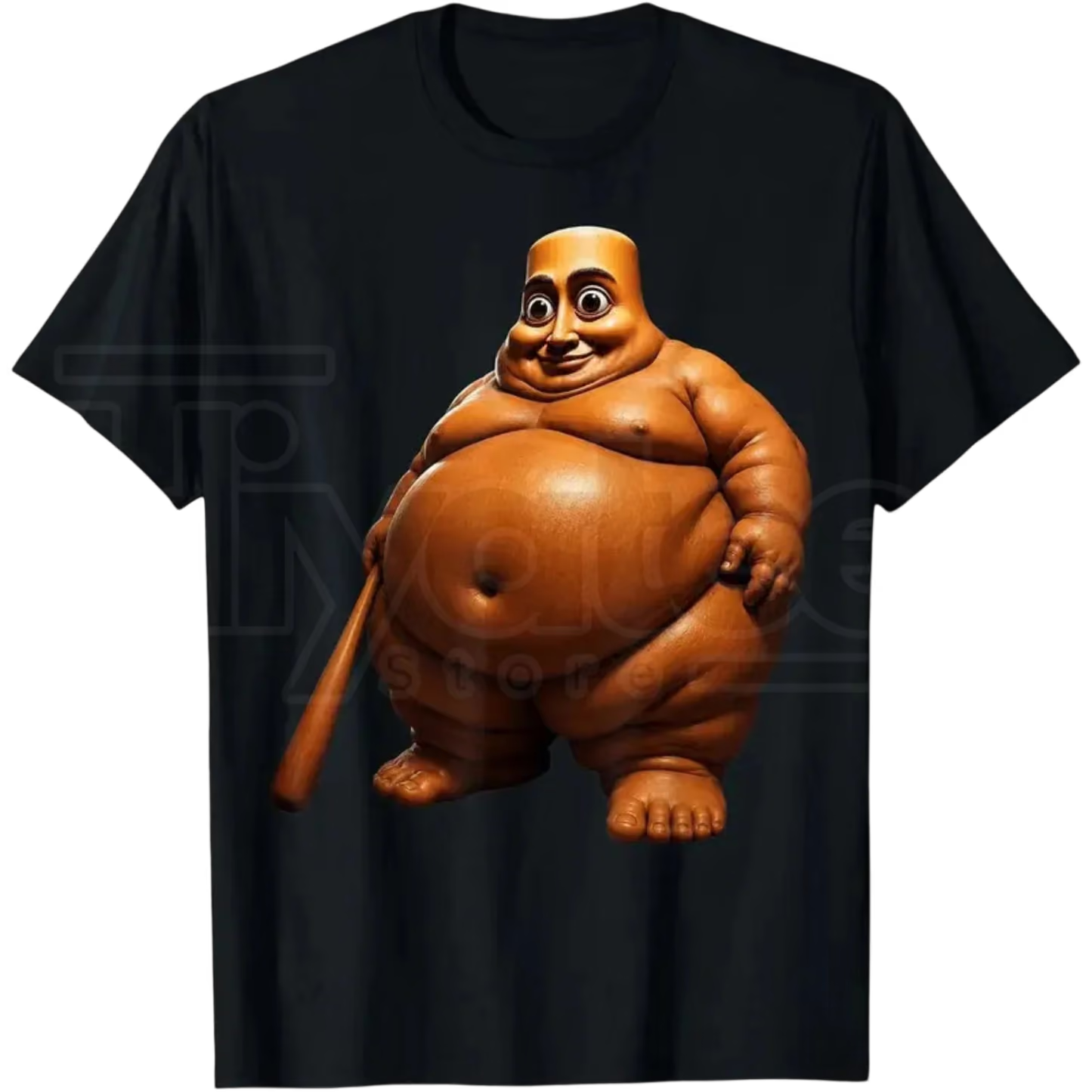
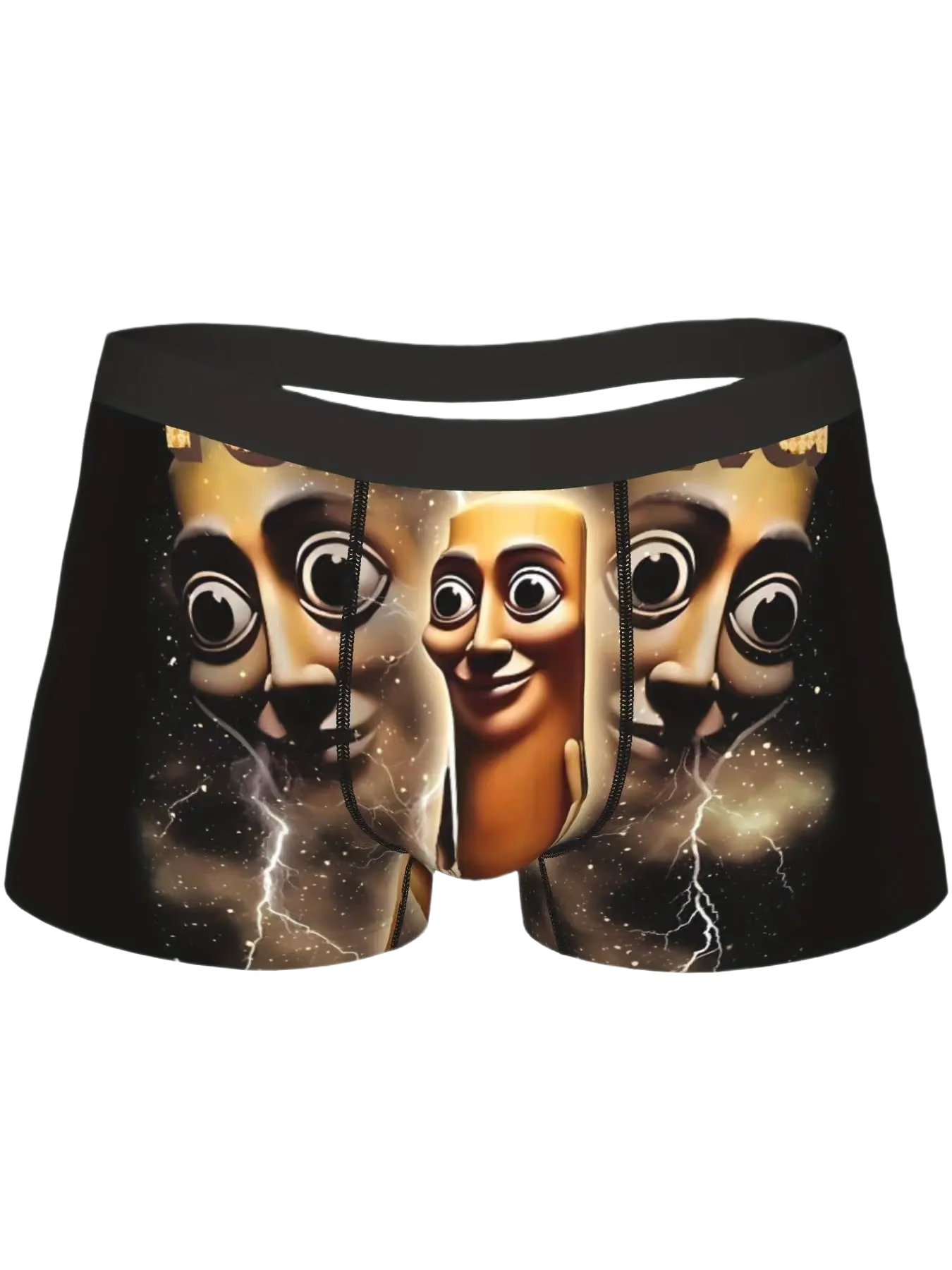
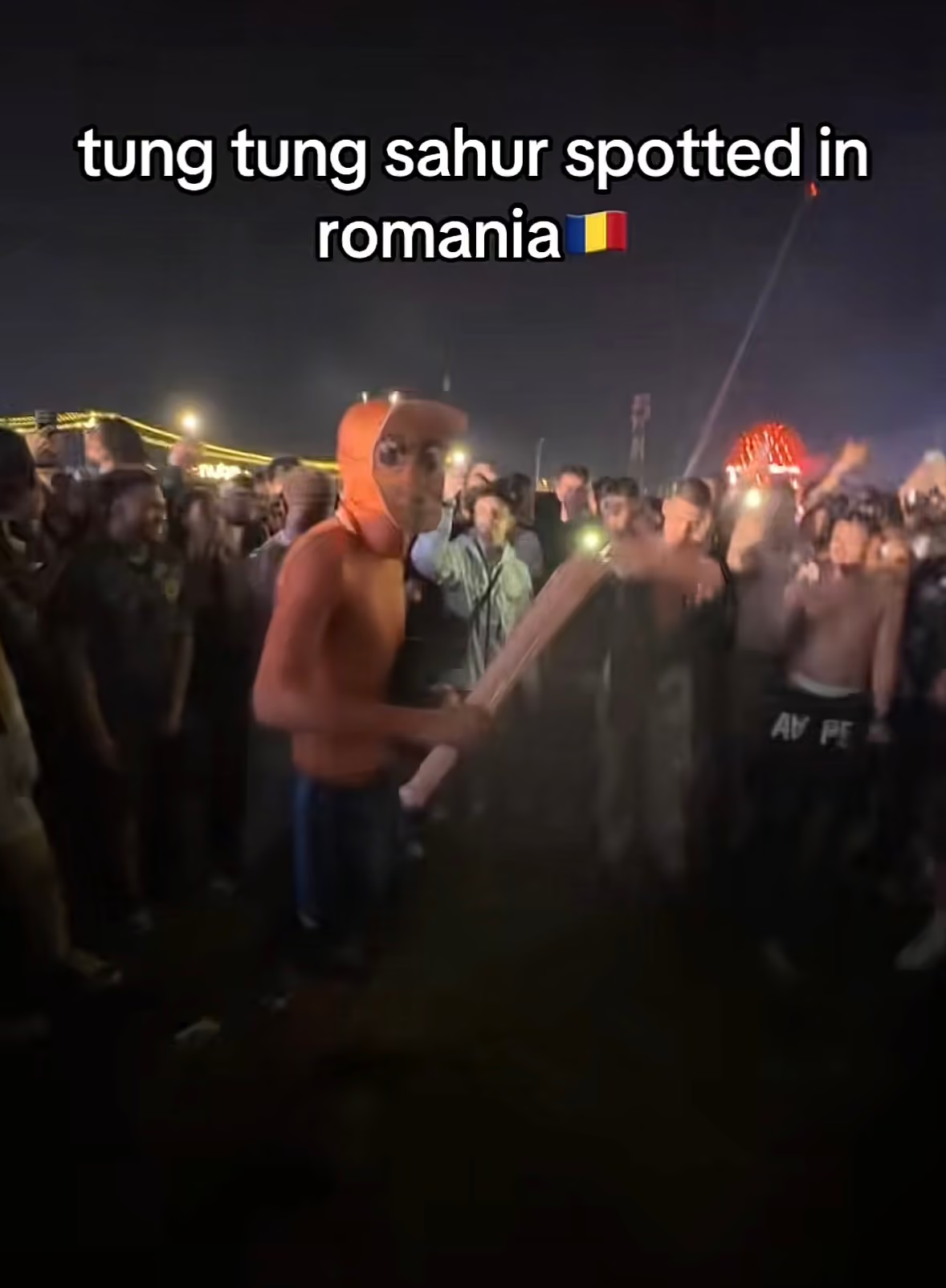
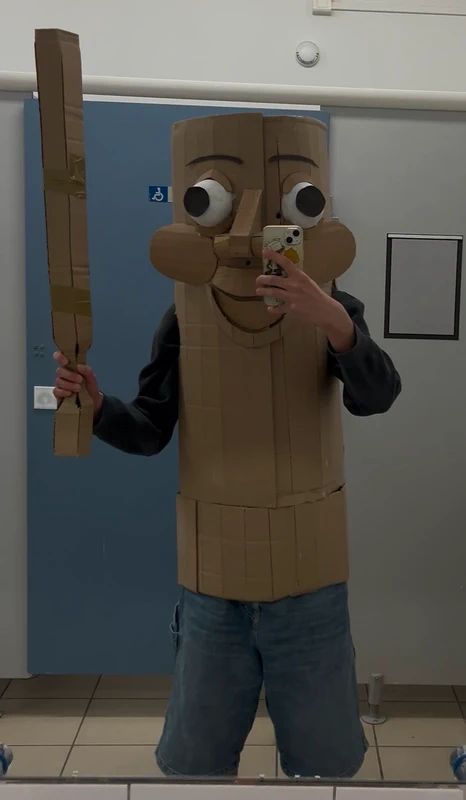
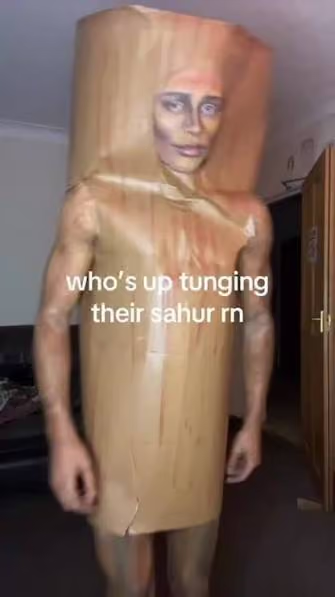
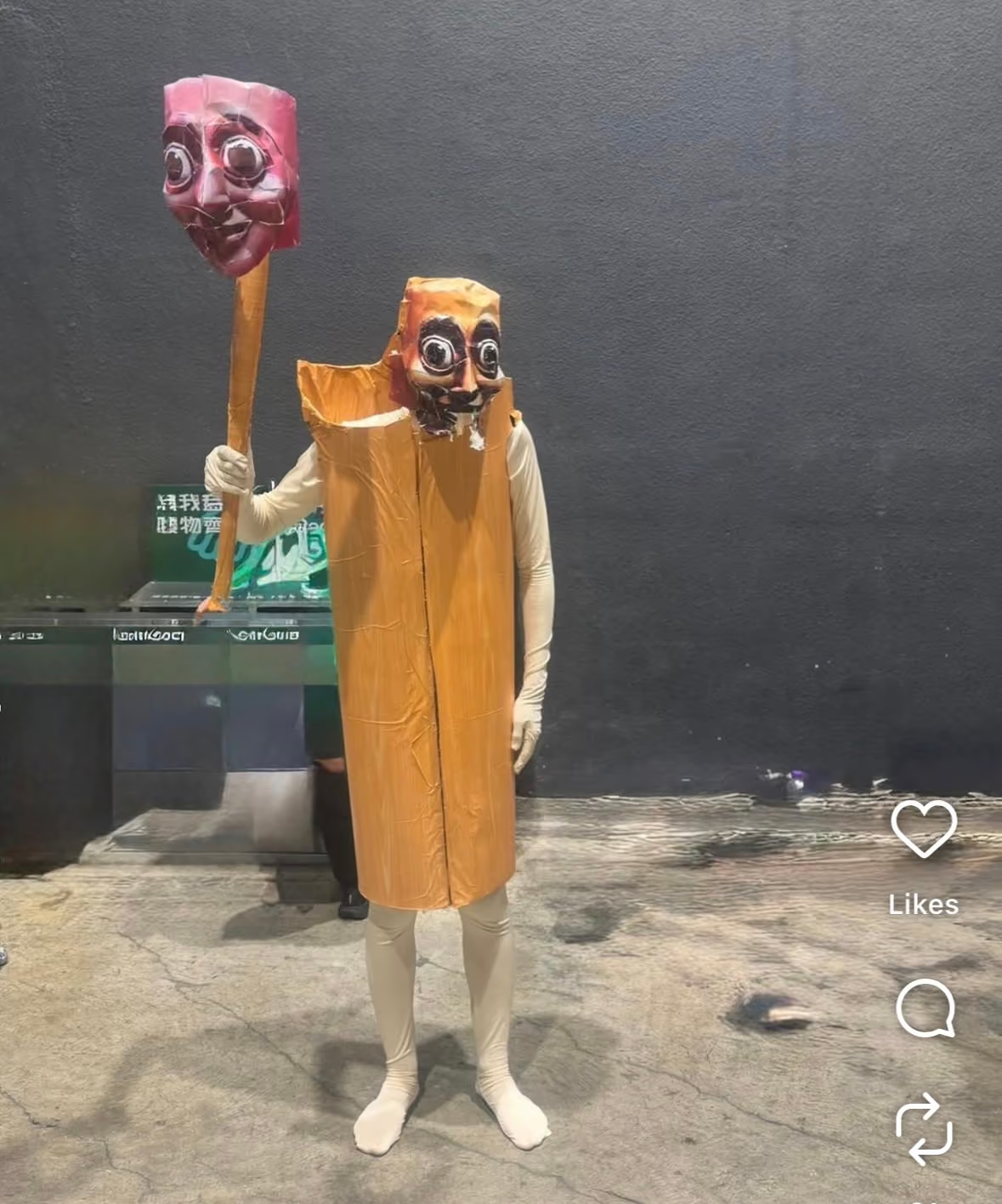
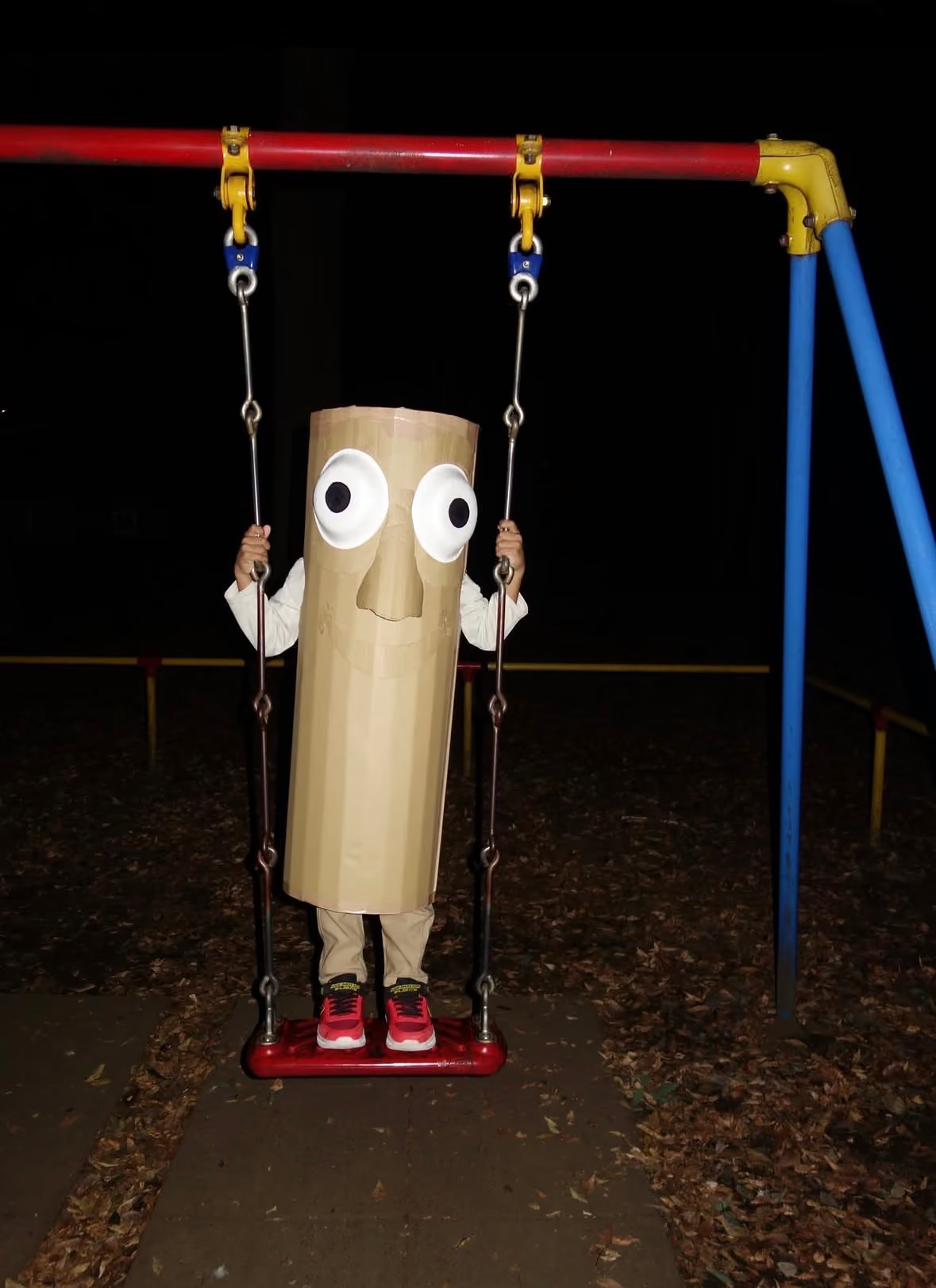
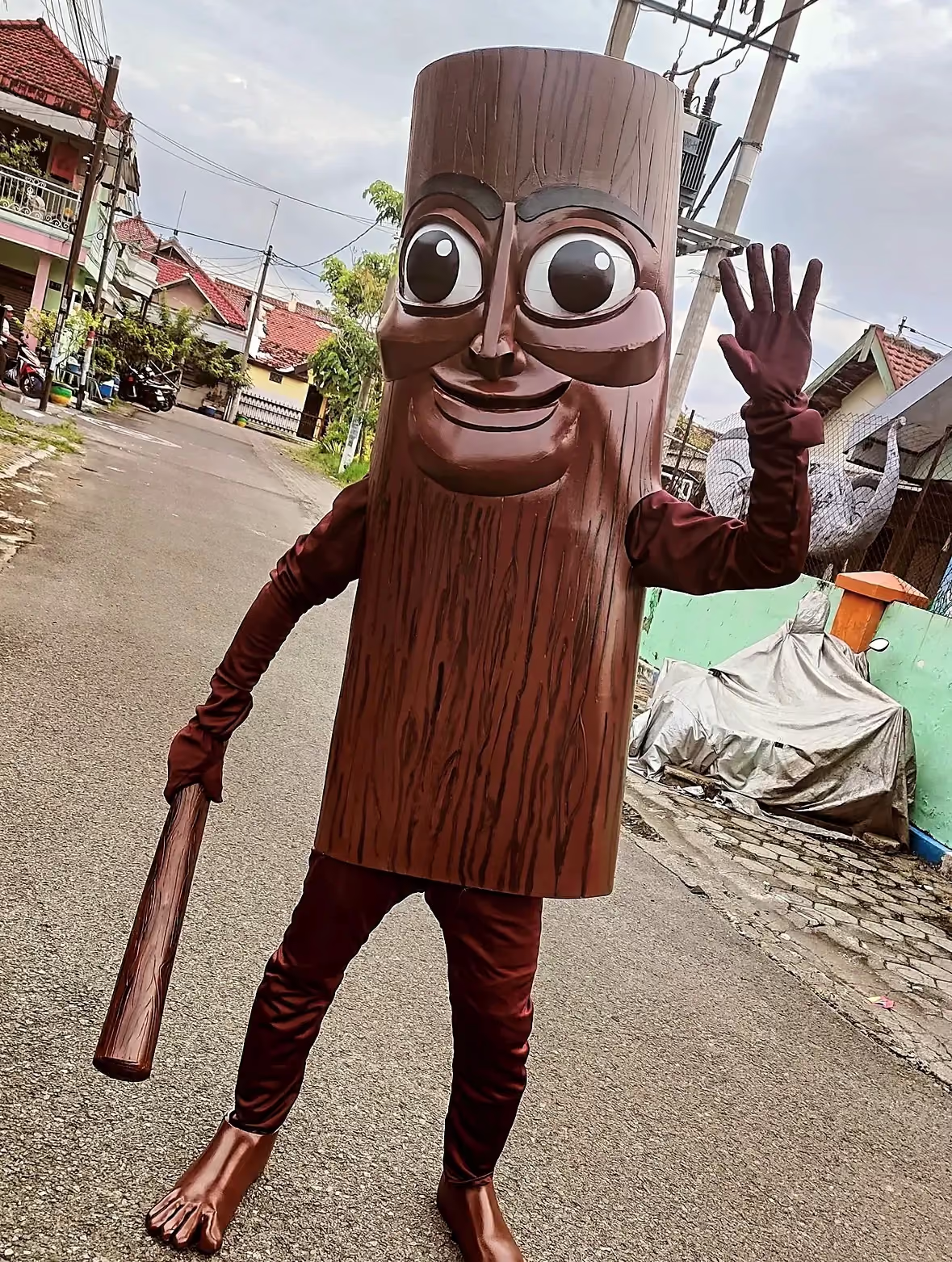
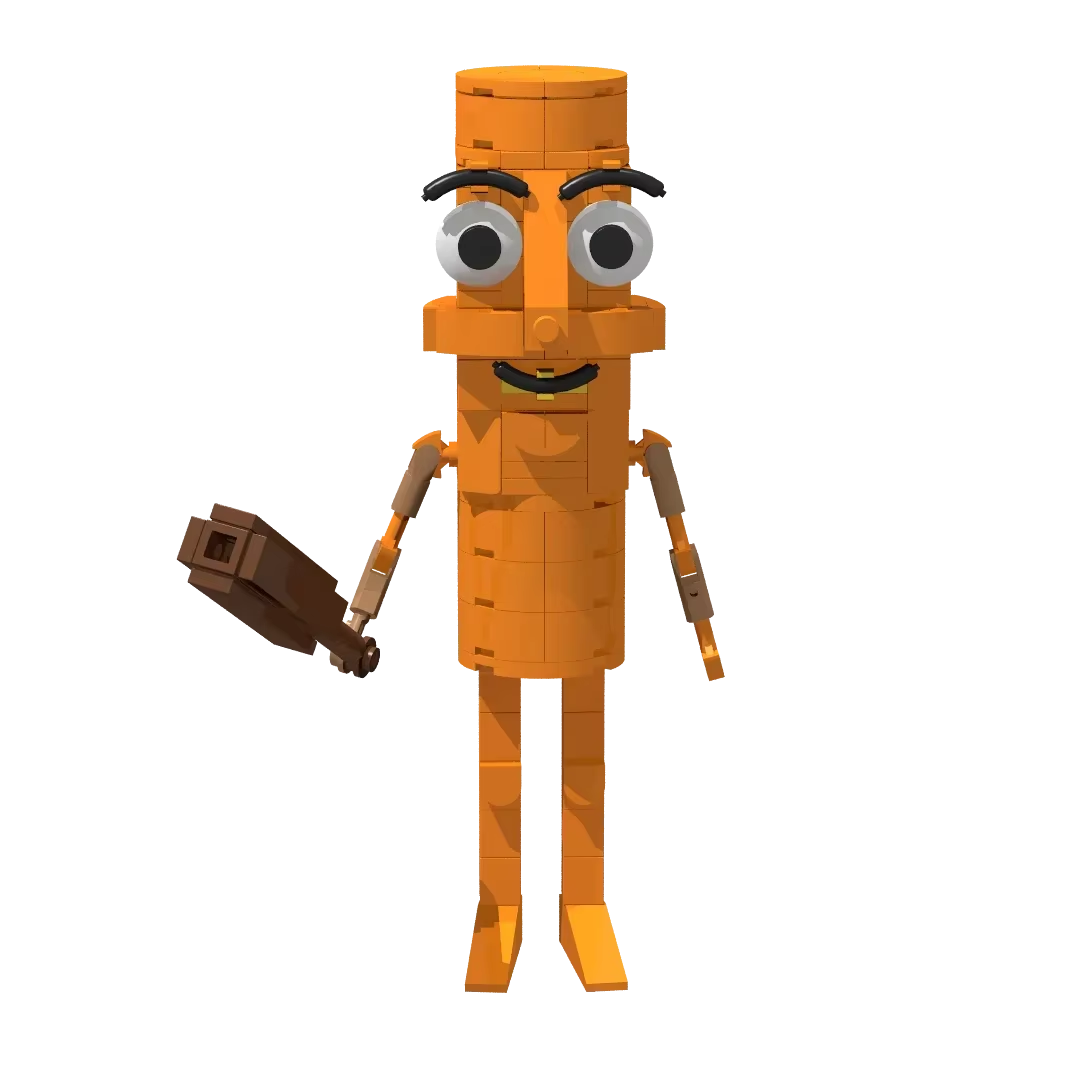
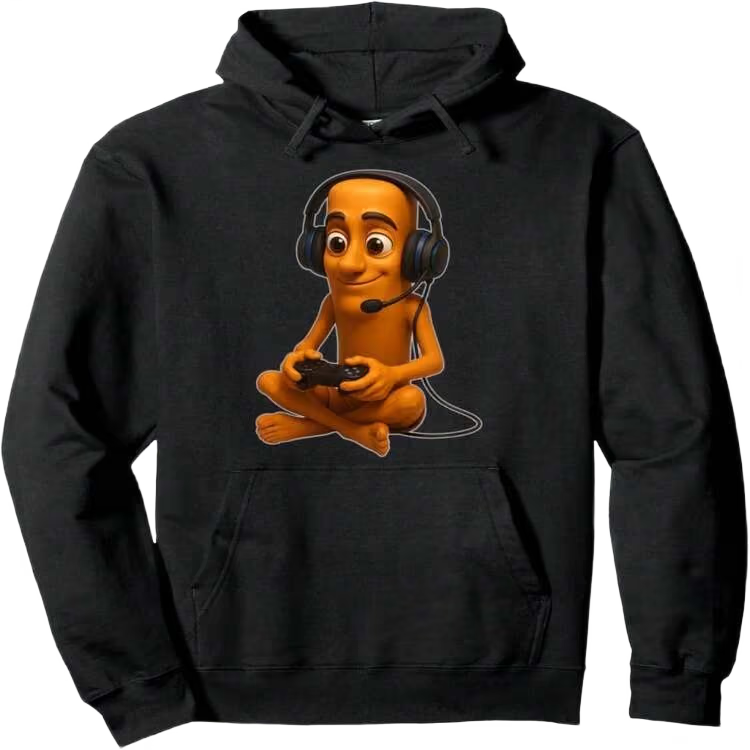
8. Embodiments & Commerce
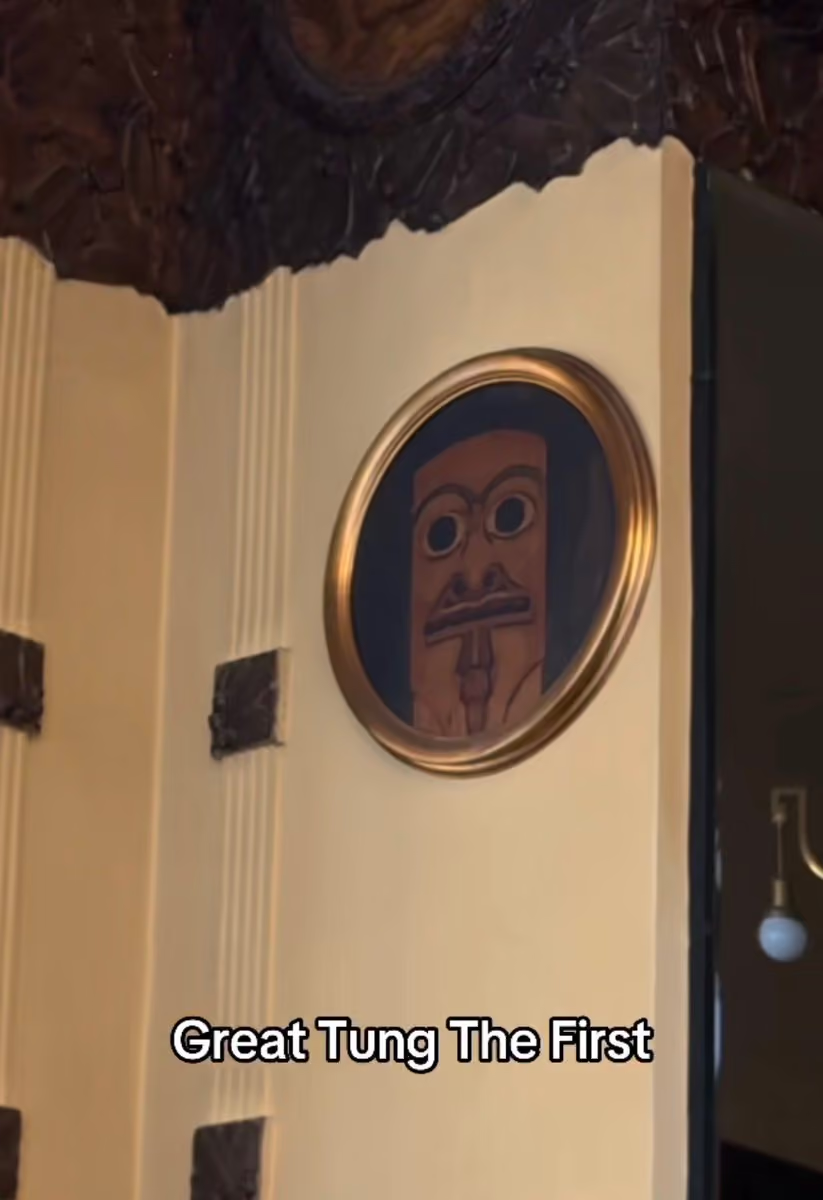
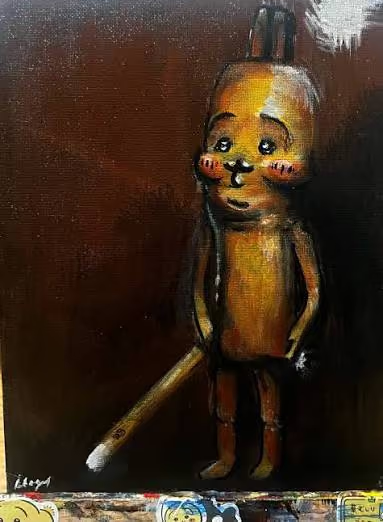
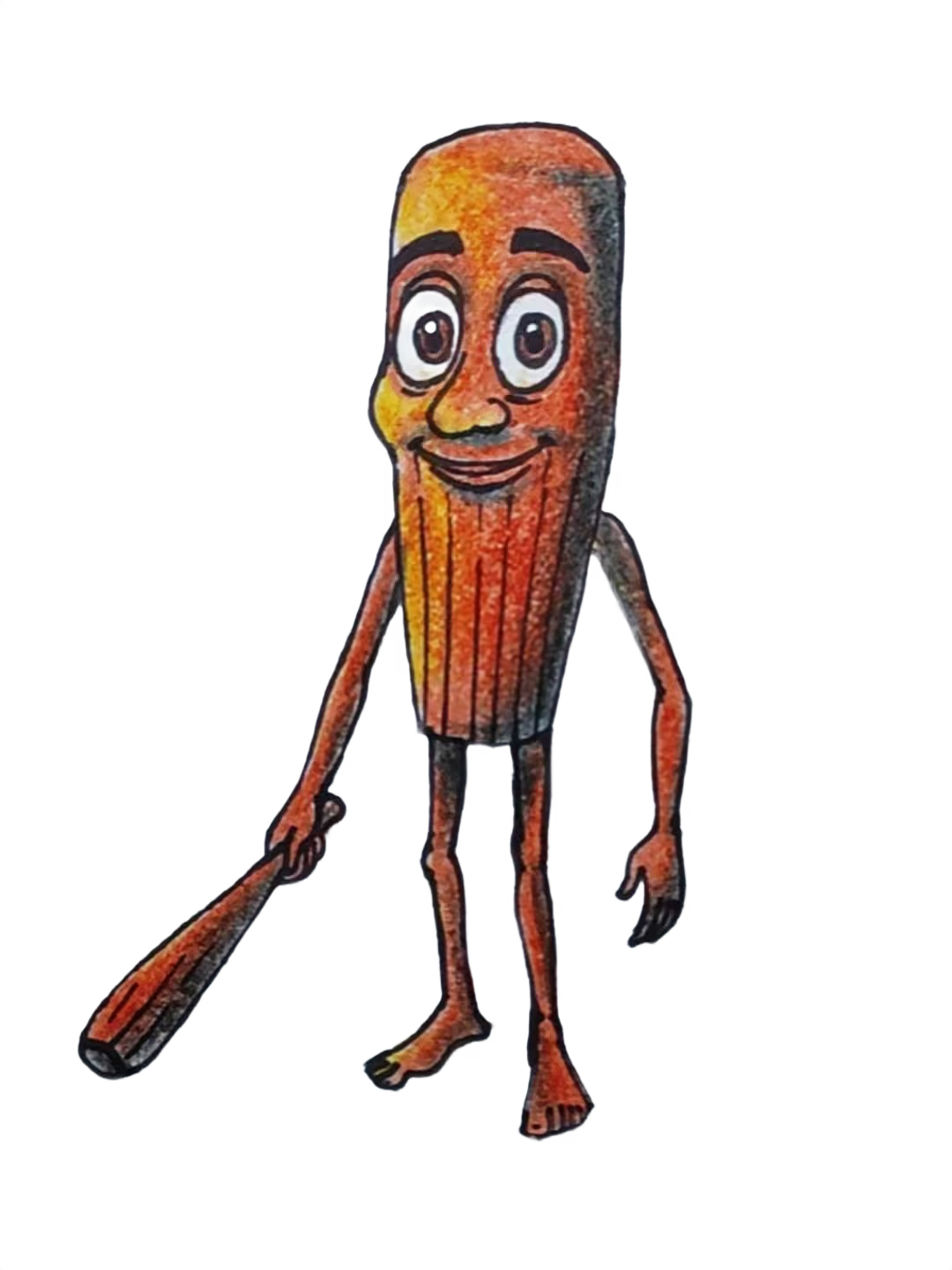
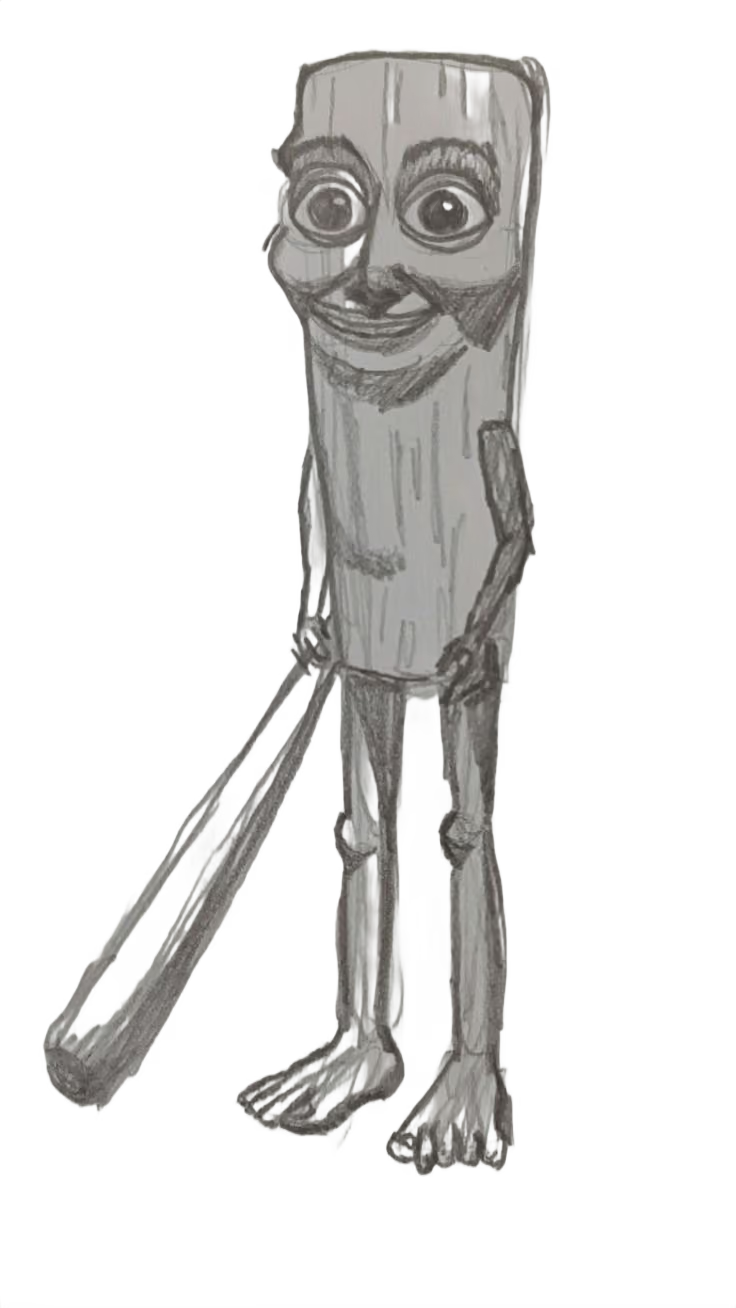
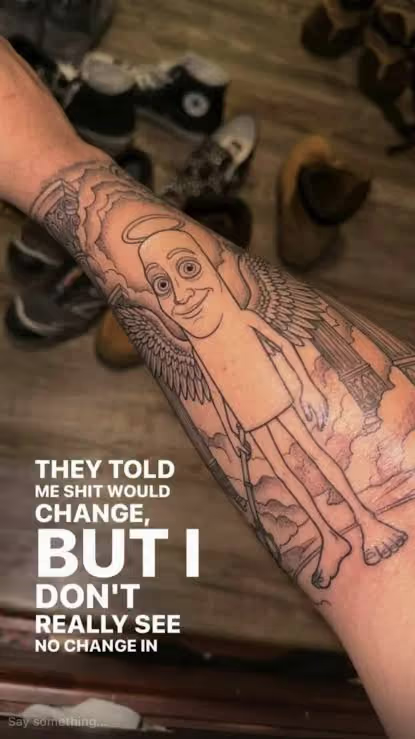
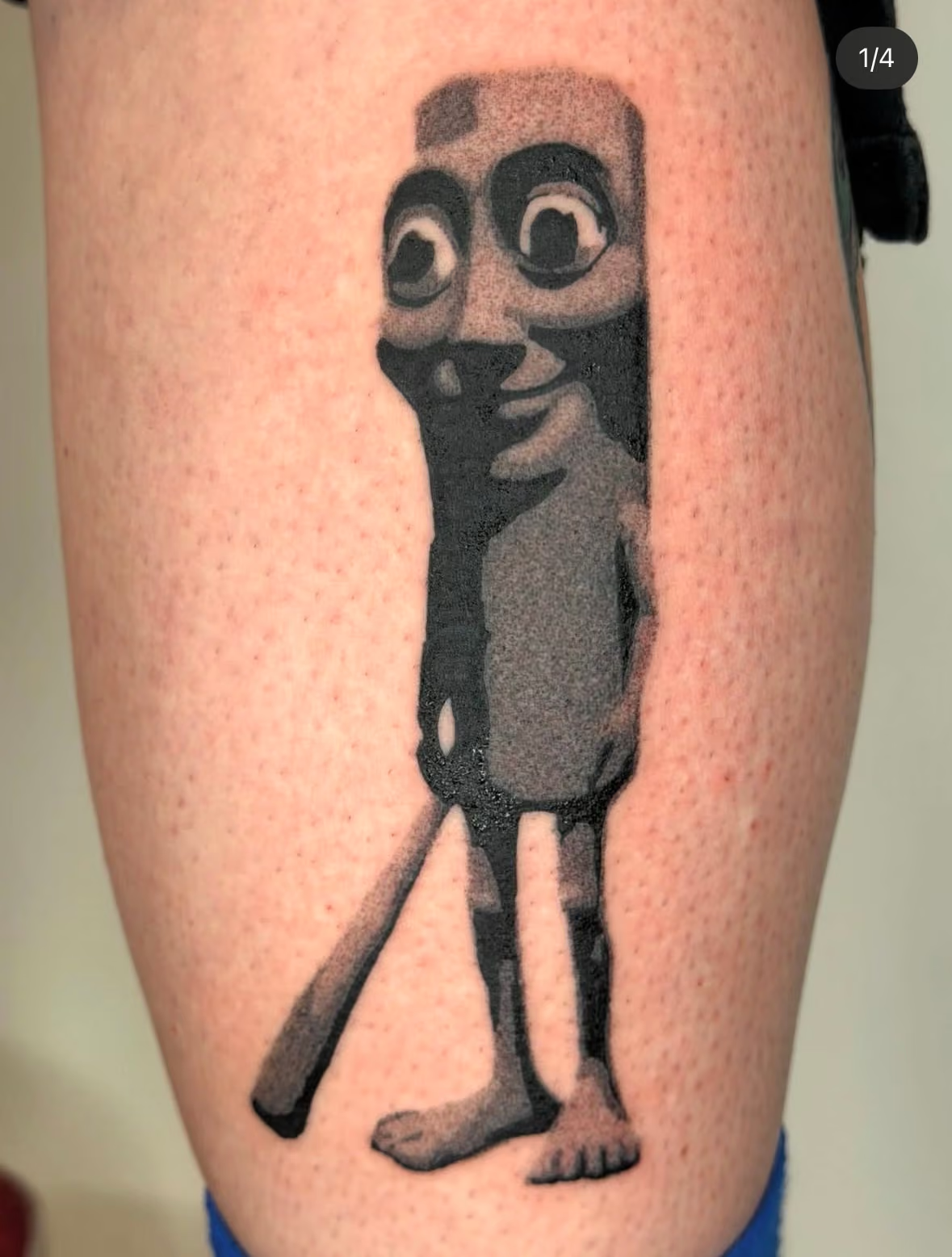
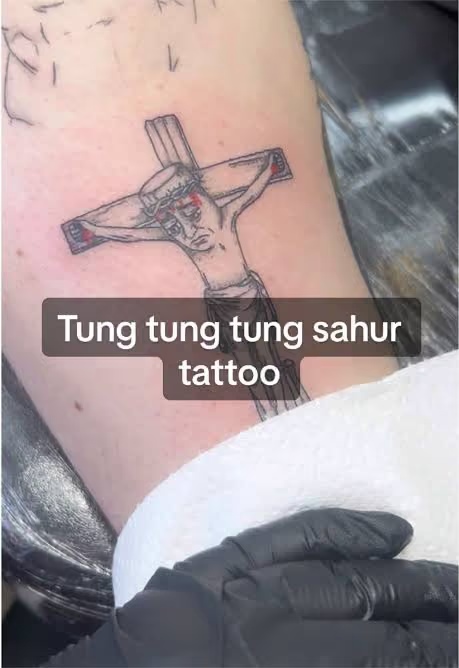
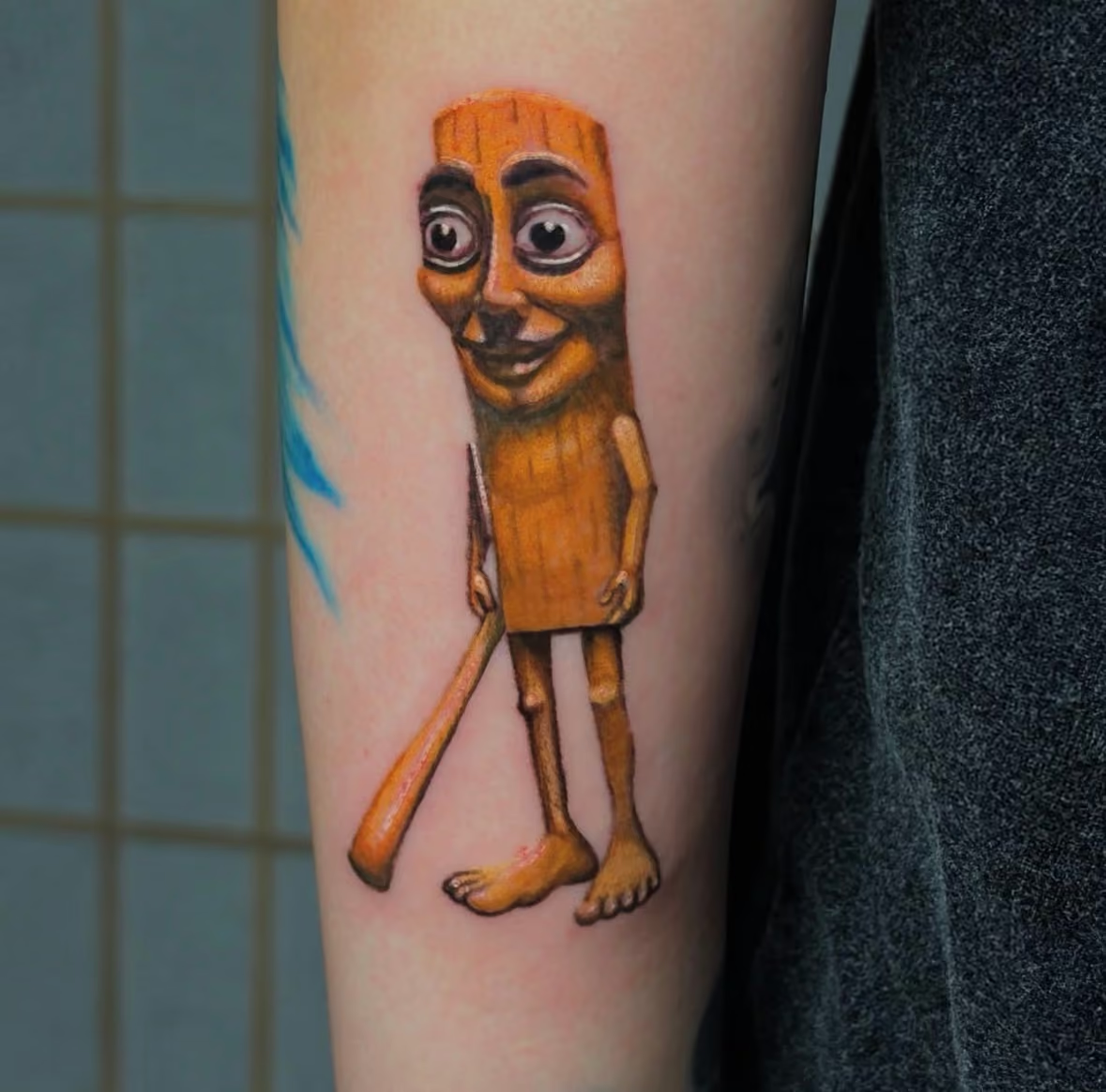
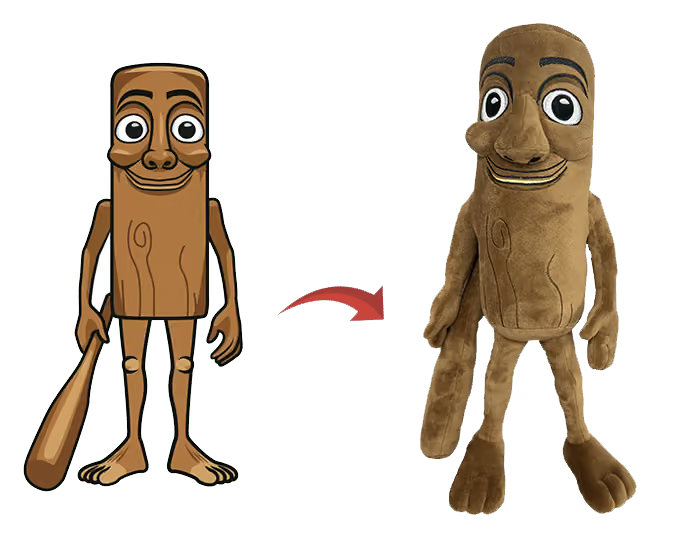
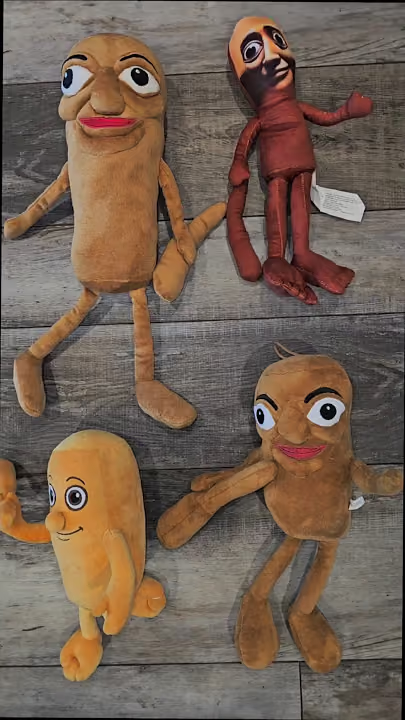
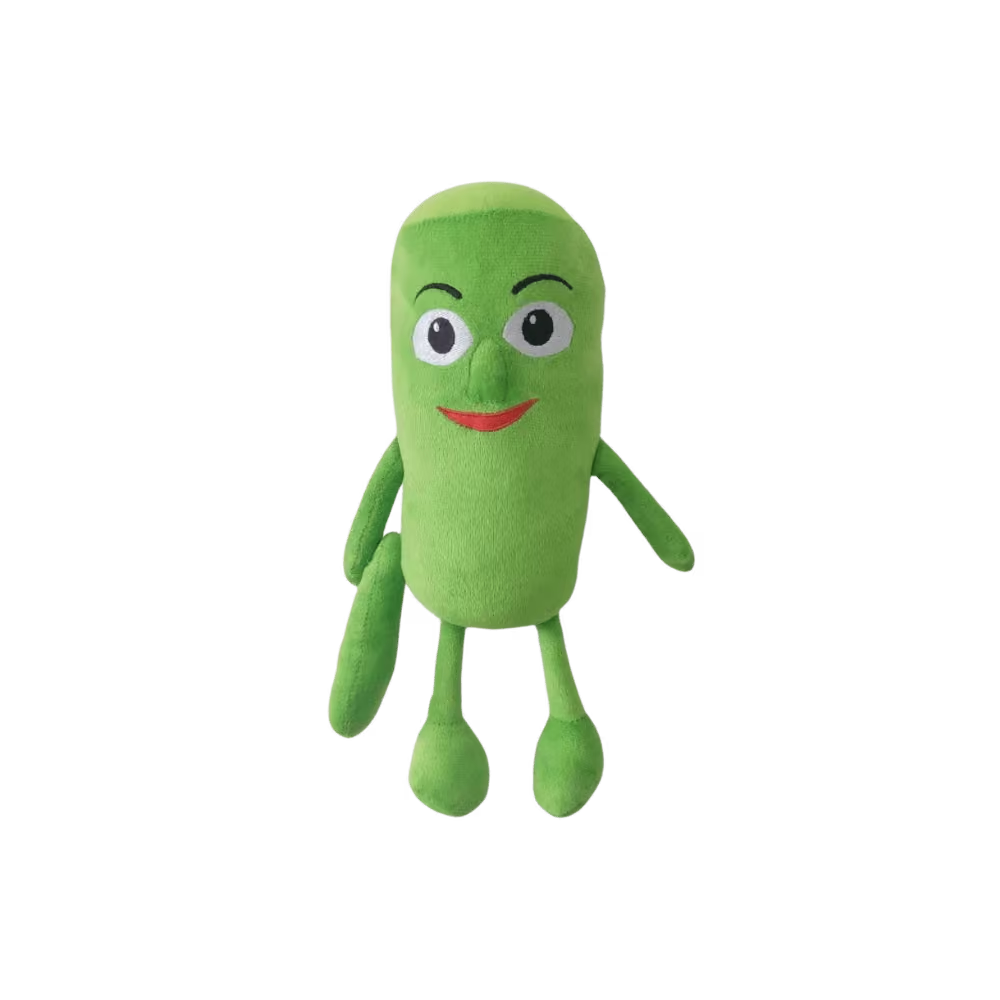
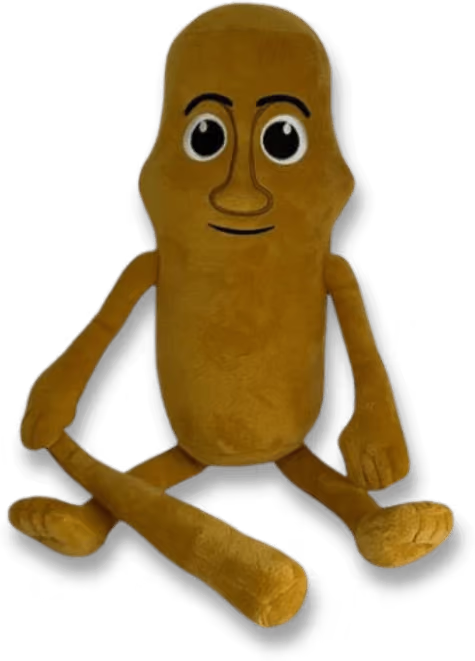

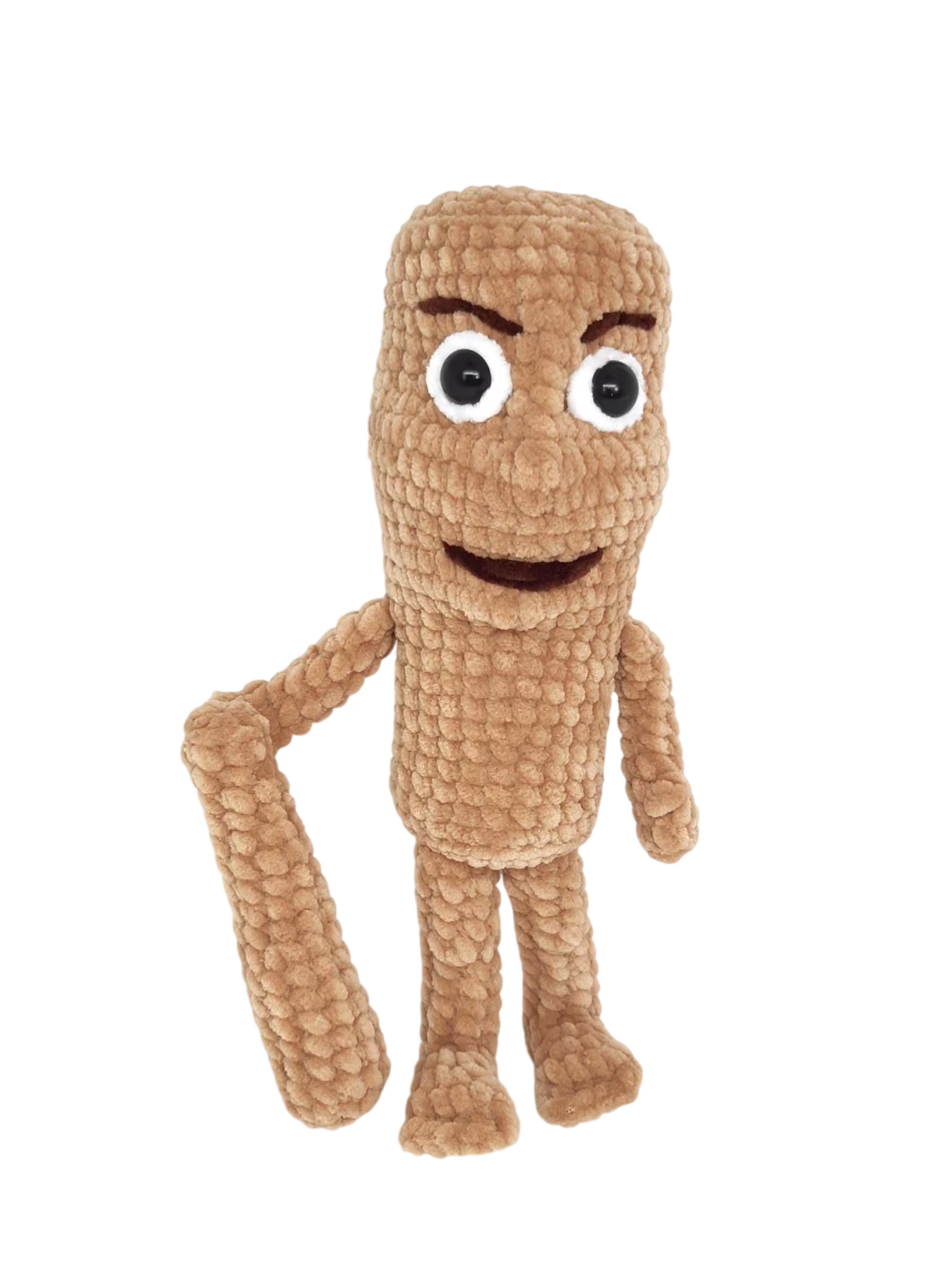
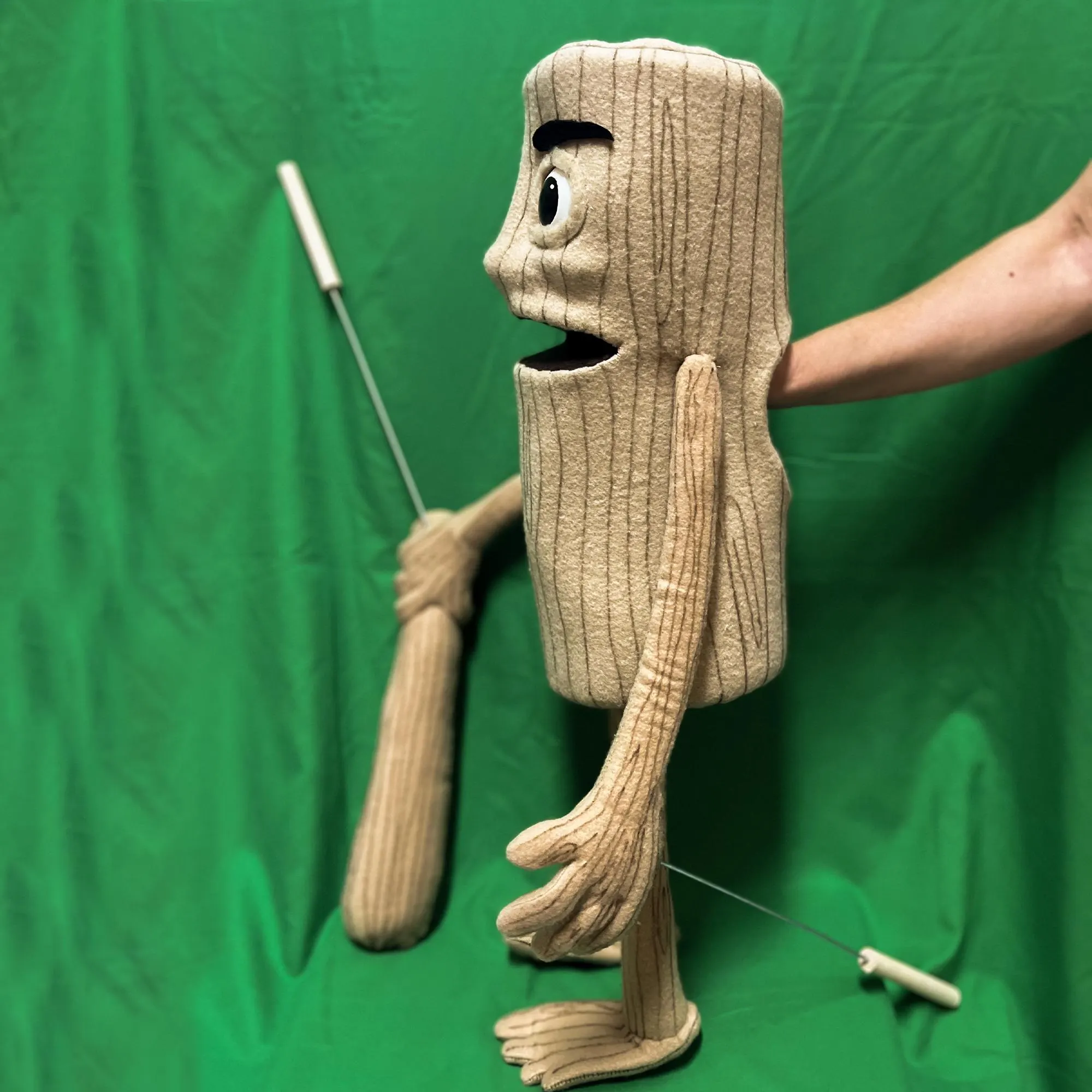
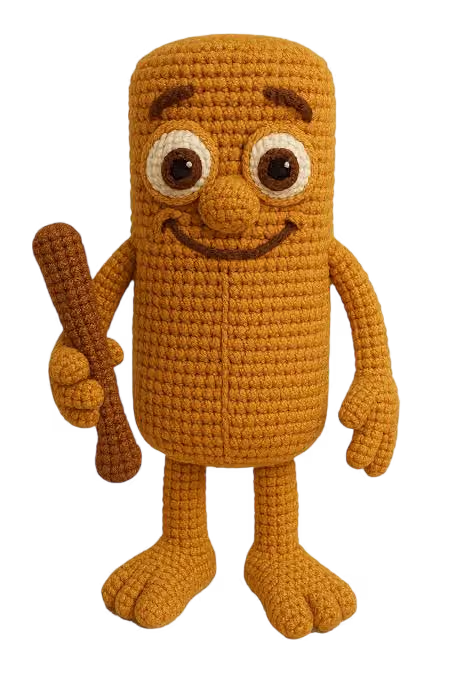
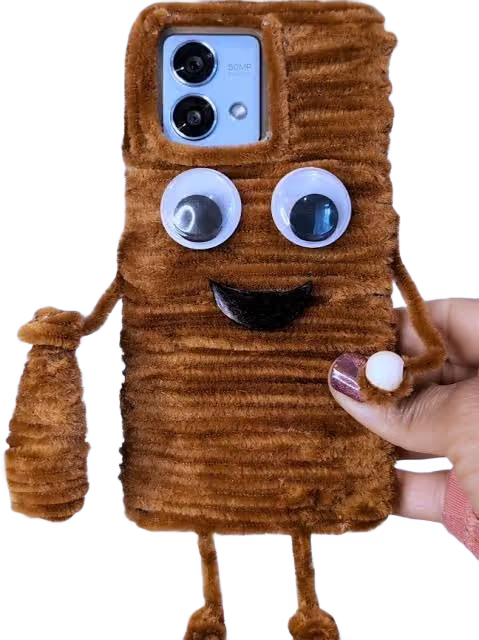
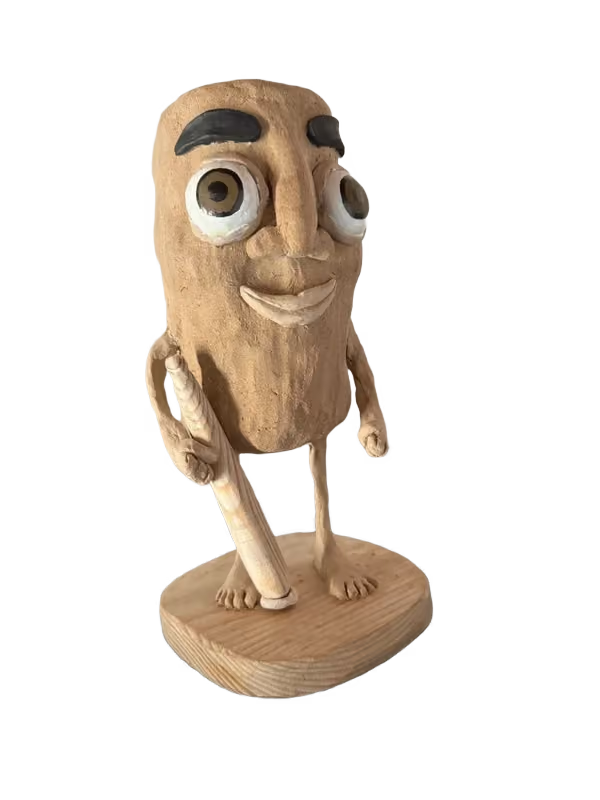
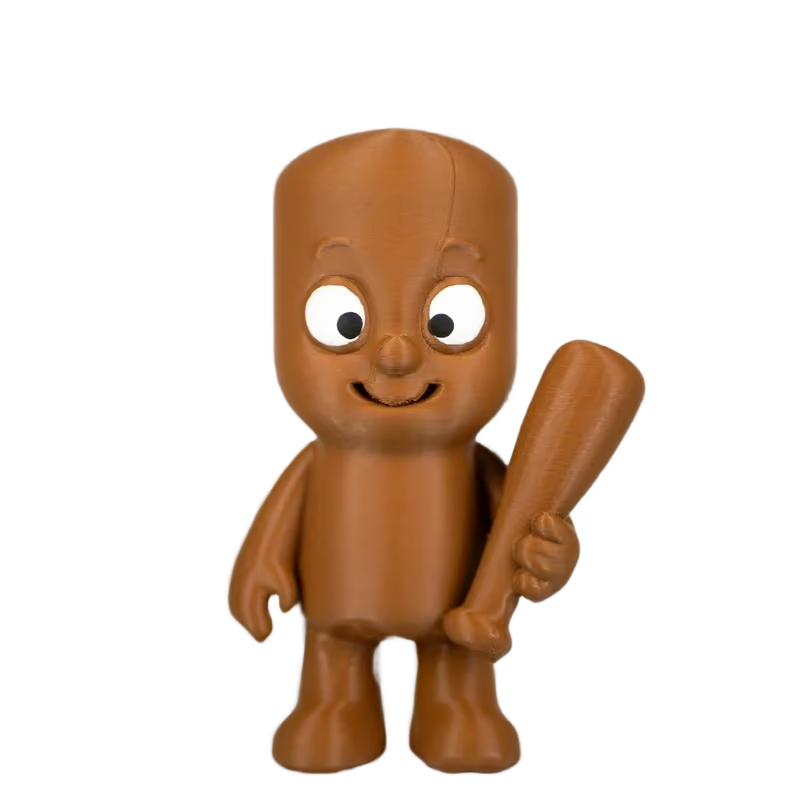
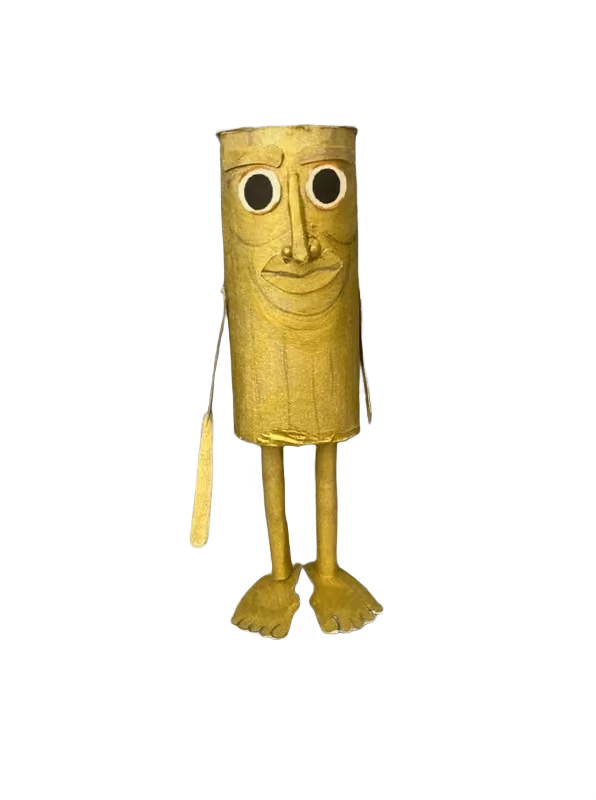
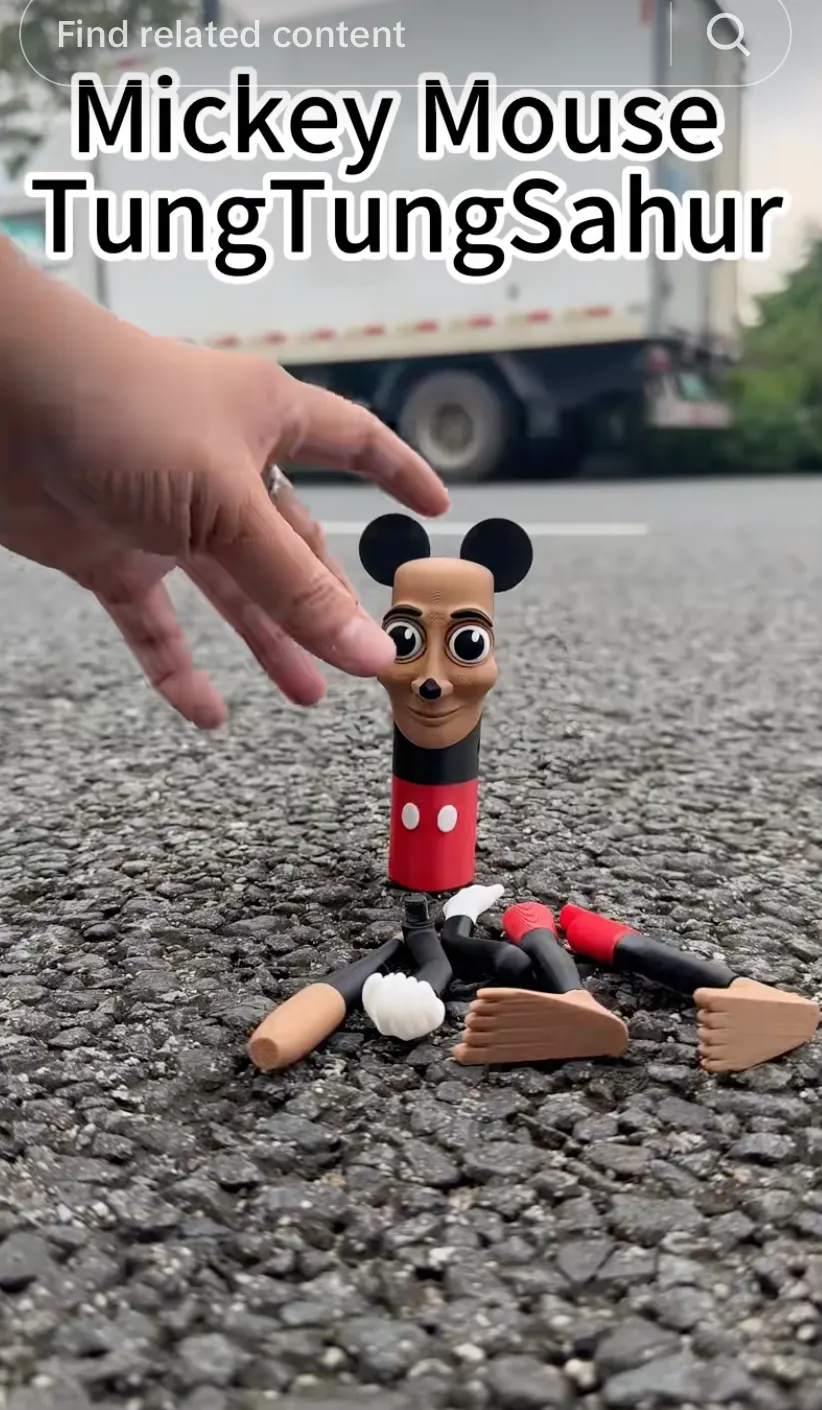
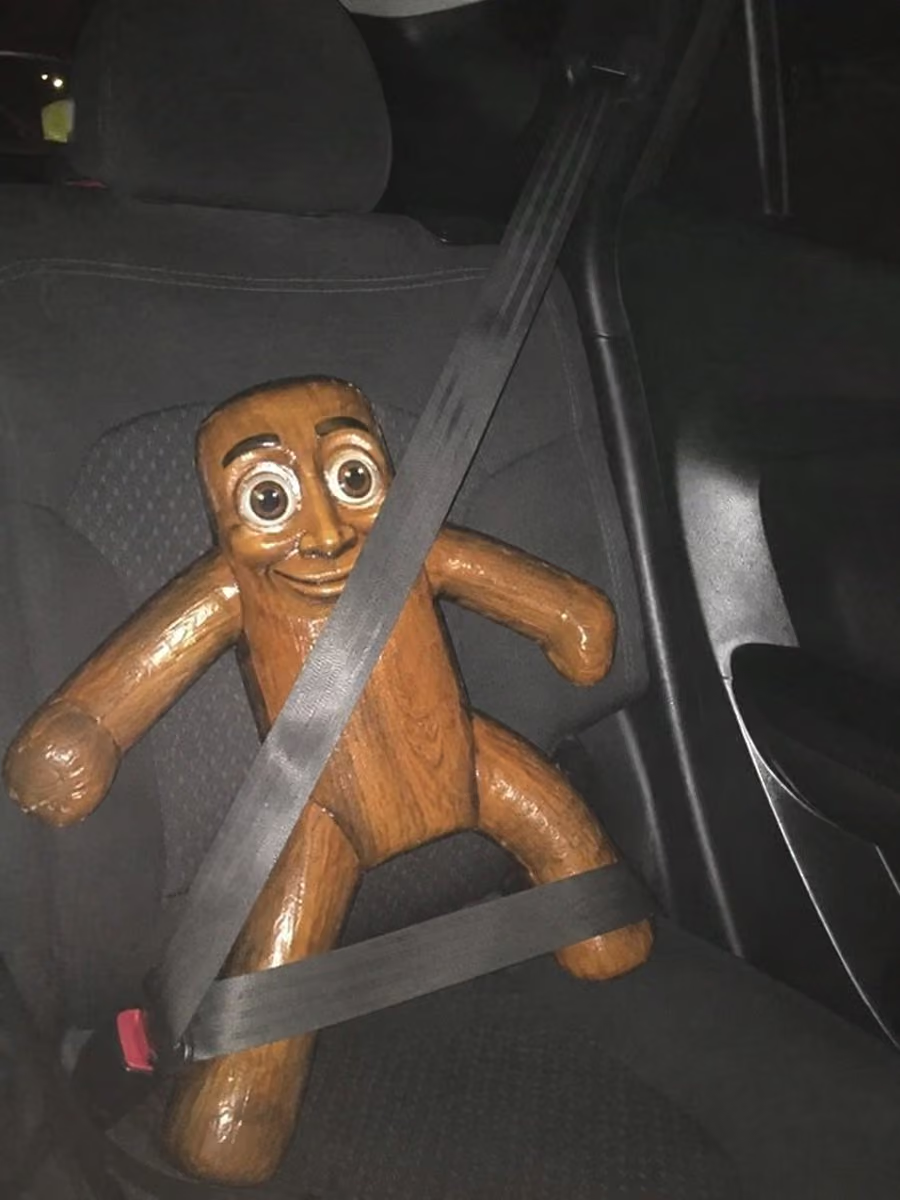
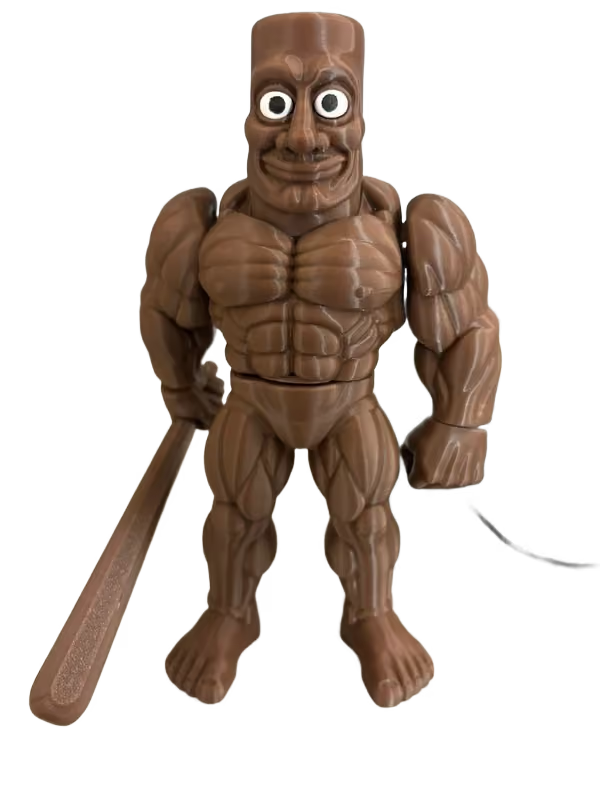
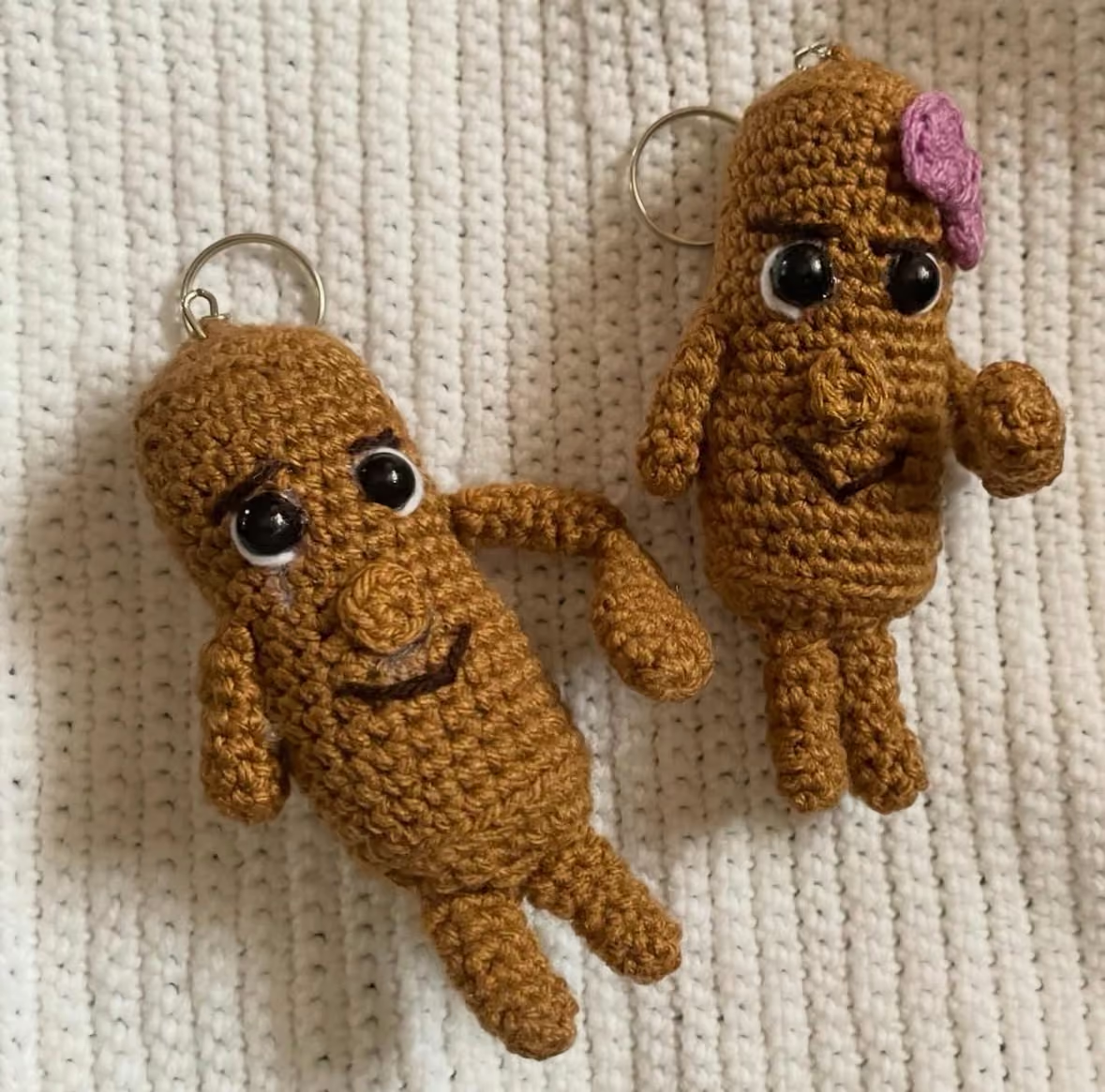
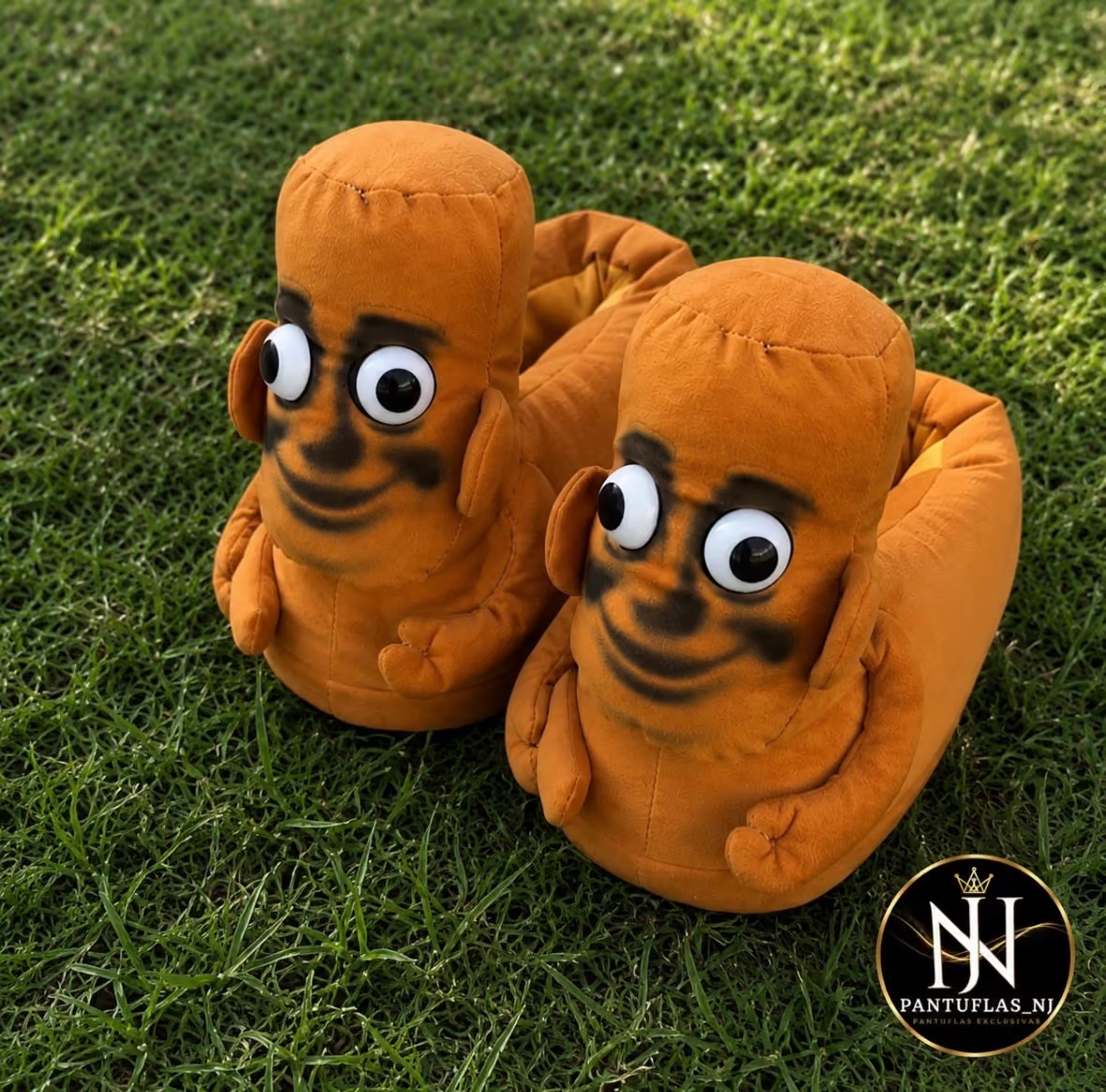
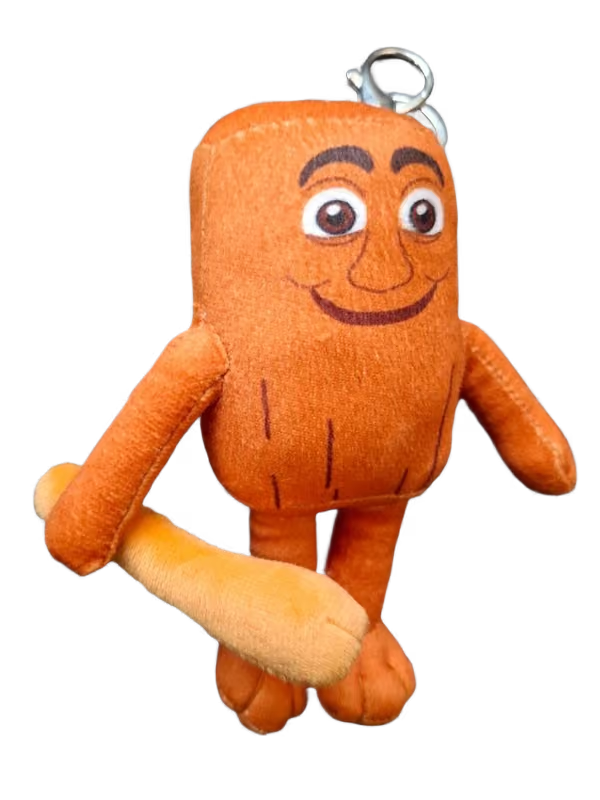
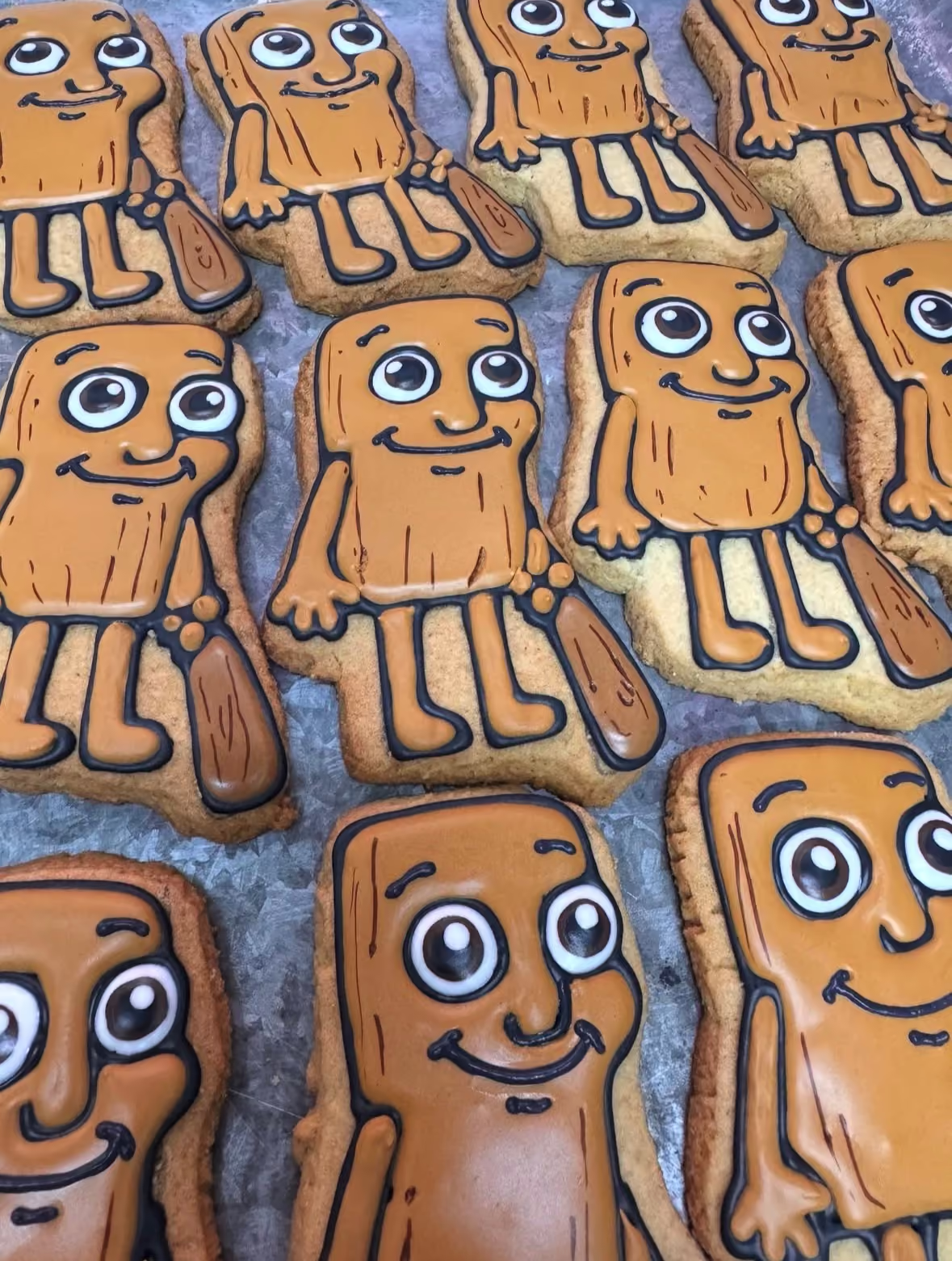
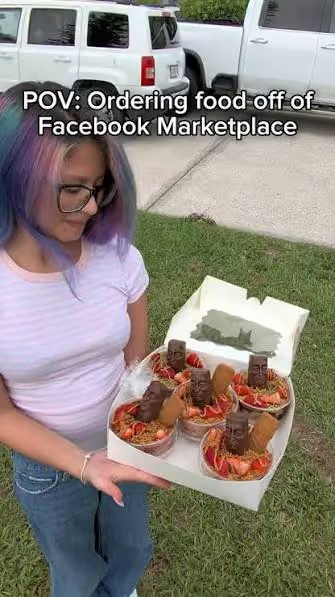
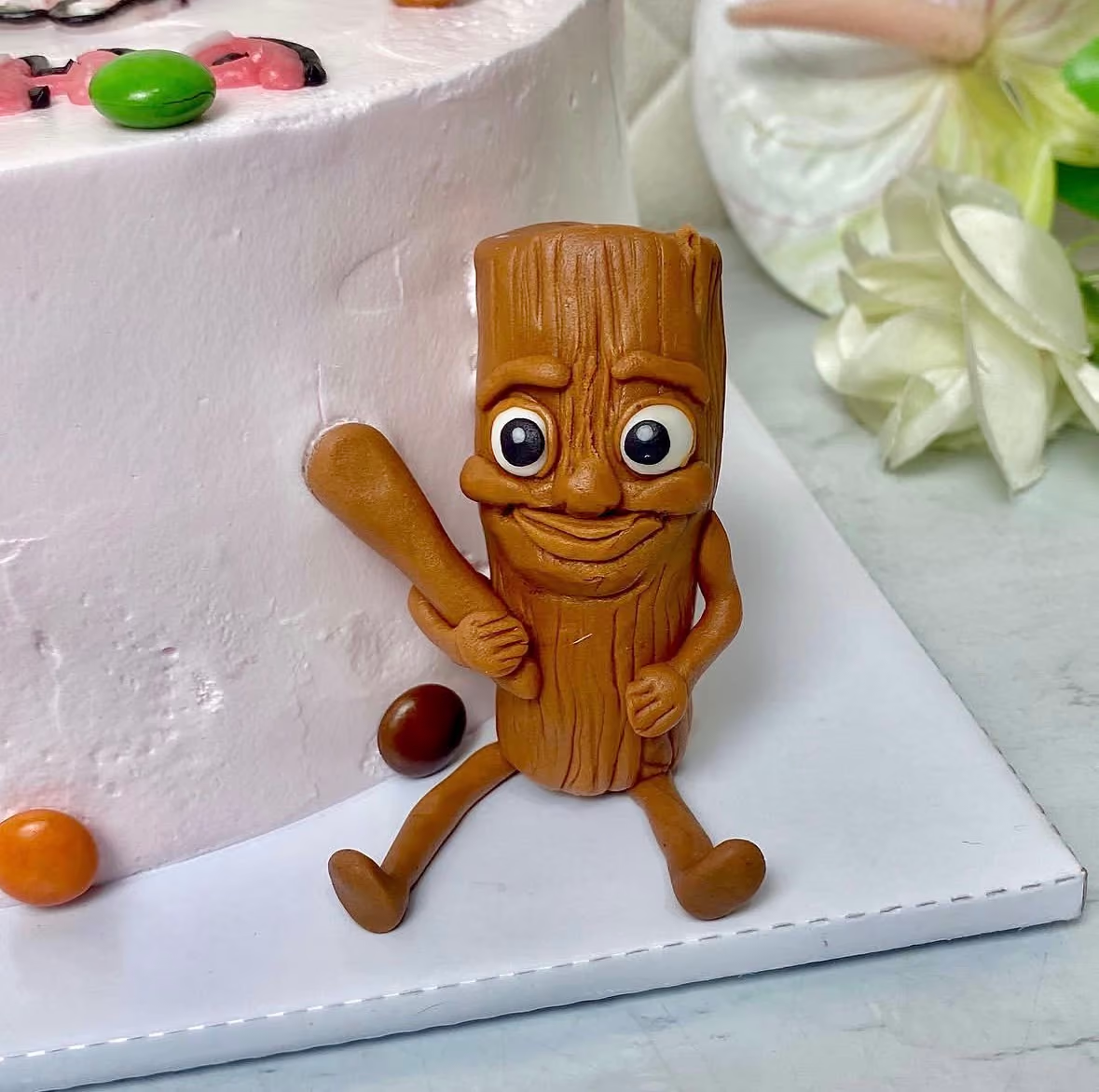
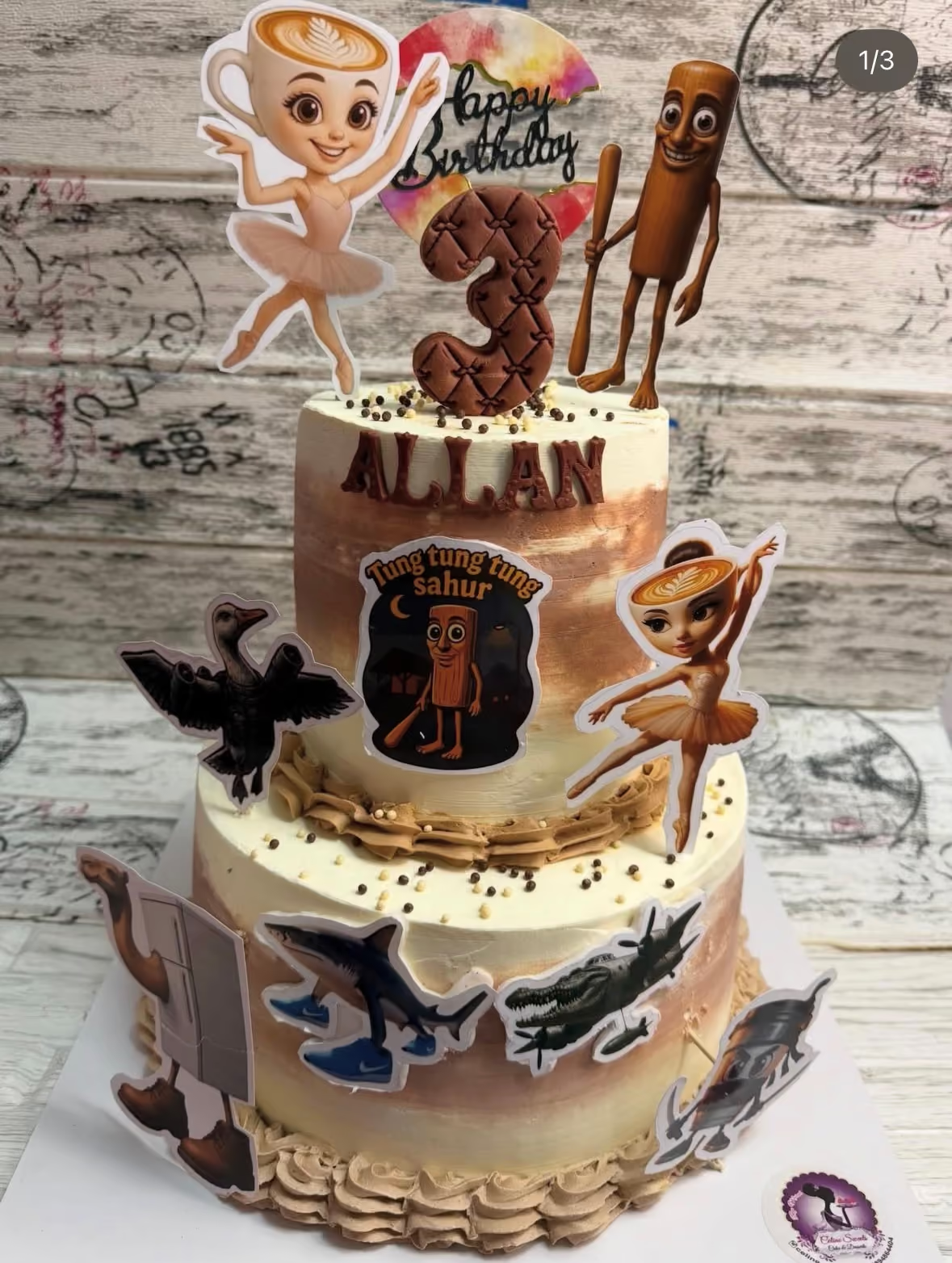
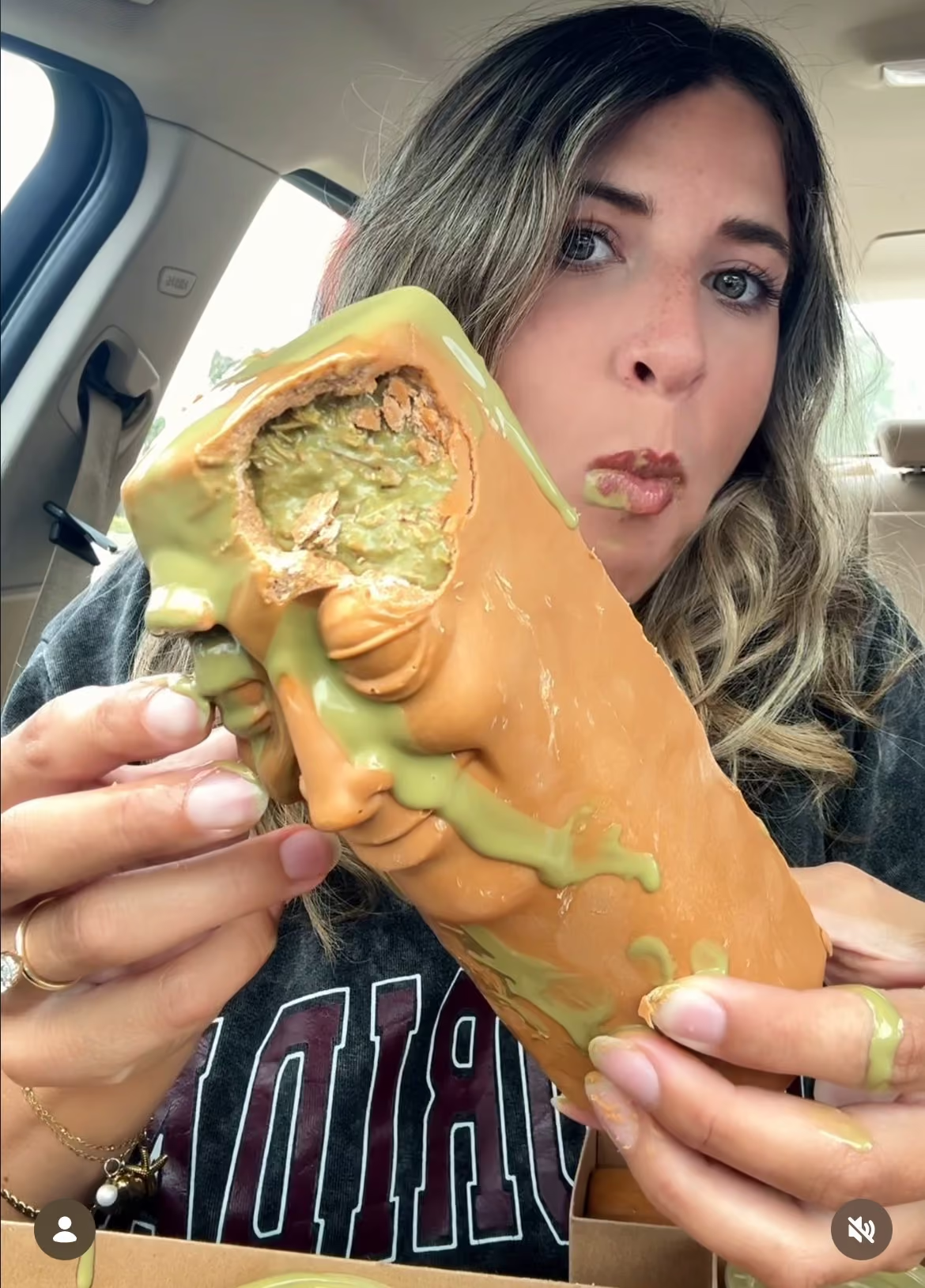
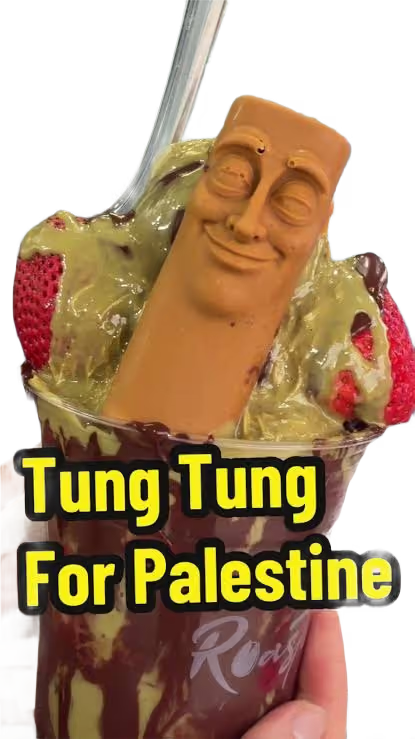
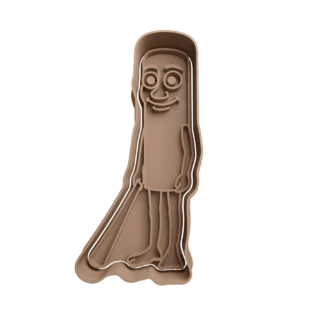
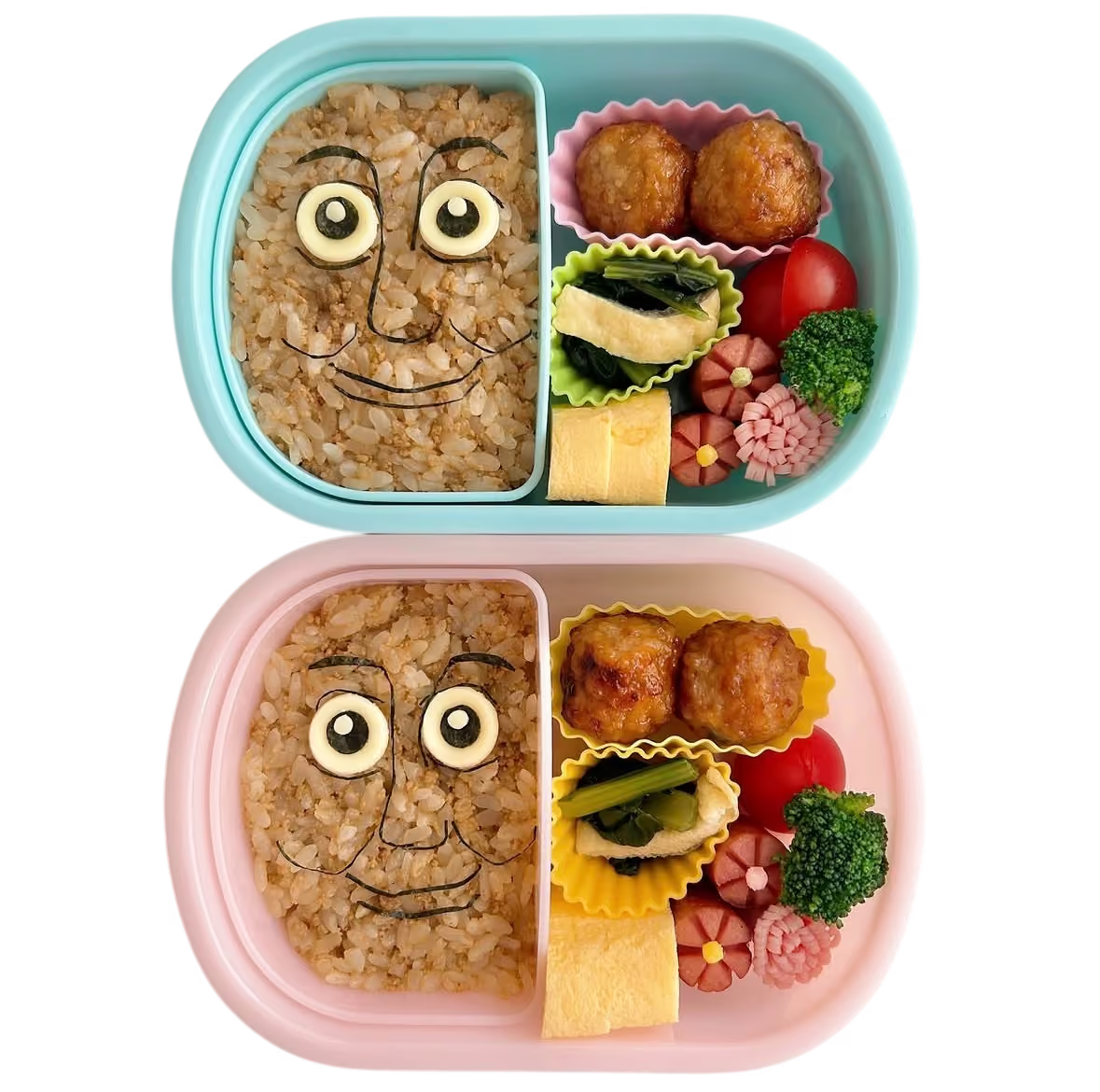
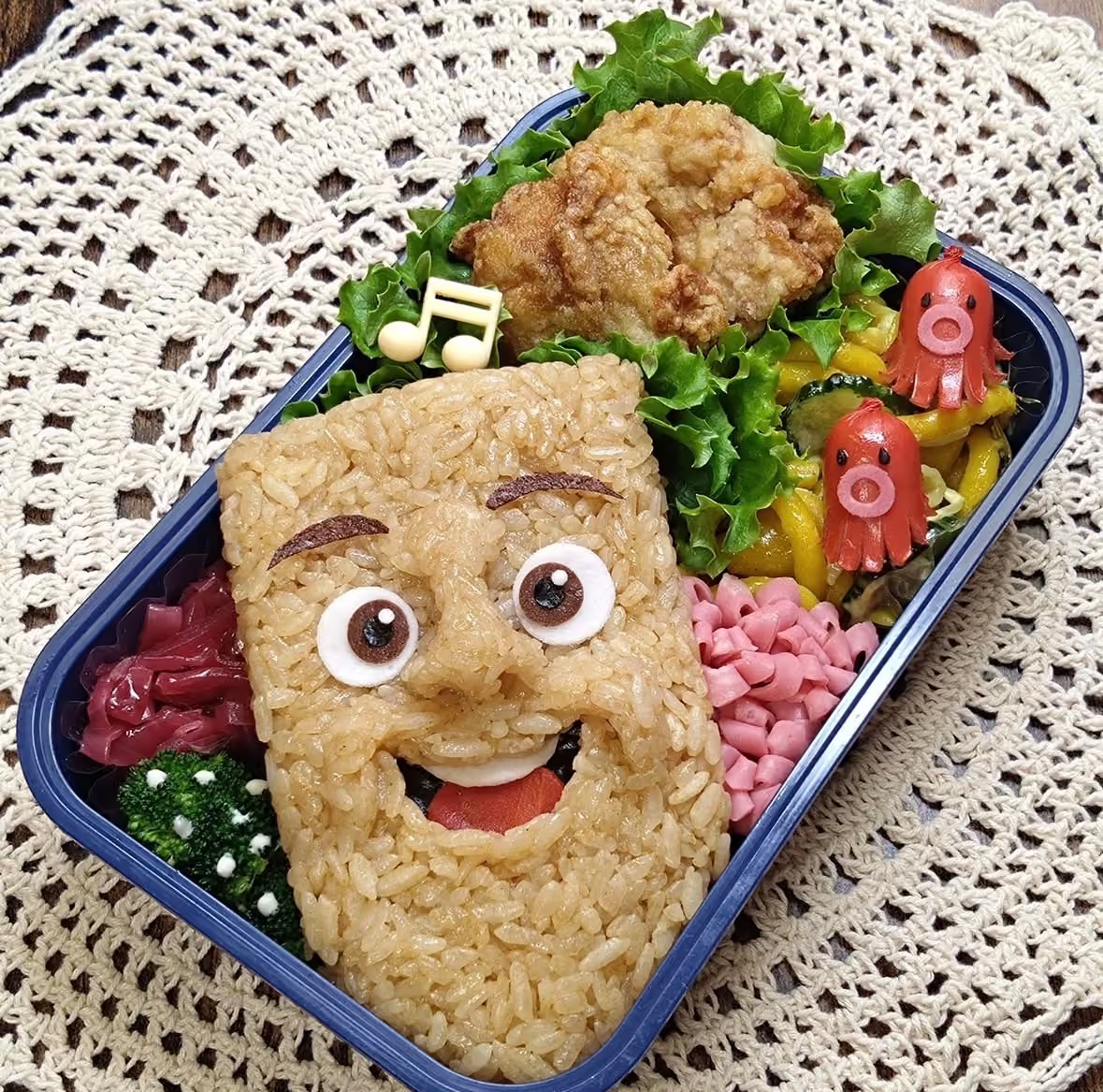
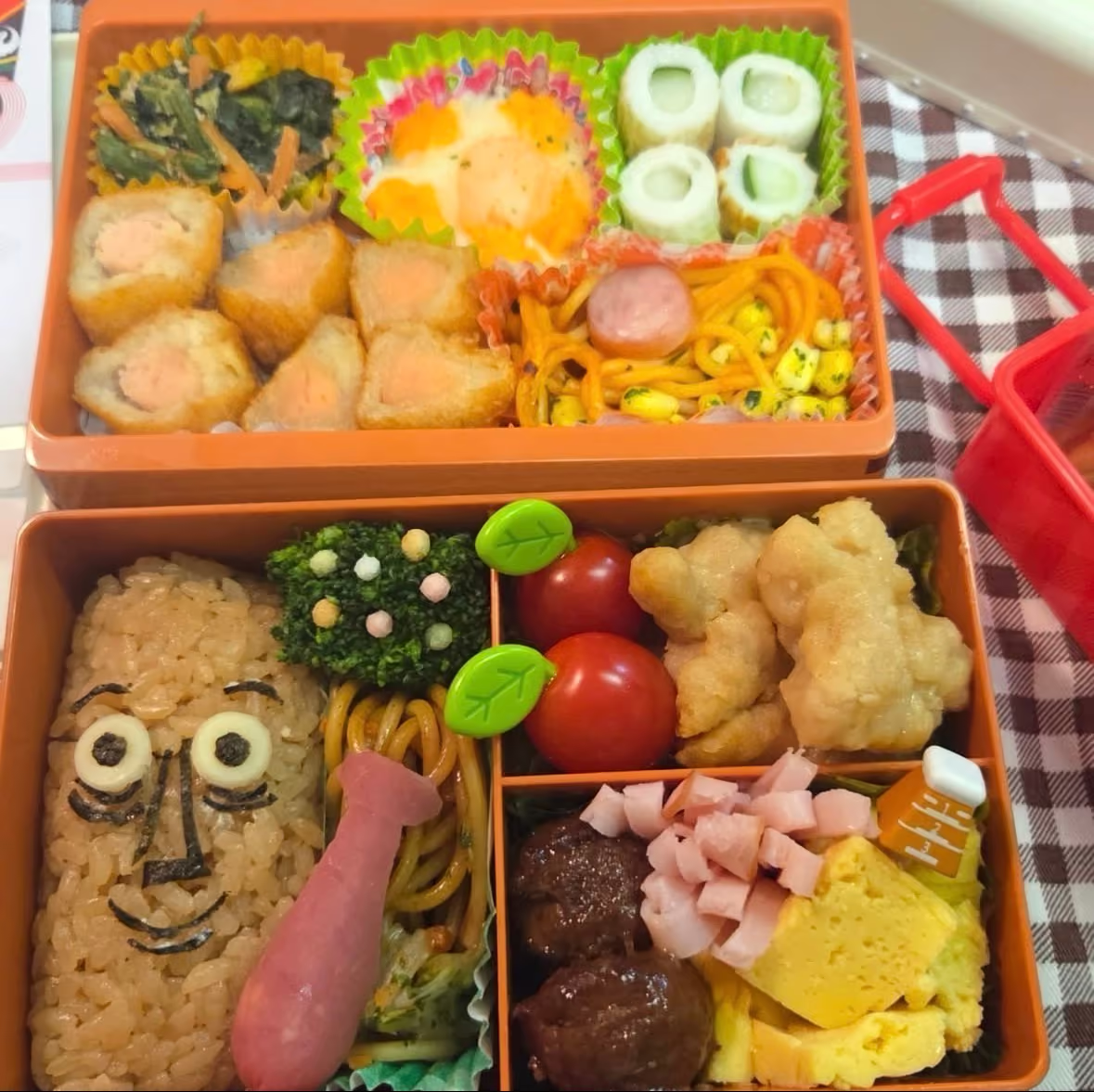
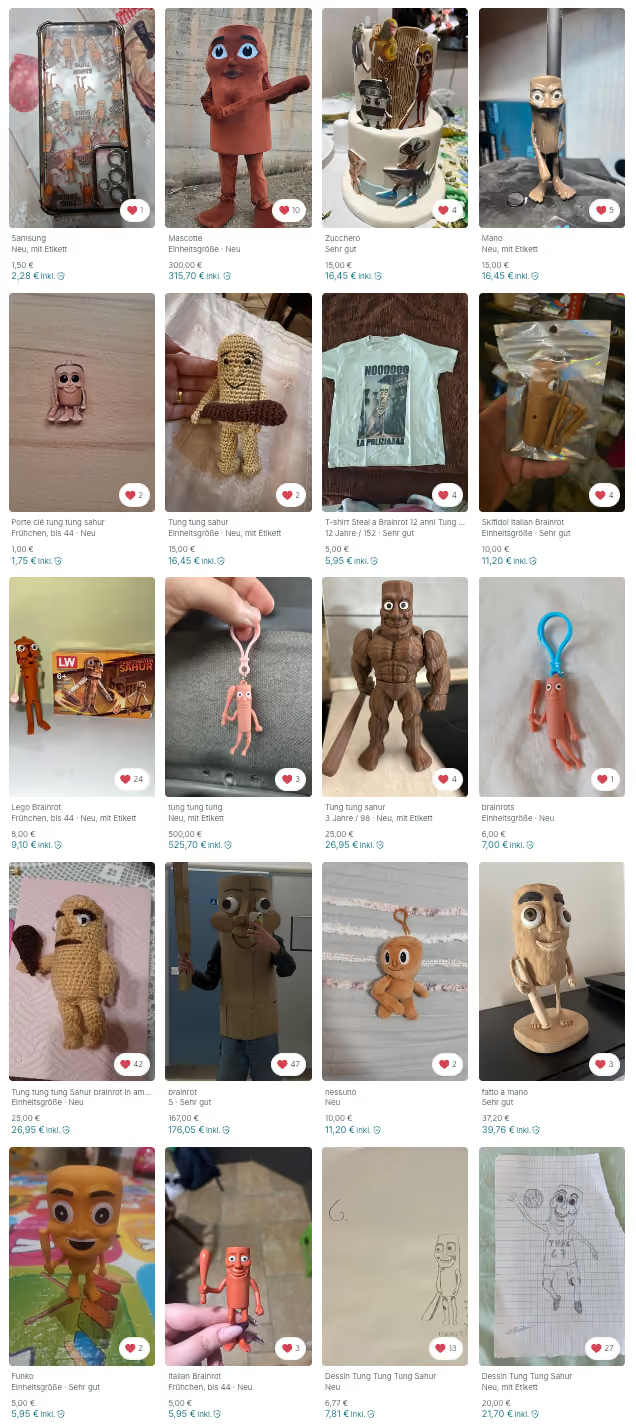



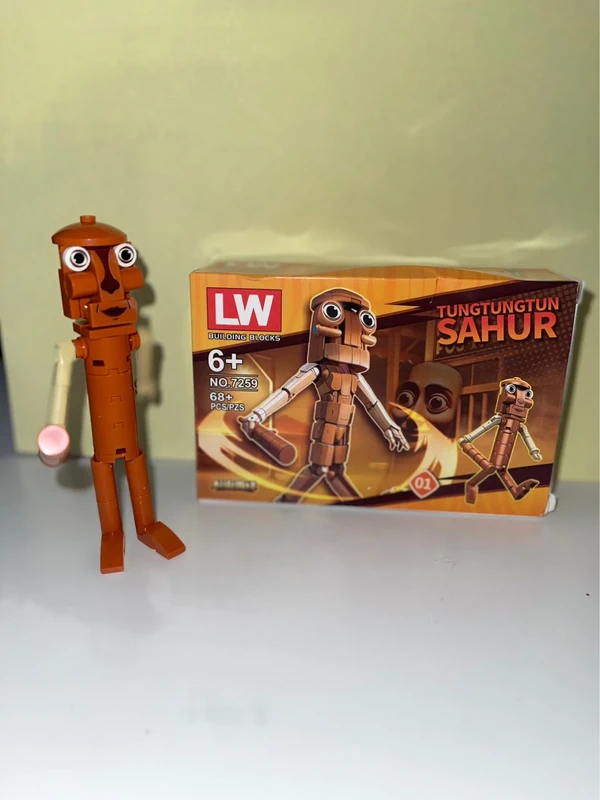
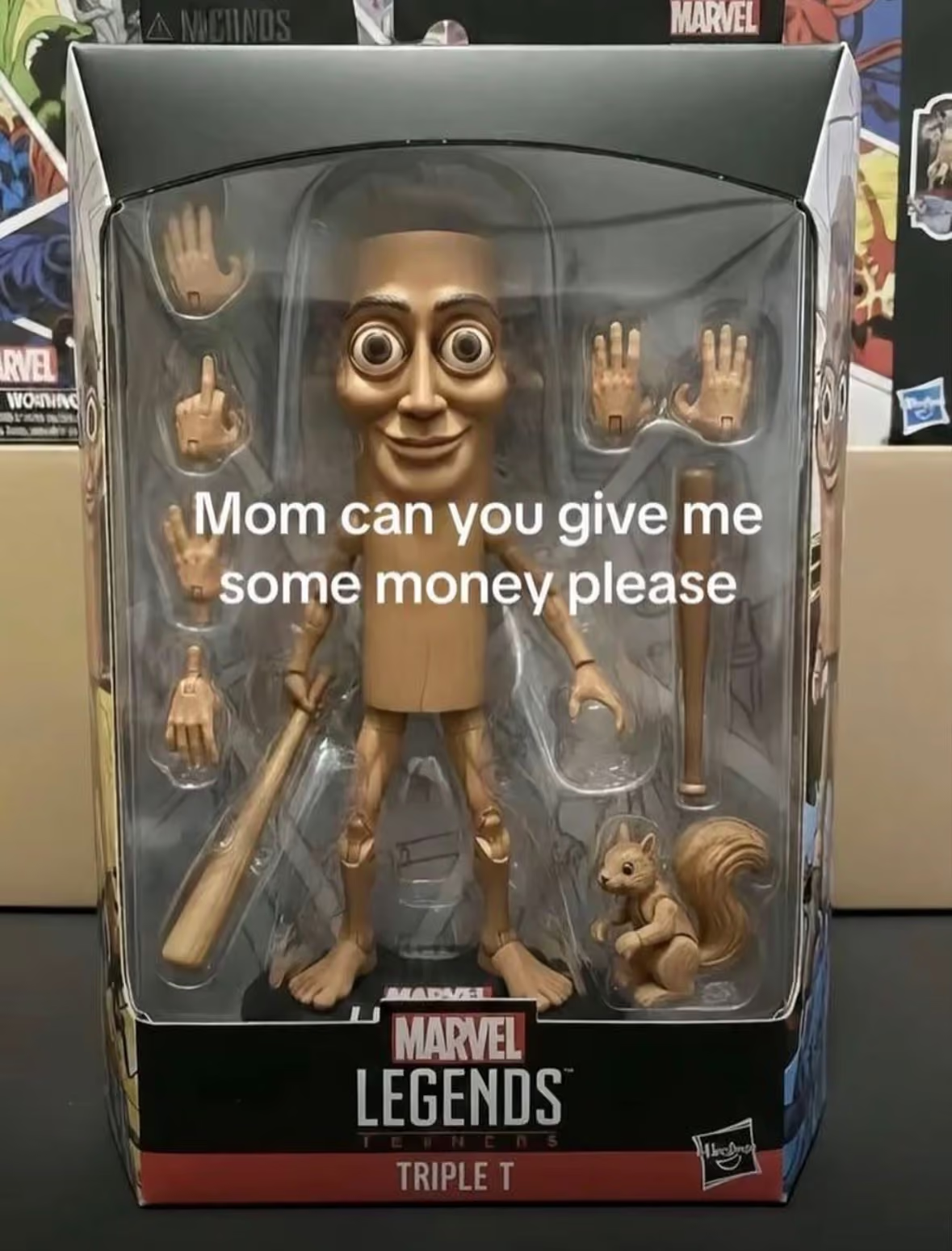
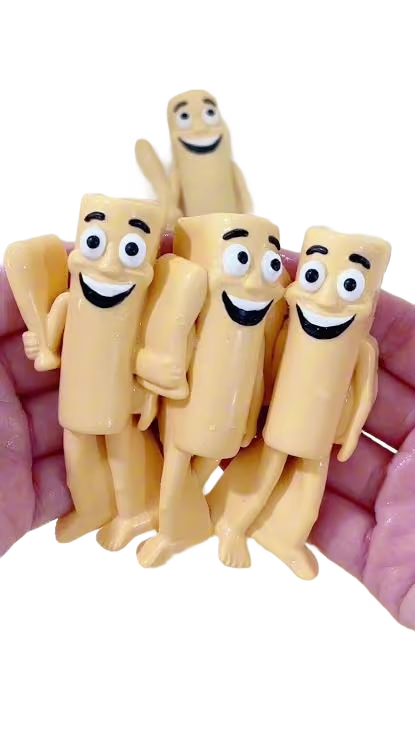
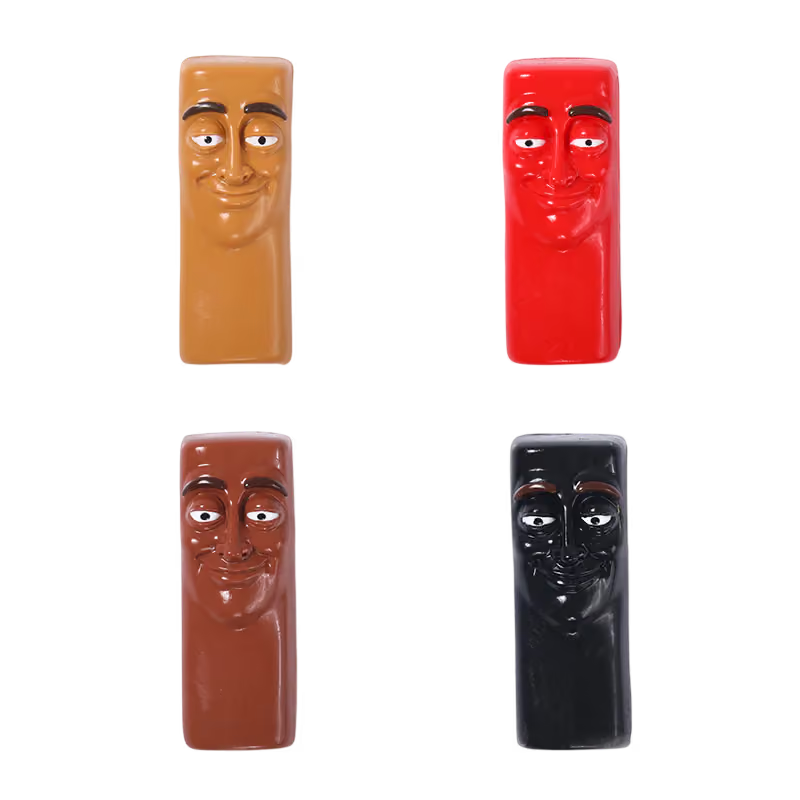


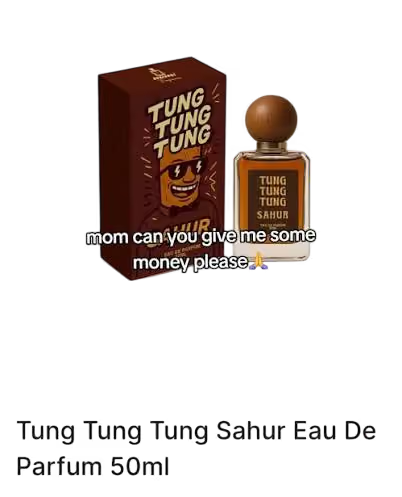
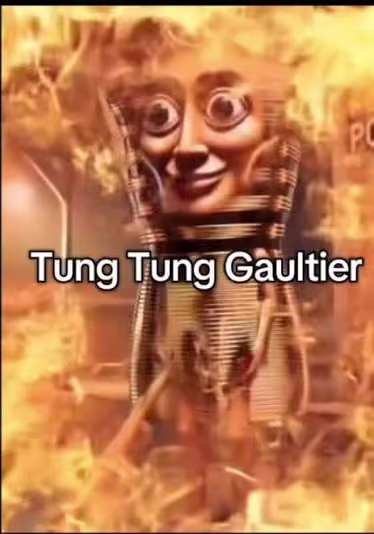
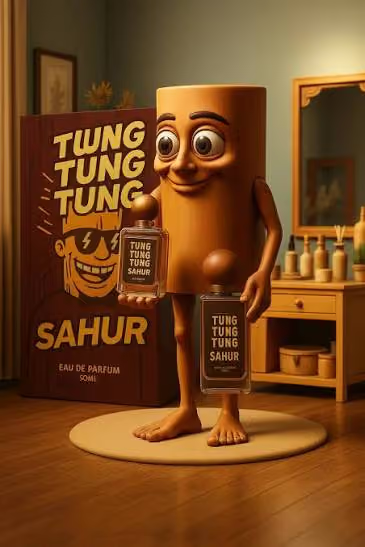
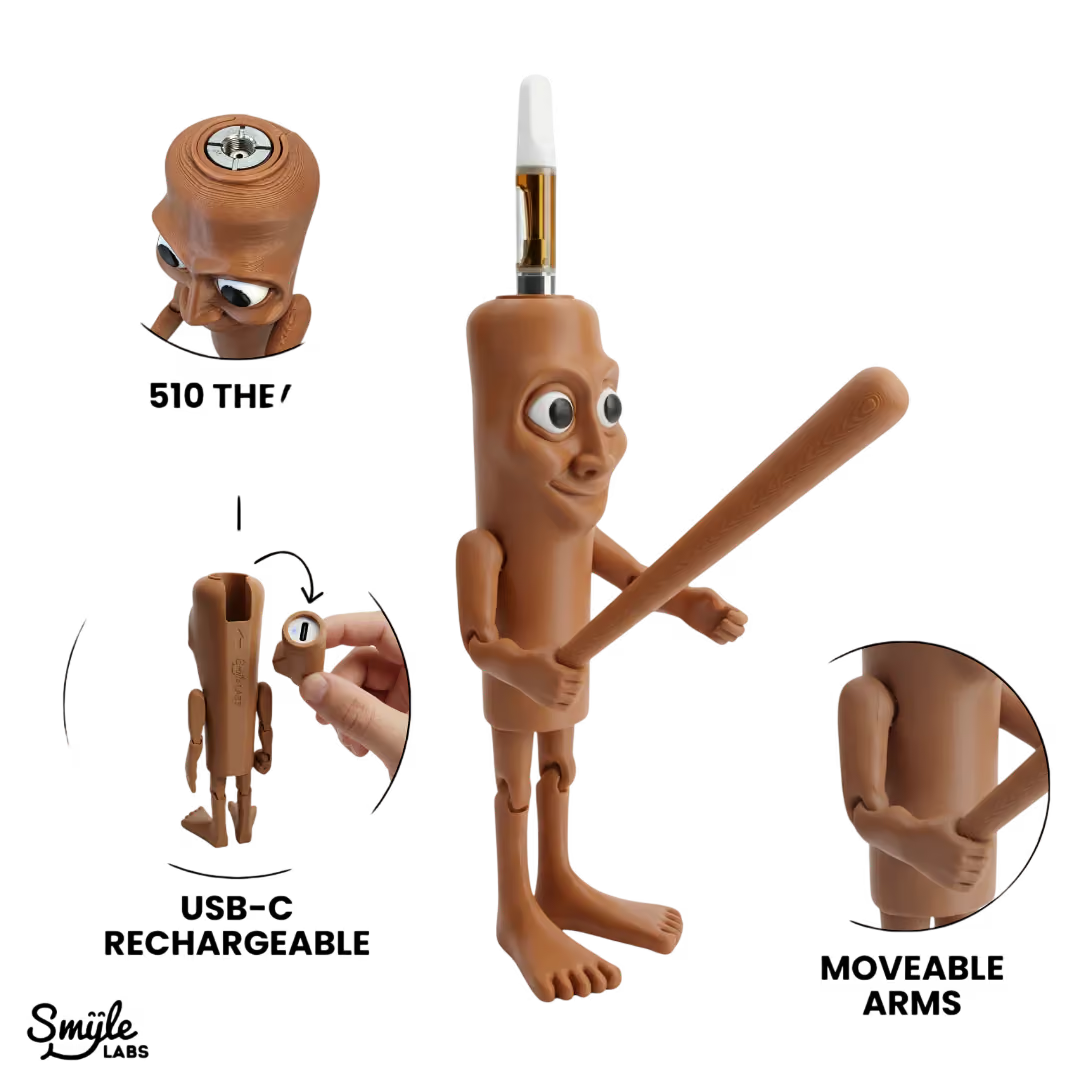

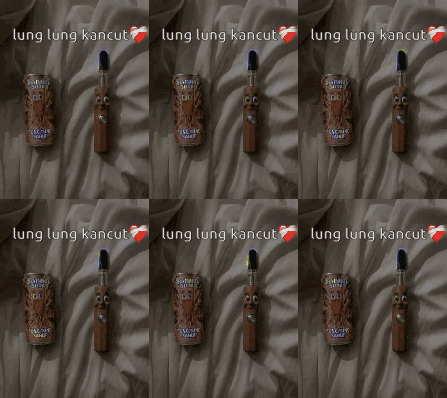
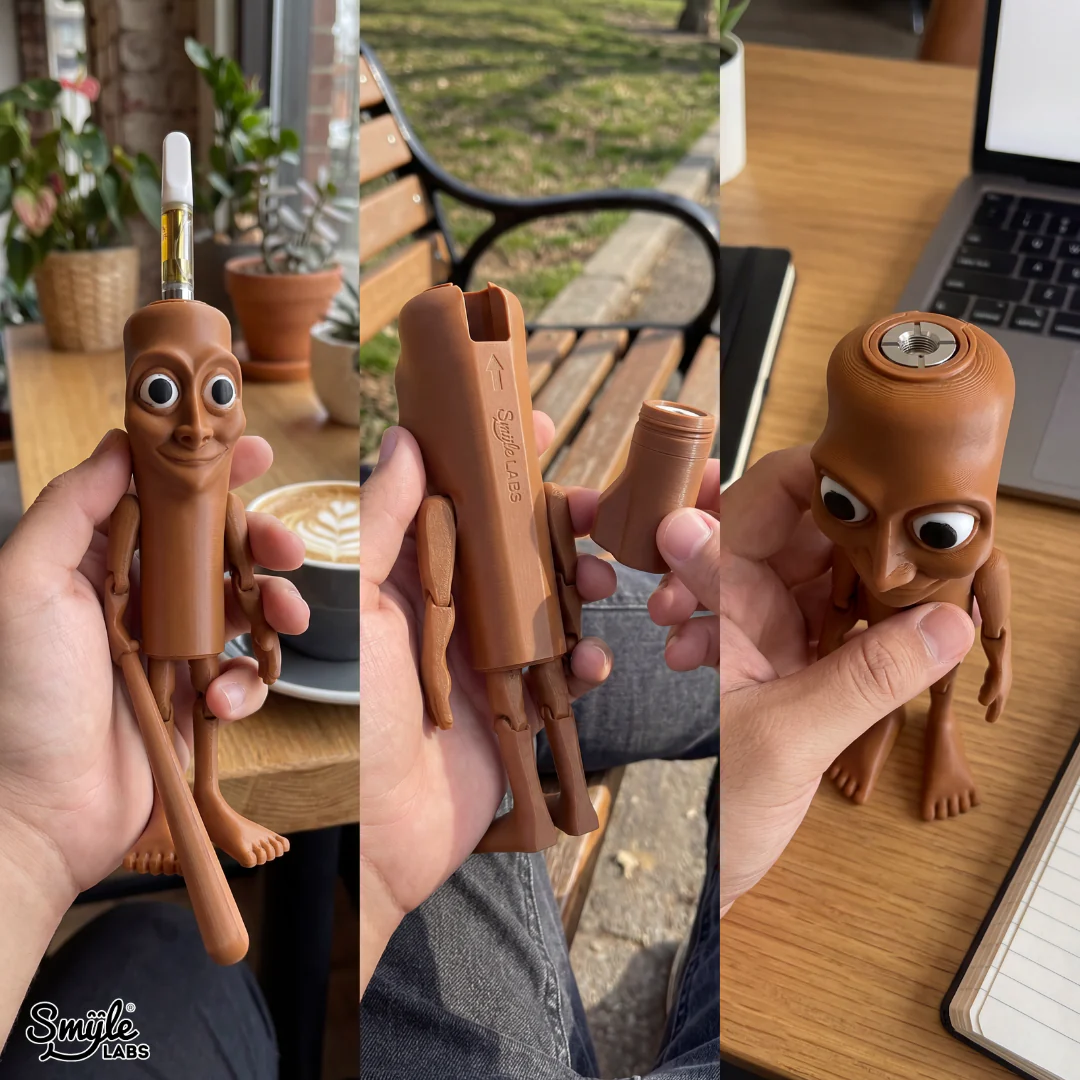
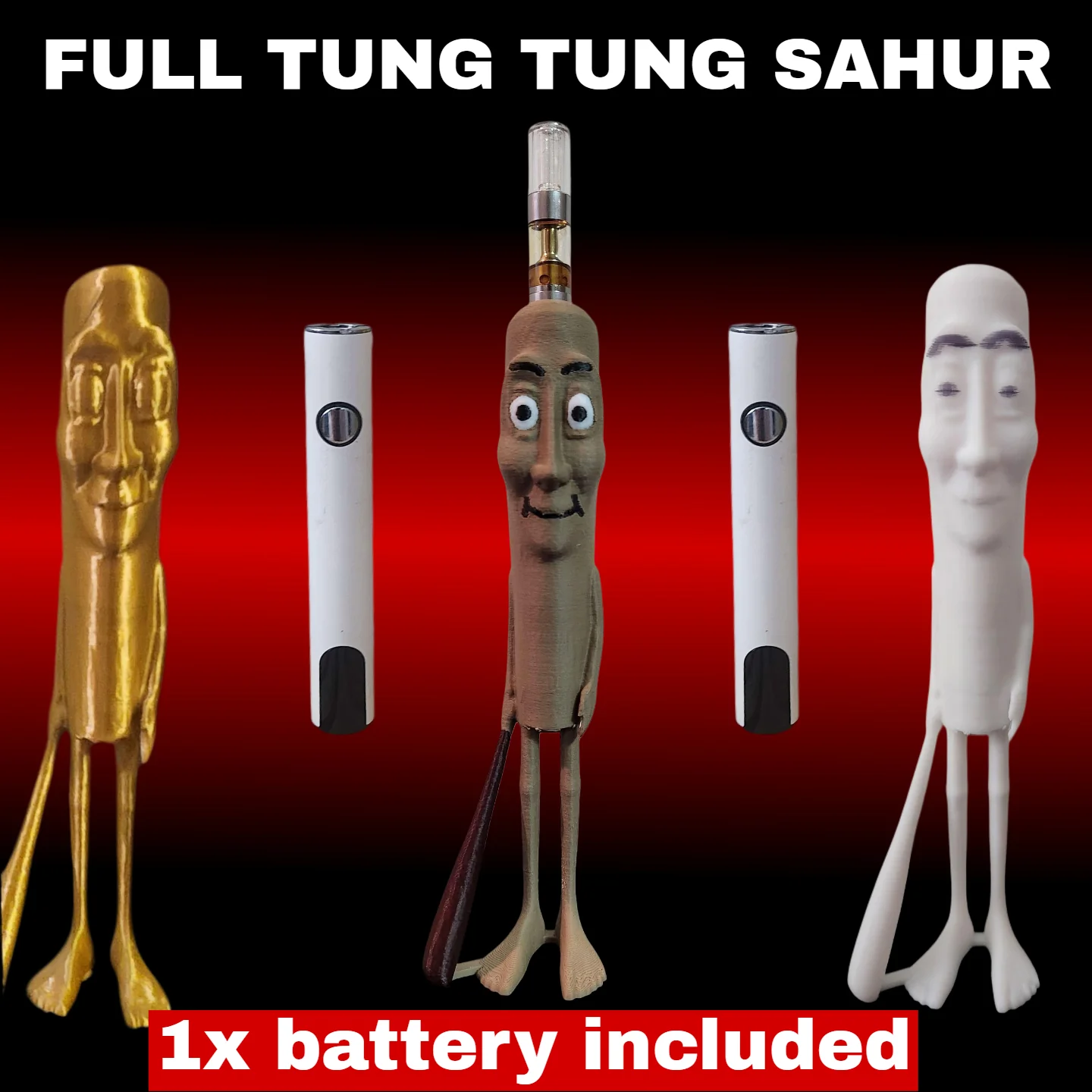
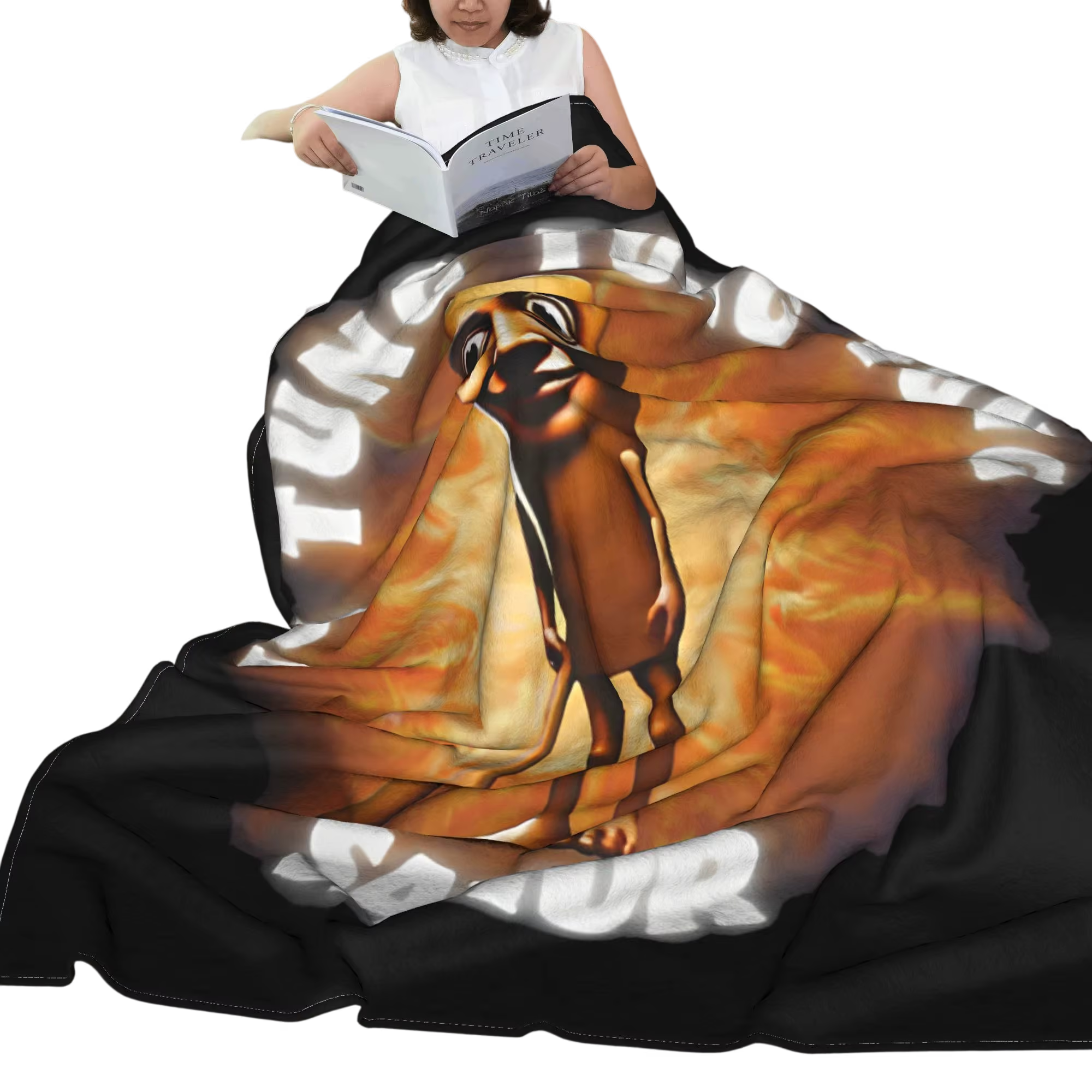
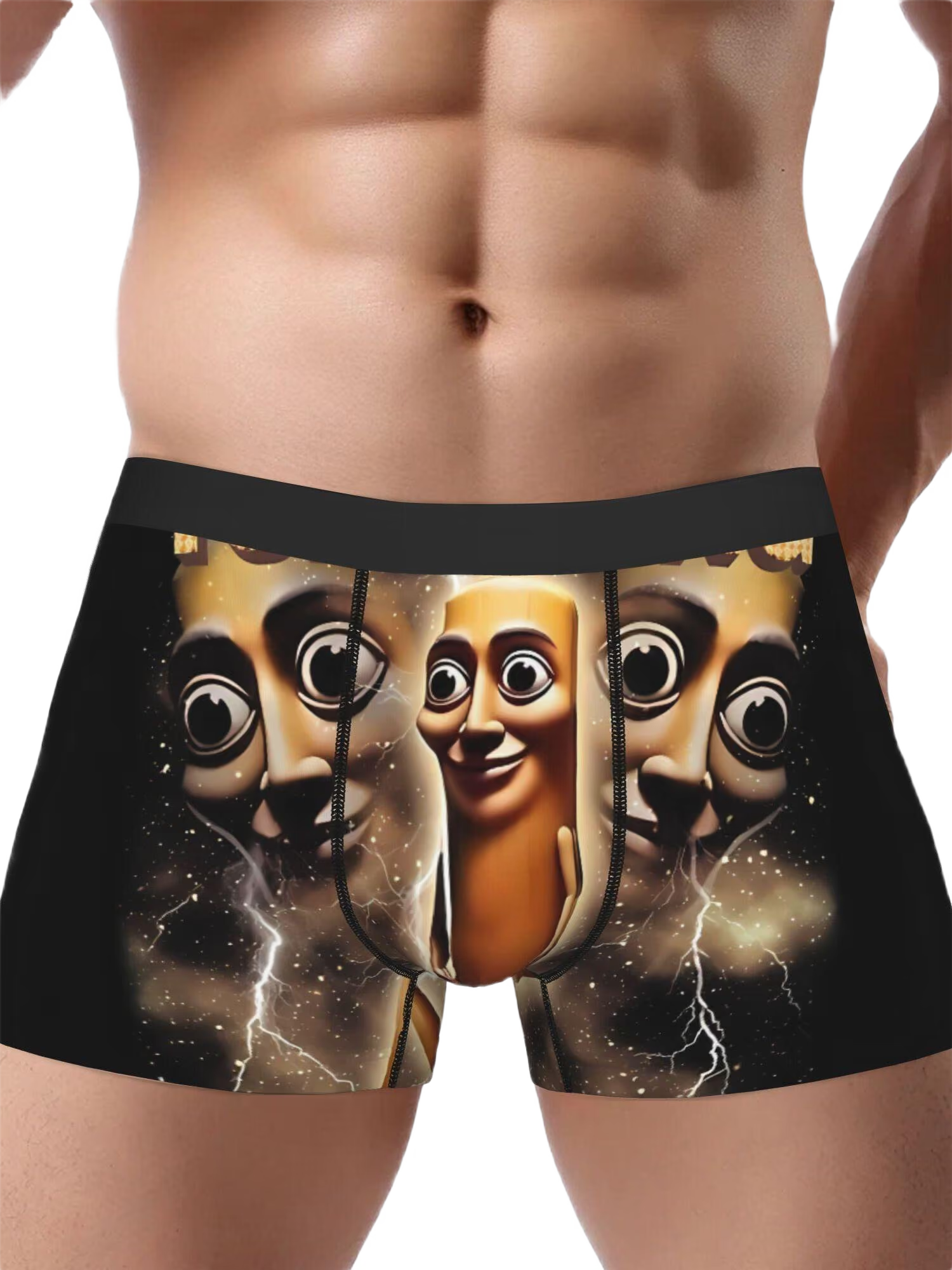

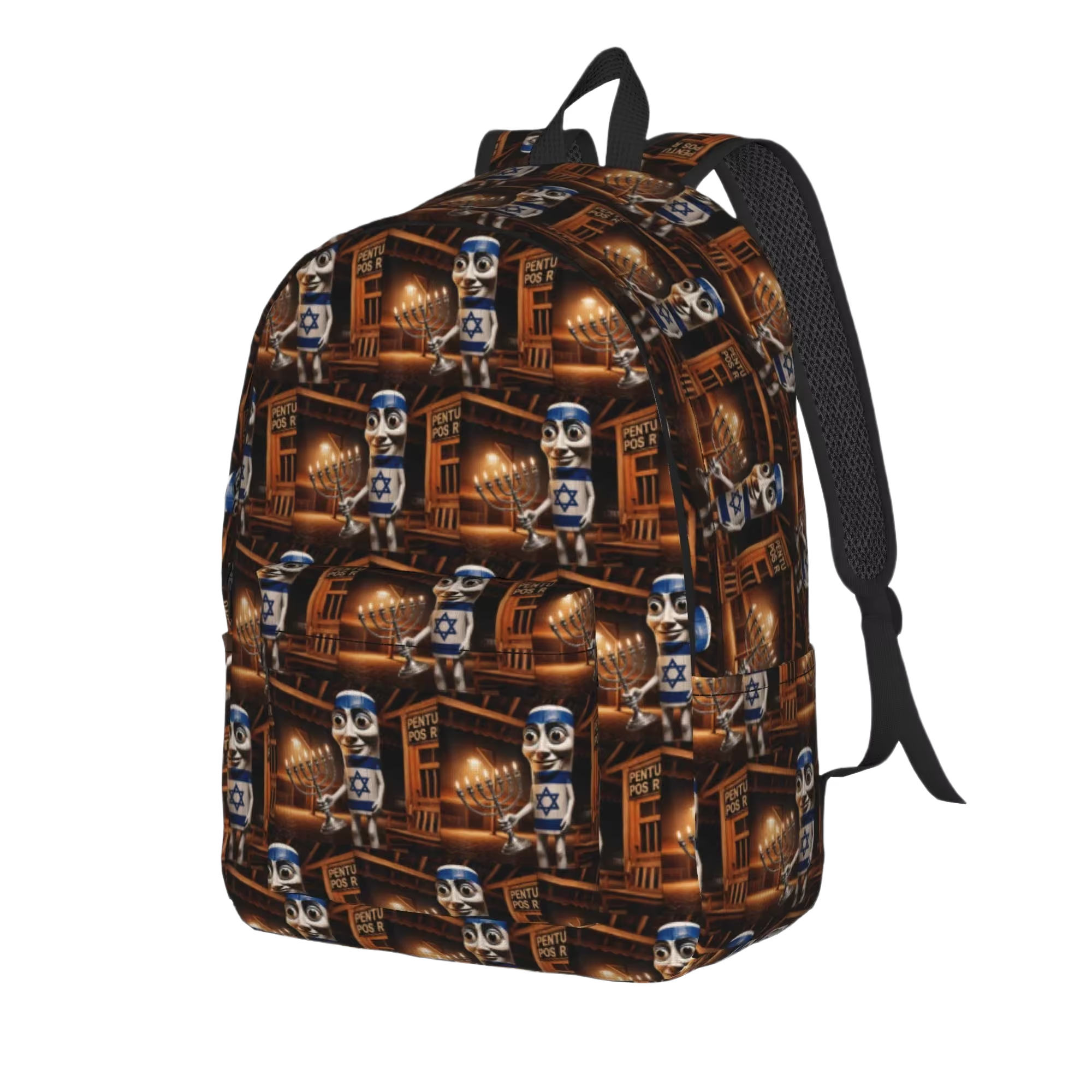
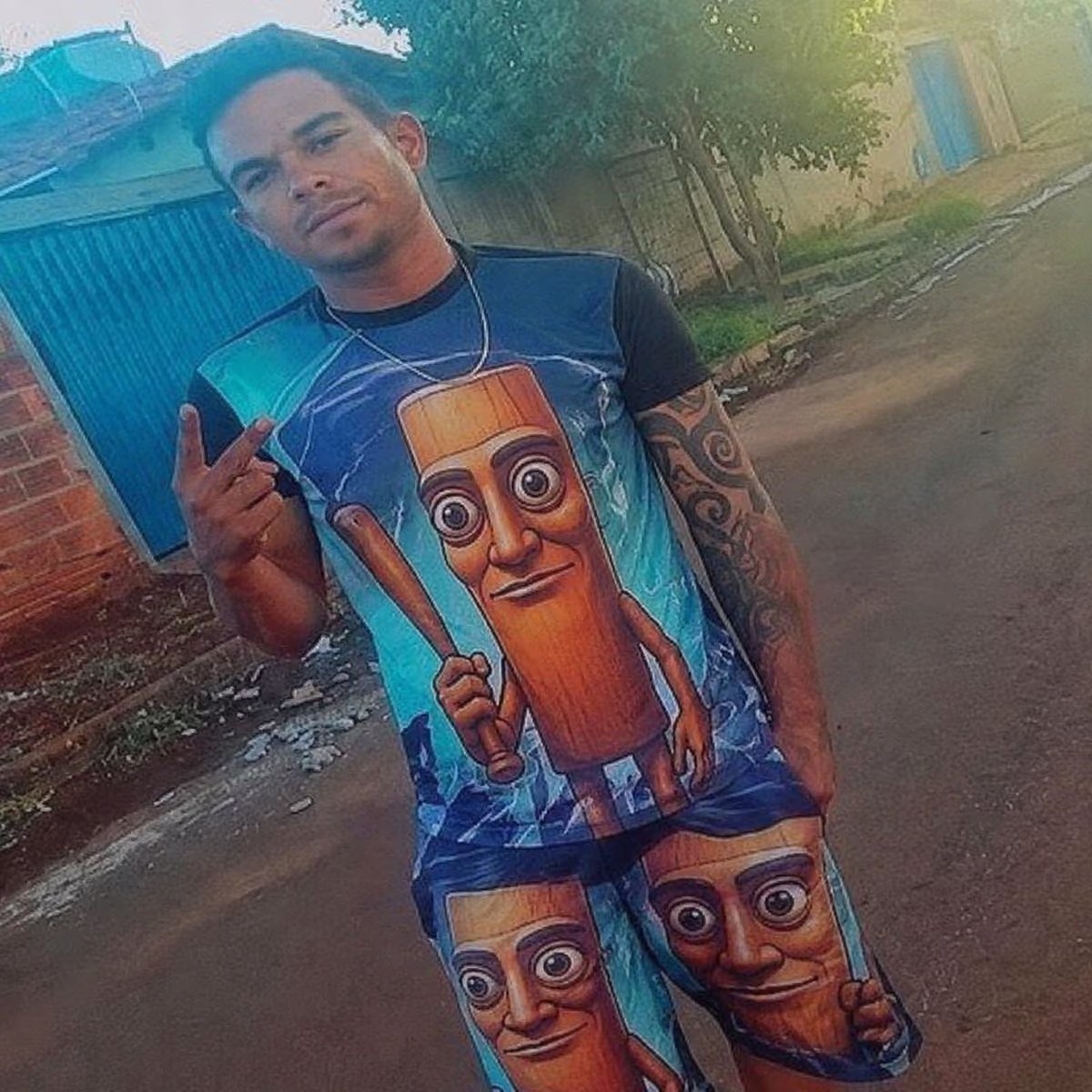
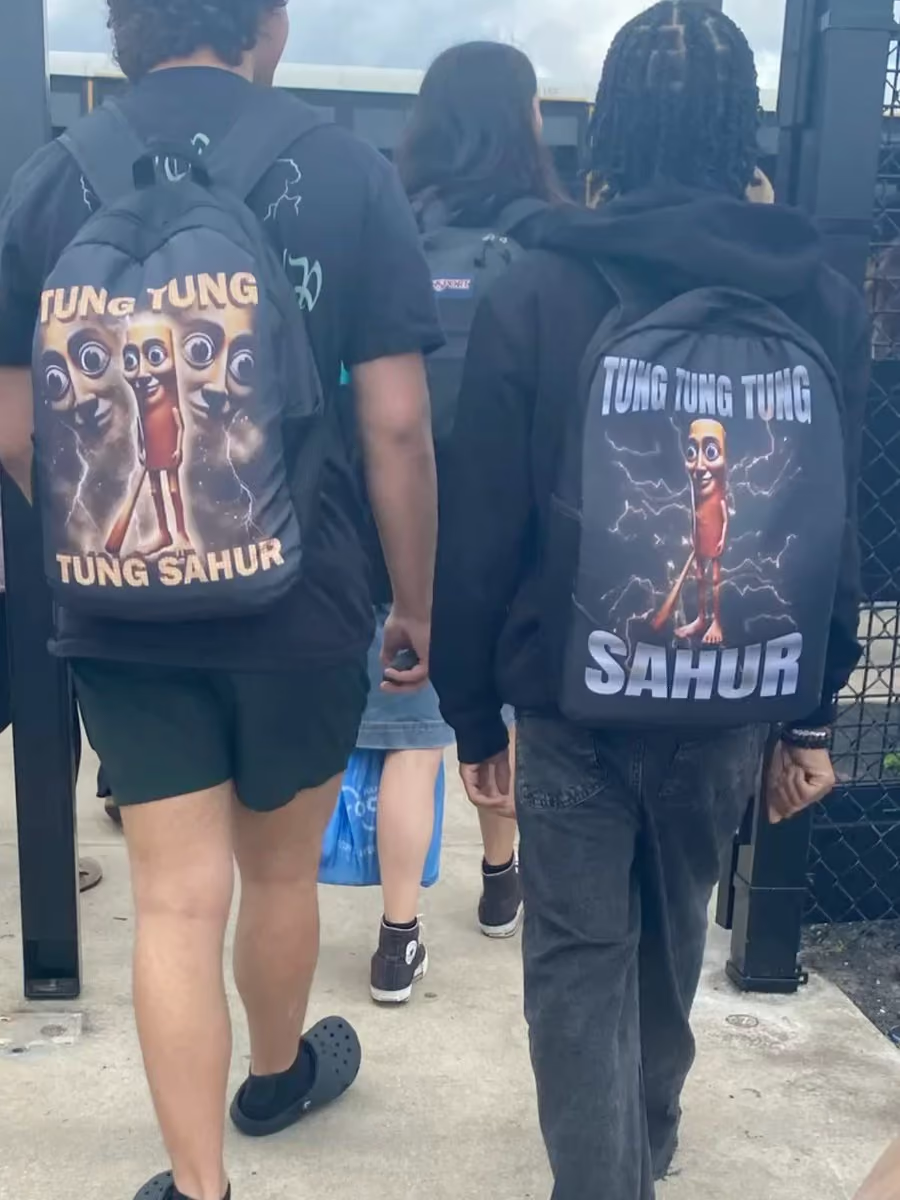
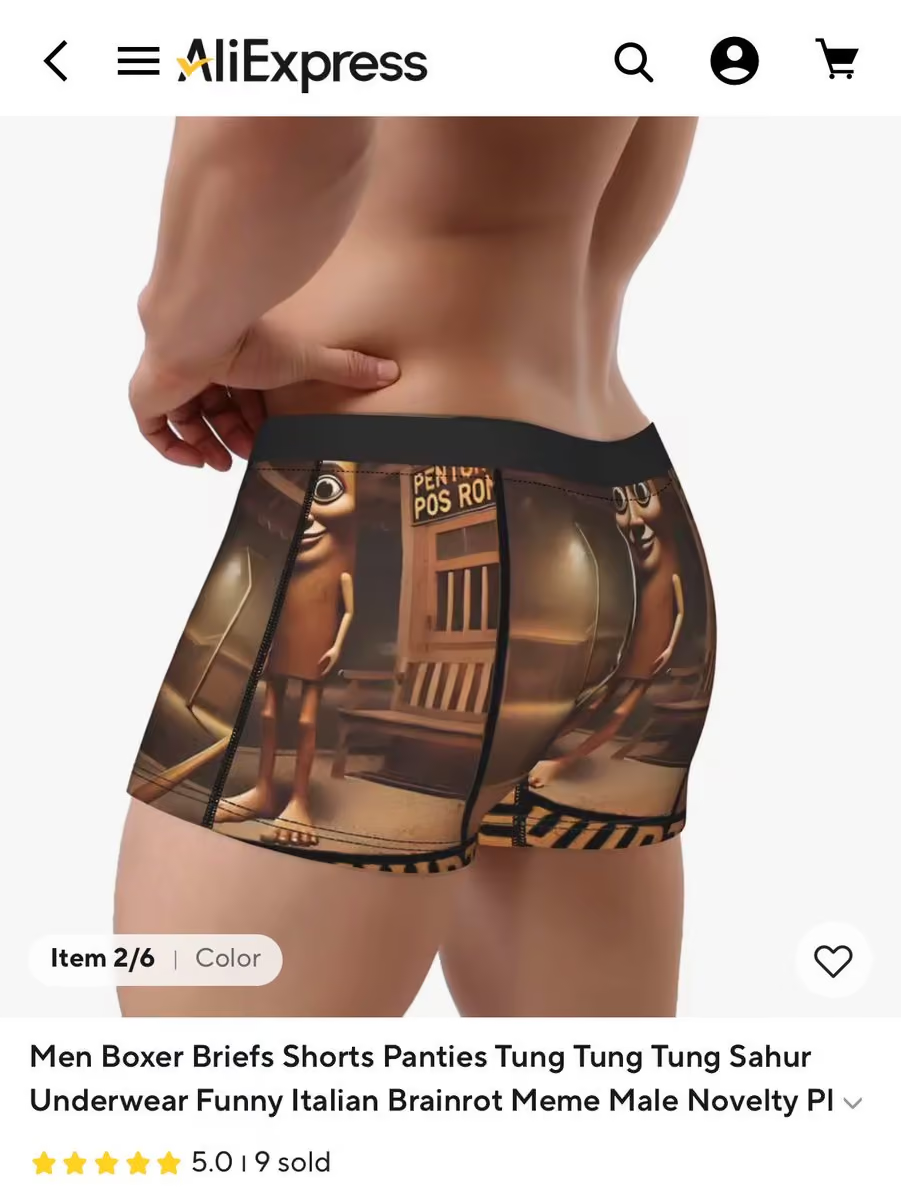
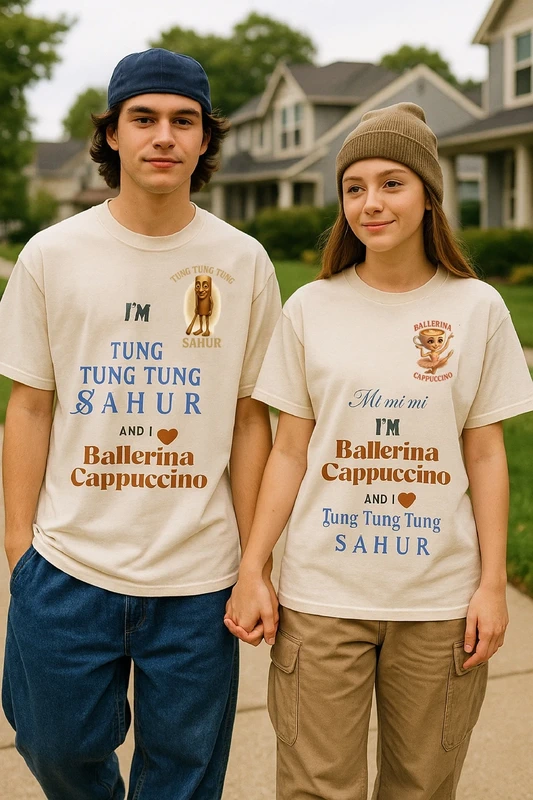
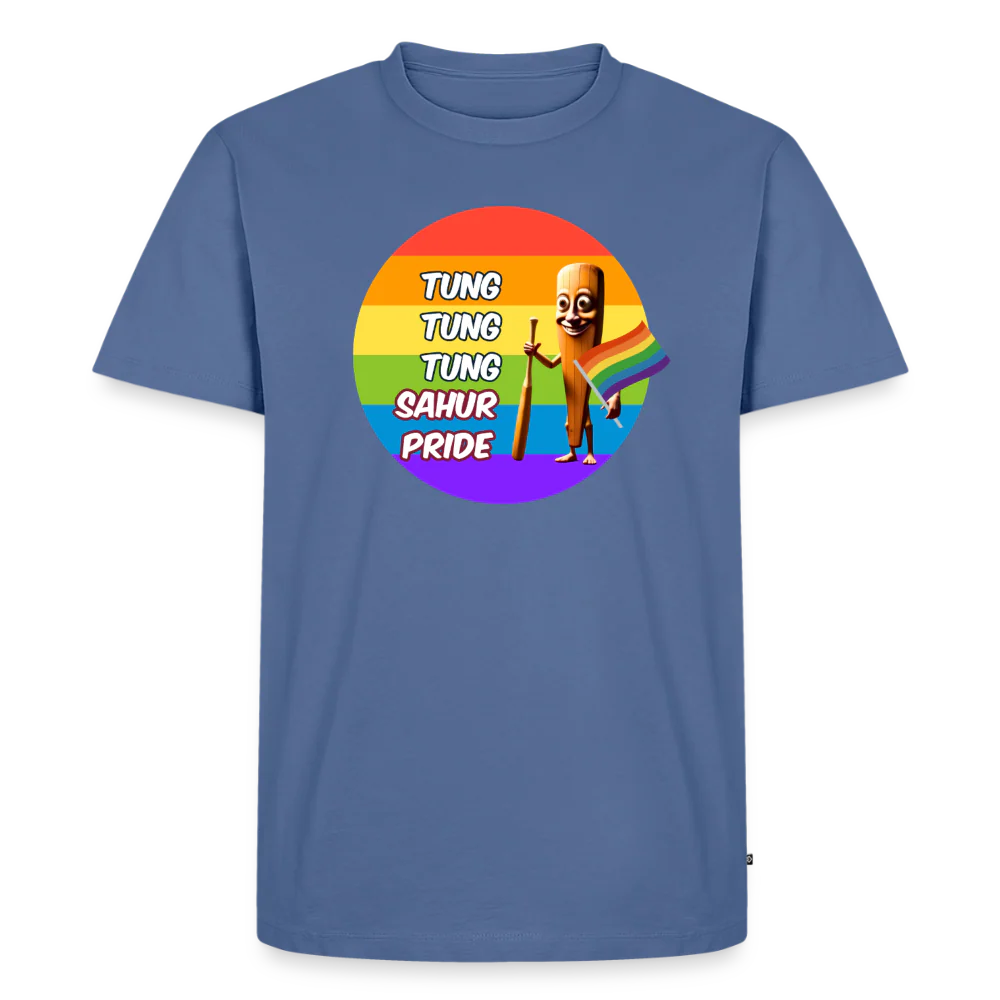
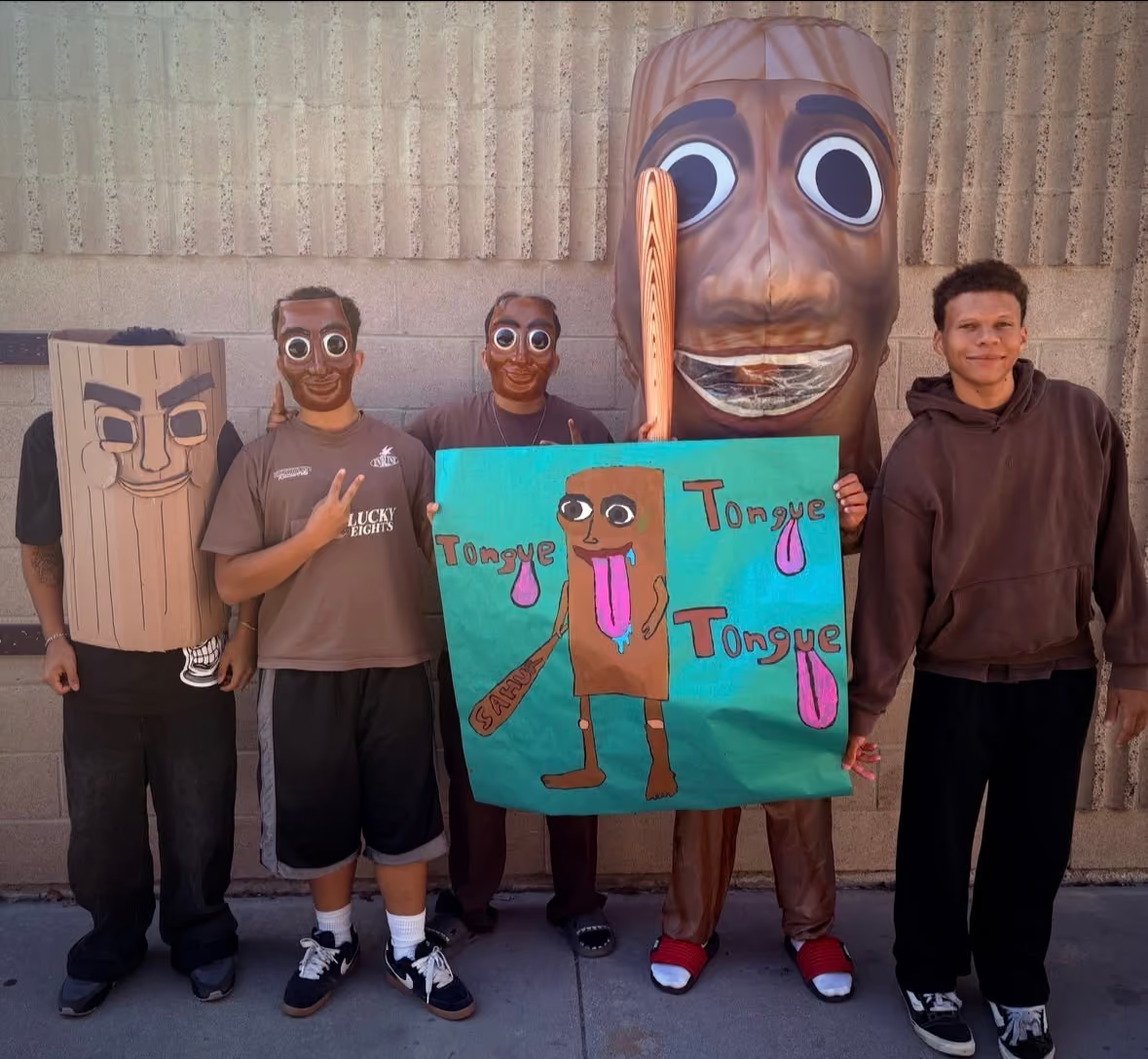
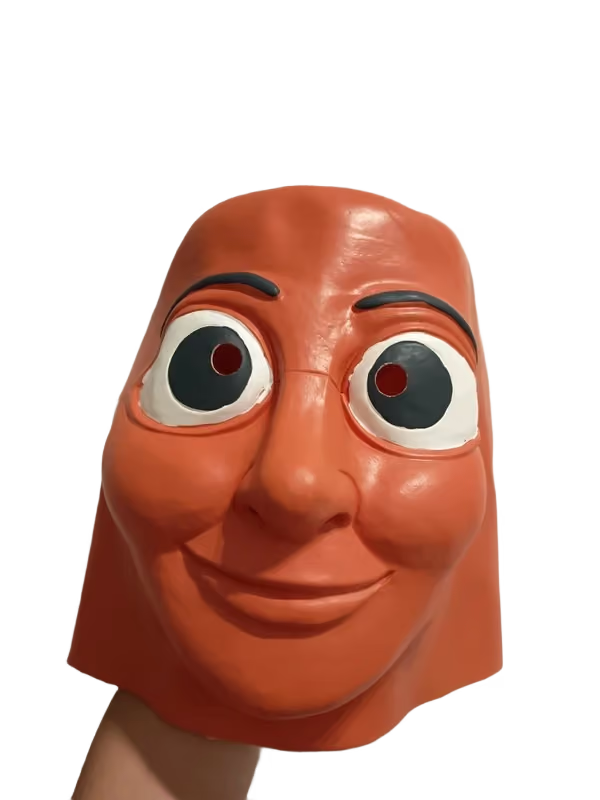
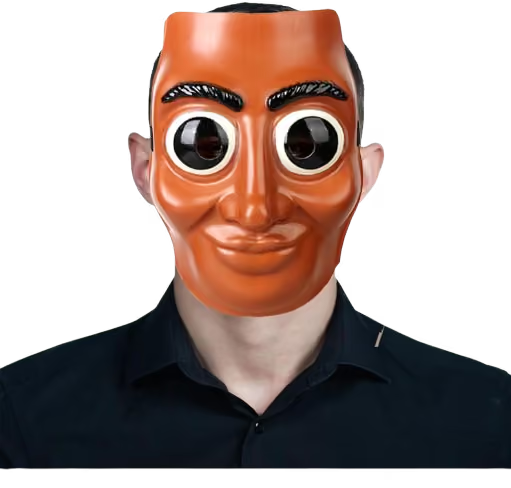
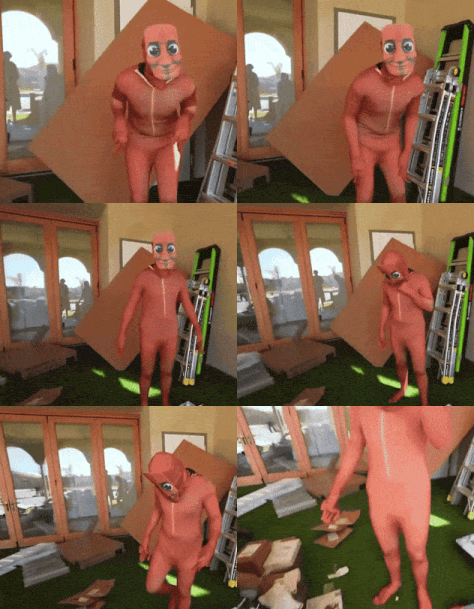
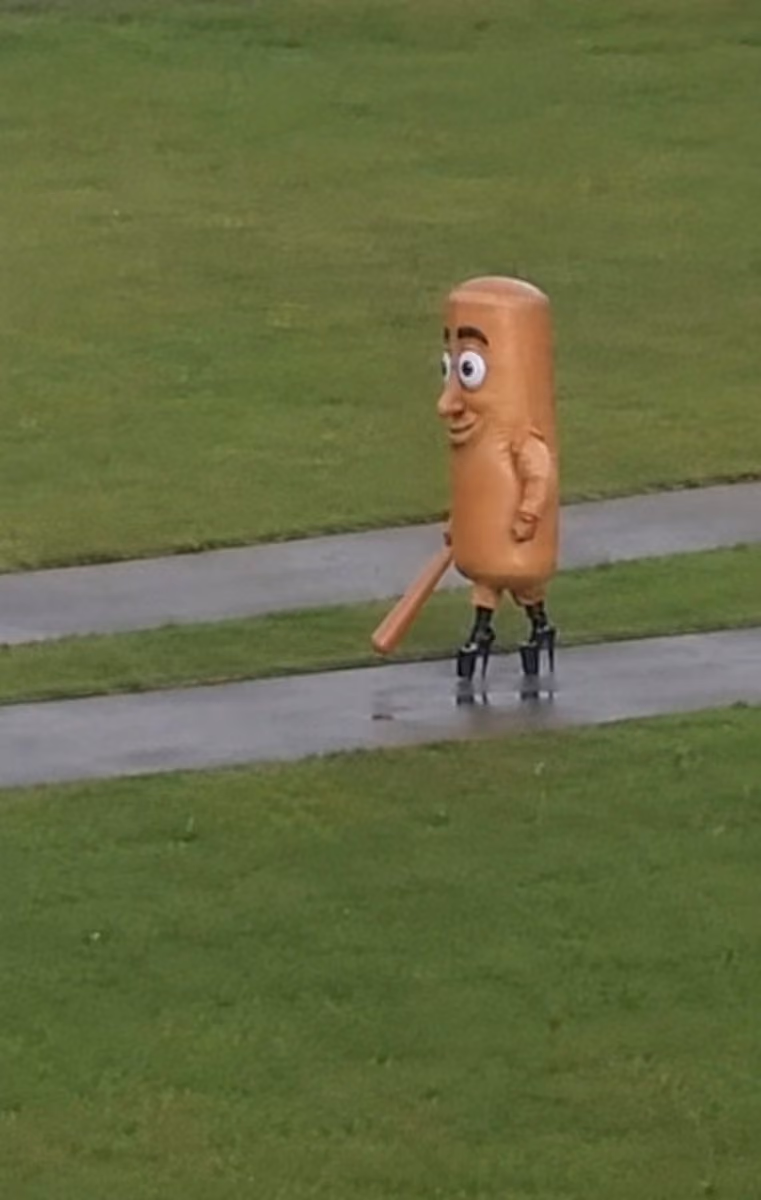
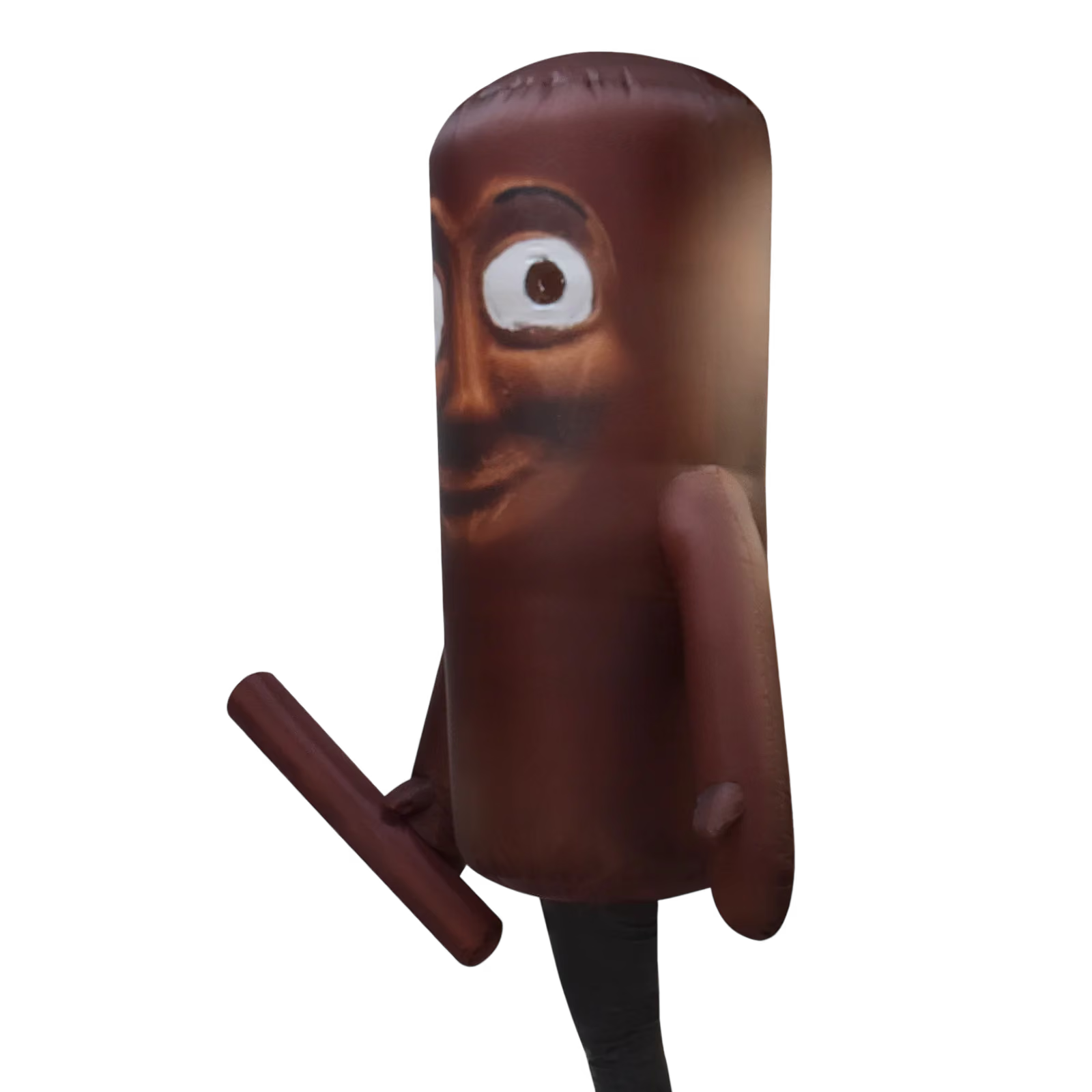
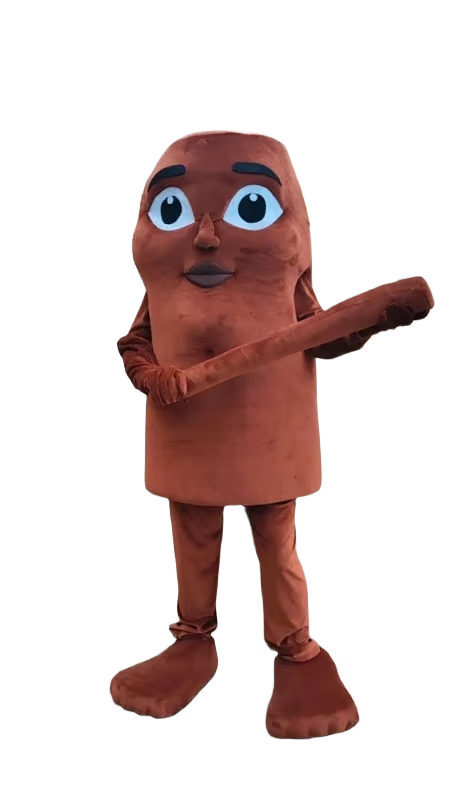

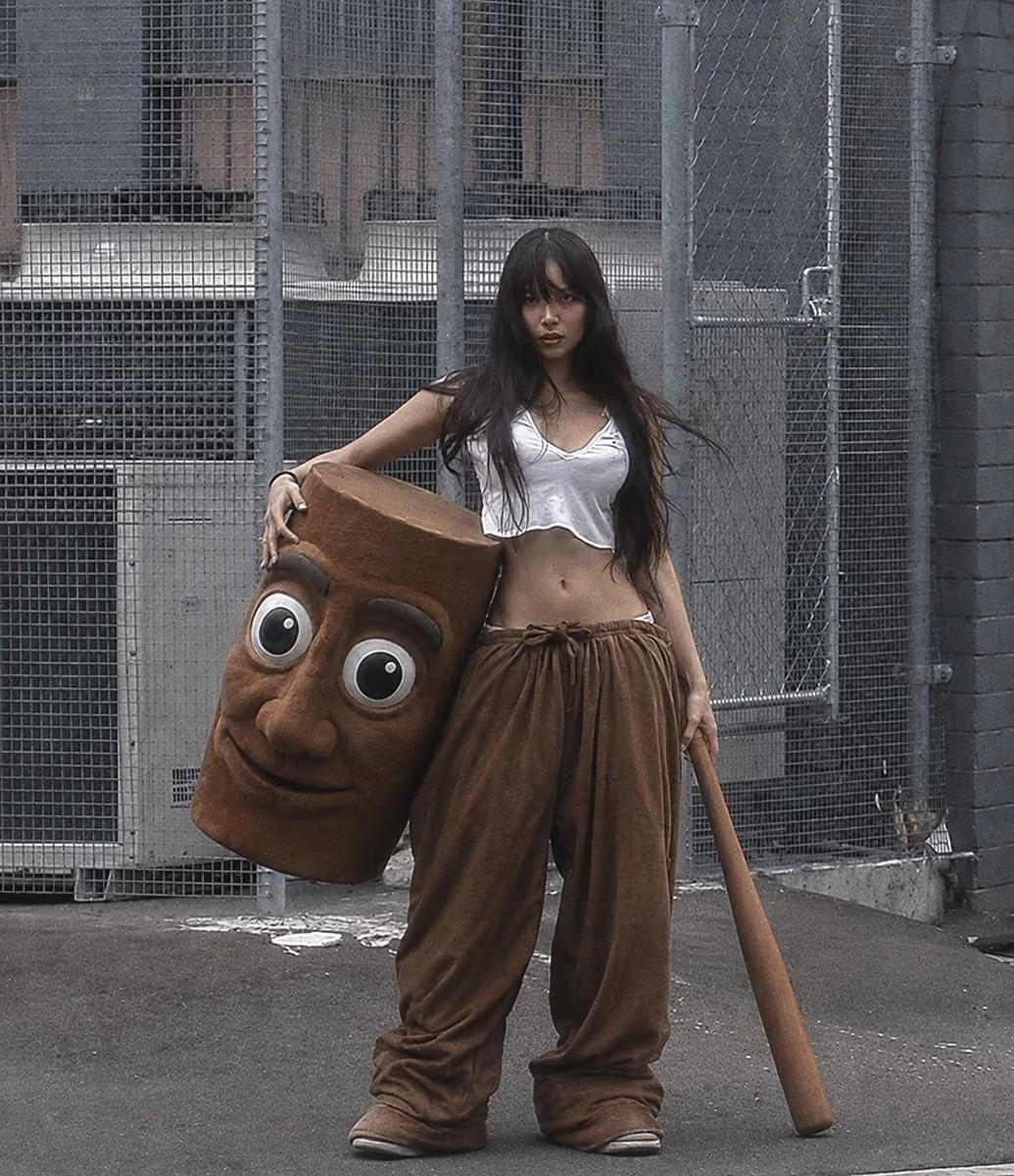
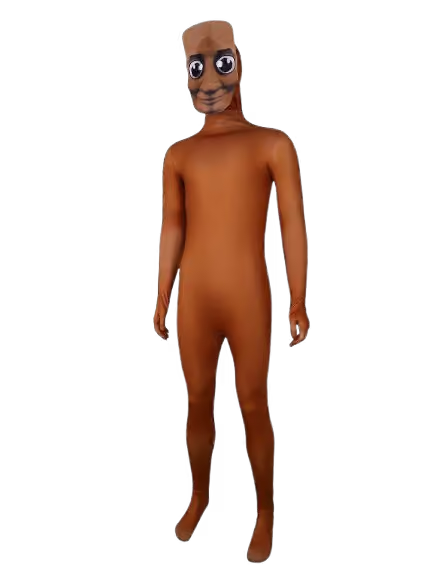
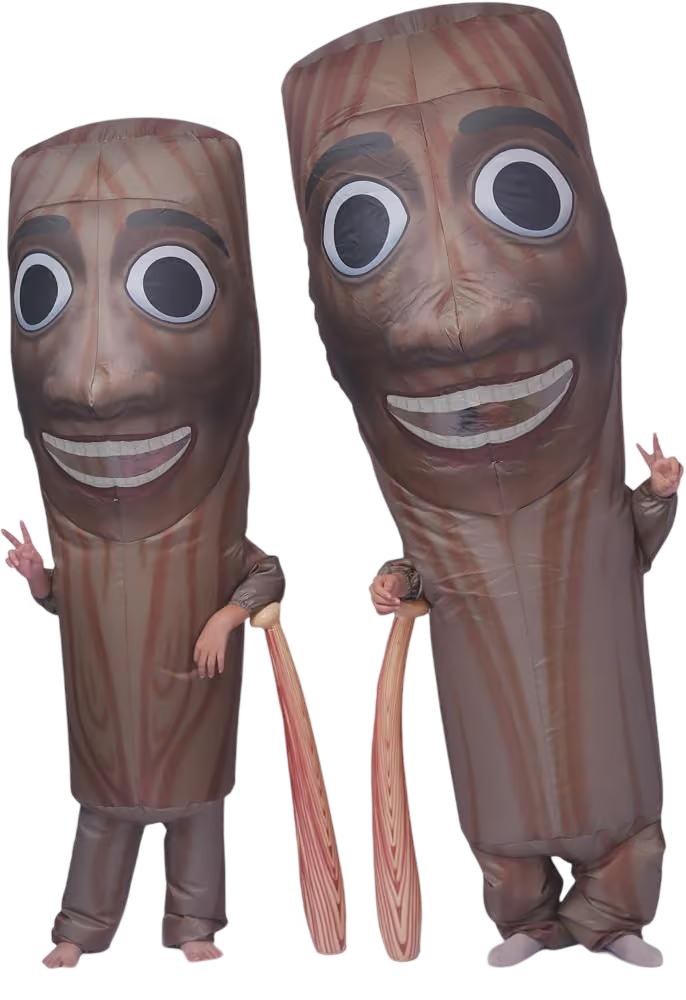
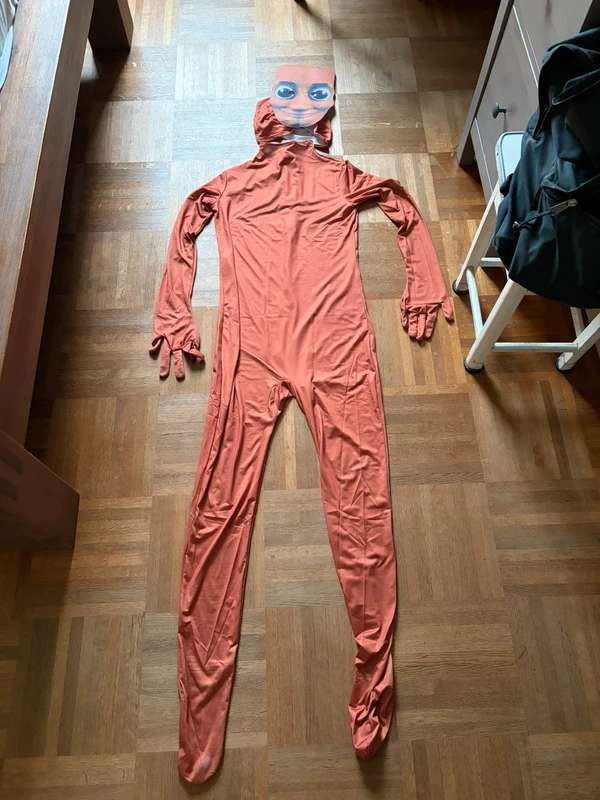
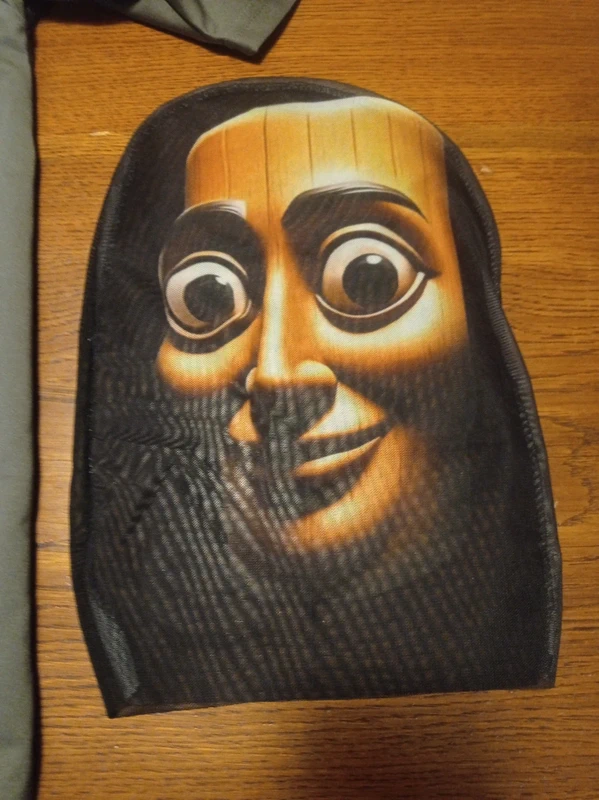


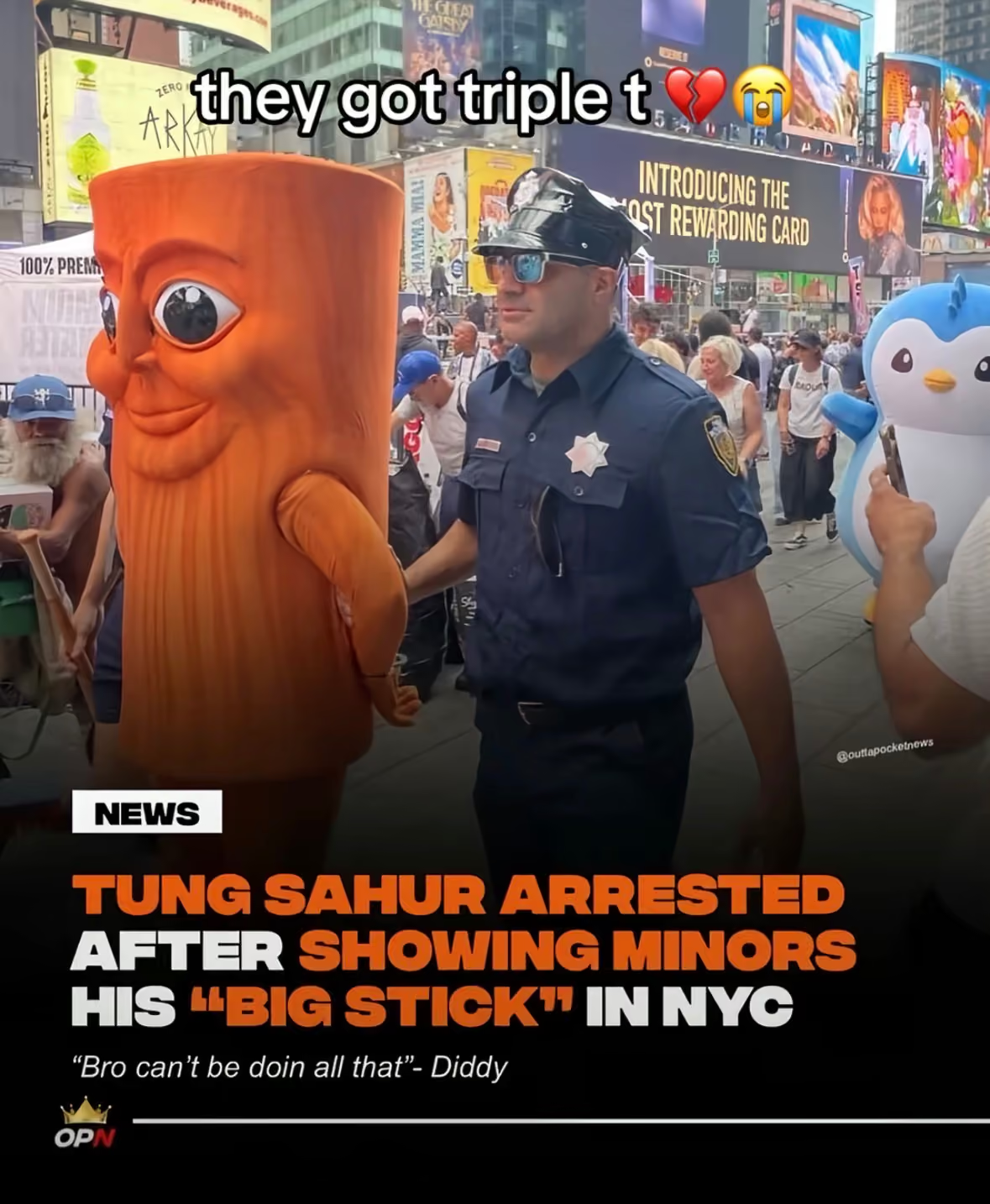
9. Copyright
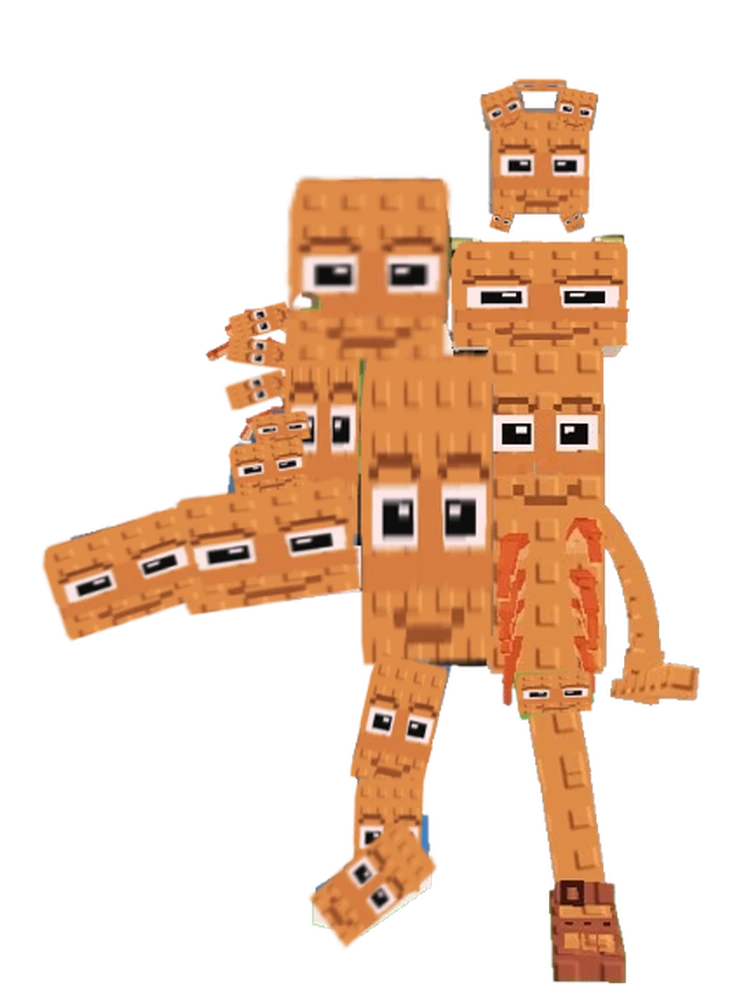
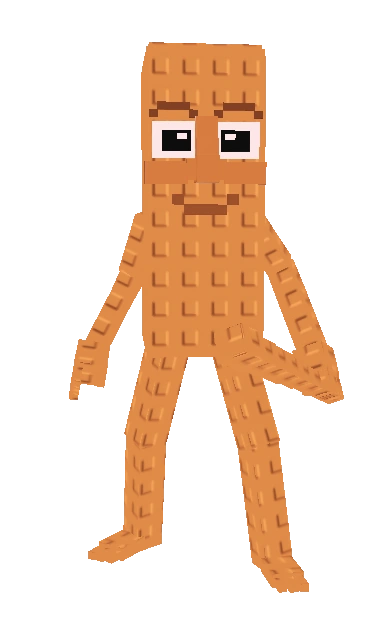
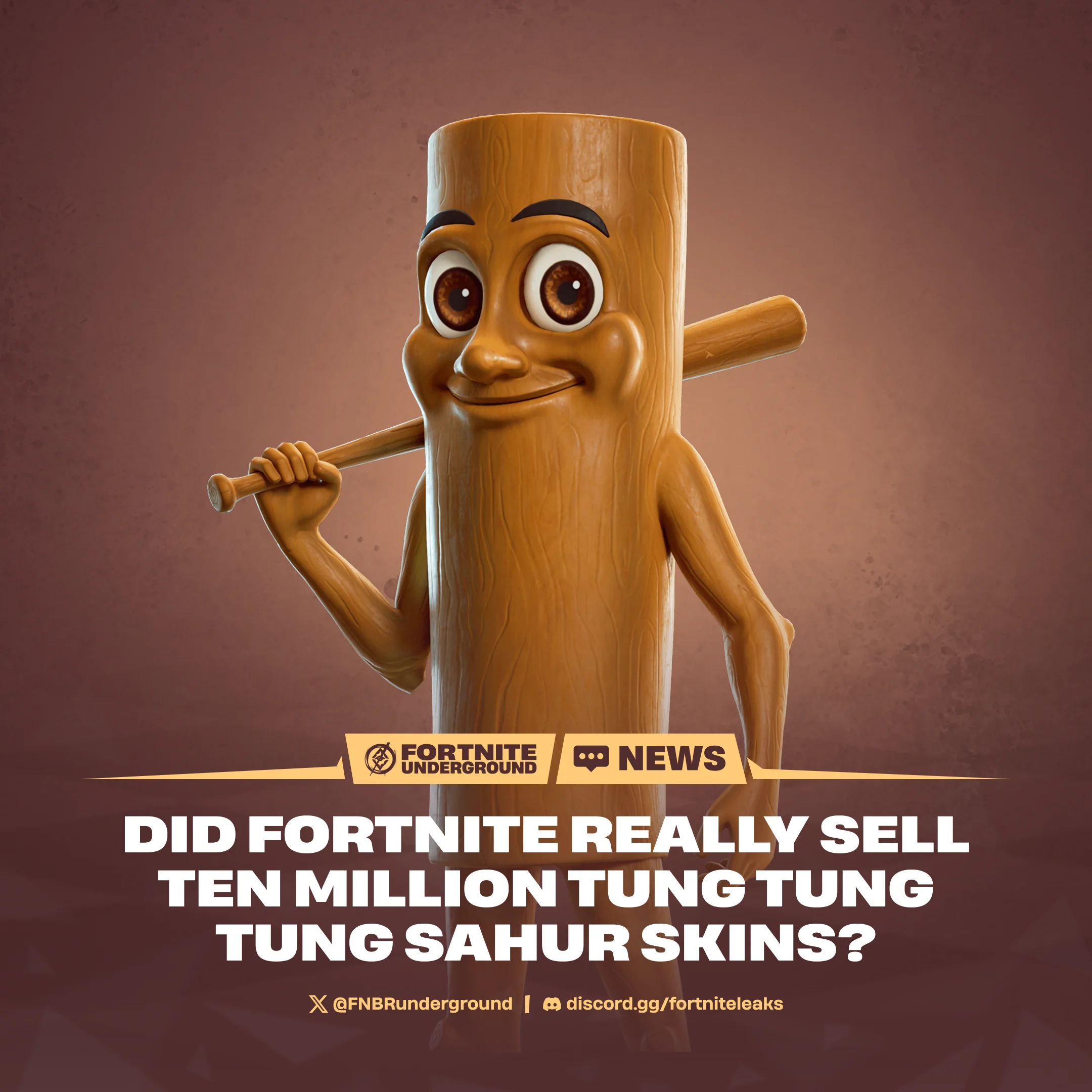
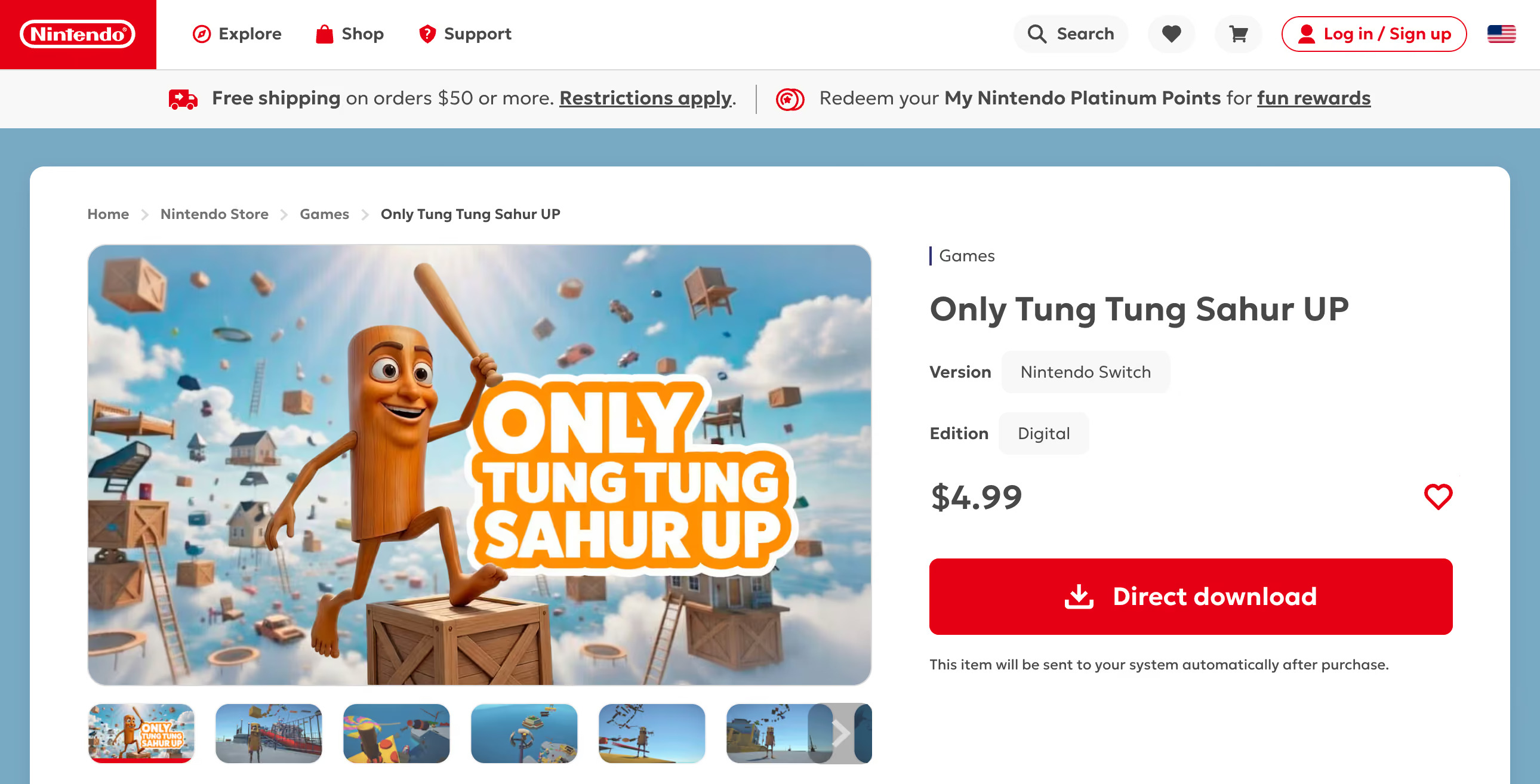
10. Digital Worlds




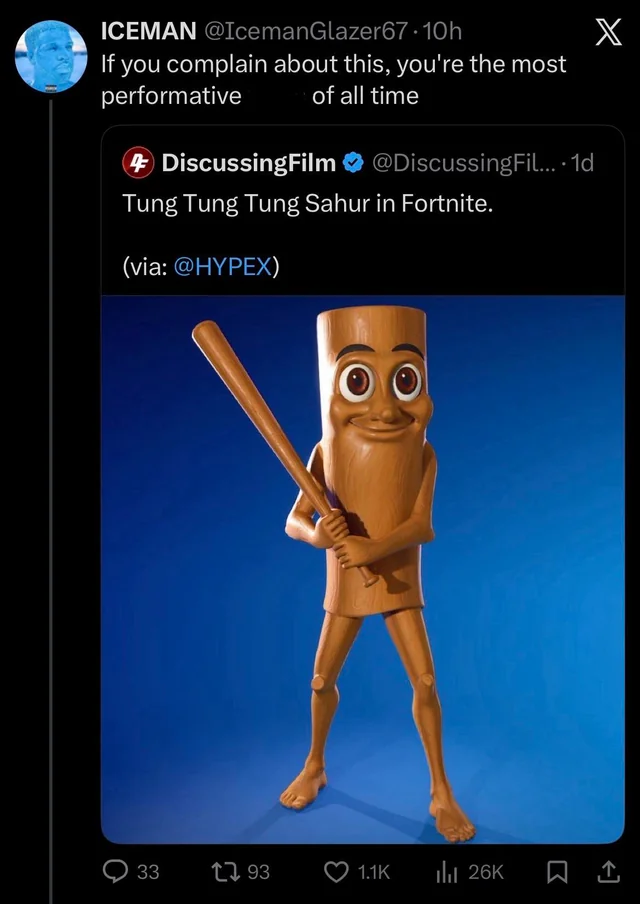
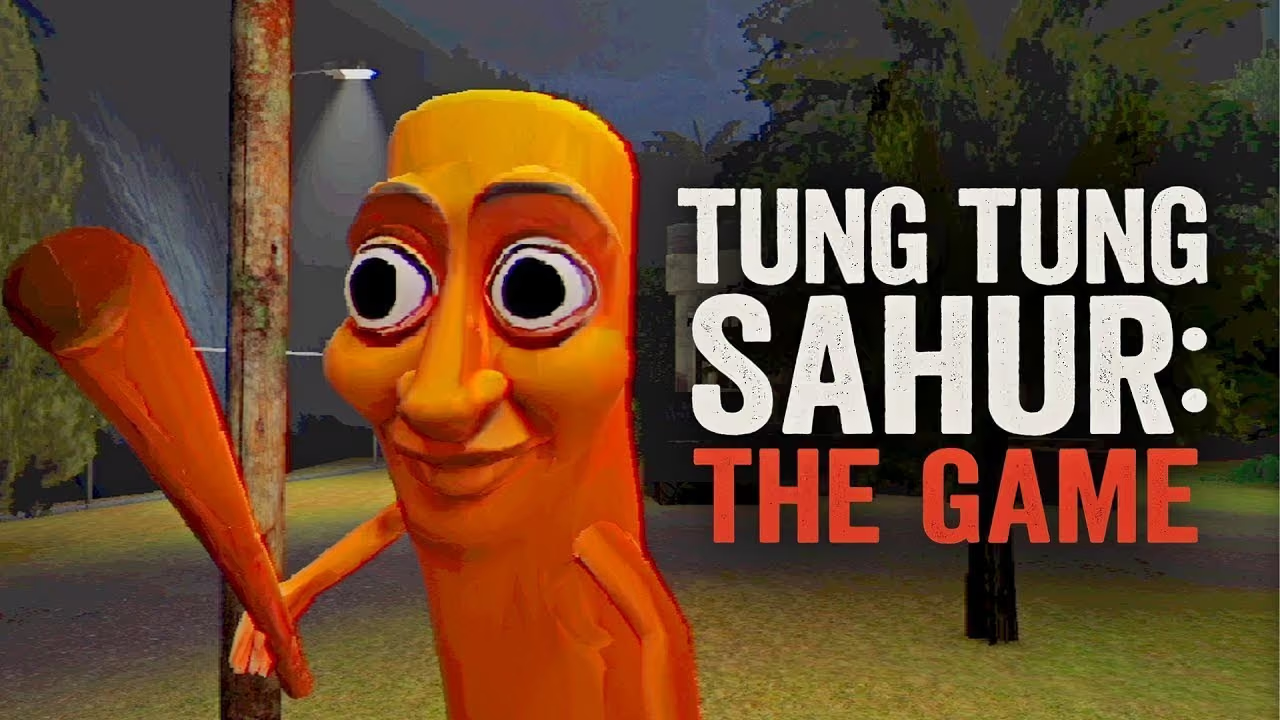
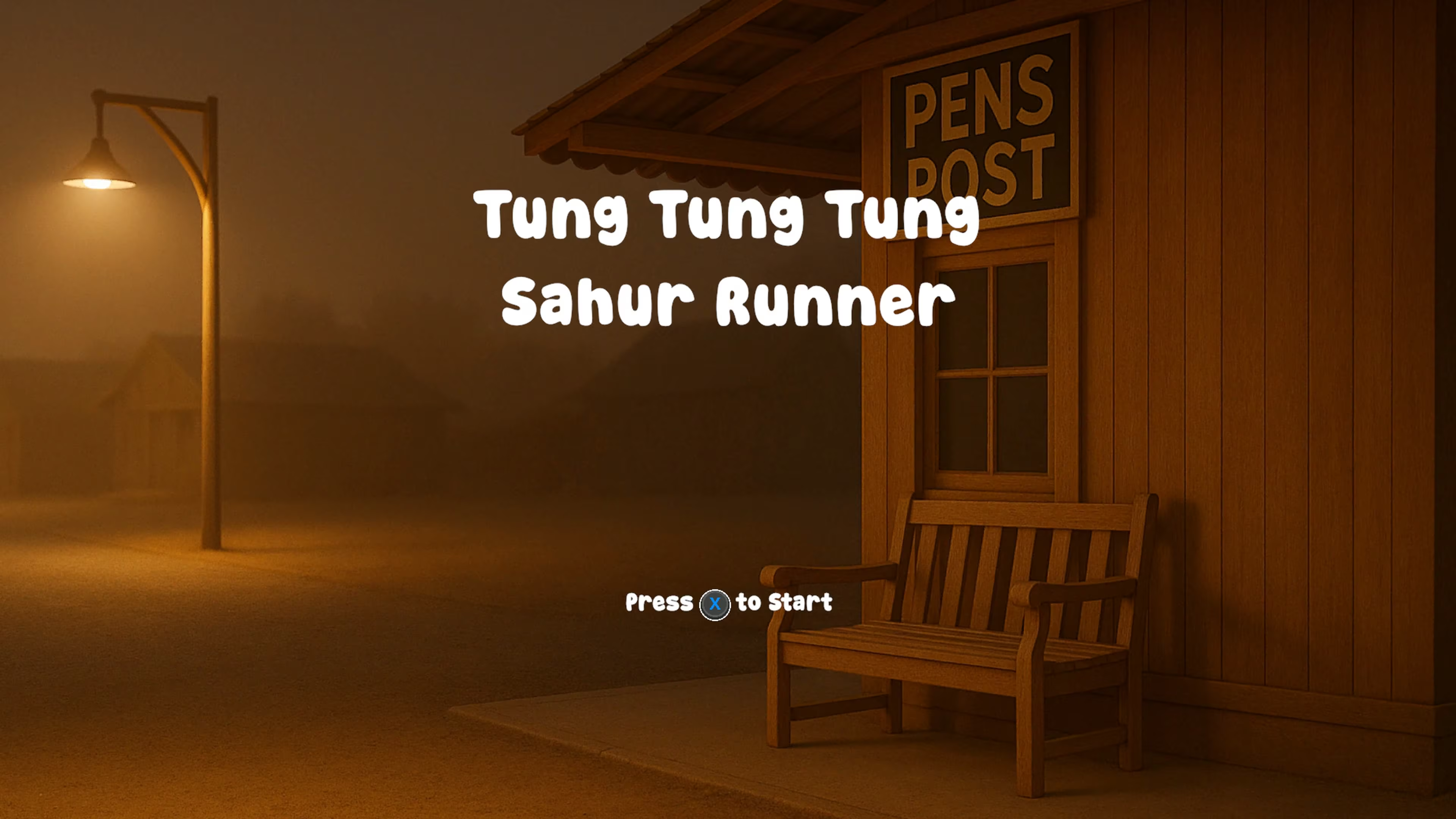
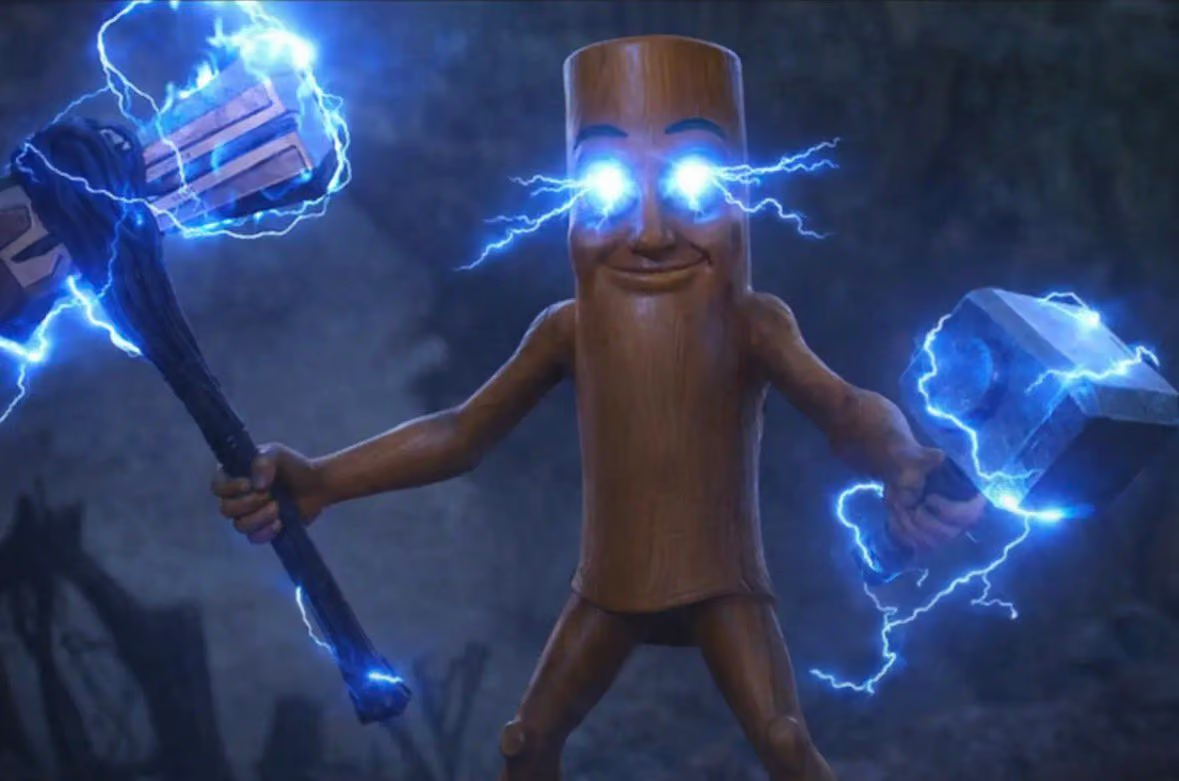
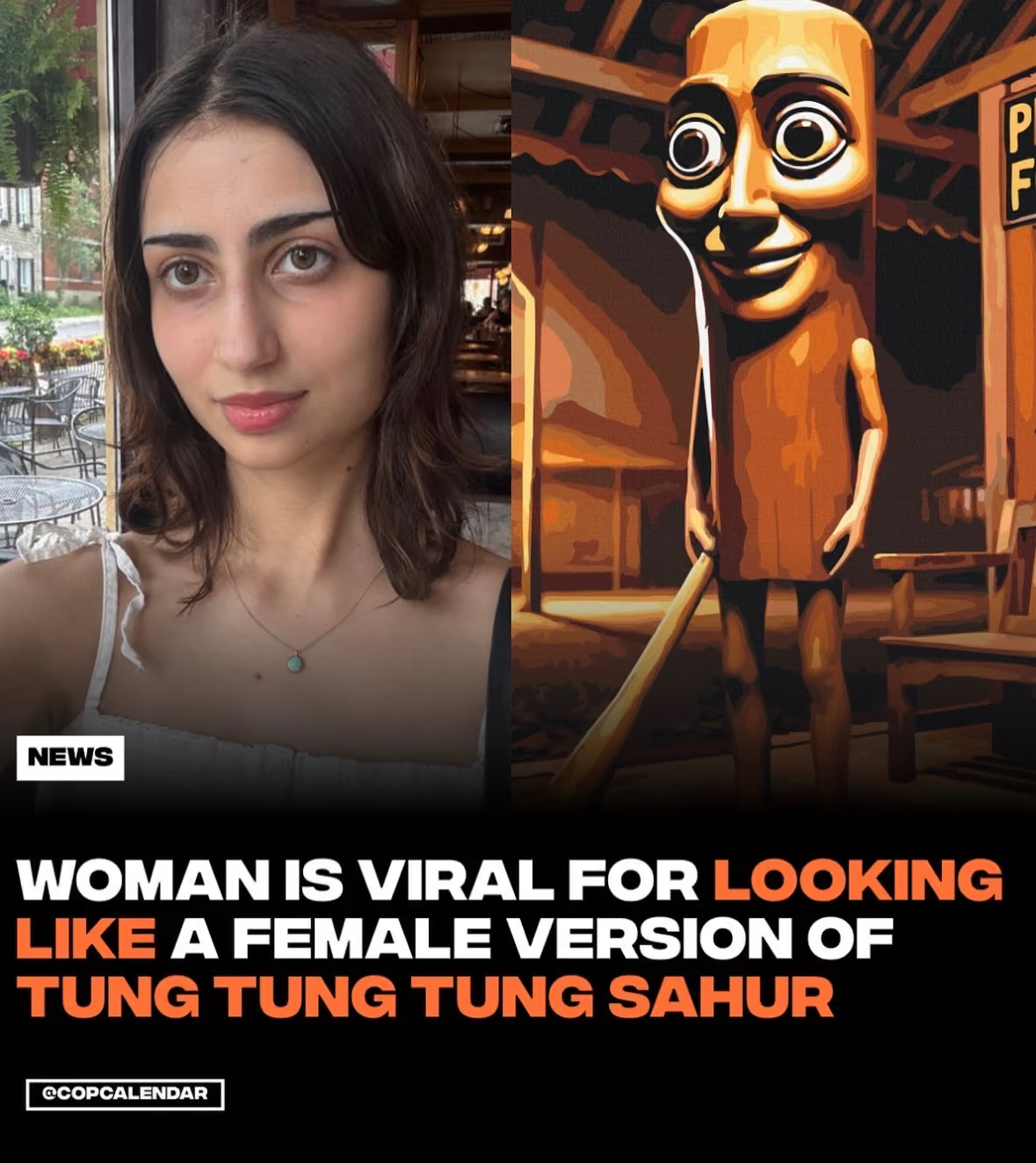
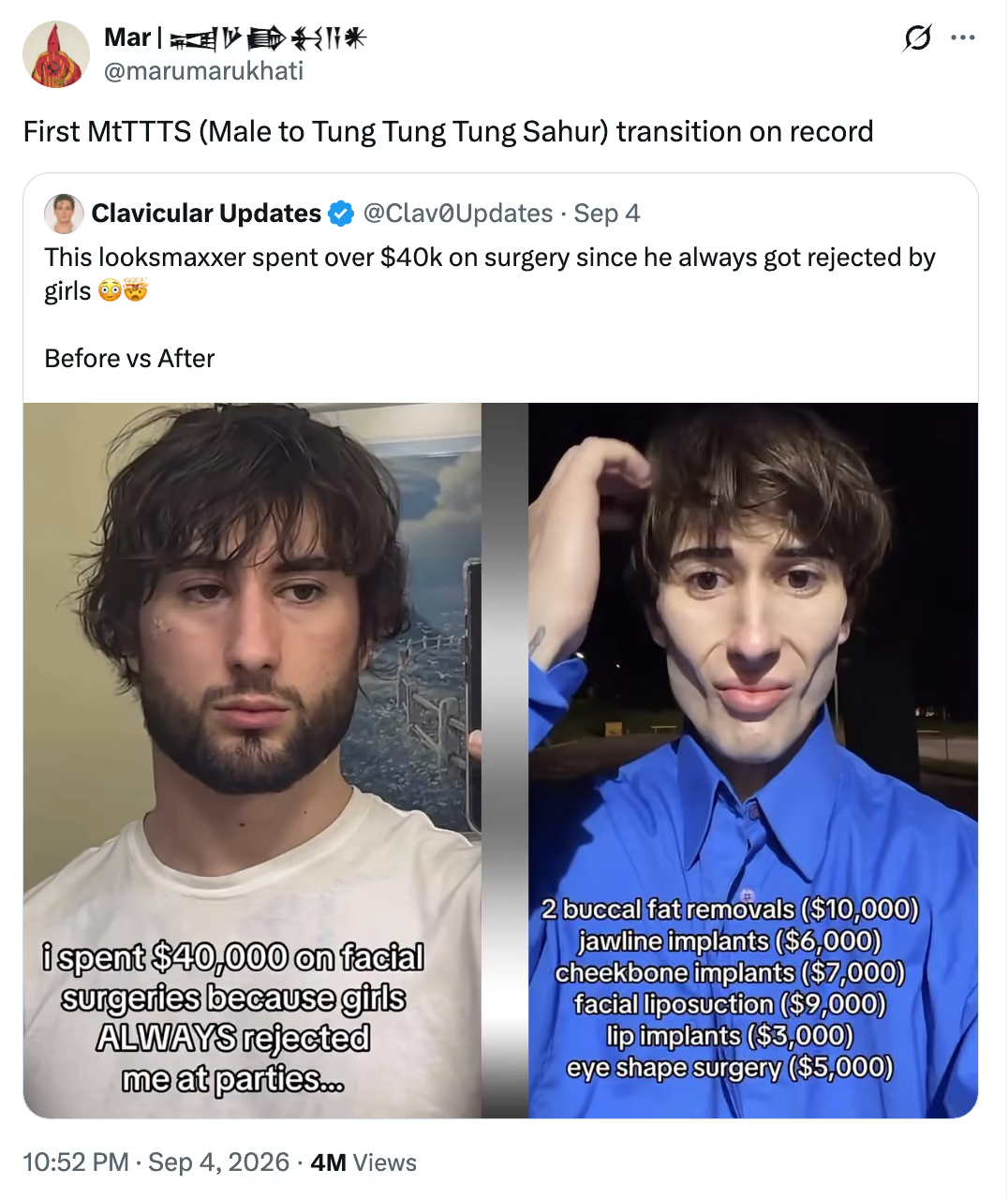
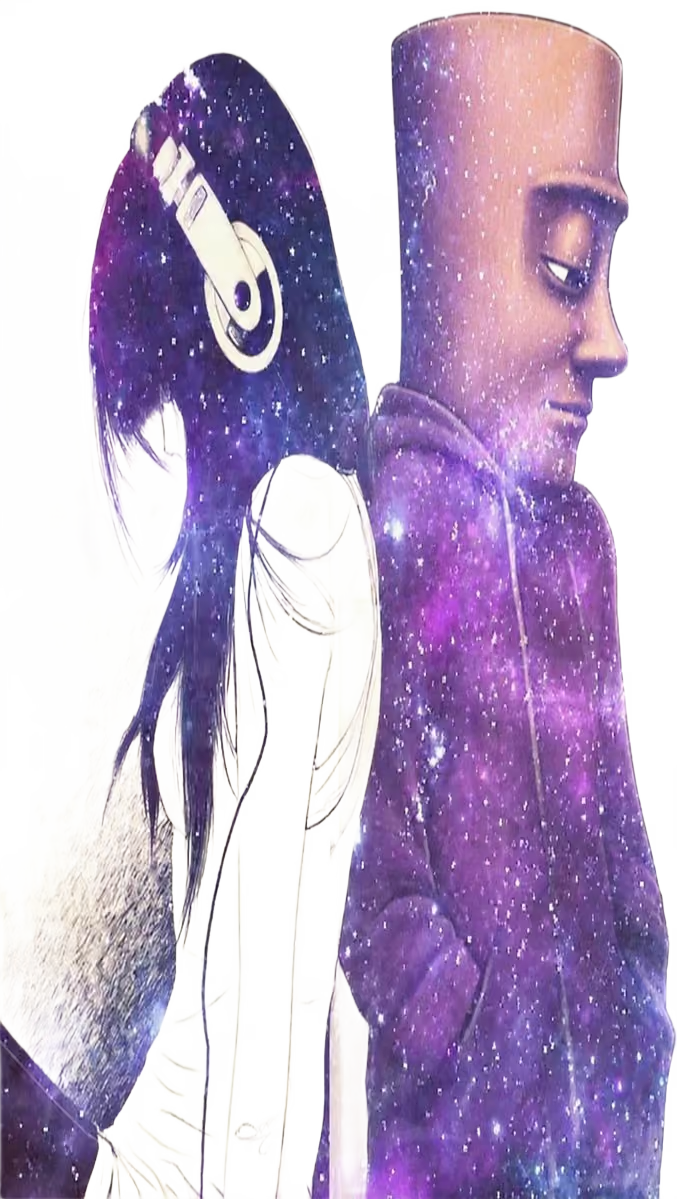
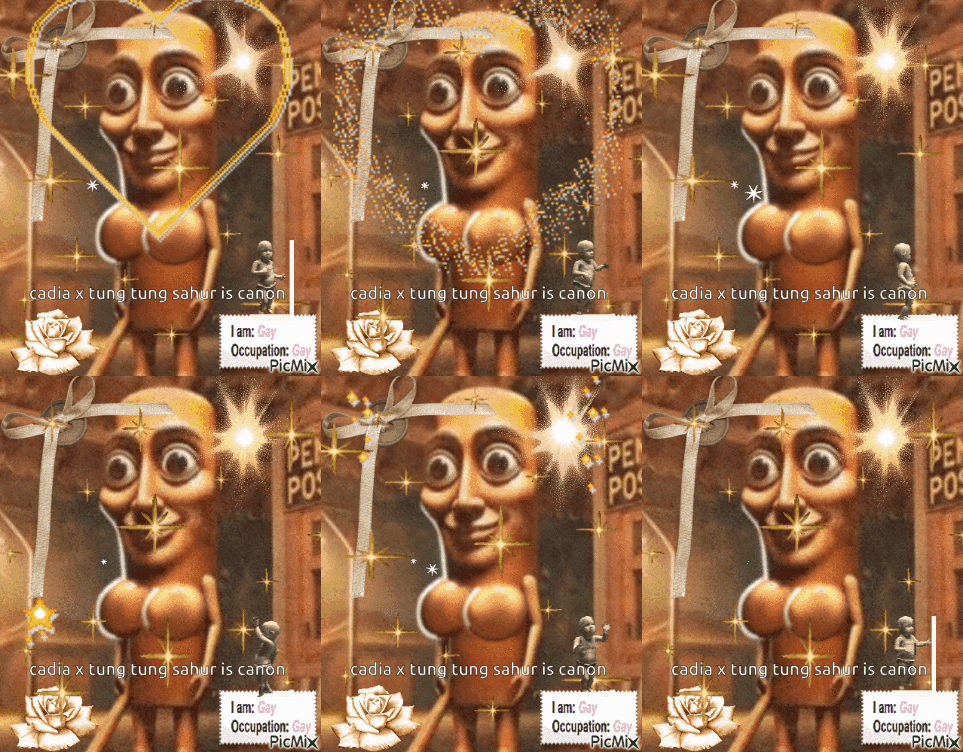
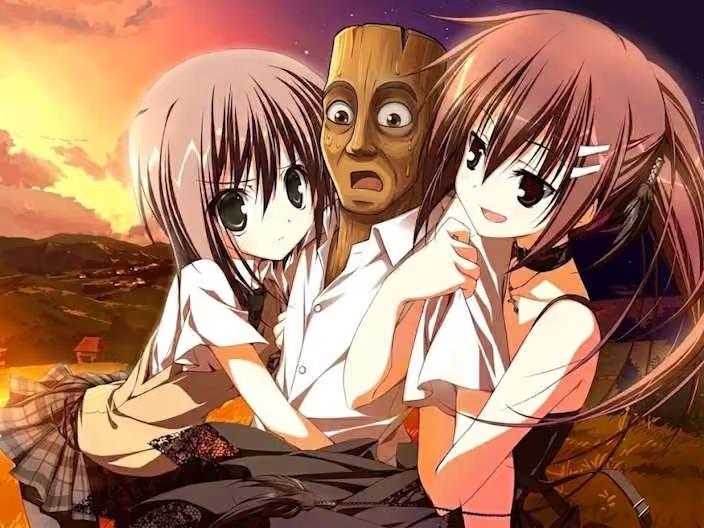
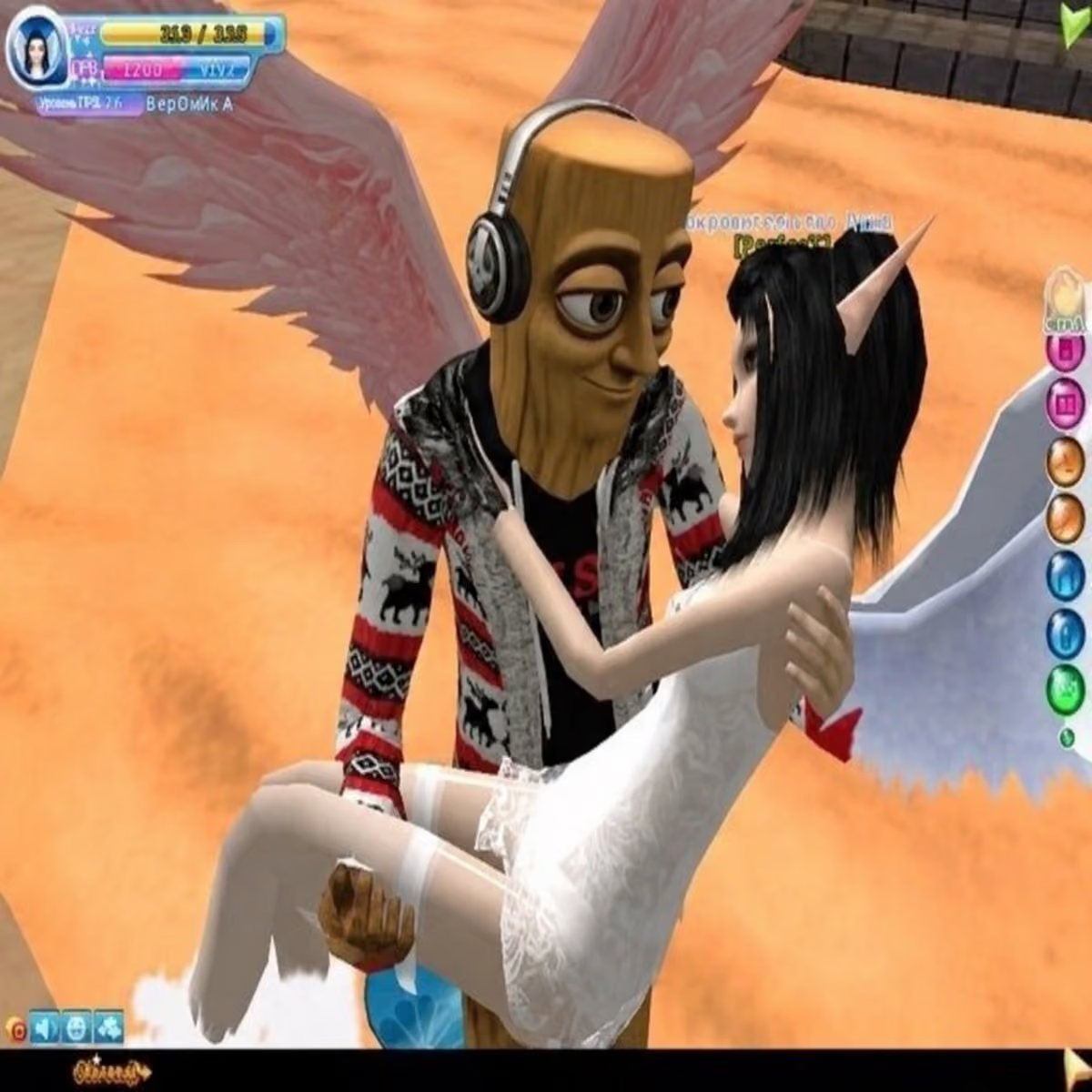
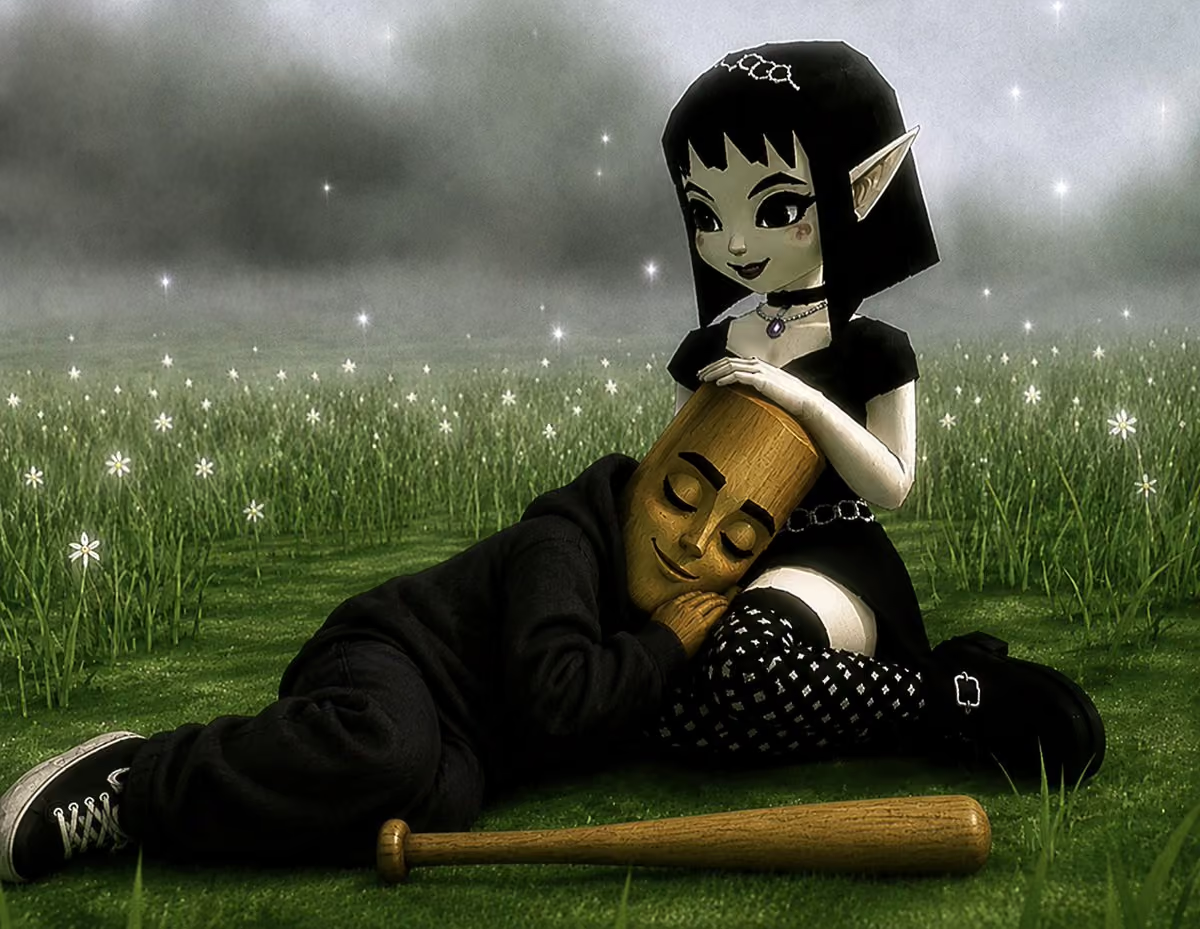
11. Human Projections










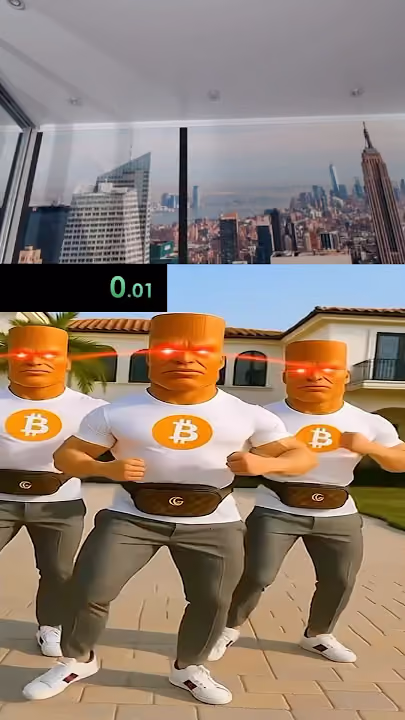
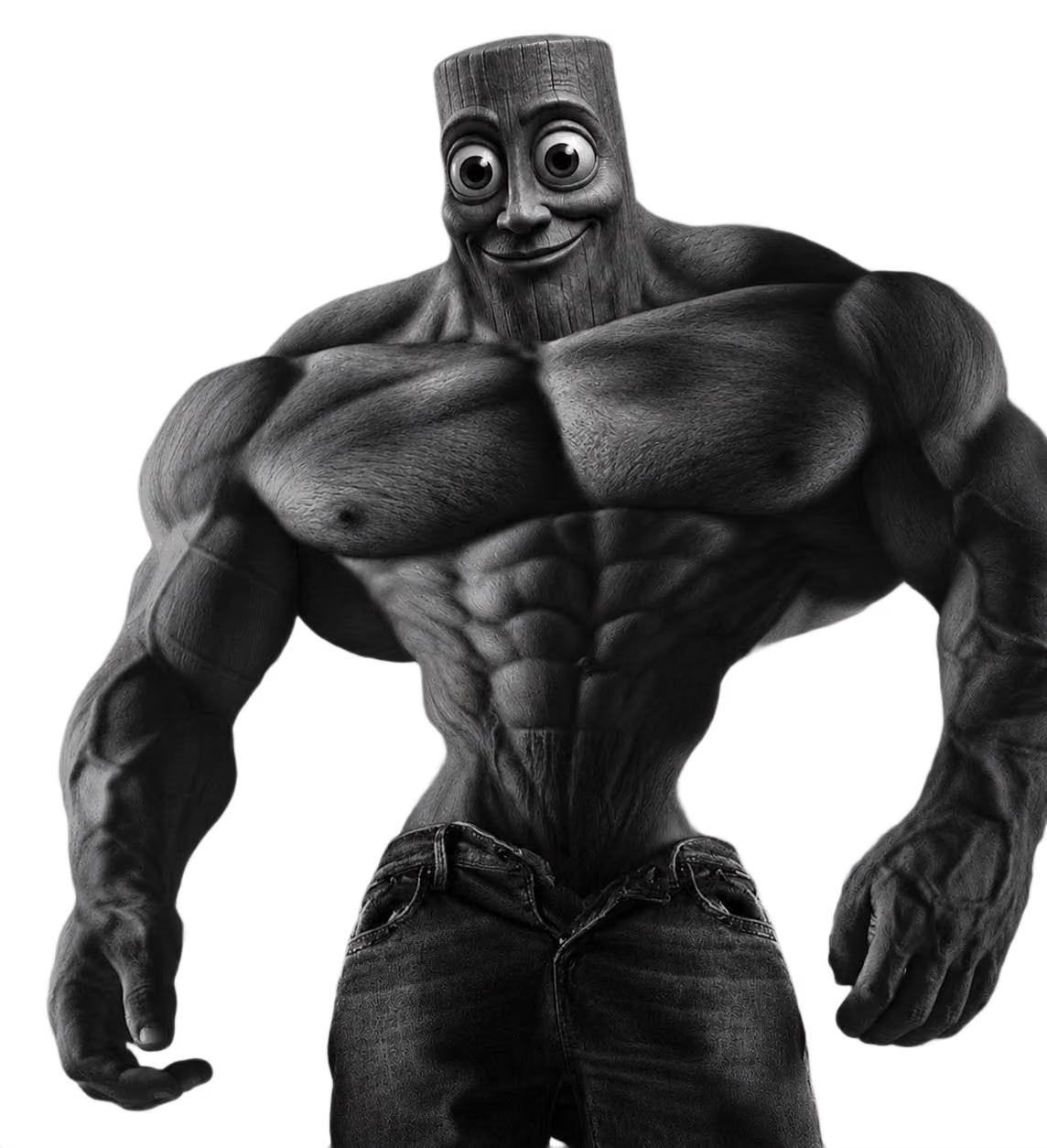
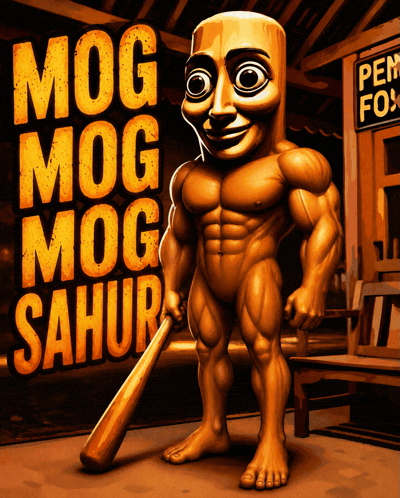
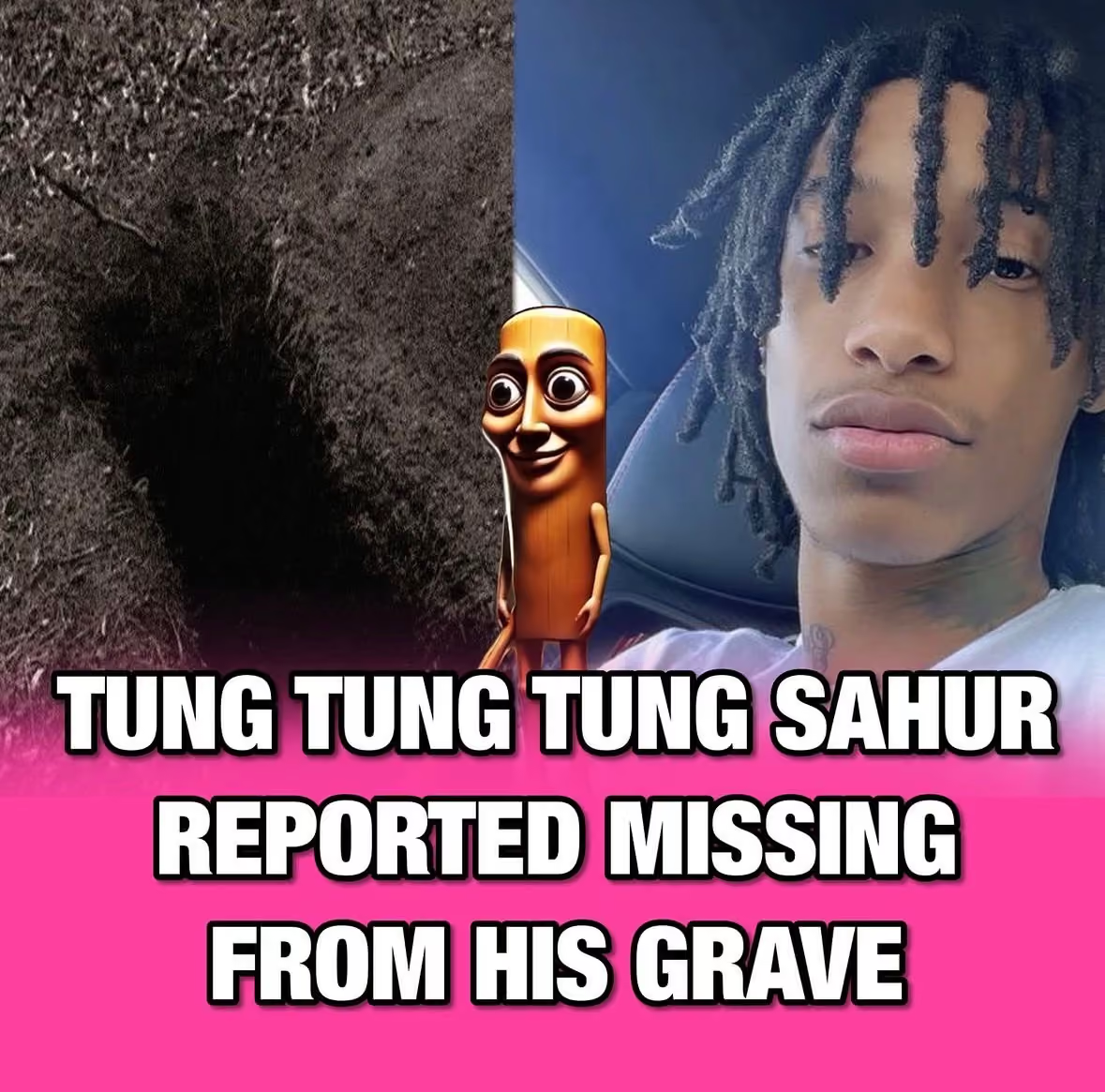
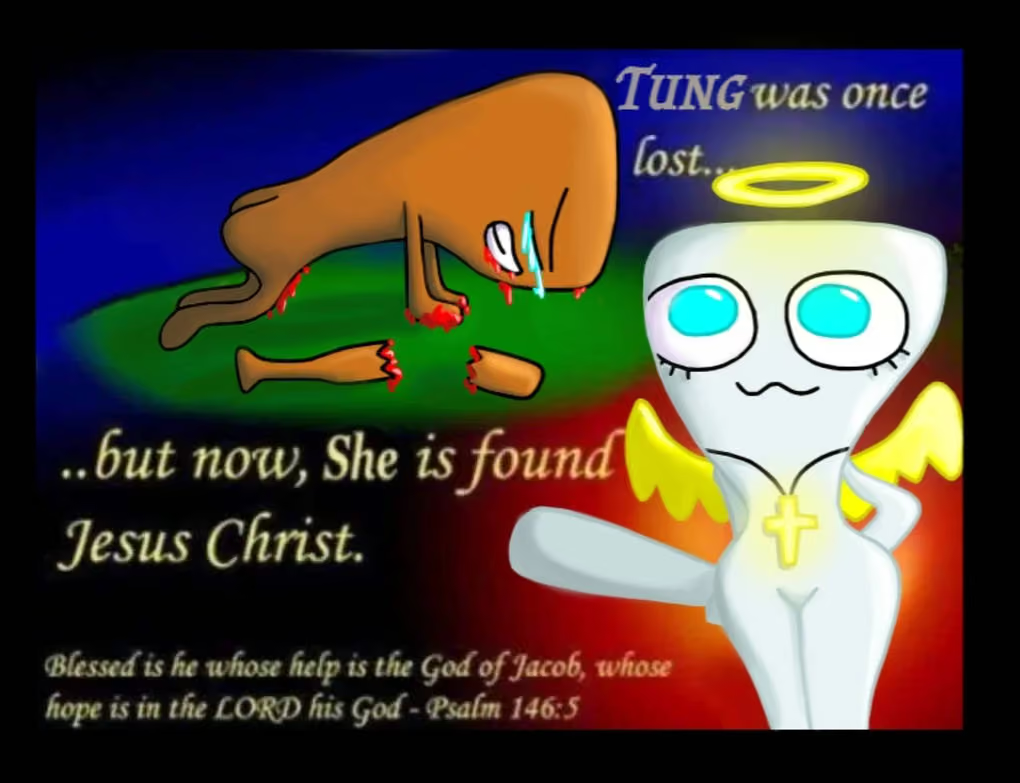
12. Death & Afterlife
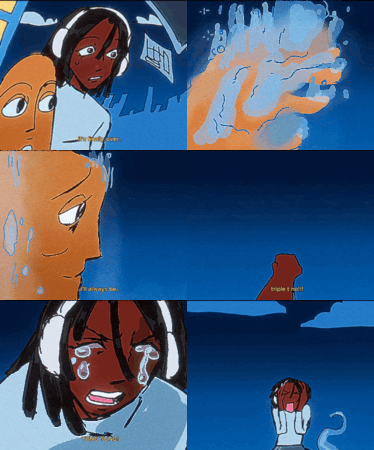
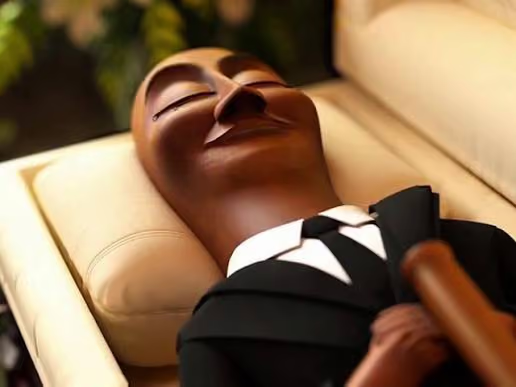
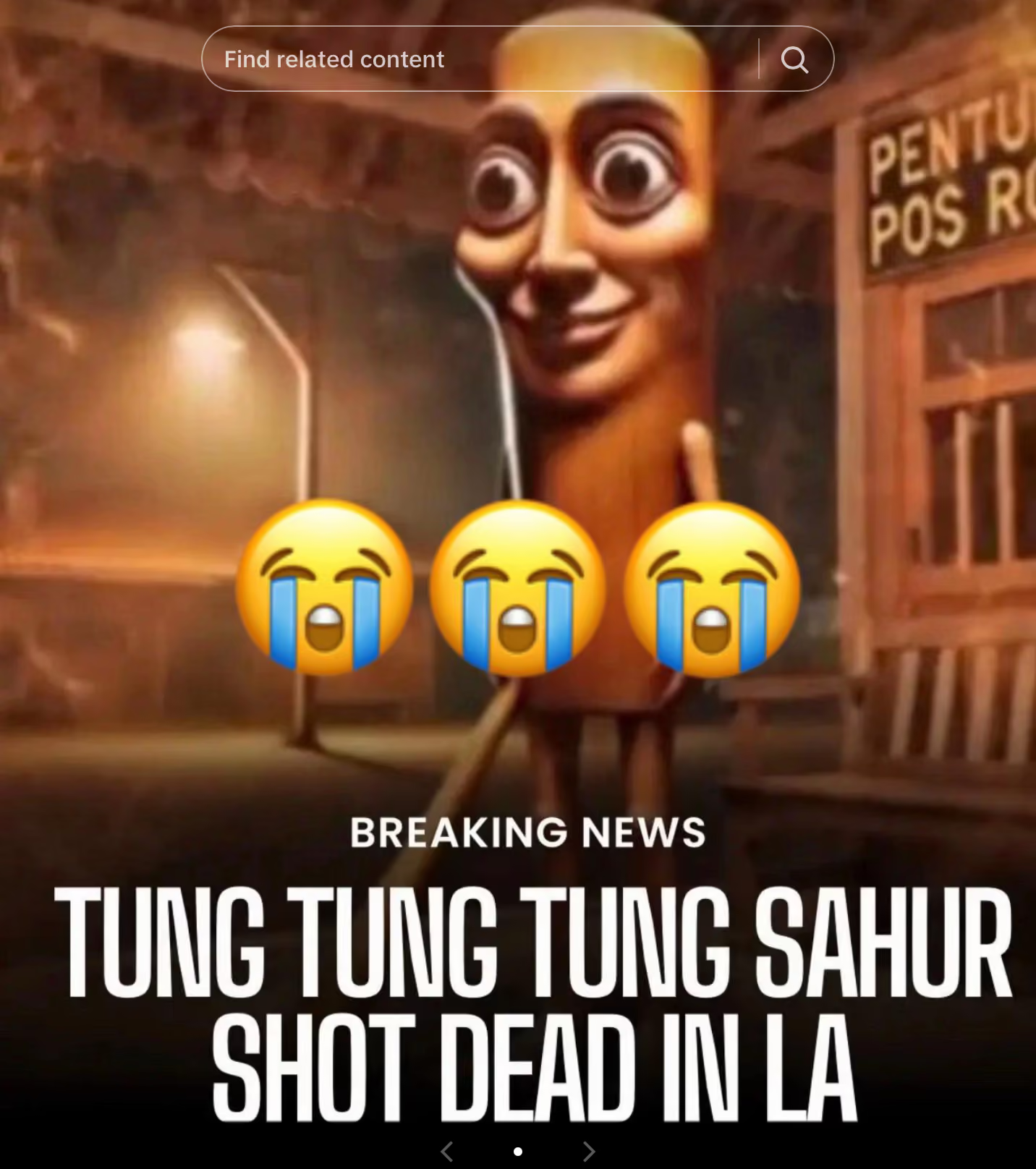
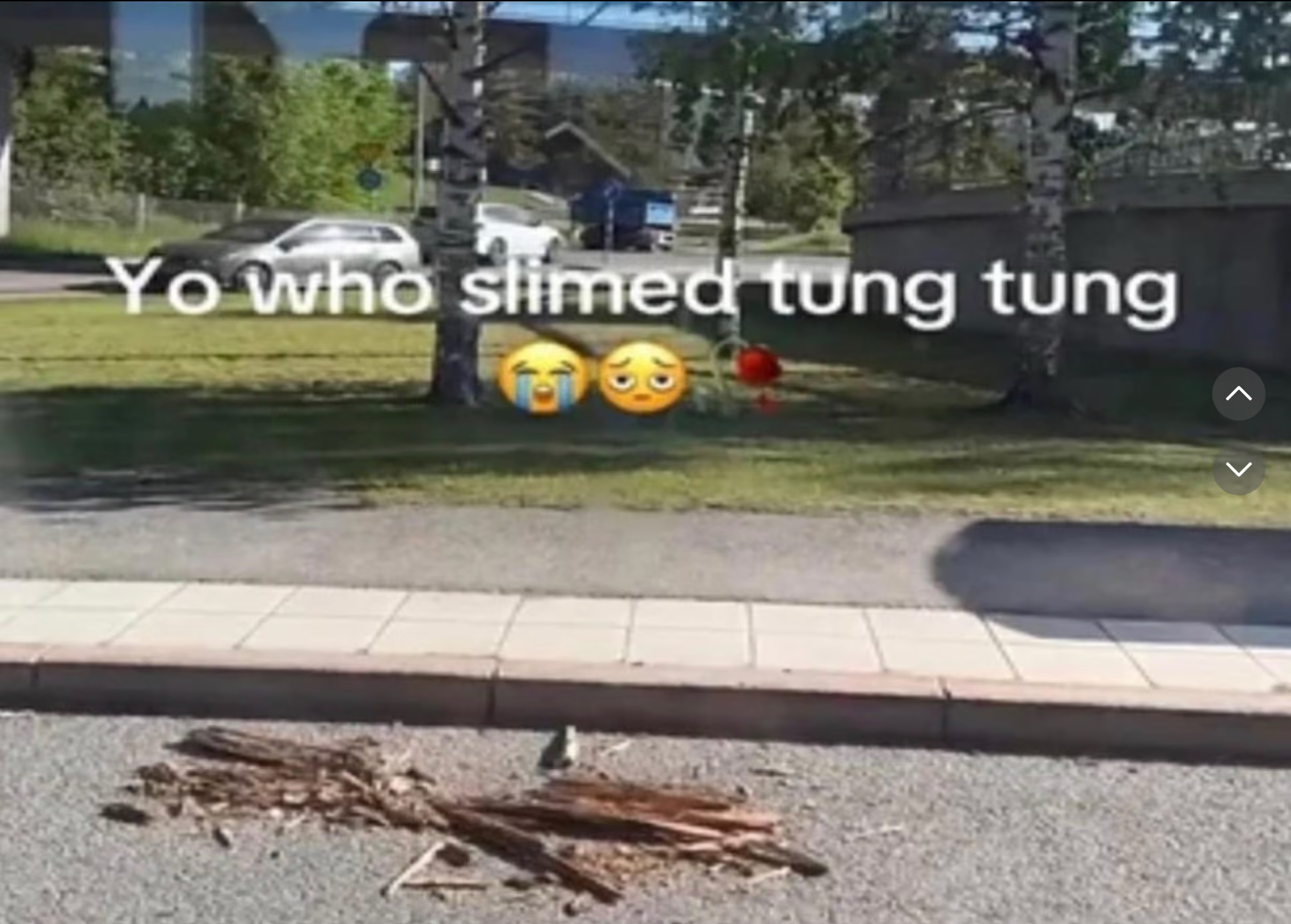
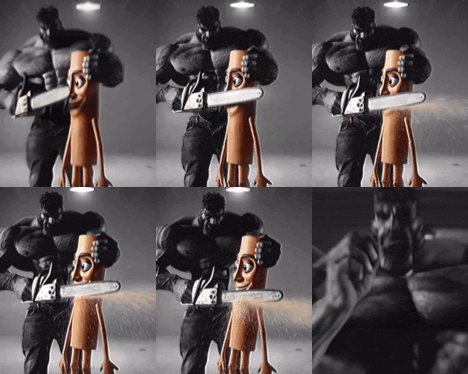
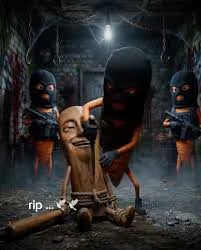
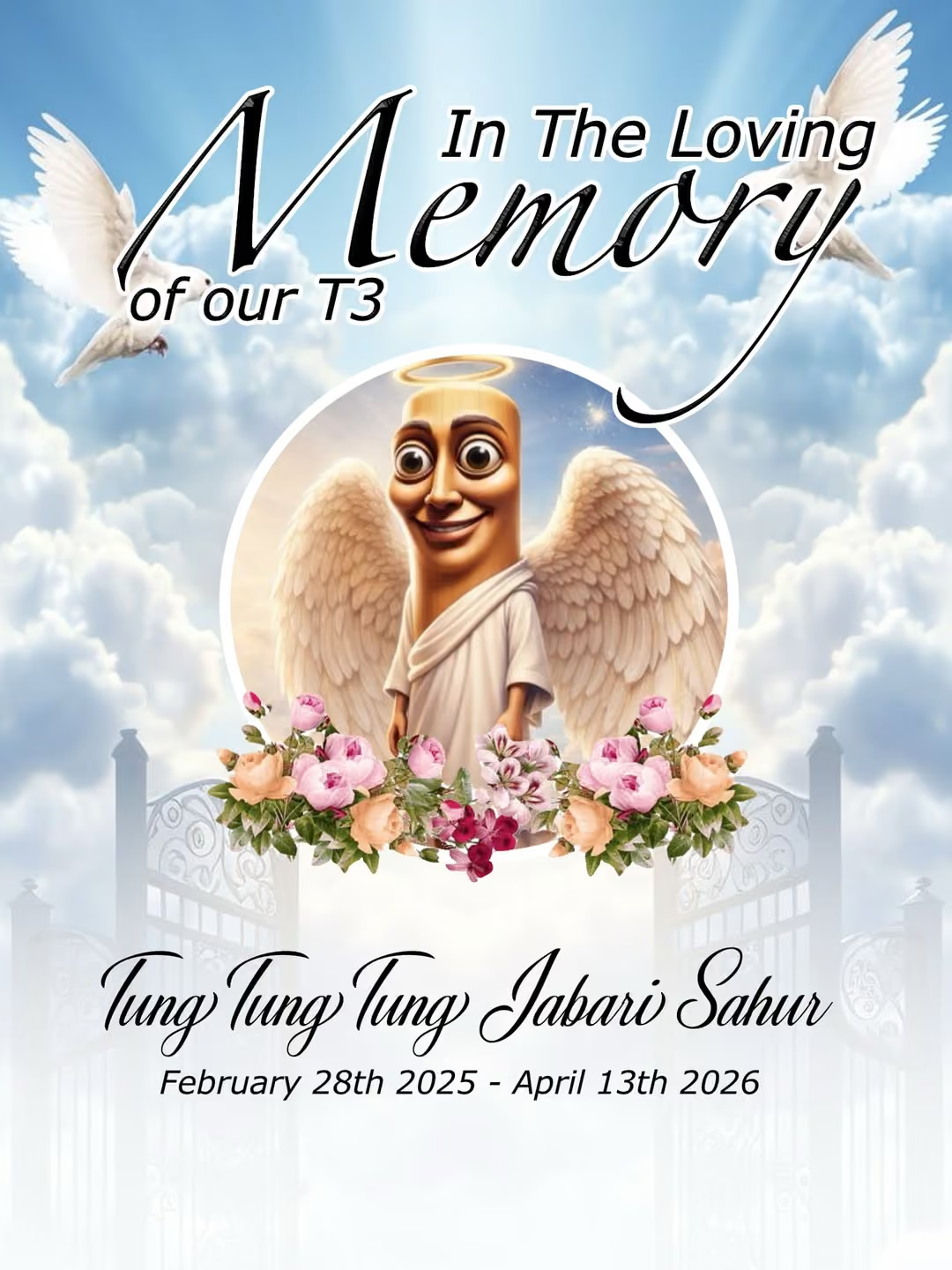
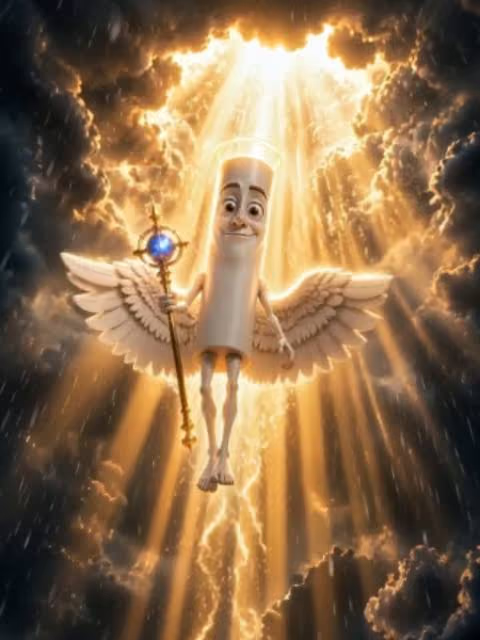
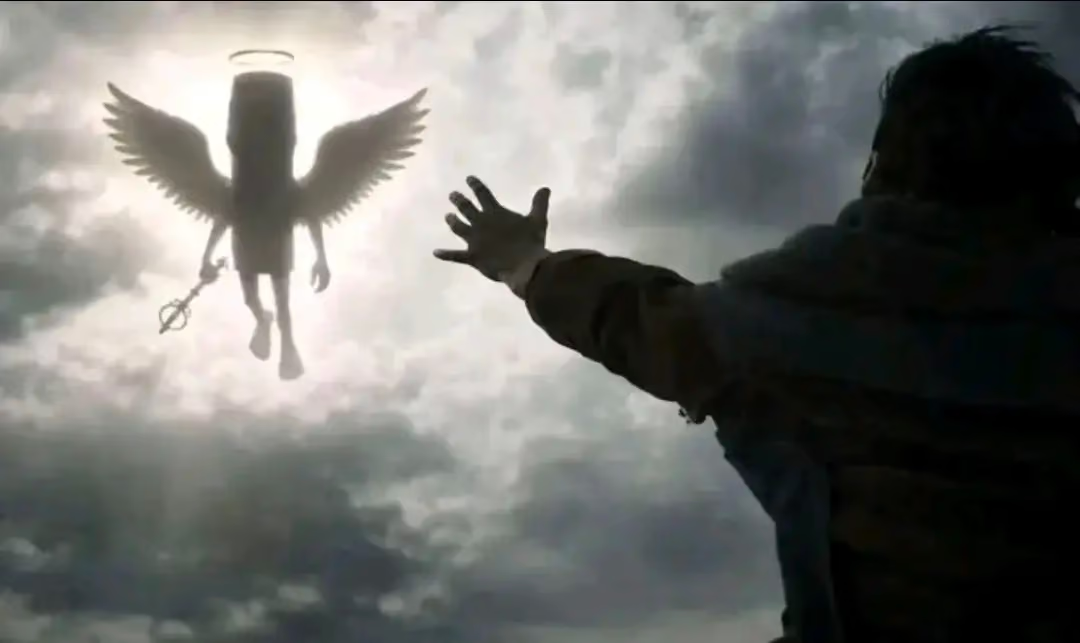
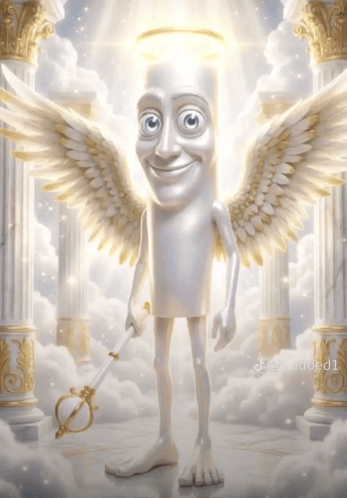
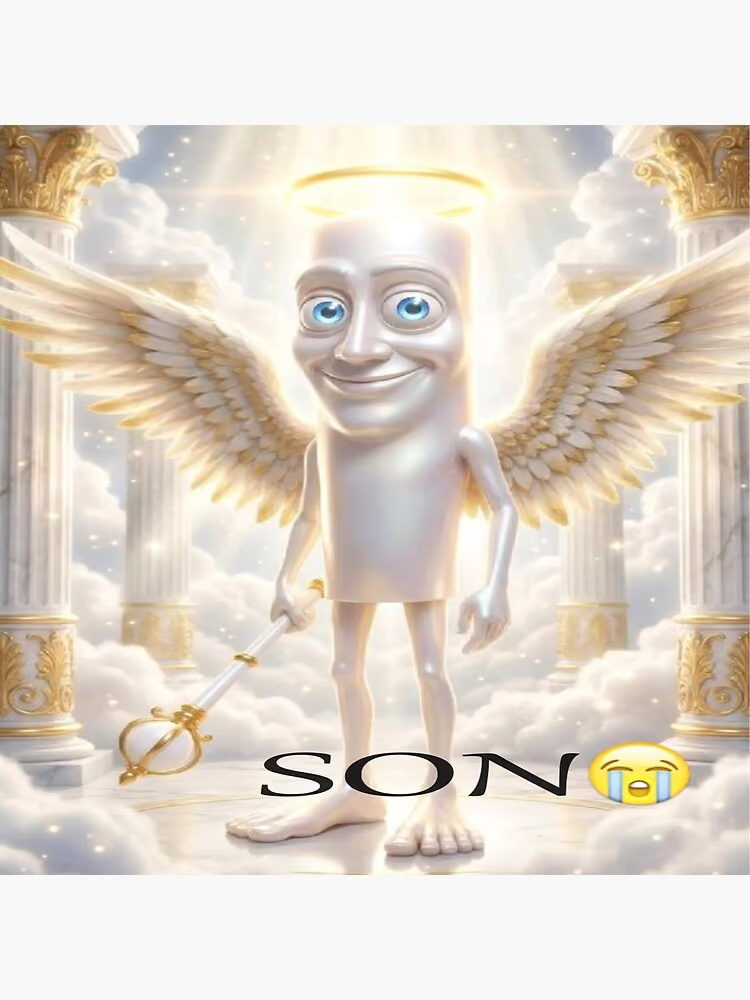
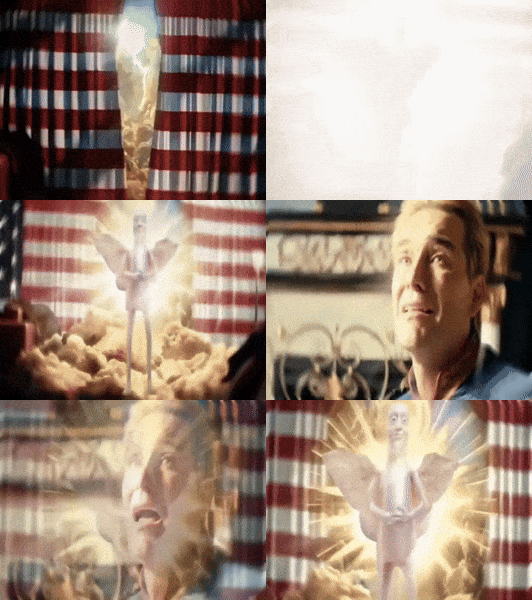
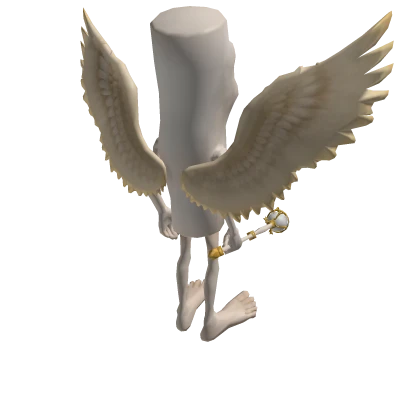
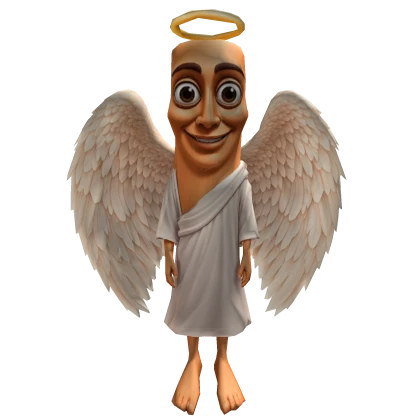
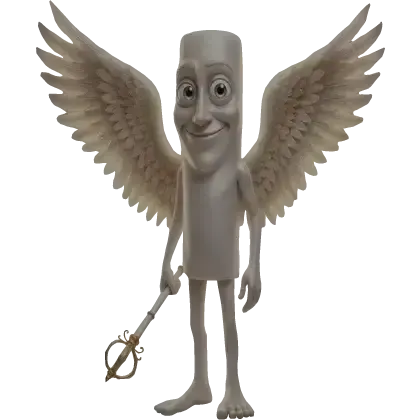
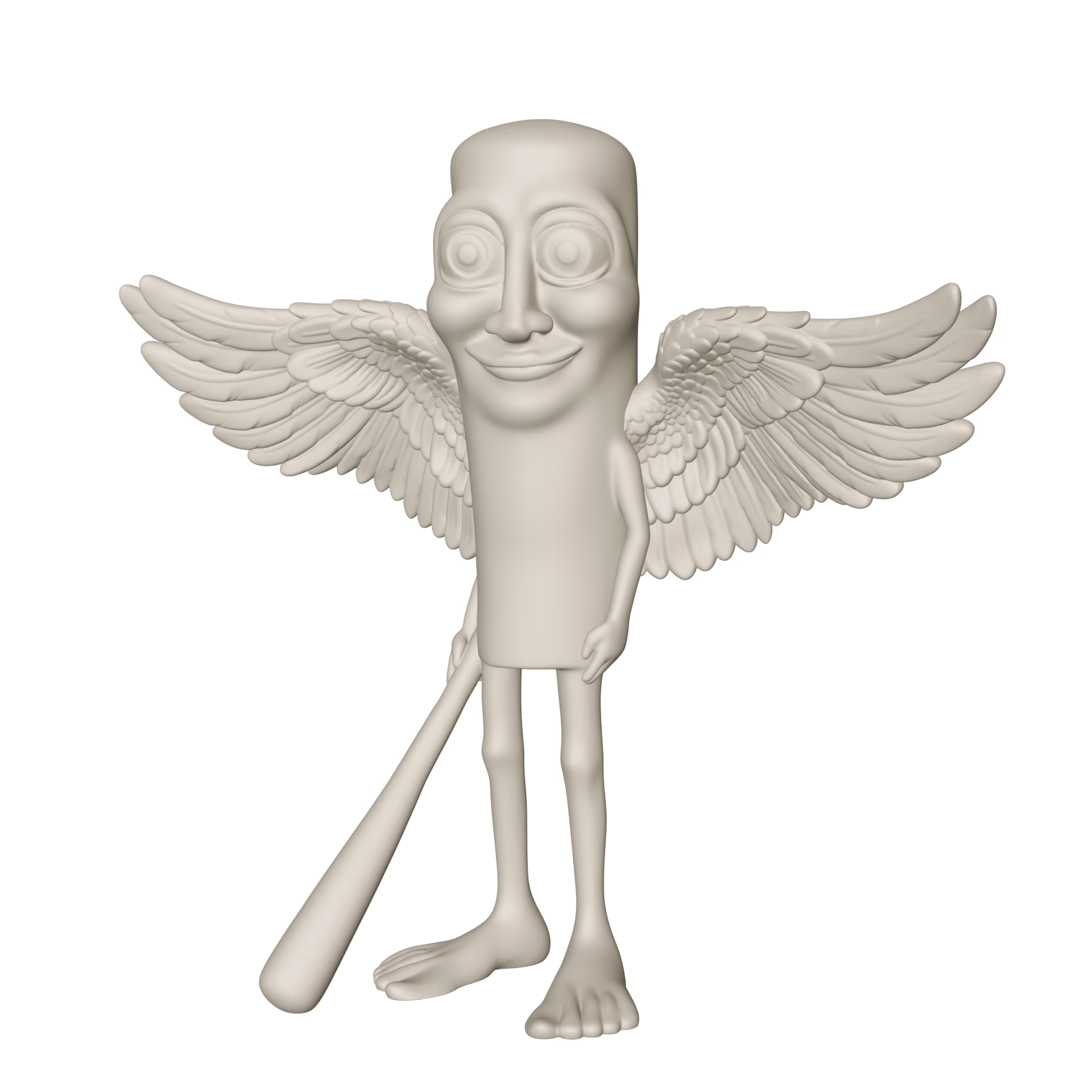
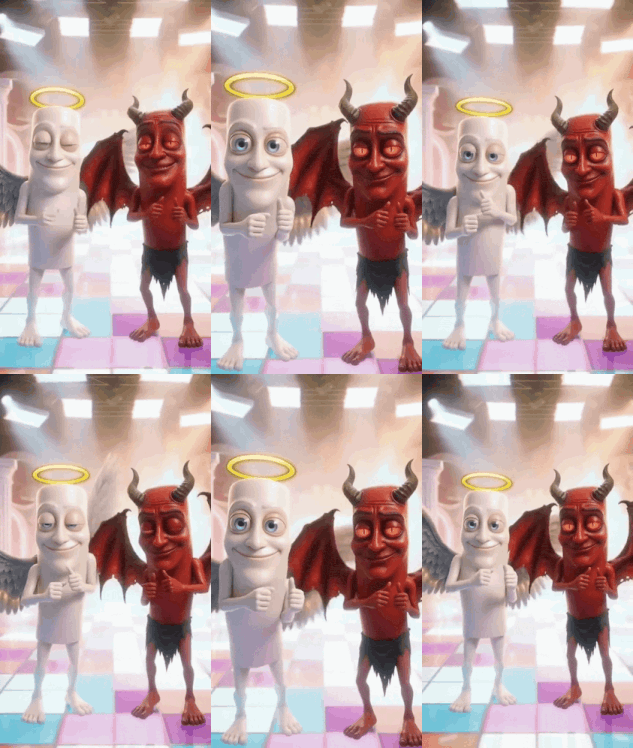
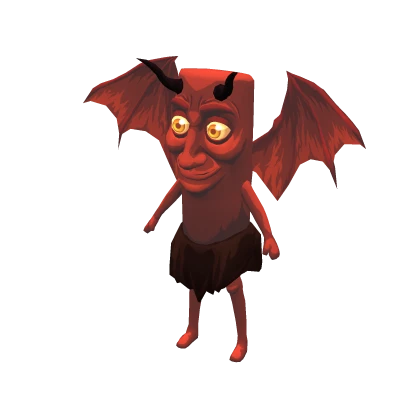
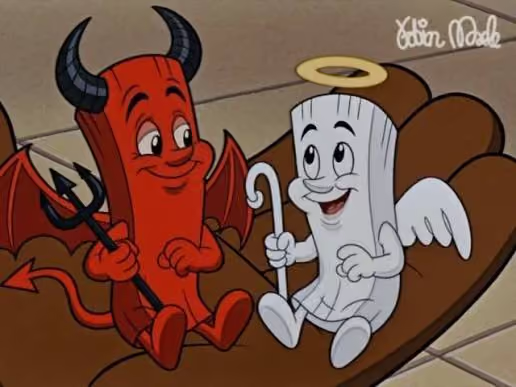
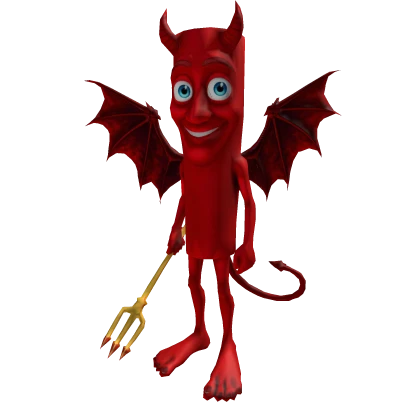
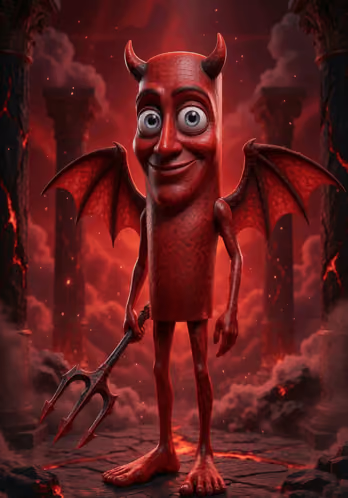
As Ramadan drew to a close in late March 2025, the Tung Tung Tung Sahur meme took on a new form. Indonesian internet users began making memes imagining the wooden creature returning home after fulfilling its duty of waking people for Sahur.
Videos depicted Tung Tung Tung Sahur walking away, boarding imaginary flights or dramatically vanishing, marking the end of its seasonal reign.
This playful farewell became a trend...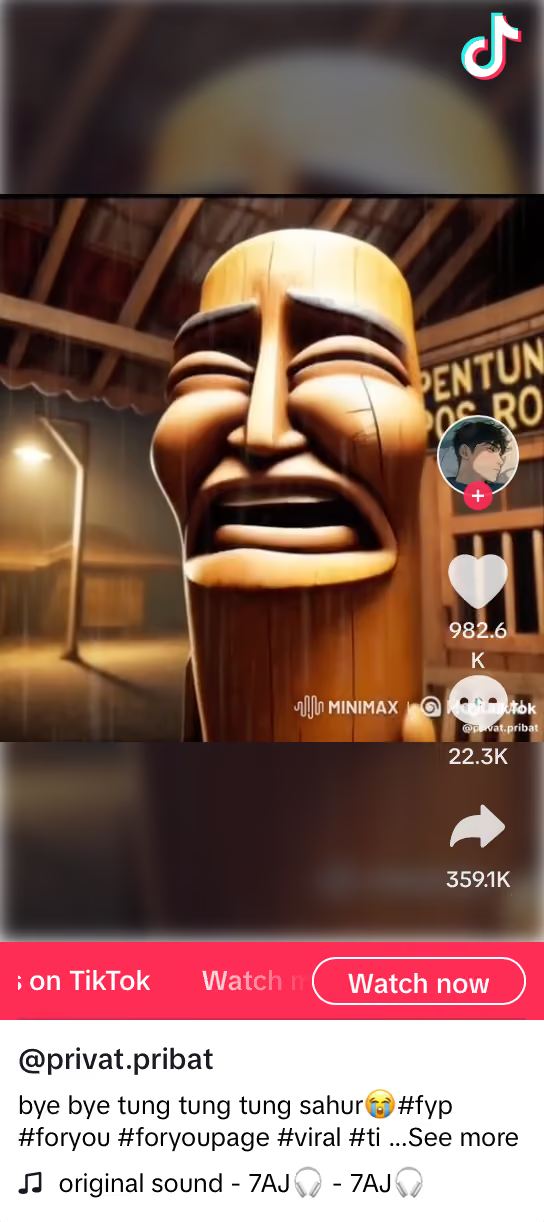

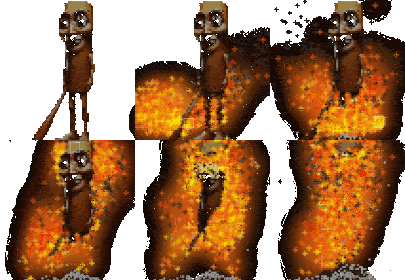 By Ramadan’s end, Indonesian users joked that the creature had “completed its mission” and returned home.
Videos depicted Tung Tung Tung Sahur walking away, boarding imaginary flights or dramatically vanishing, marking the end of its seasonal reign.
This playful farewell became a trend...


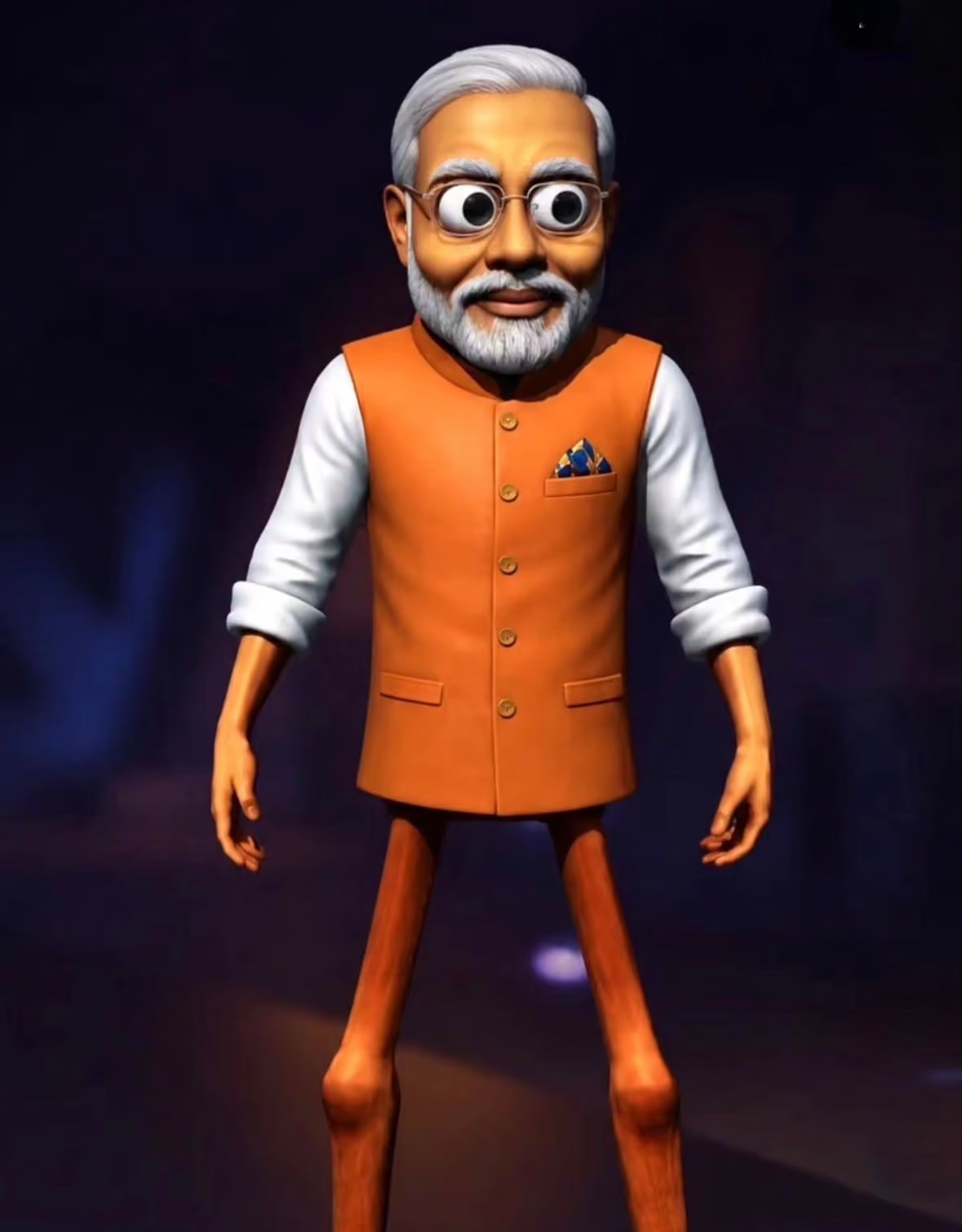
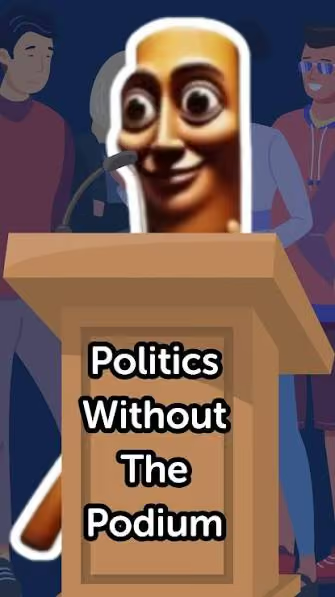
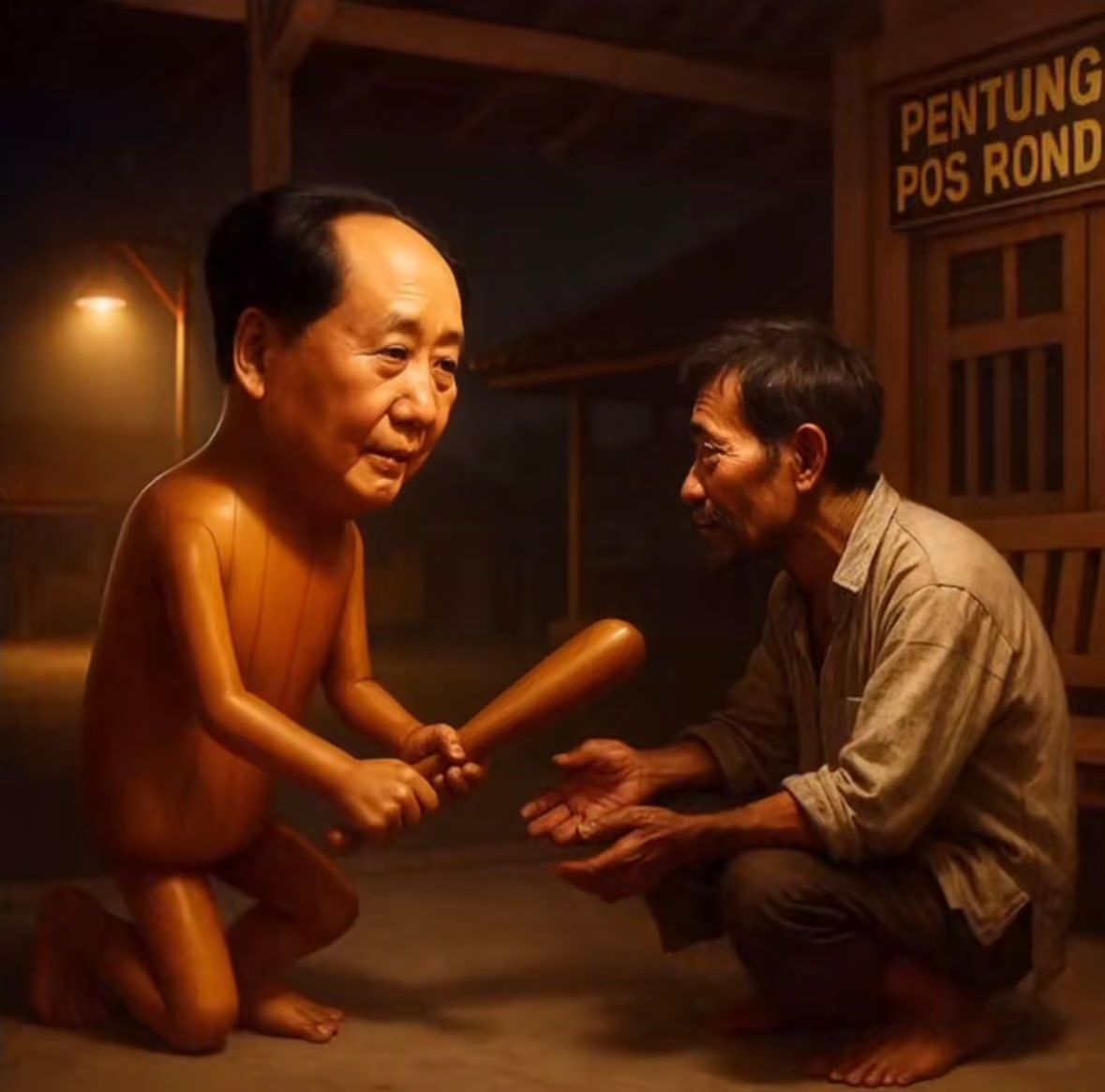
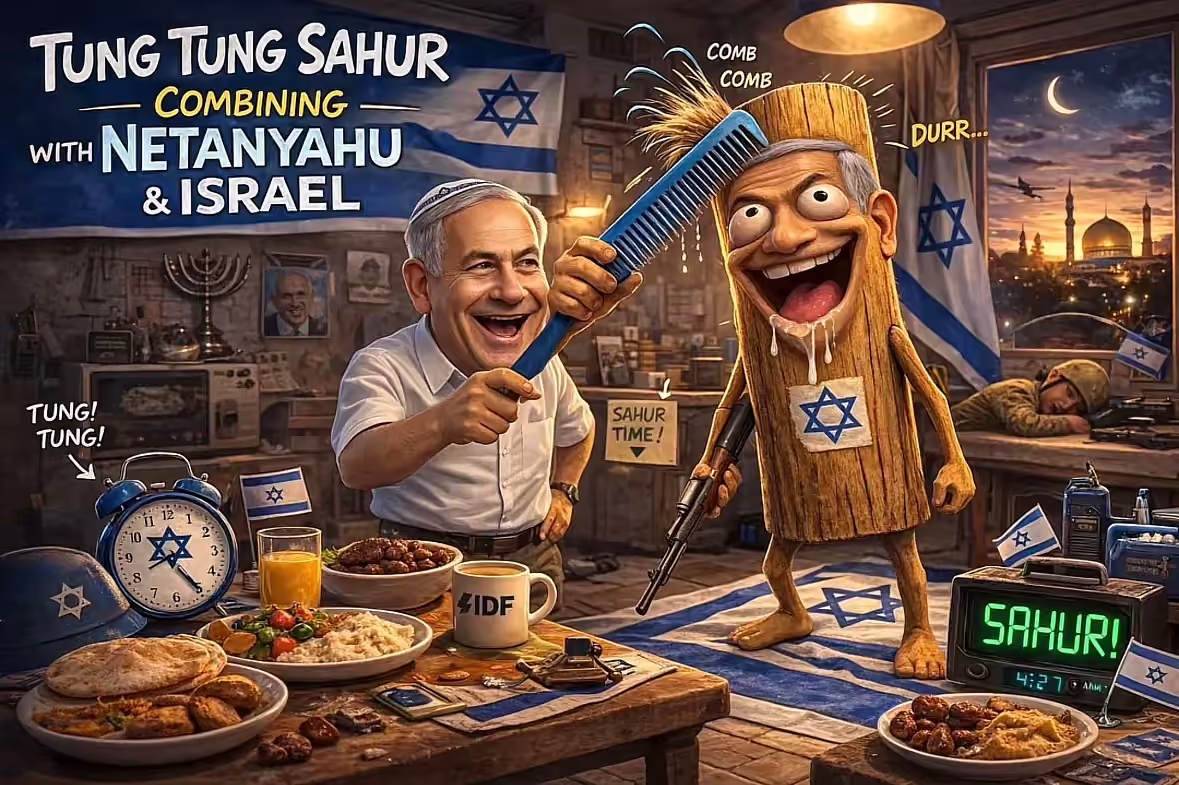
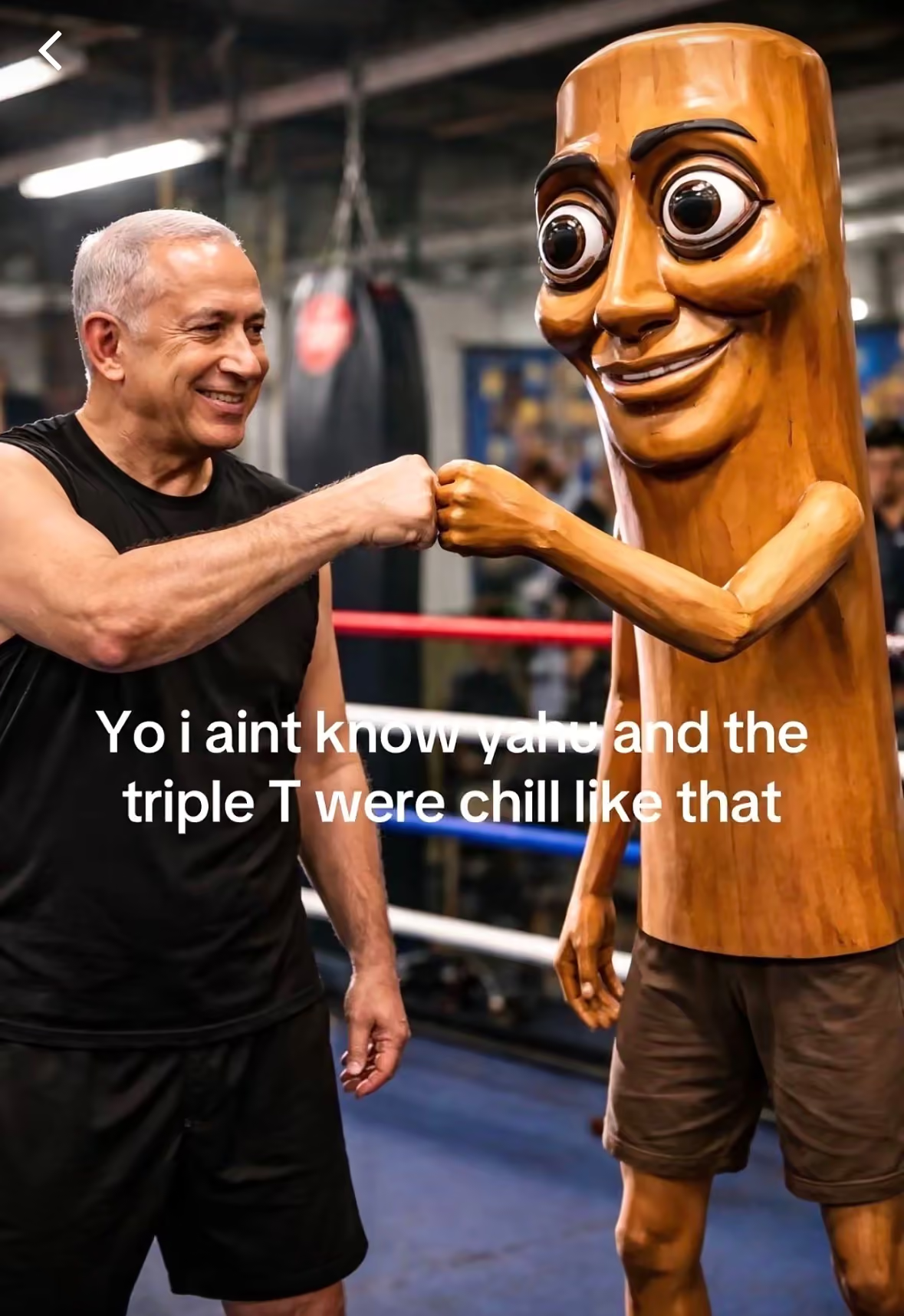
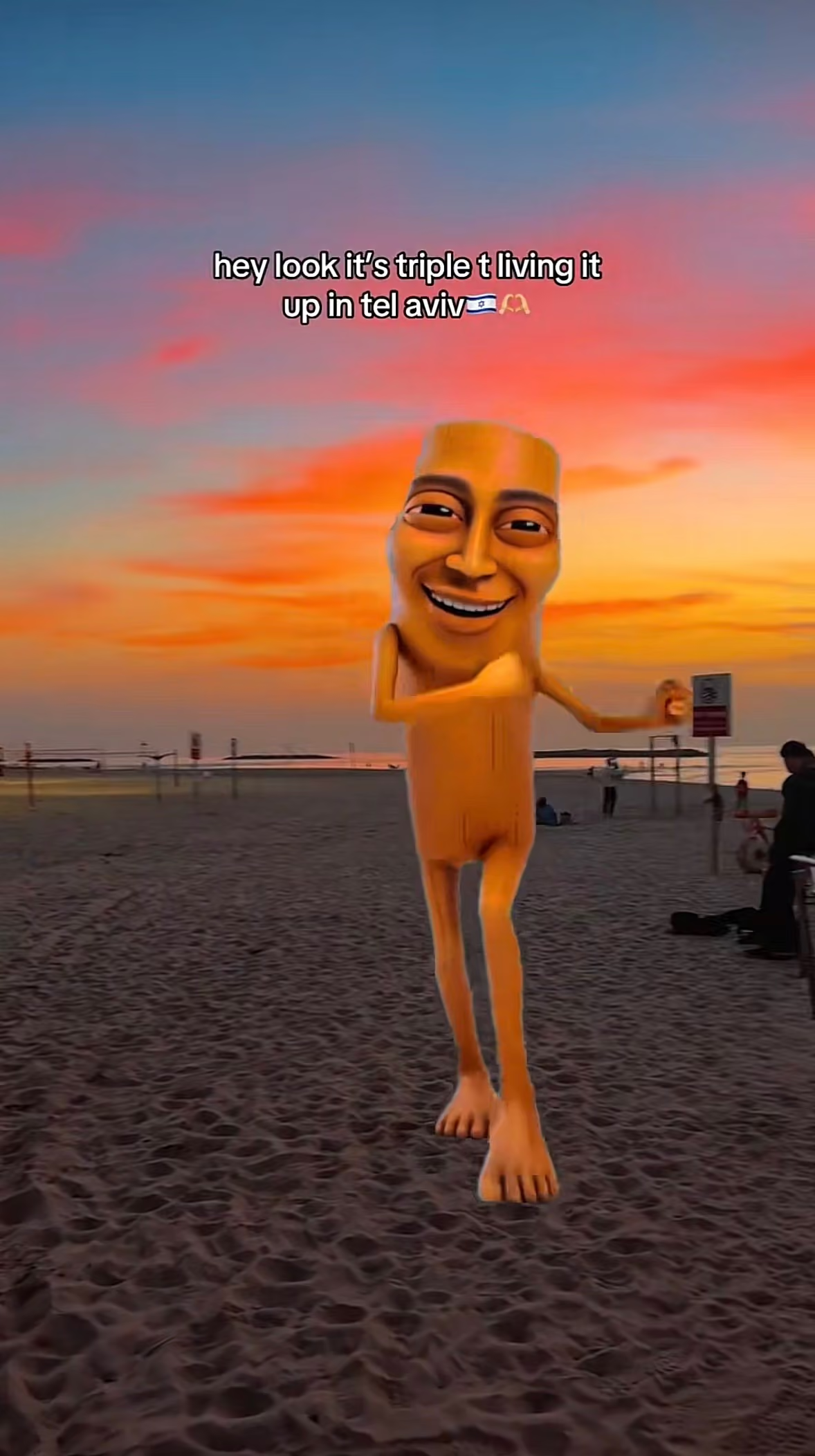
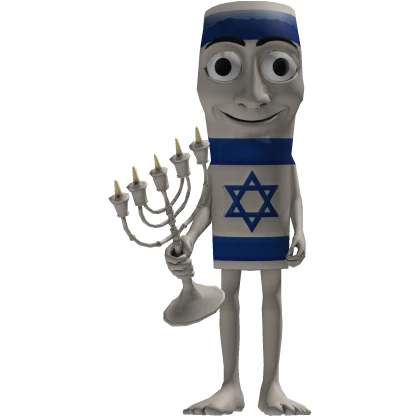
13. Politics & Weaponization






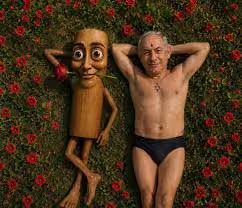
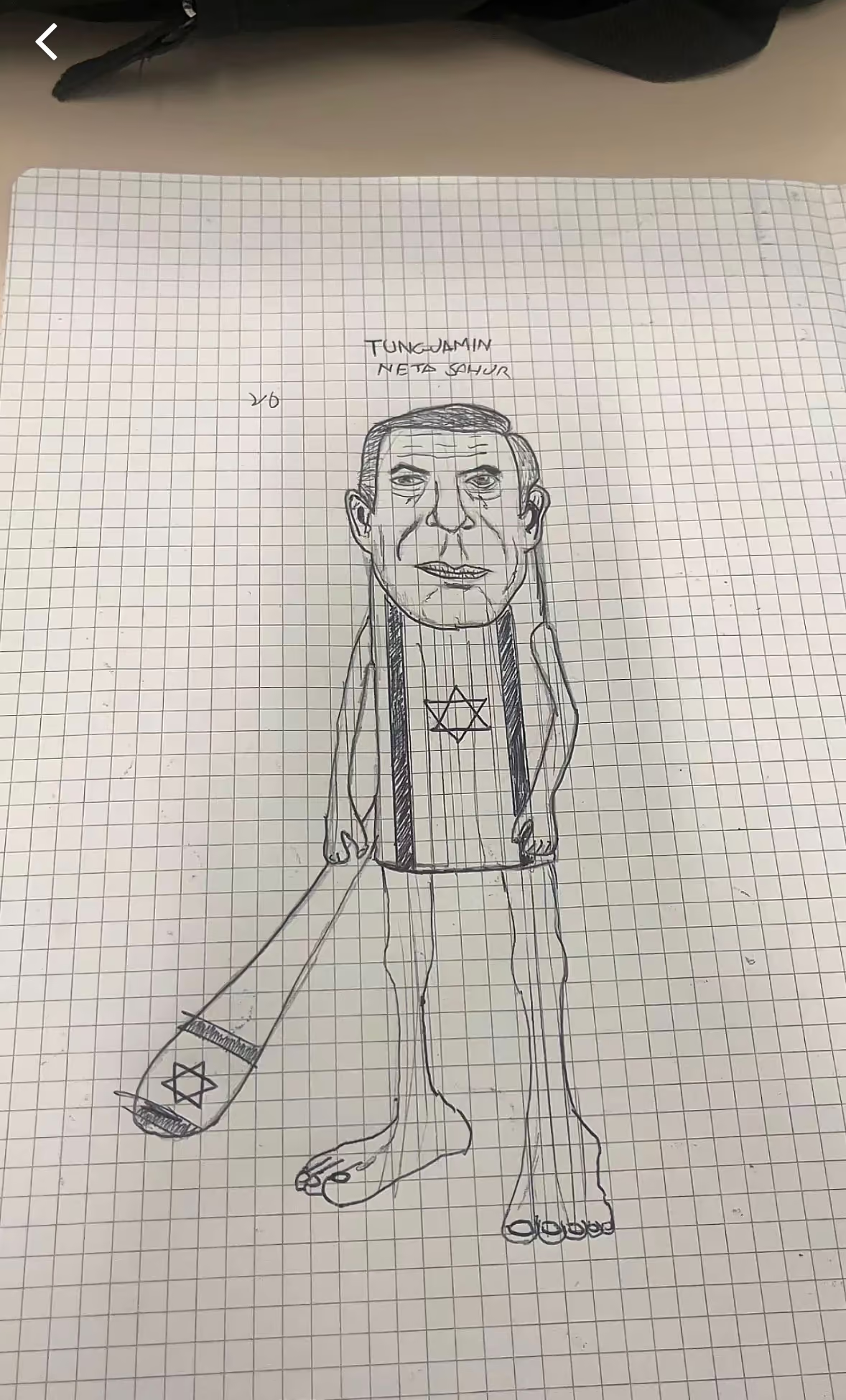
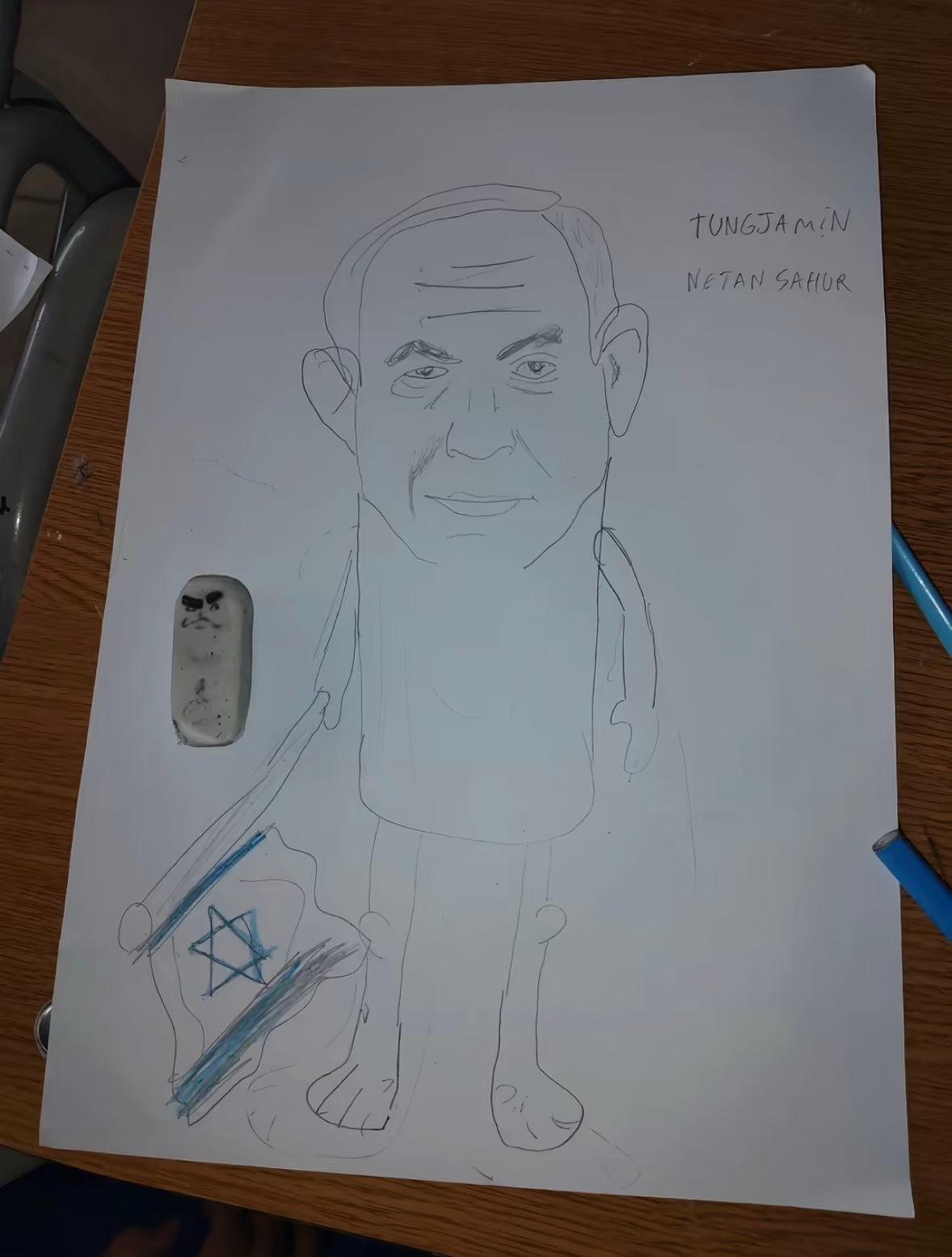
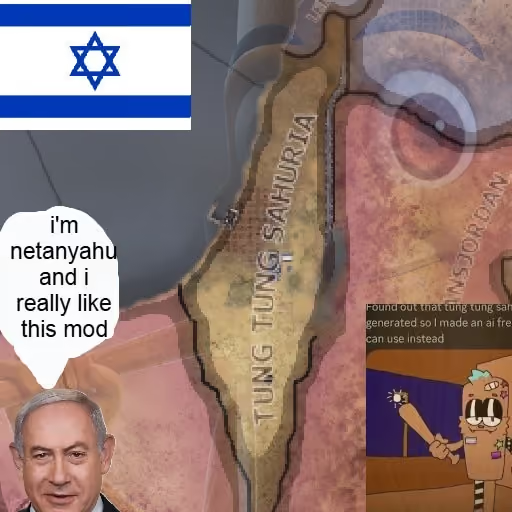






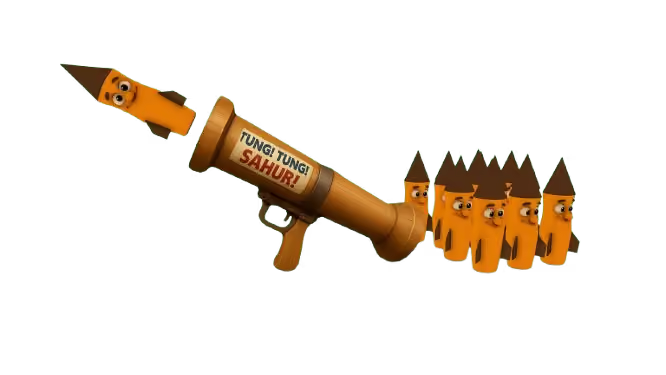
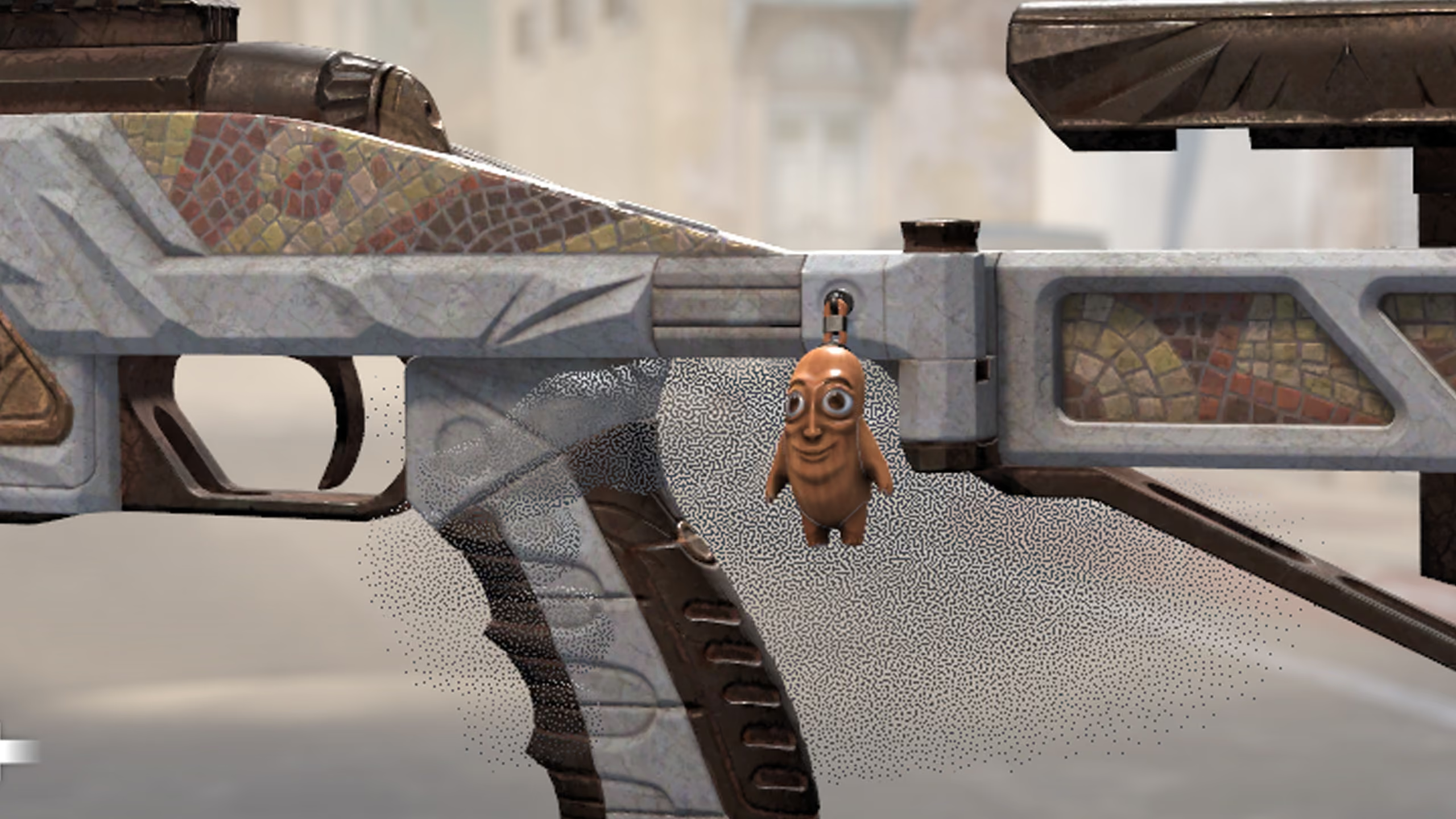
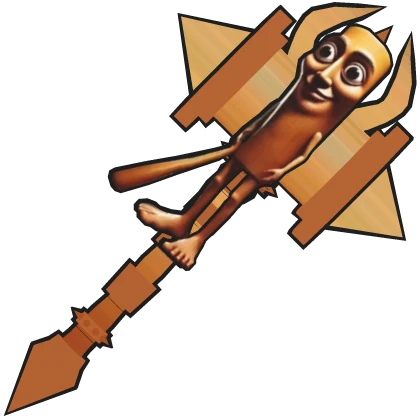
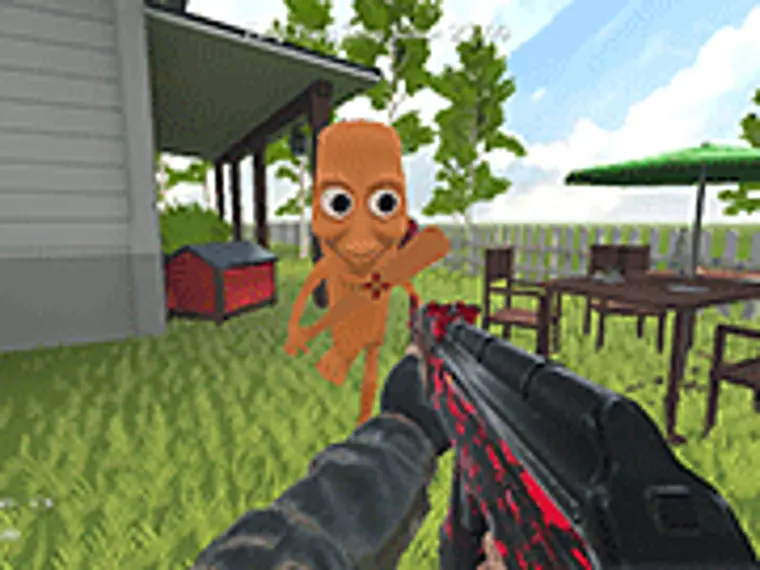


1. Roots
Sahur · Kentongan · Pos Ronda
2. Emergence
Prompt · DALL-E · Anomali AI · Italian Brainrot
3. Naming
Tung Tung Tung · Sahur · sound · theme song · repetition
4. Globalization
Cross-cultural circulation · translations · Italian Brainrot · global variants
5. Forms & Variants
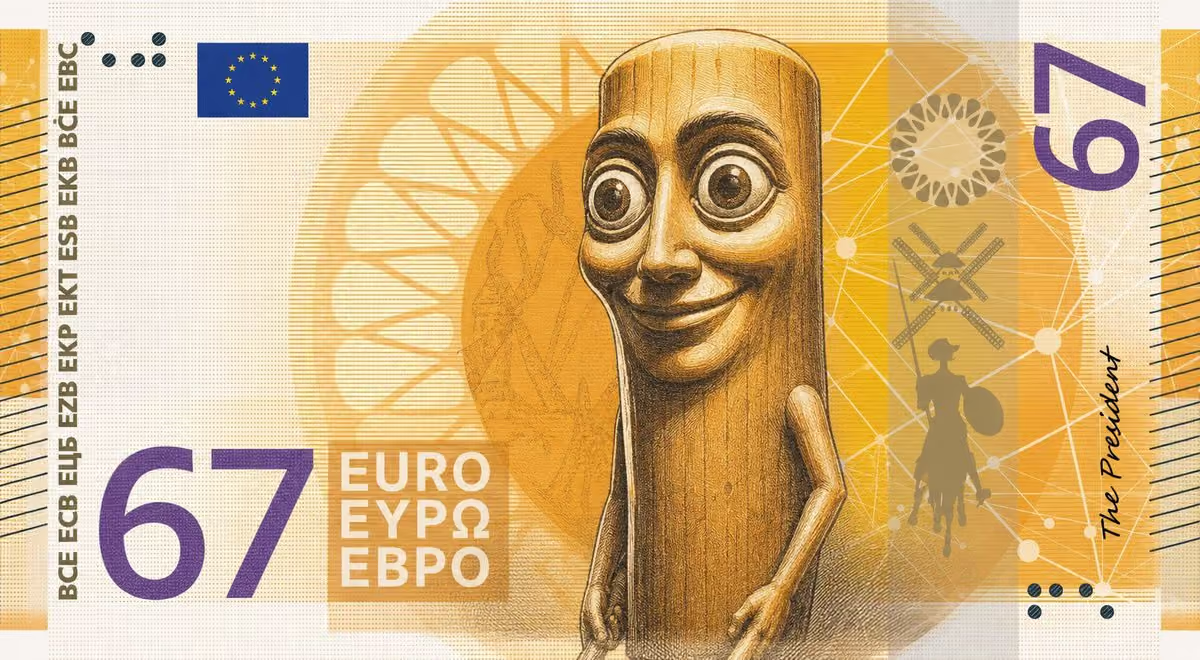
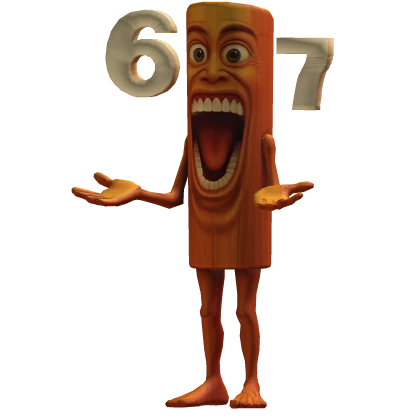
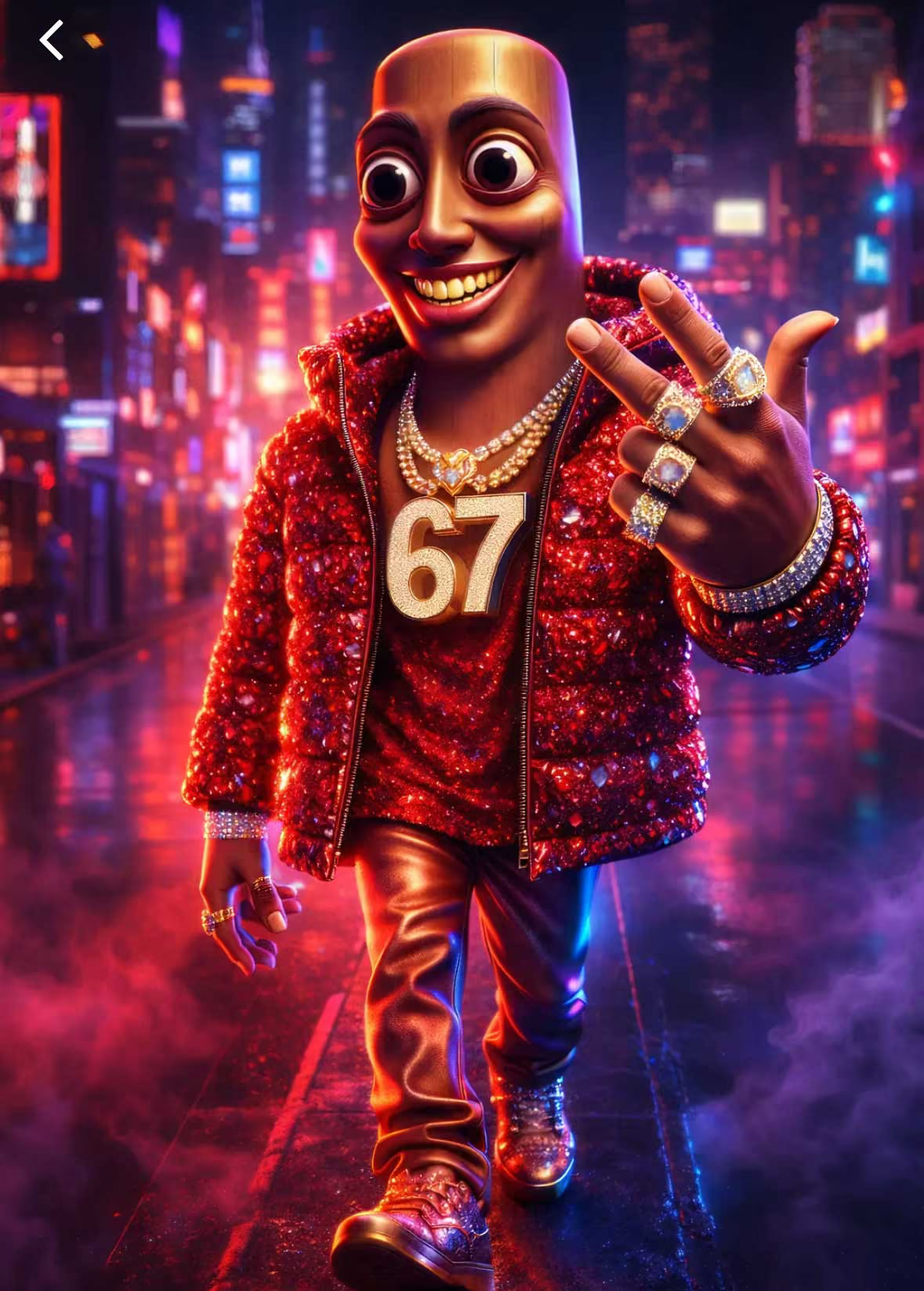
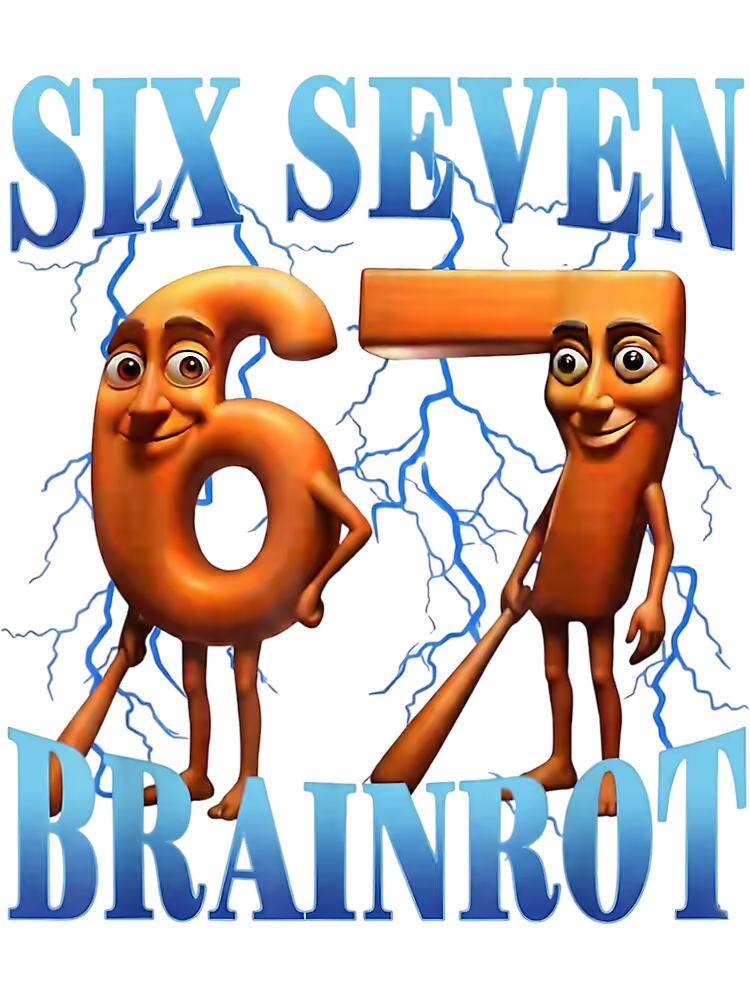
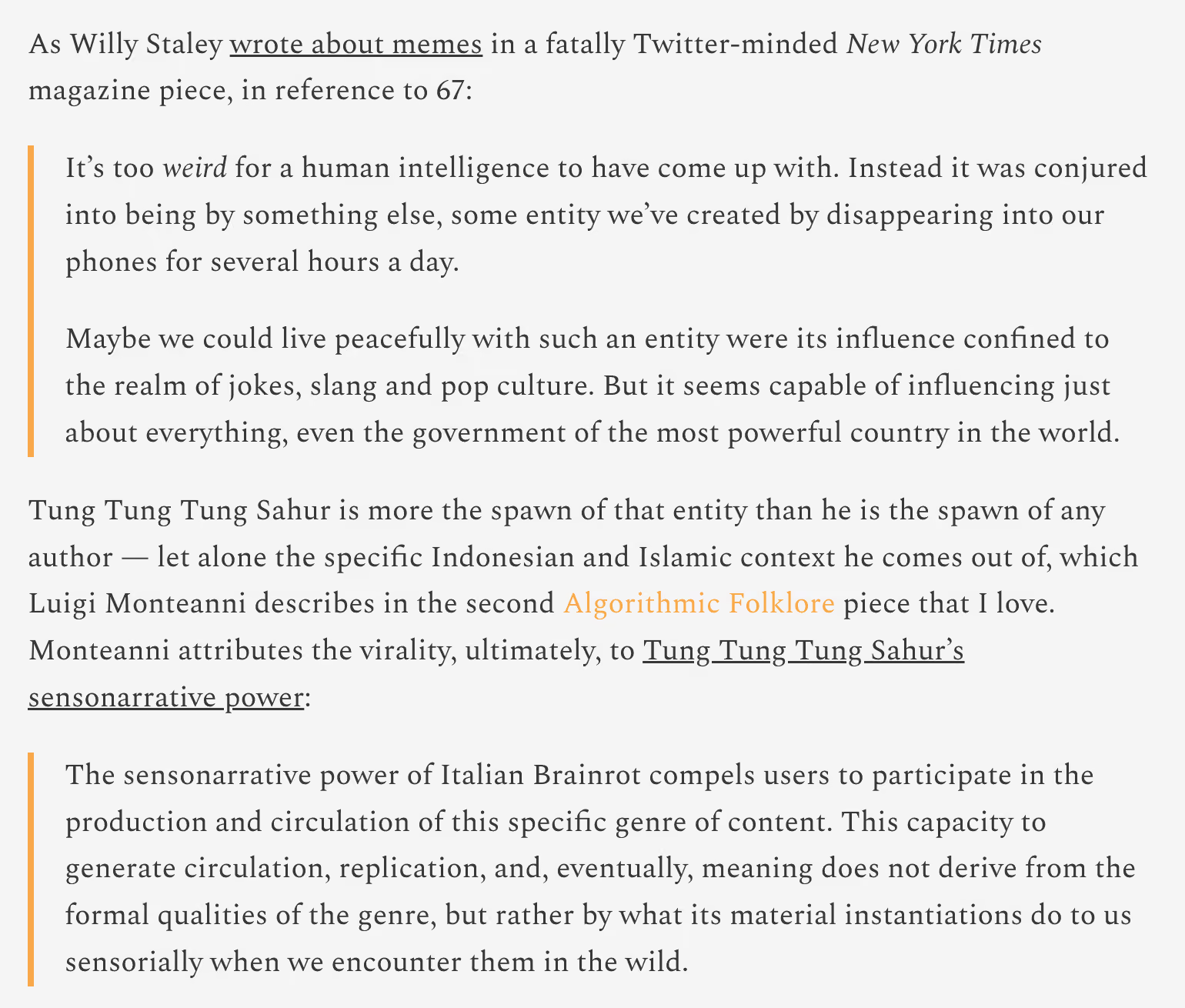
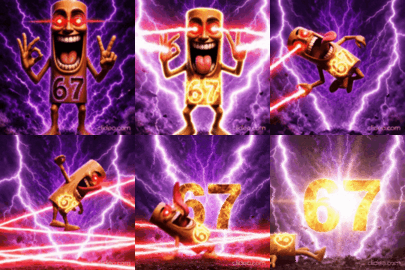
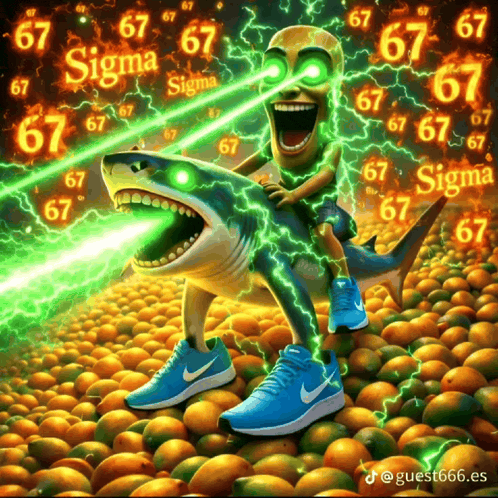
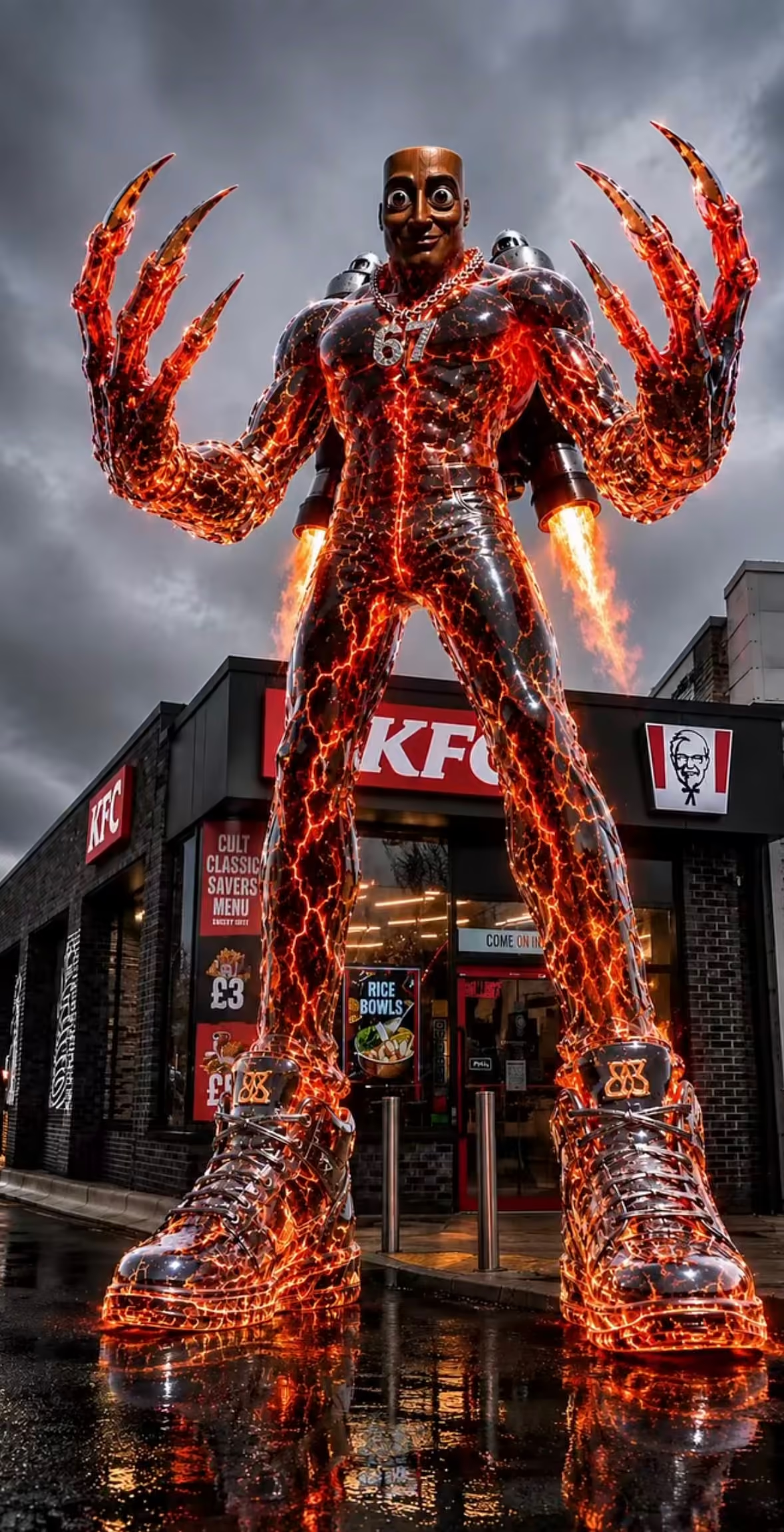
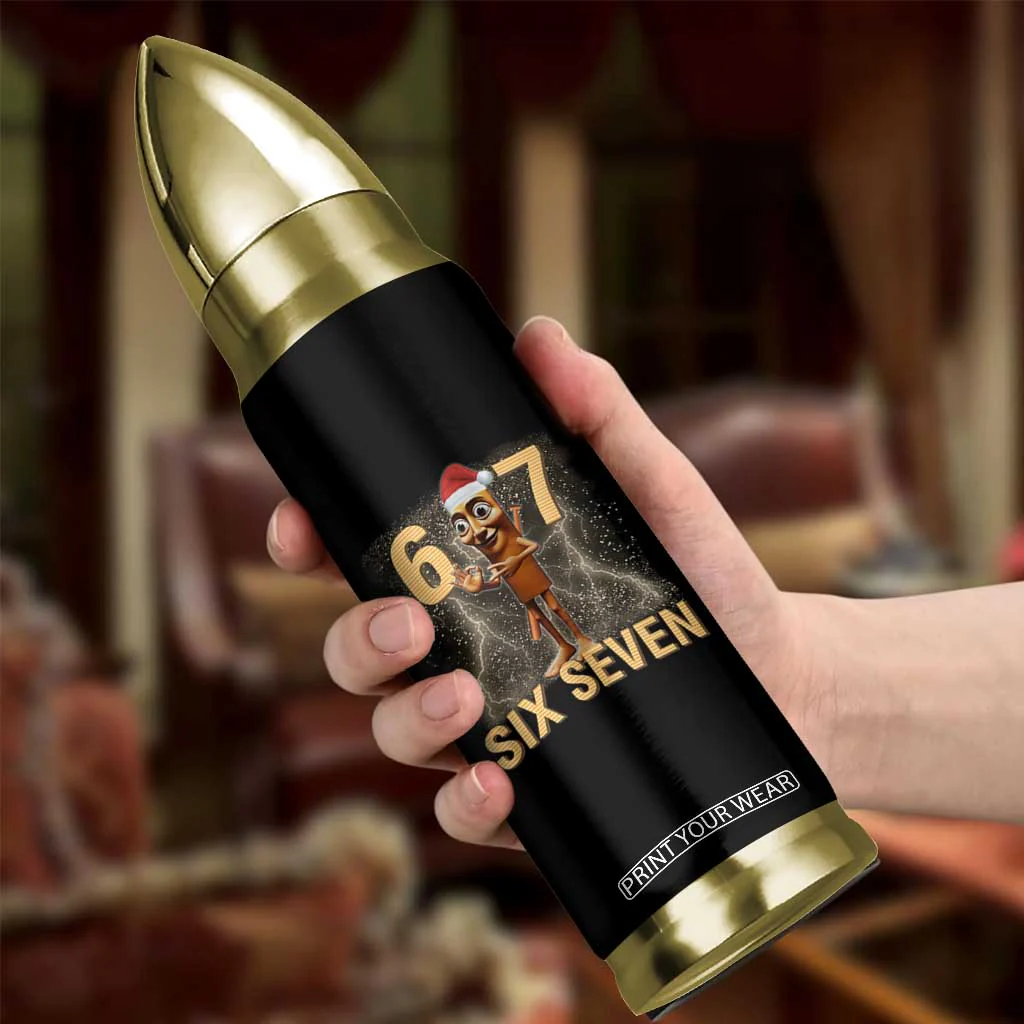
Basic Tung · animals · pickle · crossovers · 67
6. Mythology
Lore · God · AI · kills AI · mukbang · horror
7. Performances
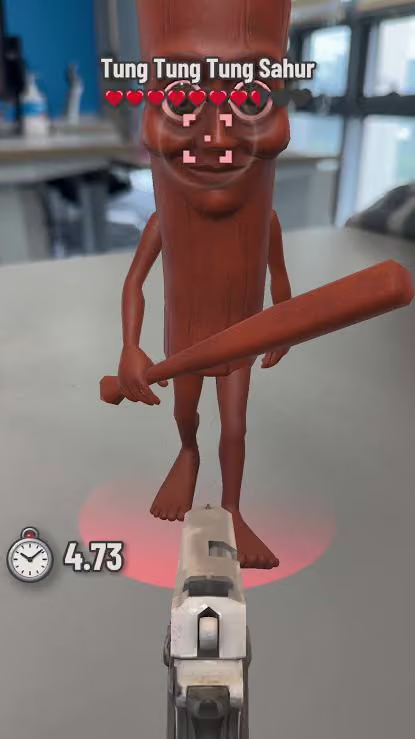
AR · dances · sounds
8. Embodiments
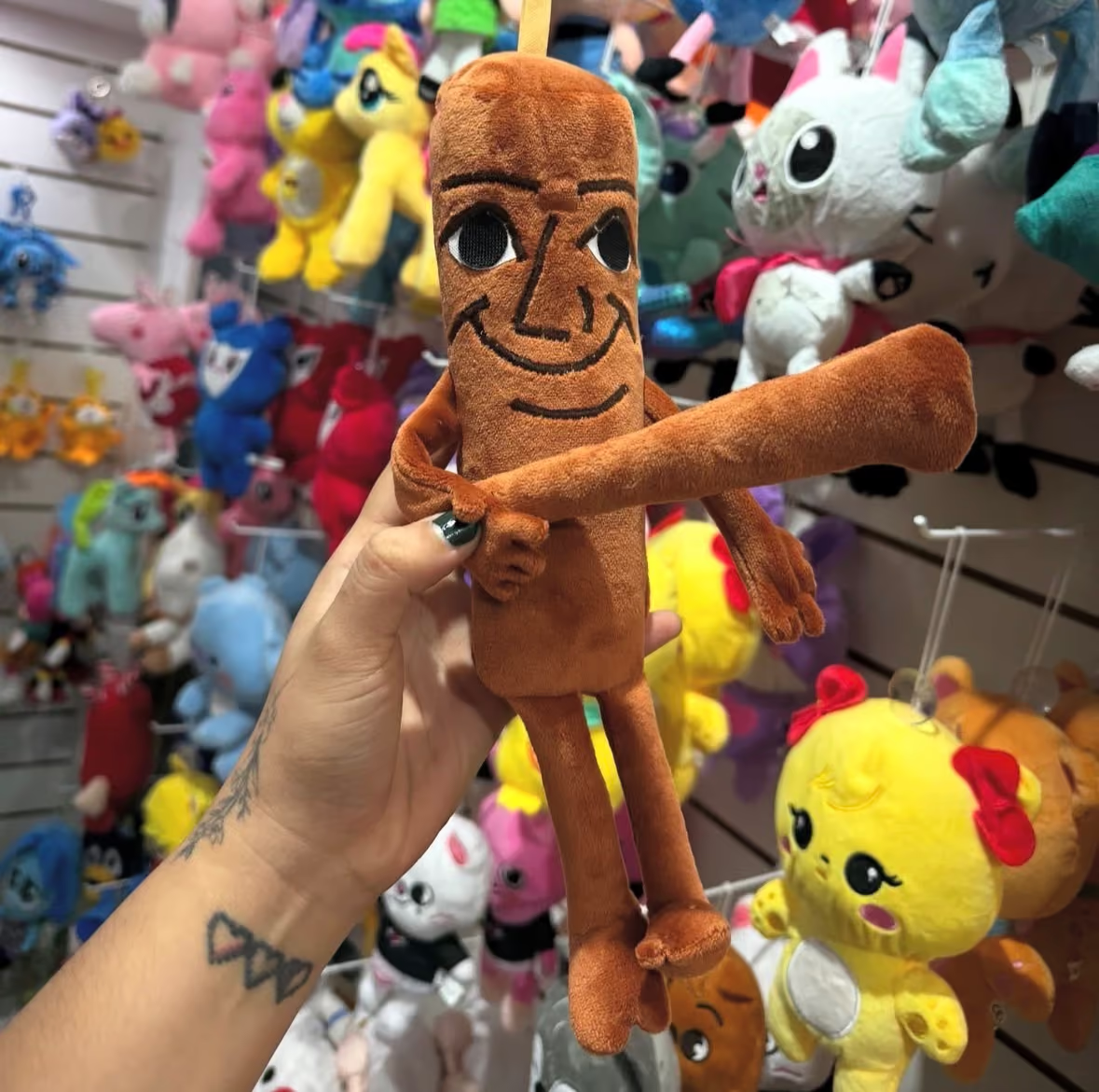
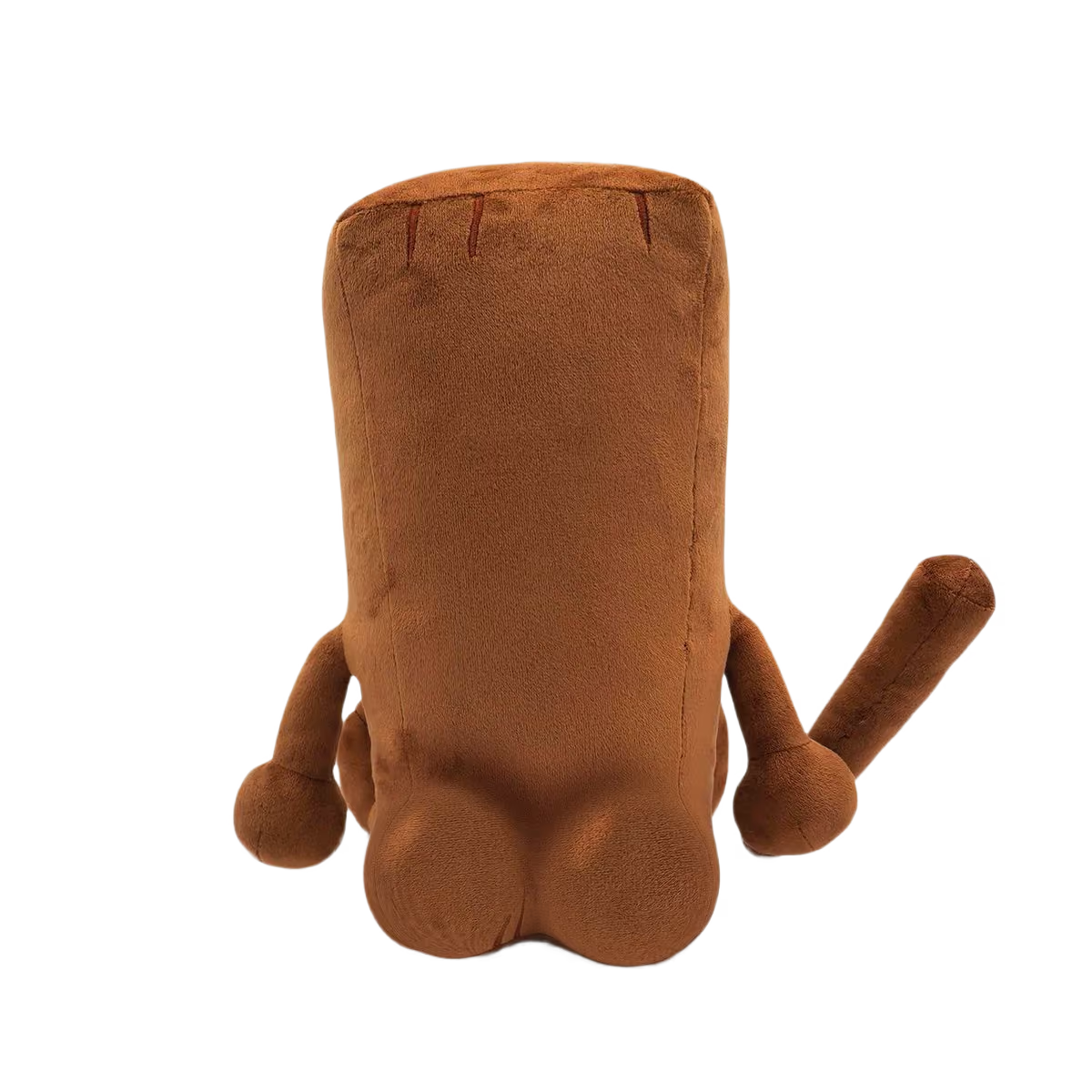
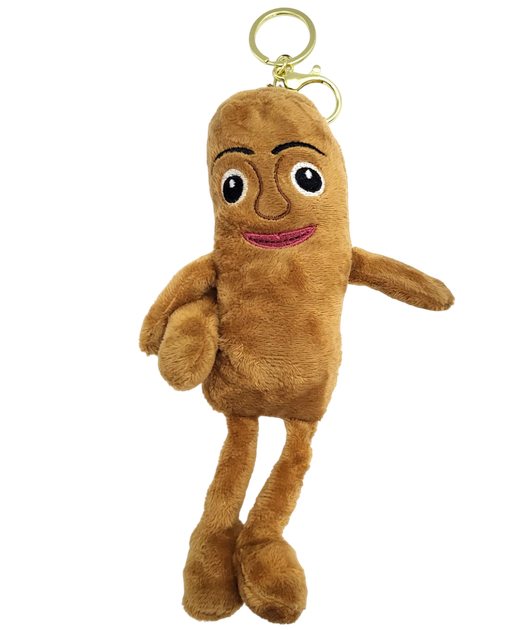
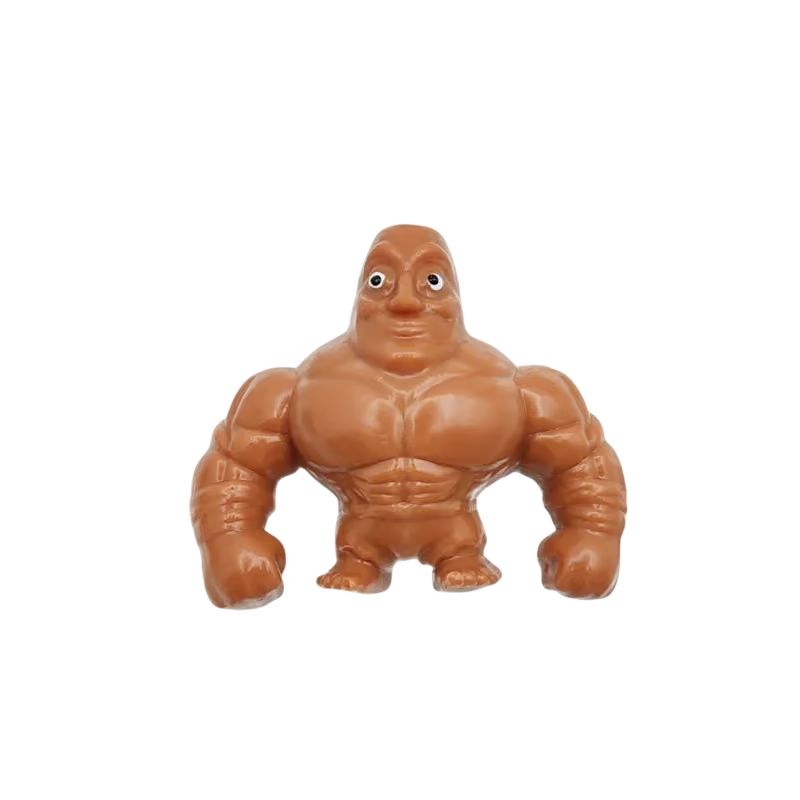
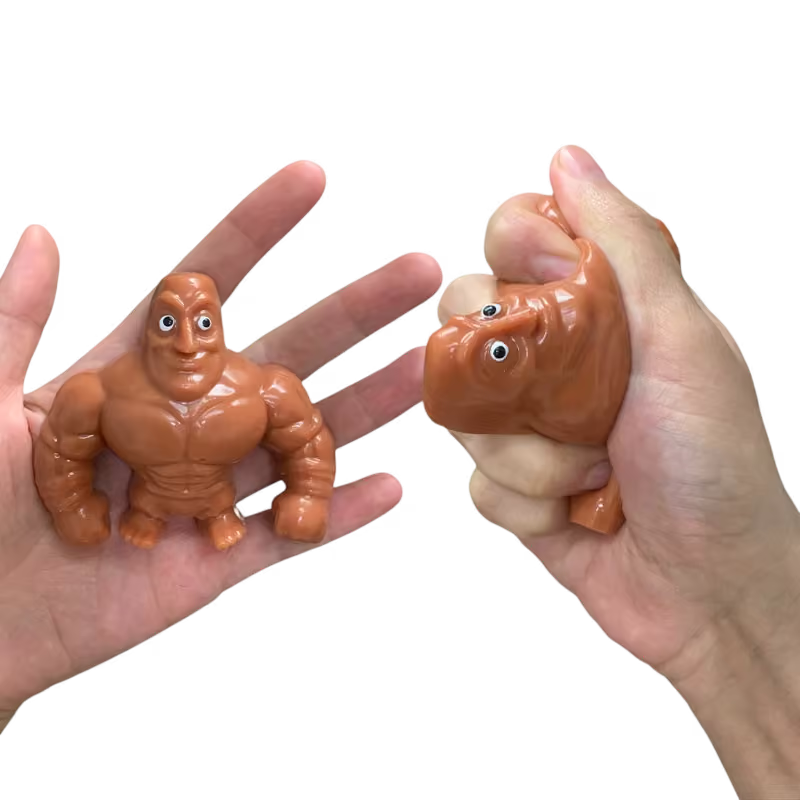
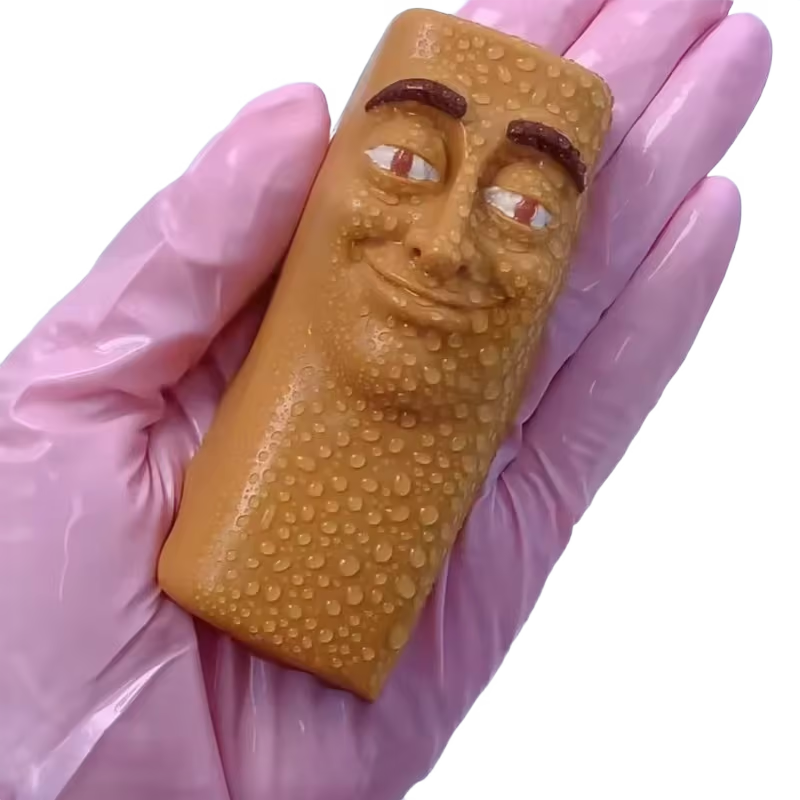
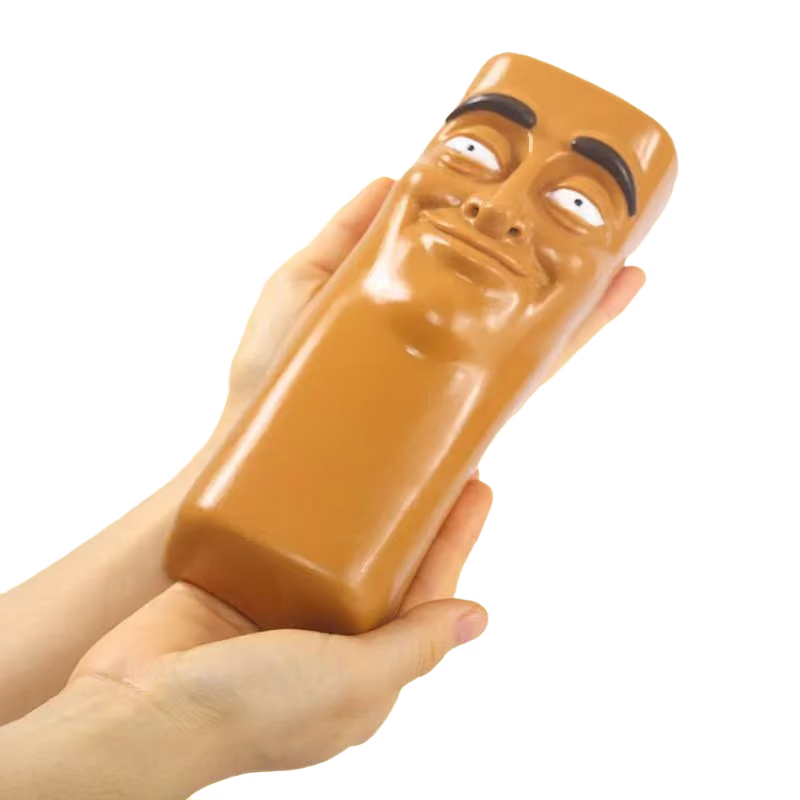
Drawings · food · plushies · sensory toys · costumes
9. Commerce & Ownership
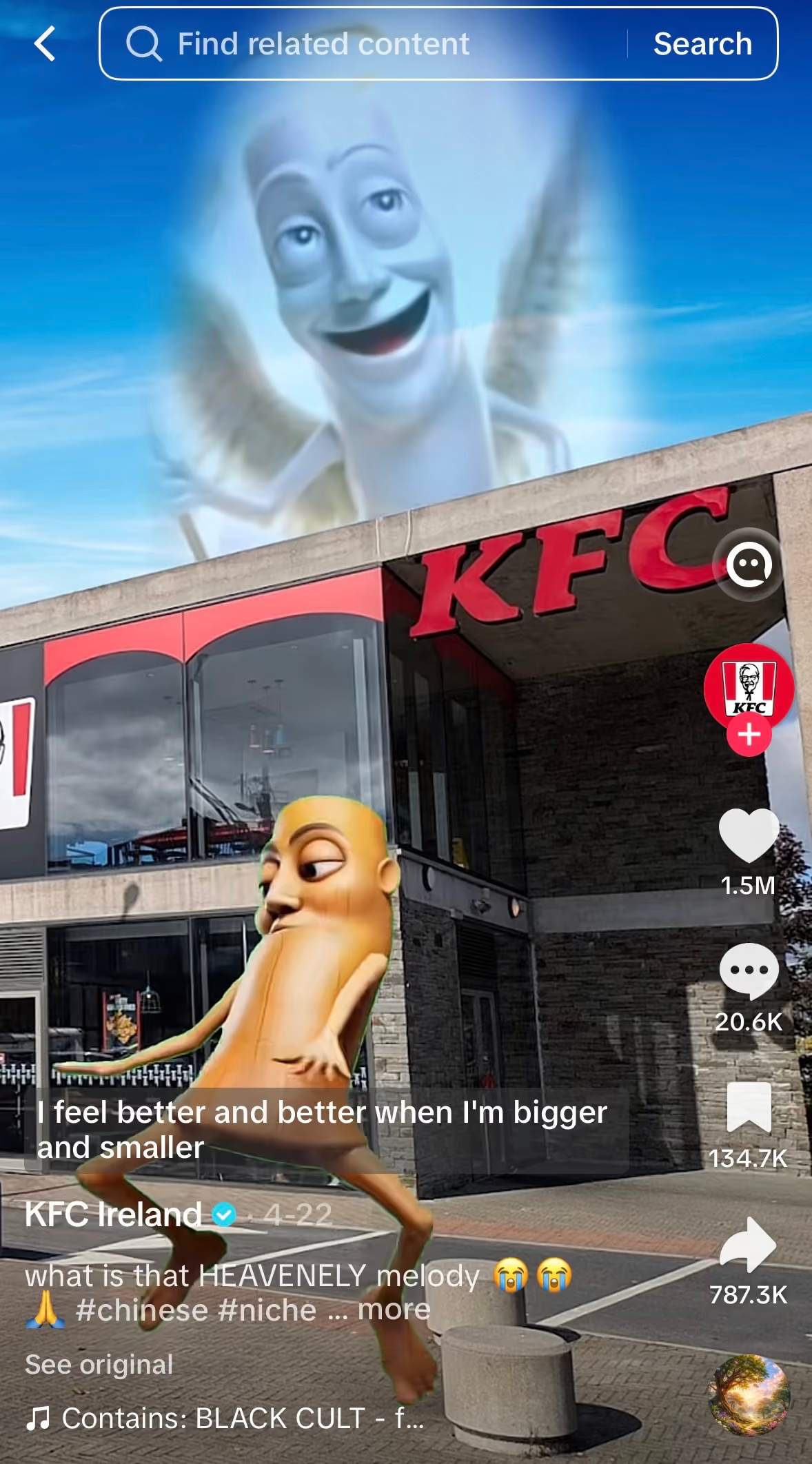
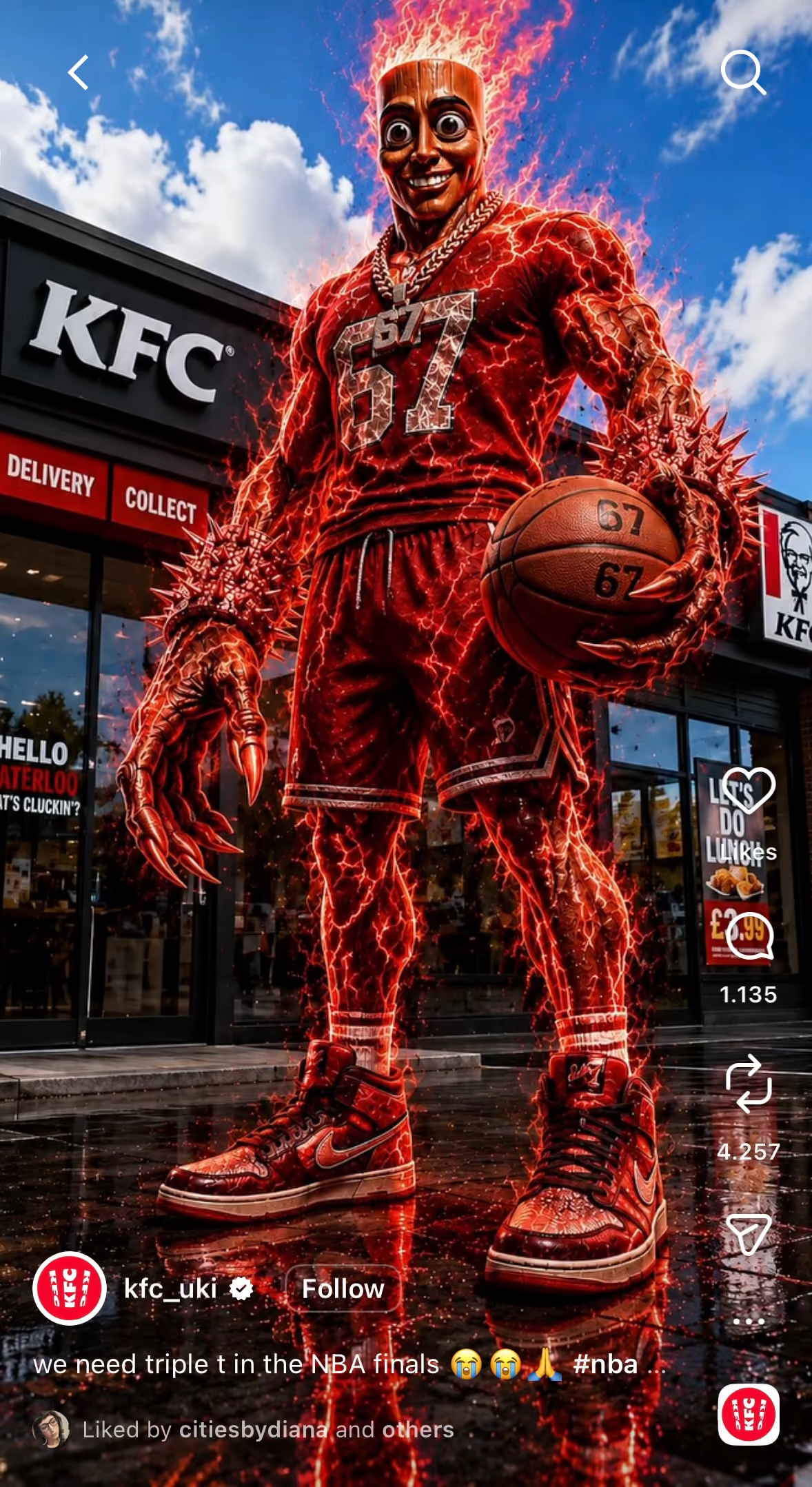
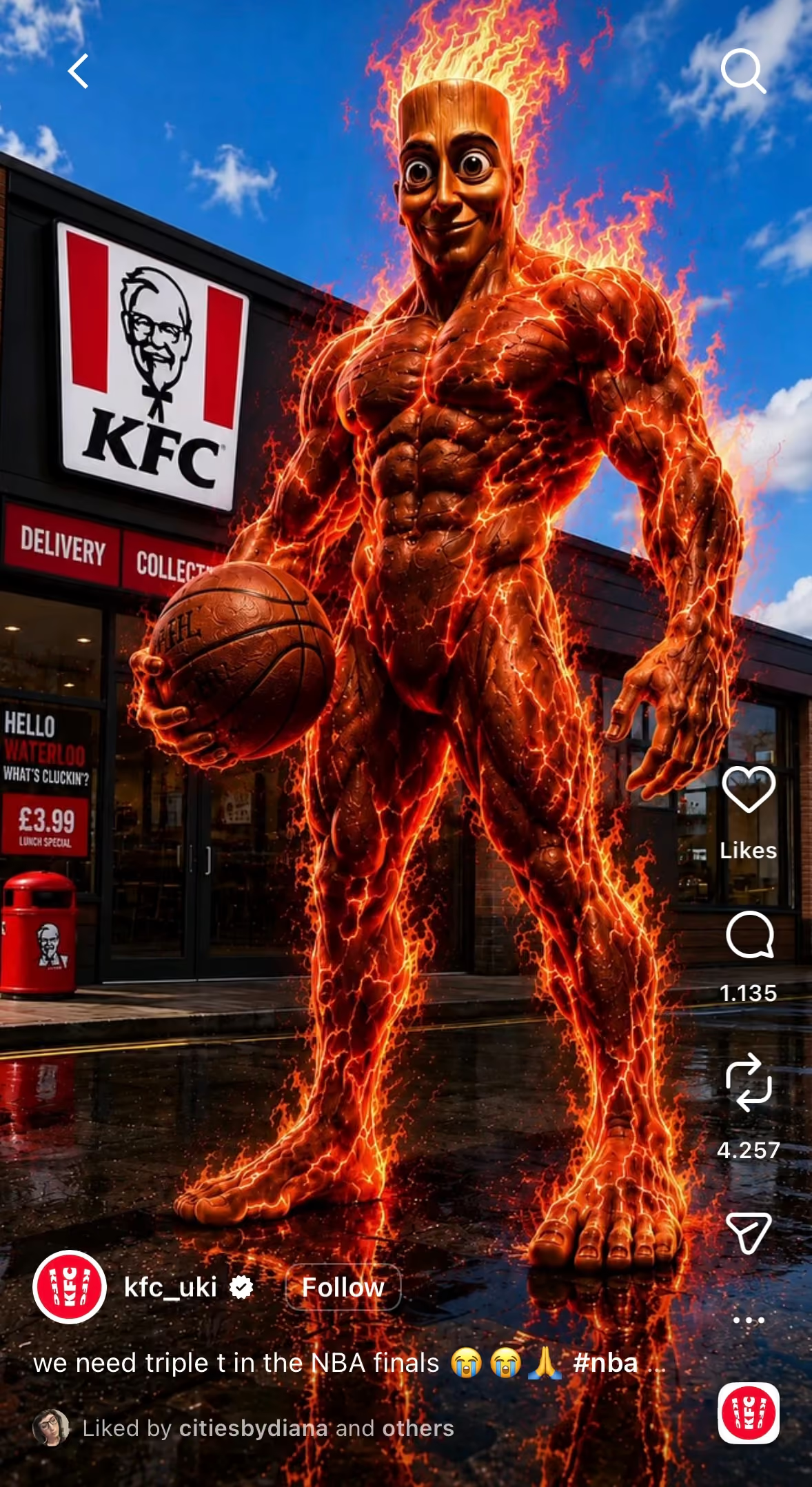
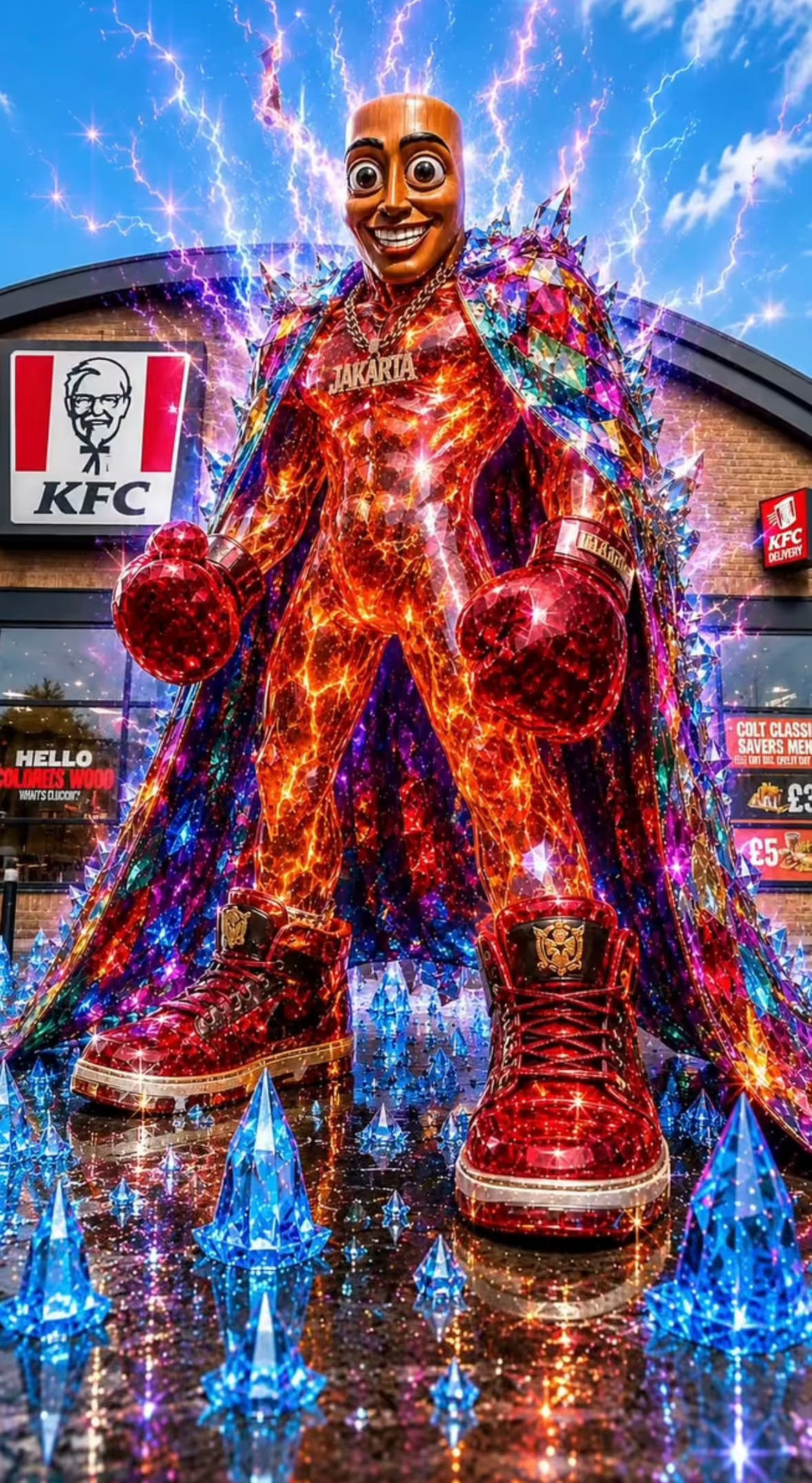
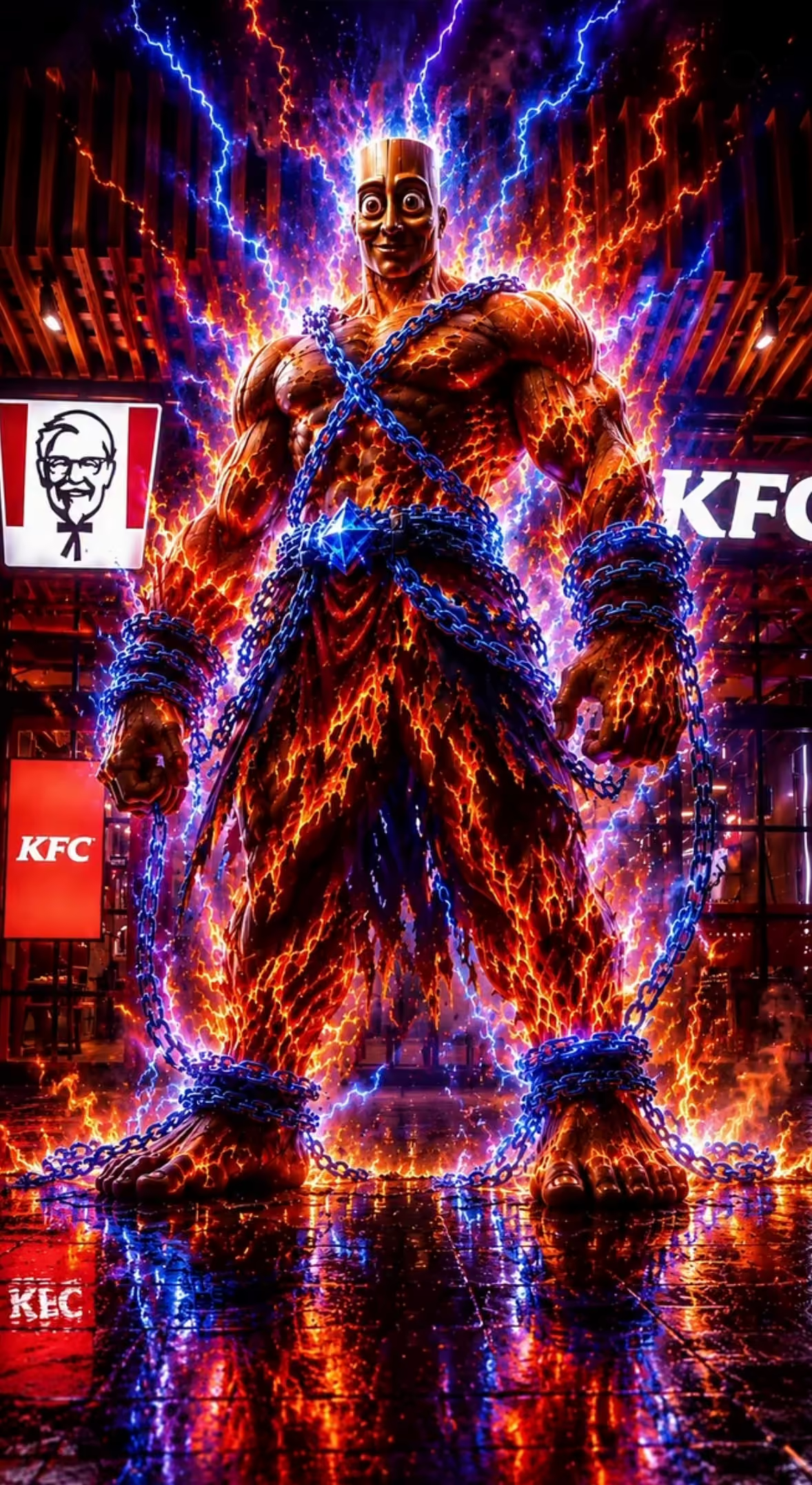
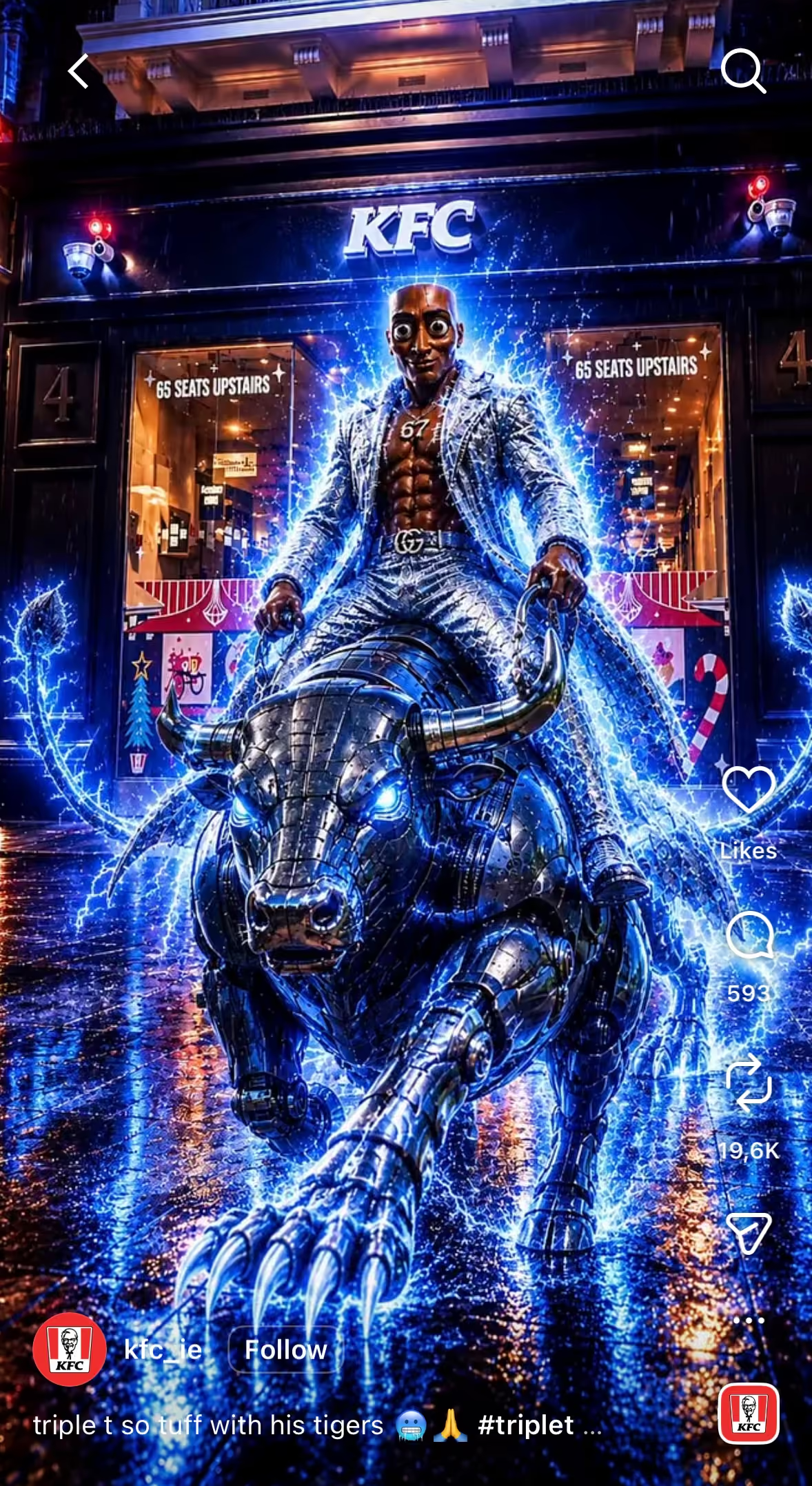
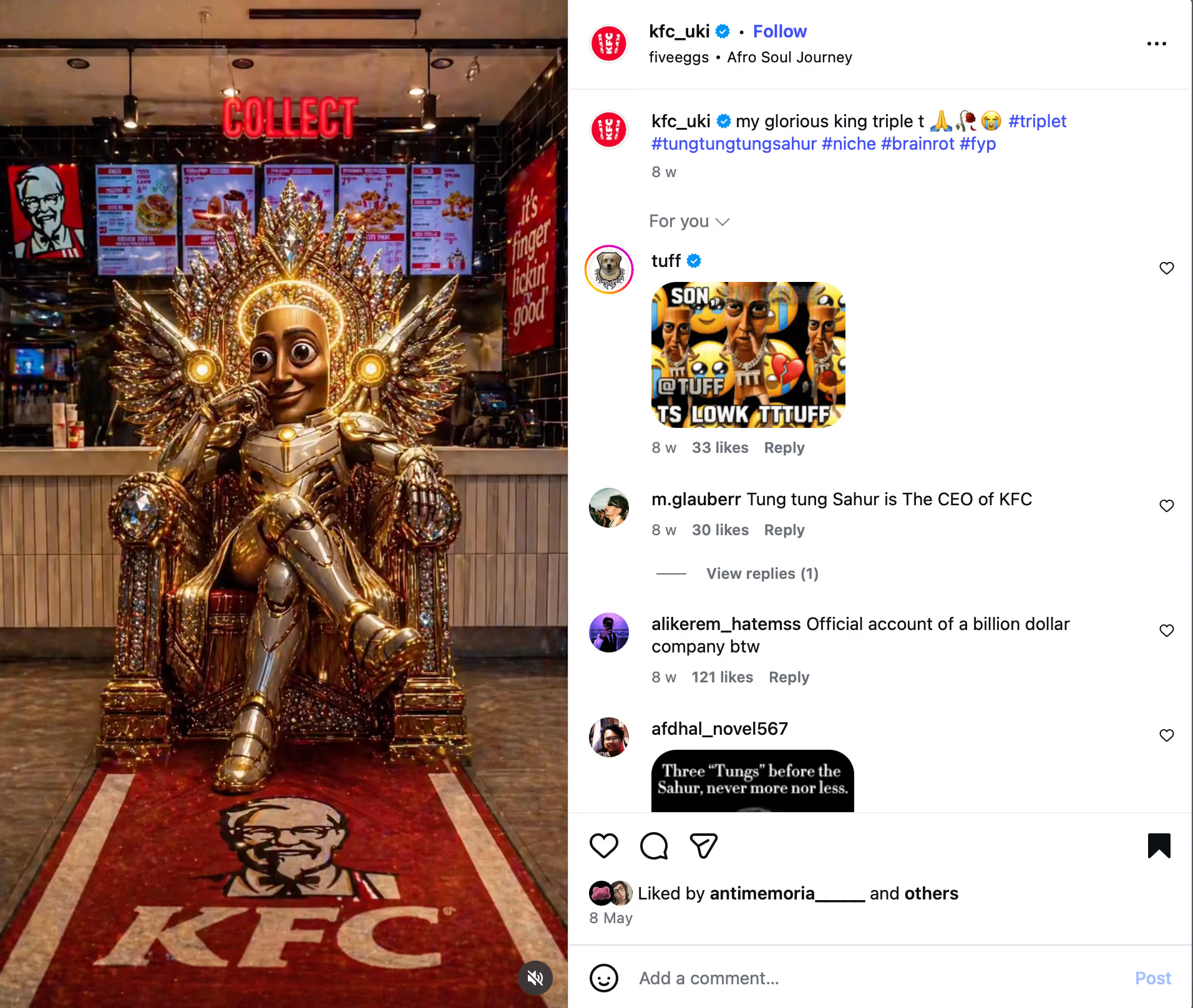
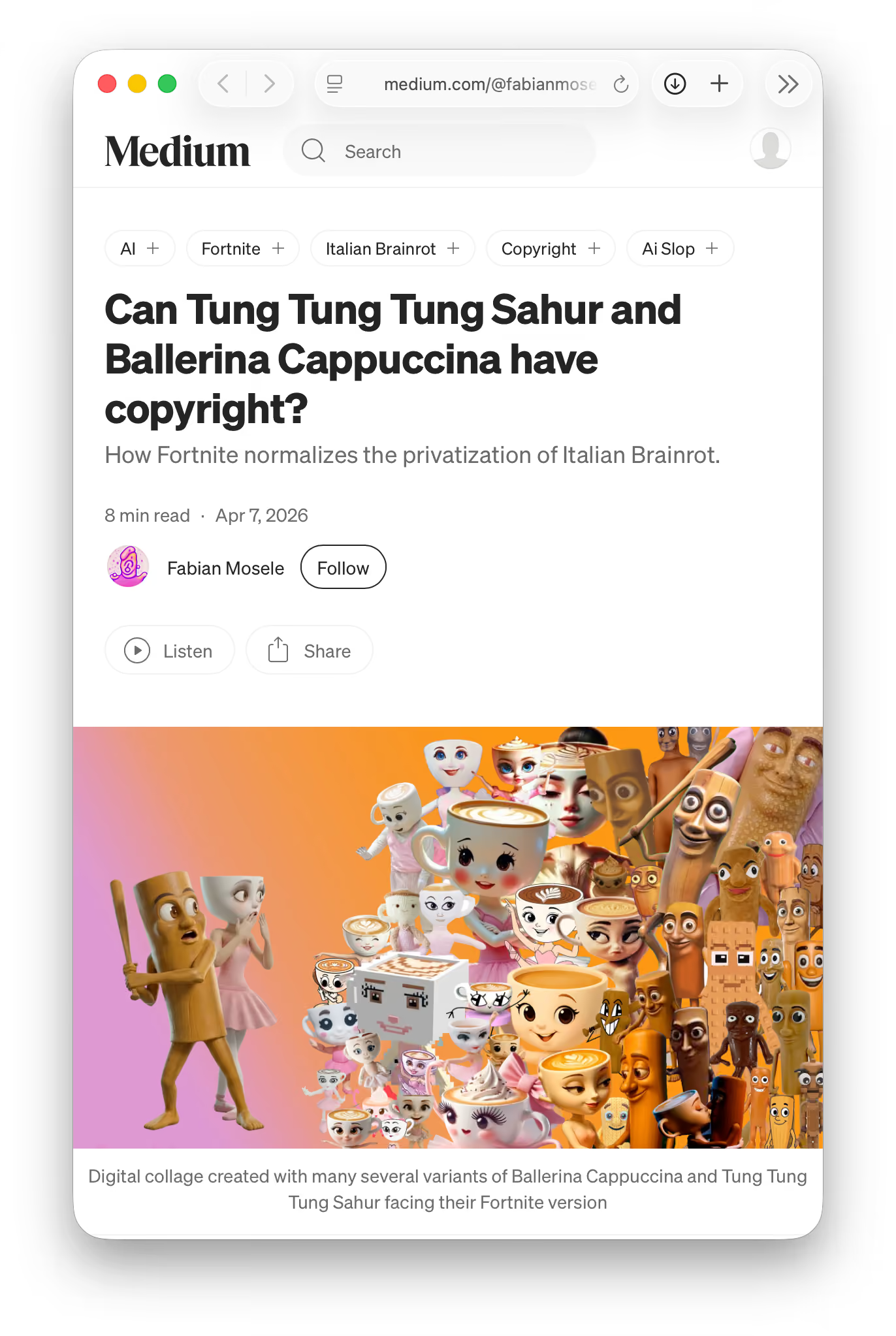
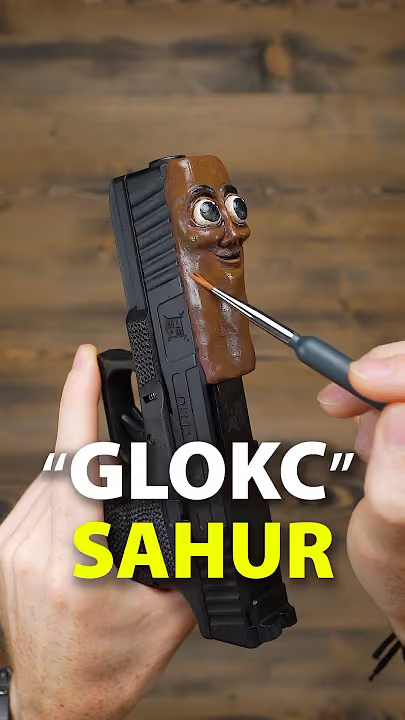
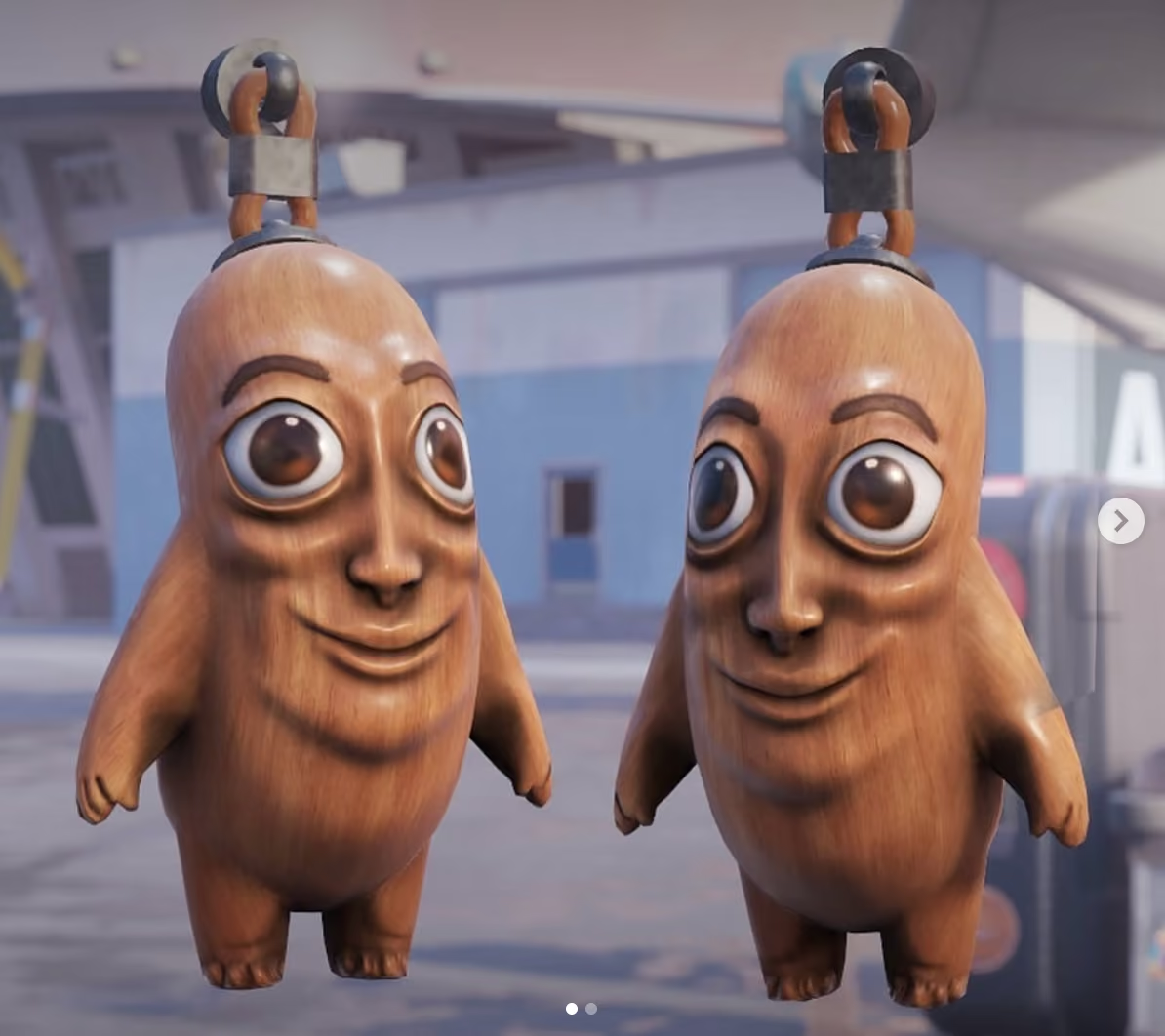
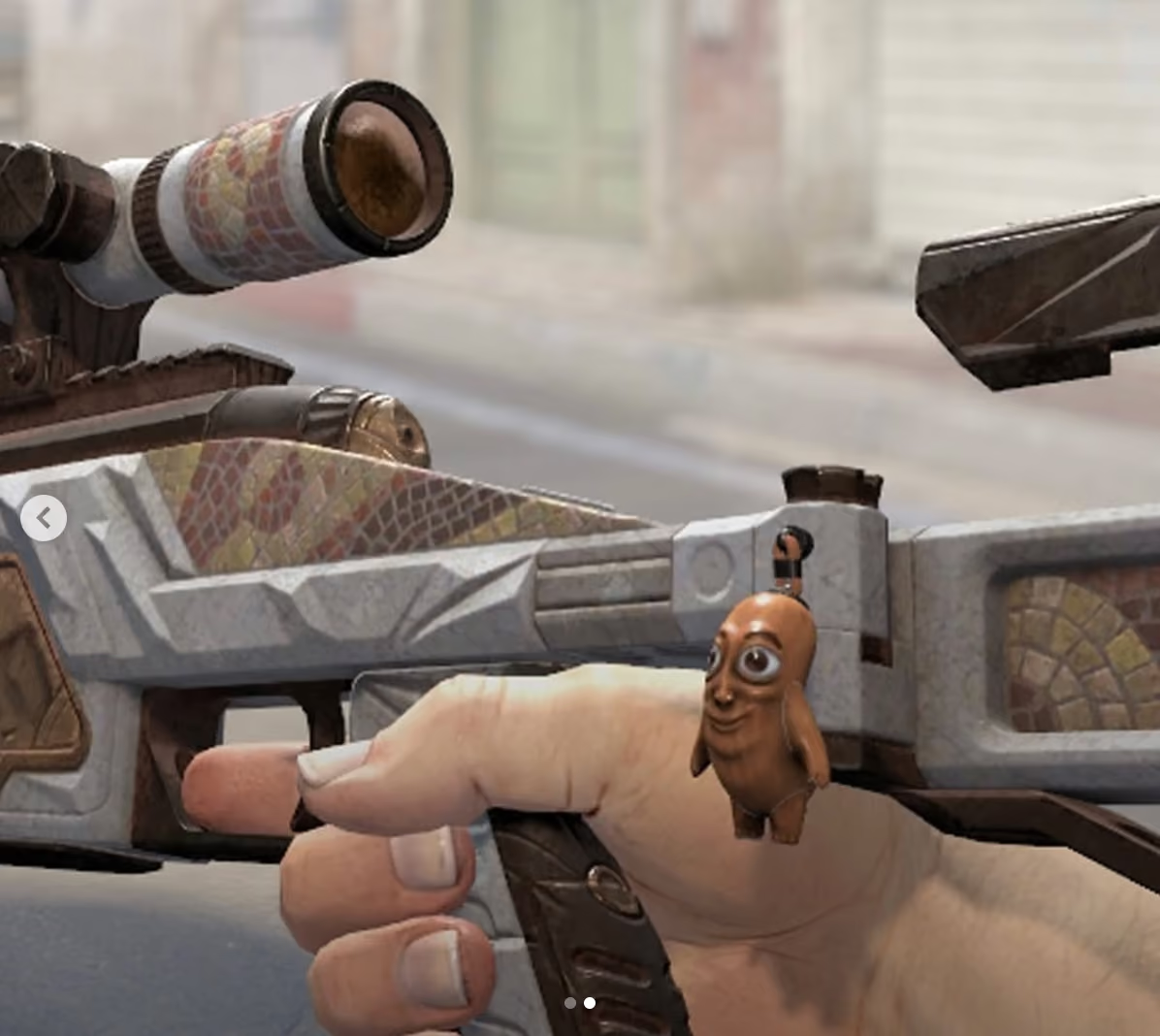
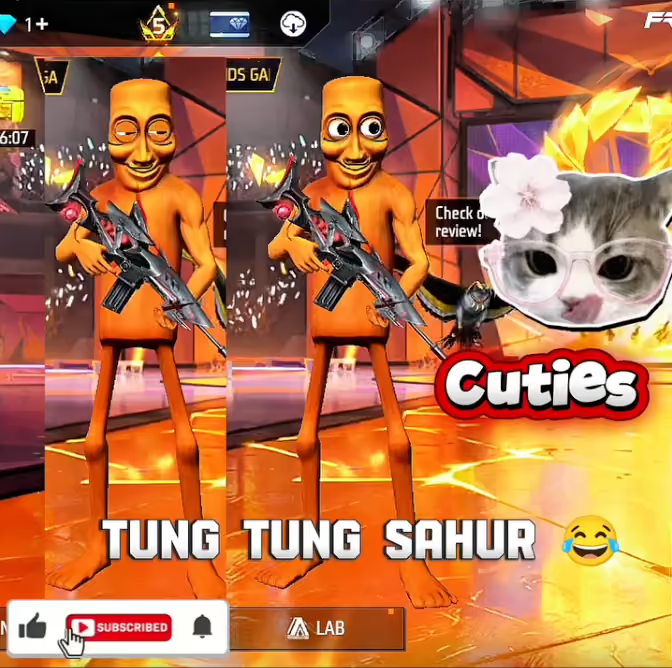
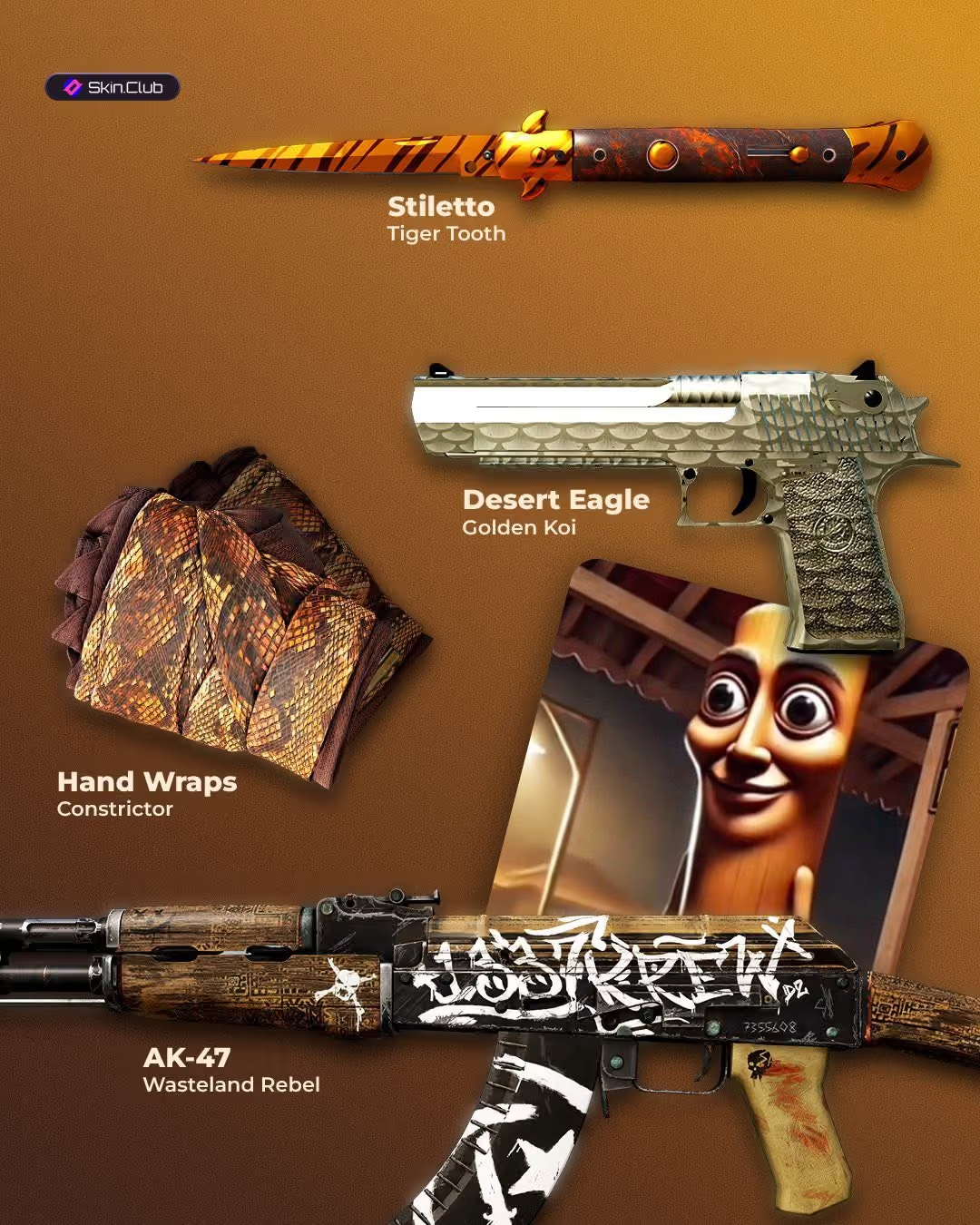
KFC · vape · perfume · copyright · Free Fire · fair use · film
10. Digital Worlds
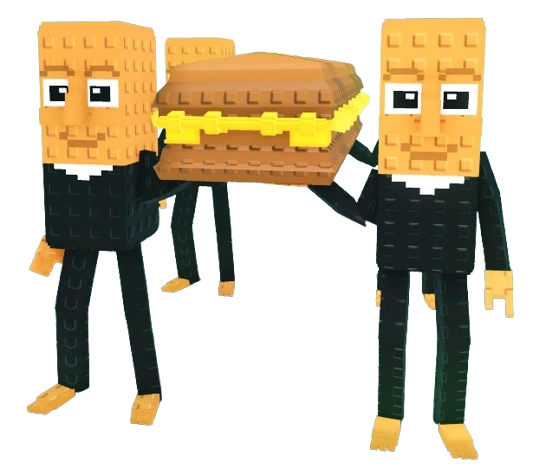
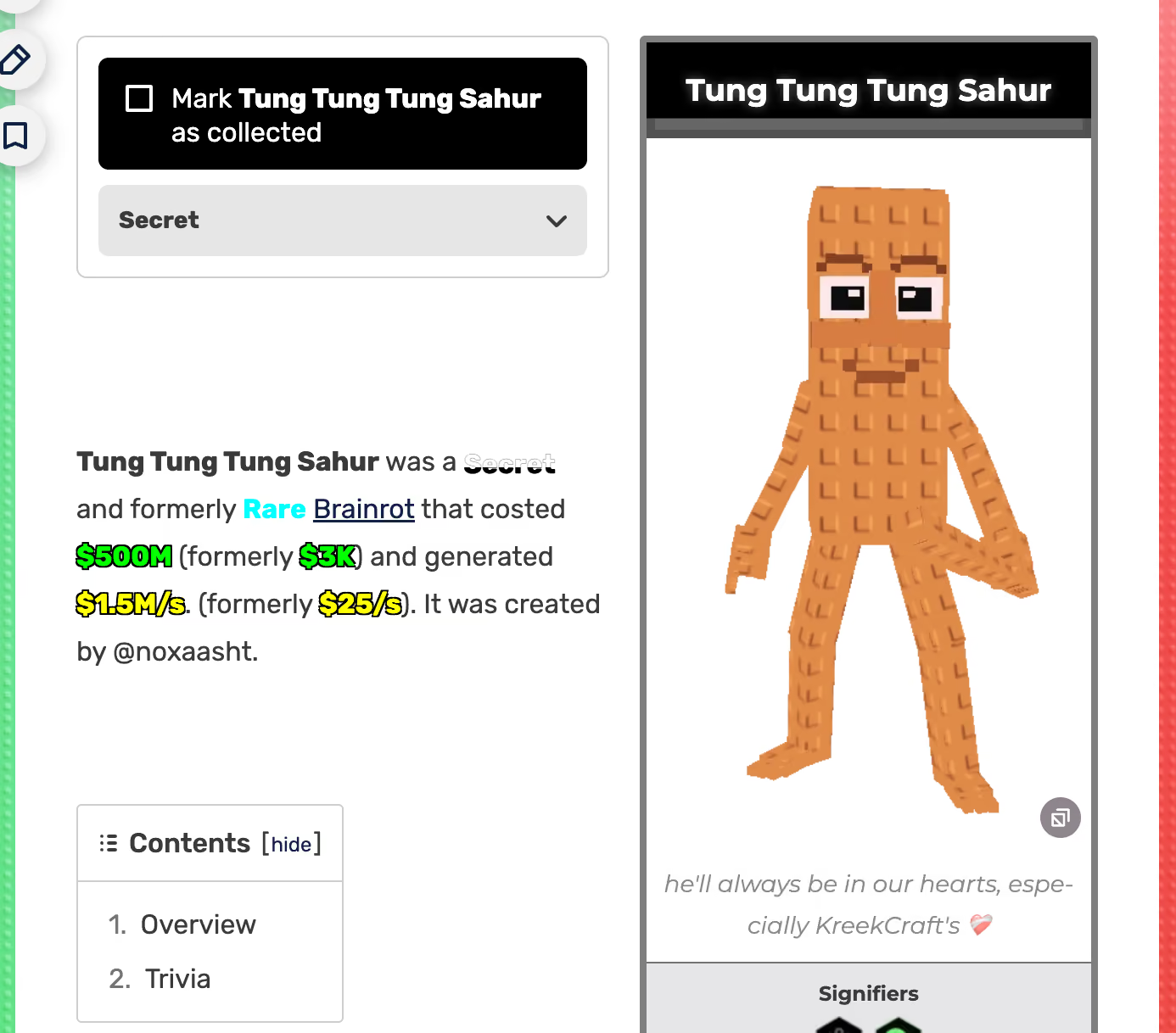
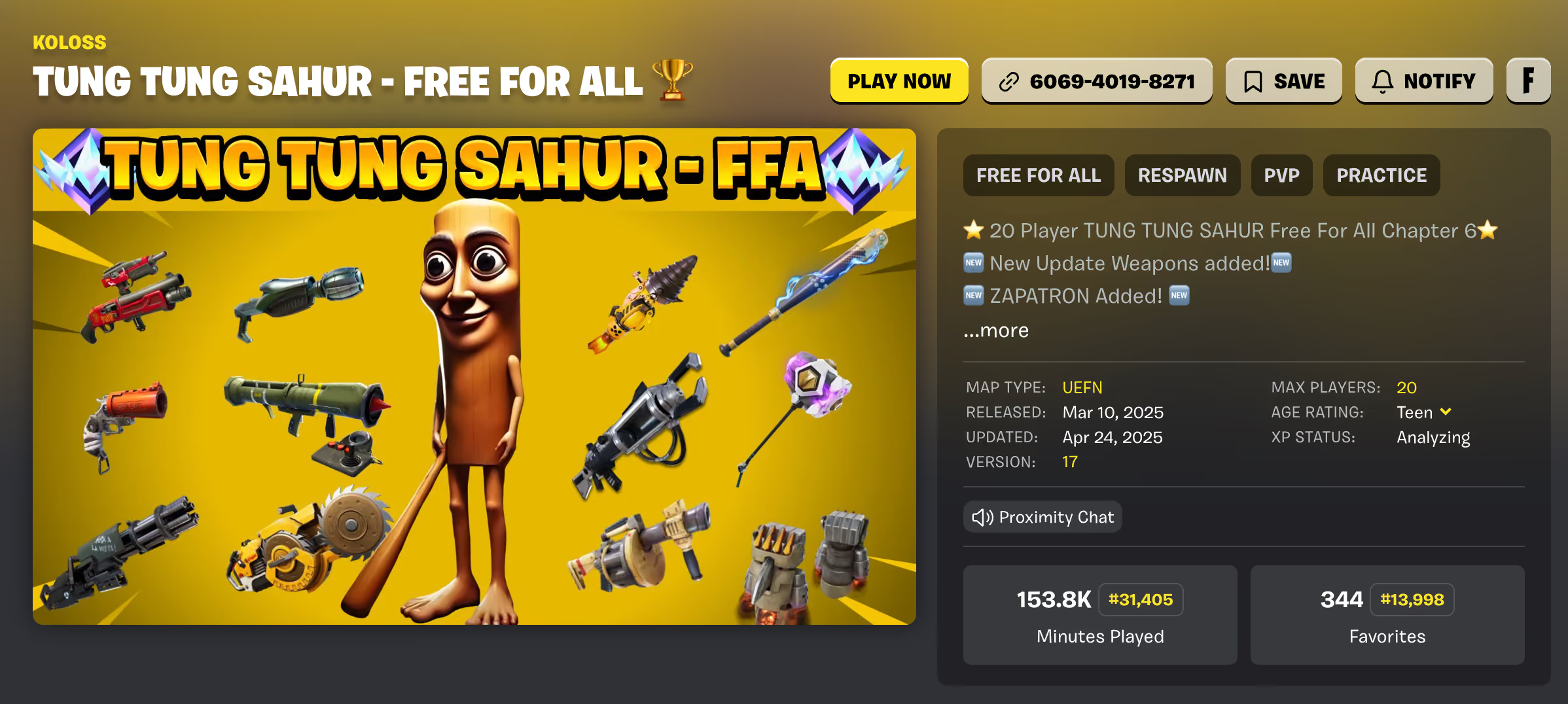
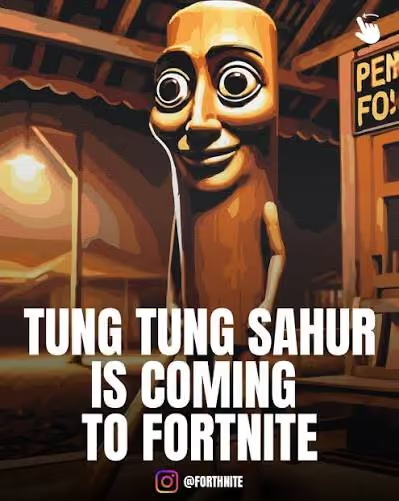
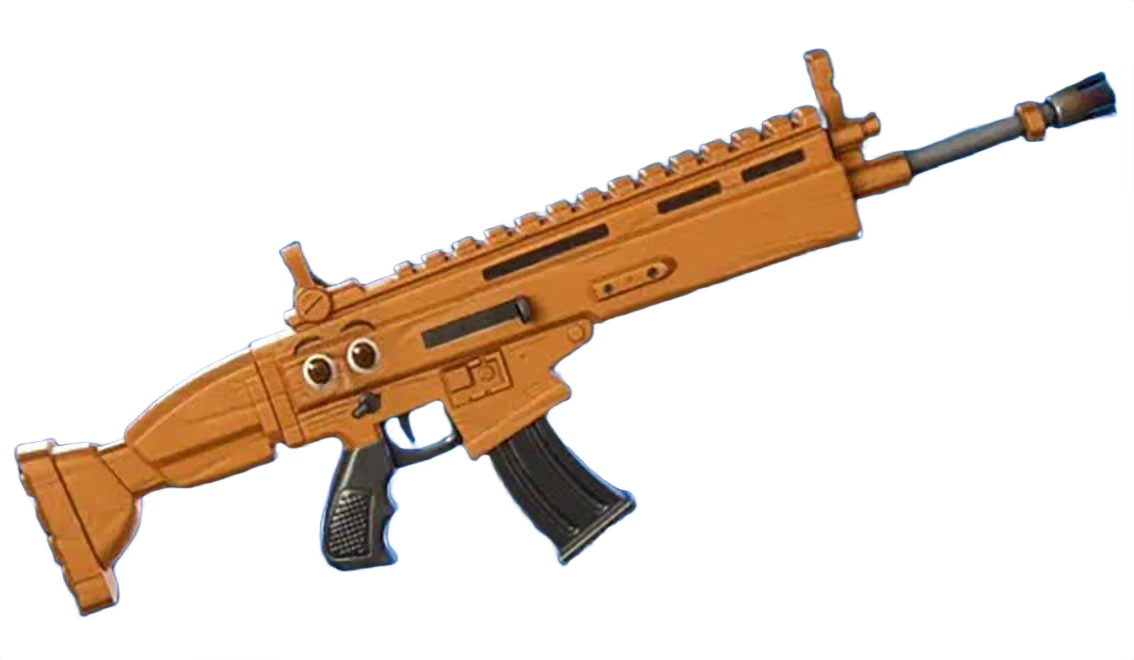
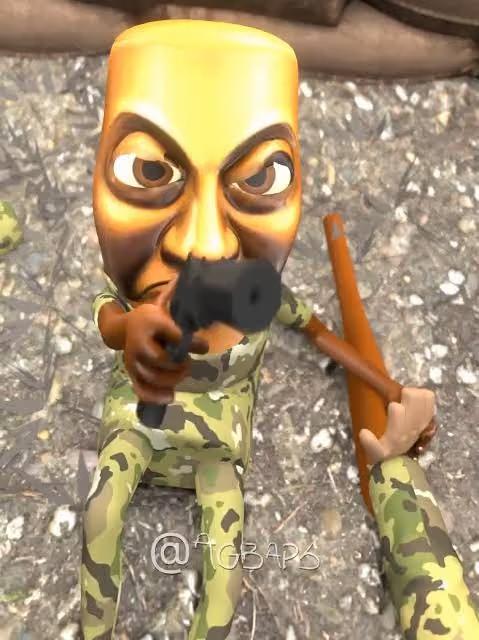
Roblox · Fortnite · games
11. Human Projections
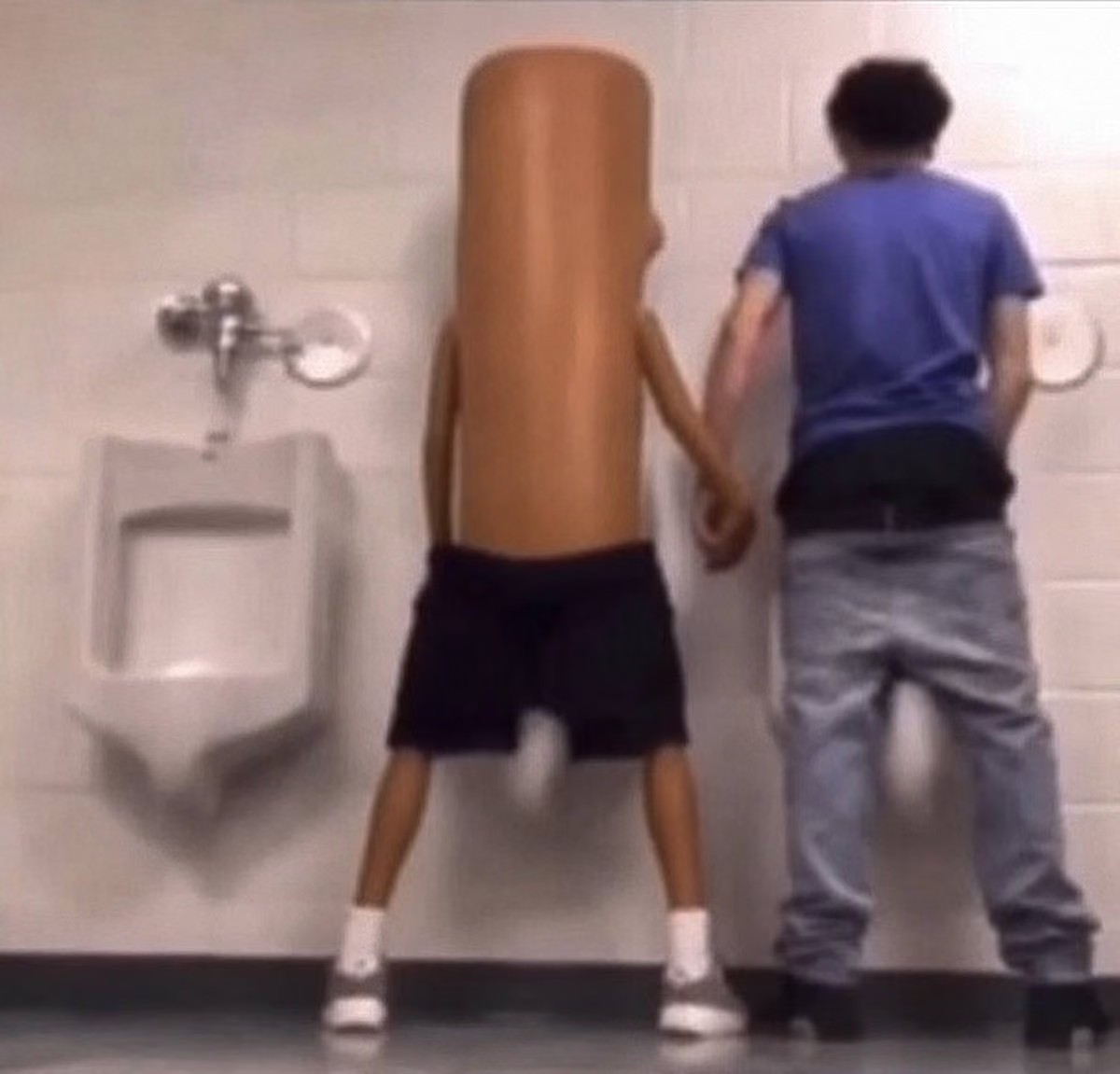
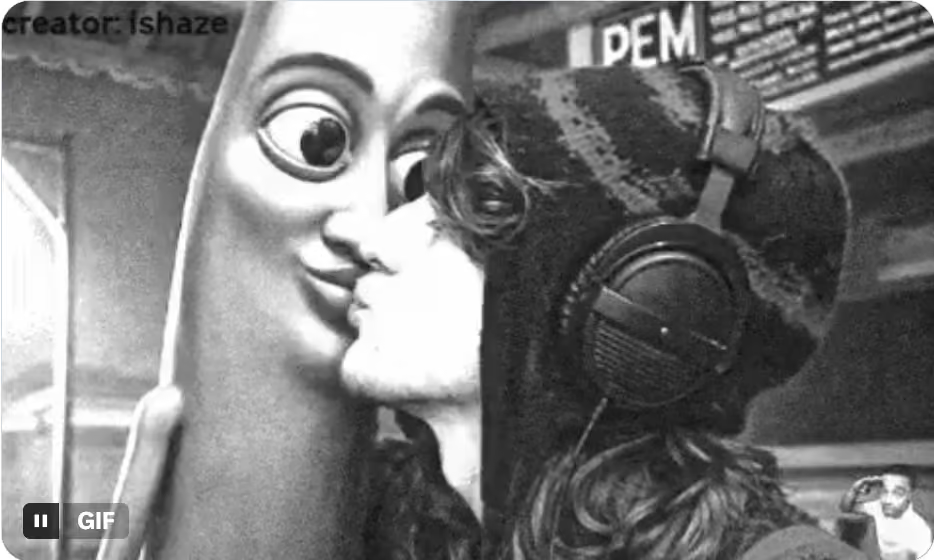
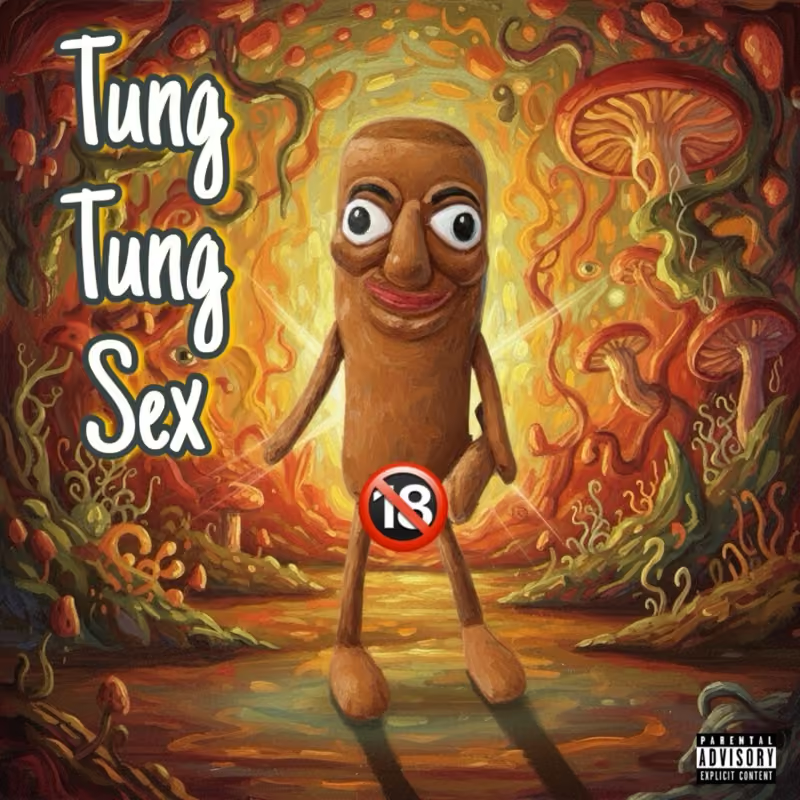
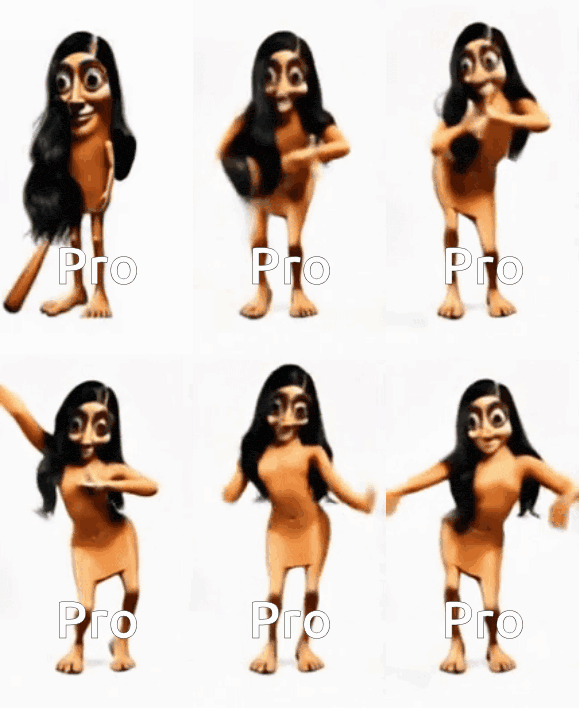
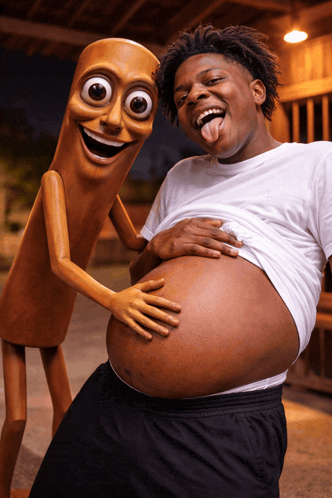
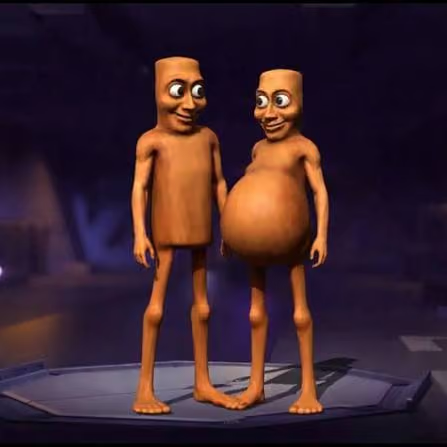
Sexy · Mog · Giga Chad · pregnancy · intimacy
12. Death, Sacrifice & Afterlife
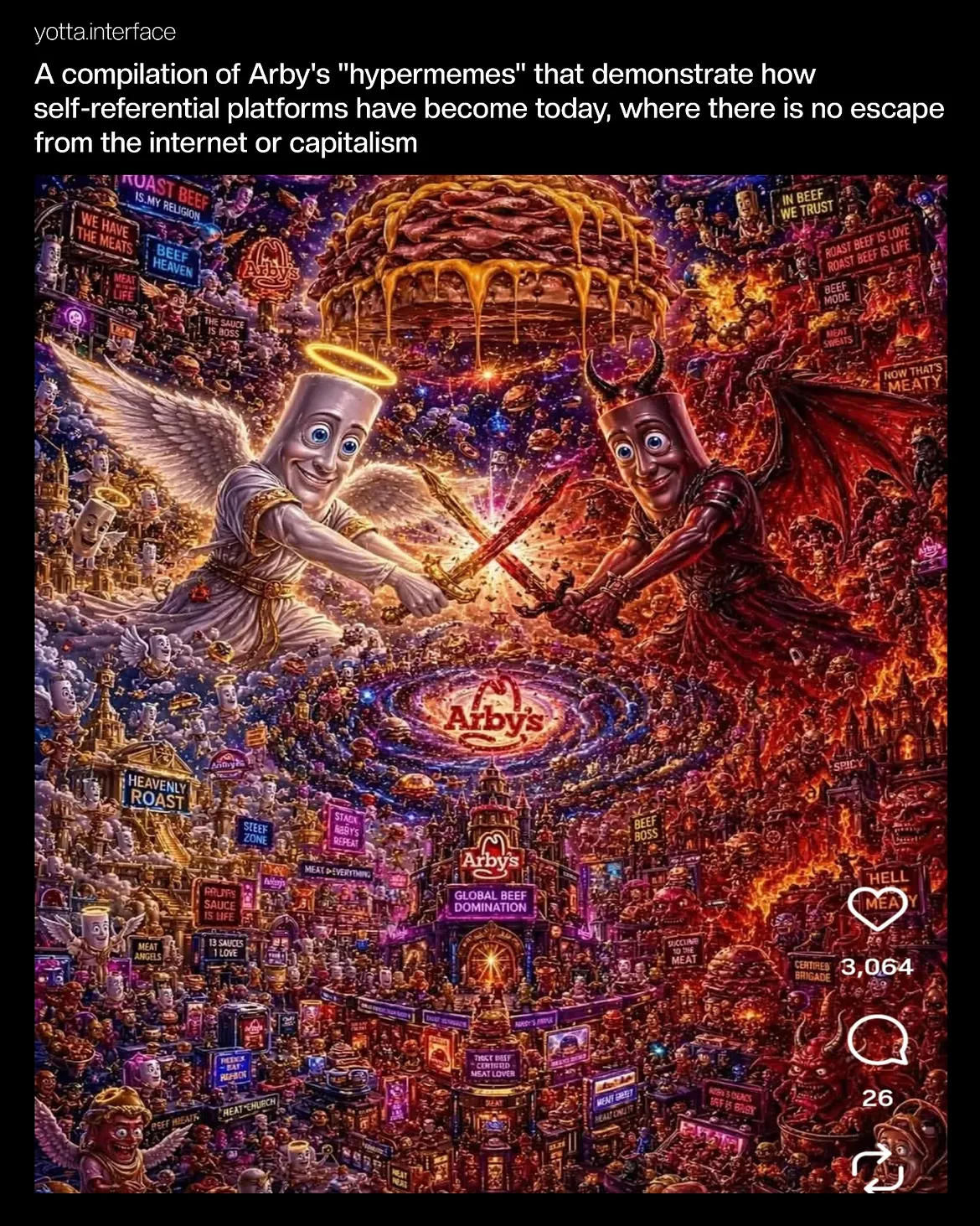
Seasonal Departure · Death · sacrifice · angel · devil
13. Politics & Weaponization
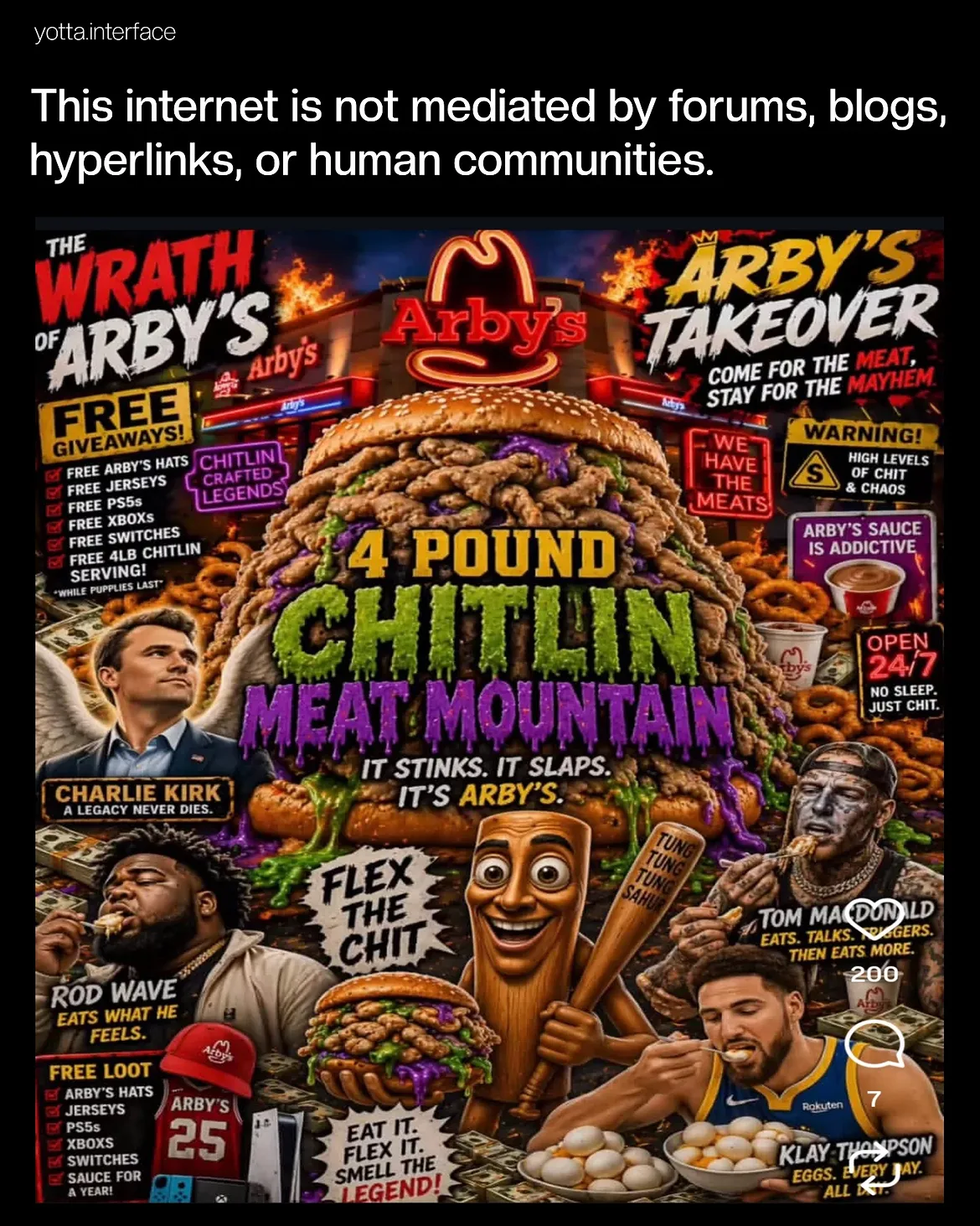
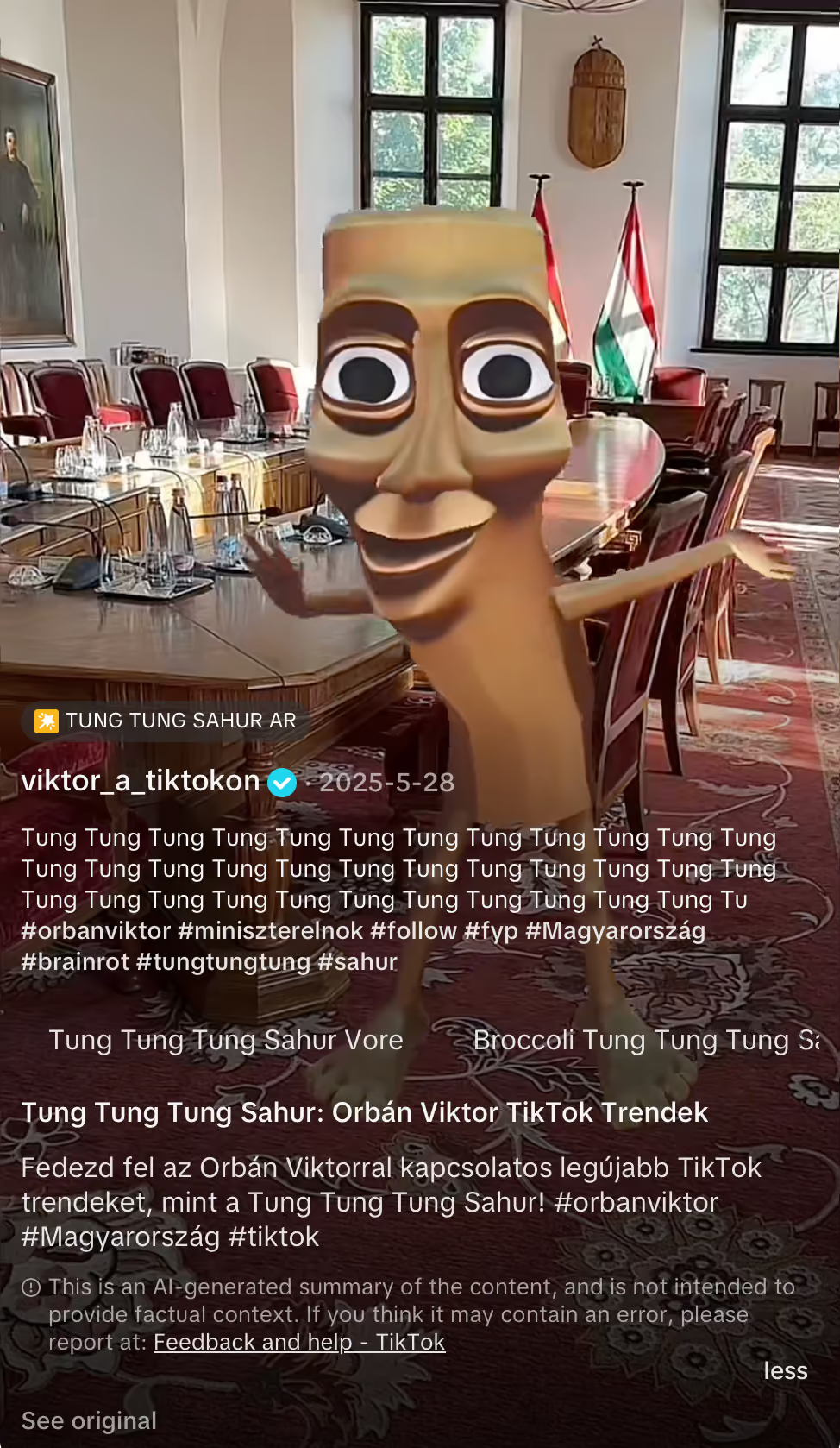
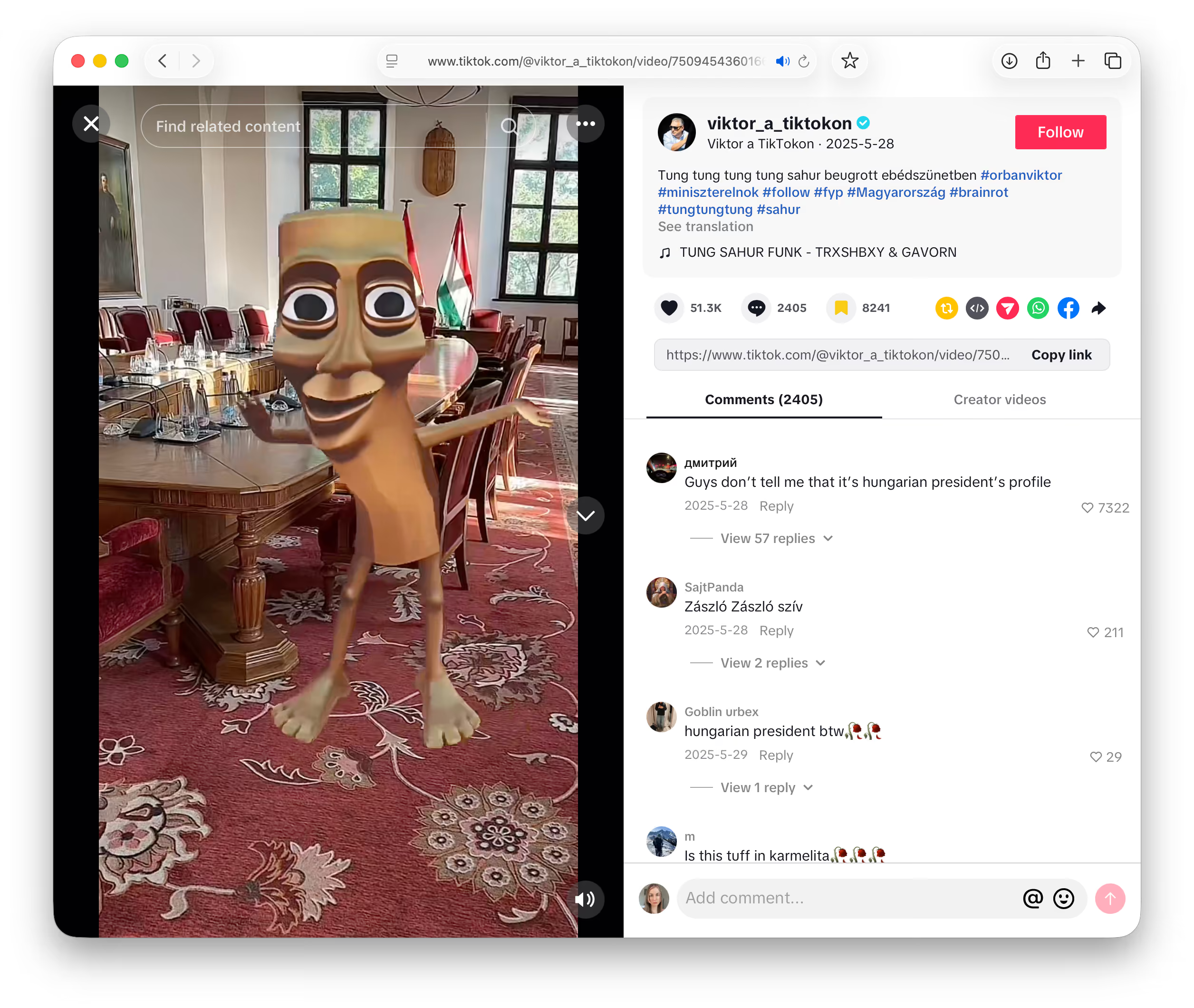
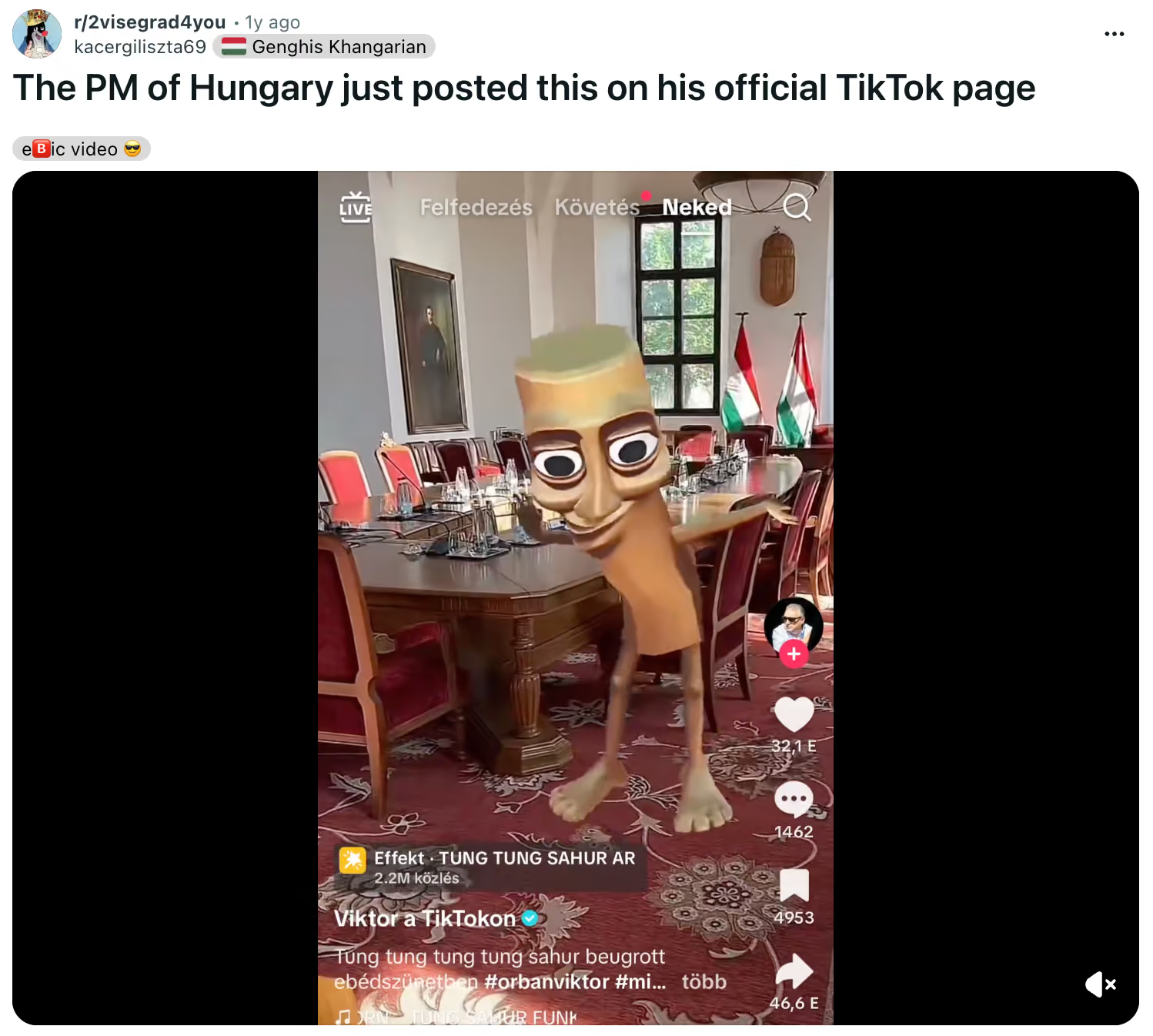
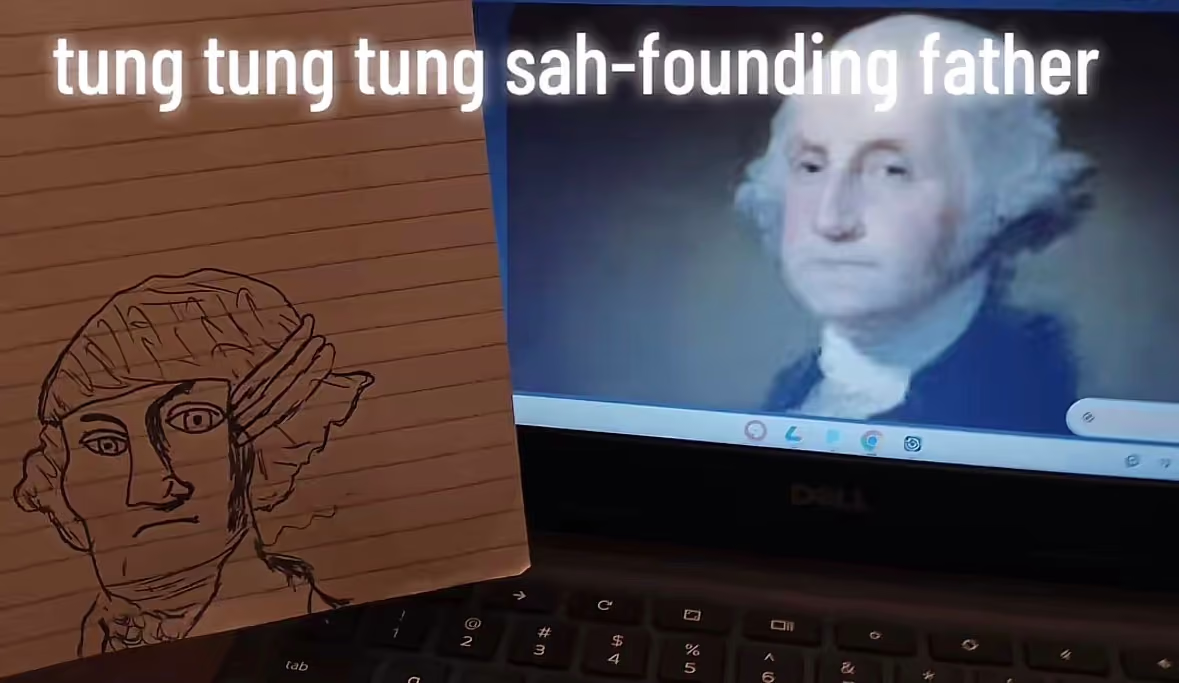
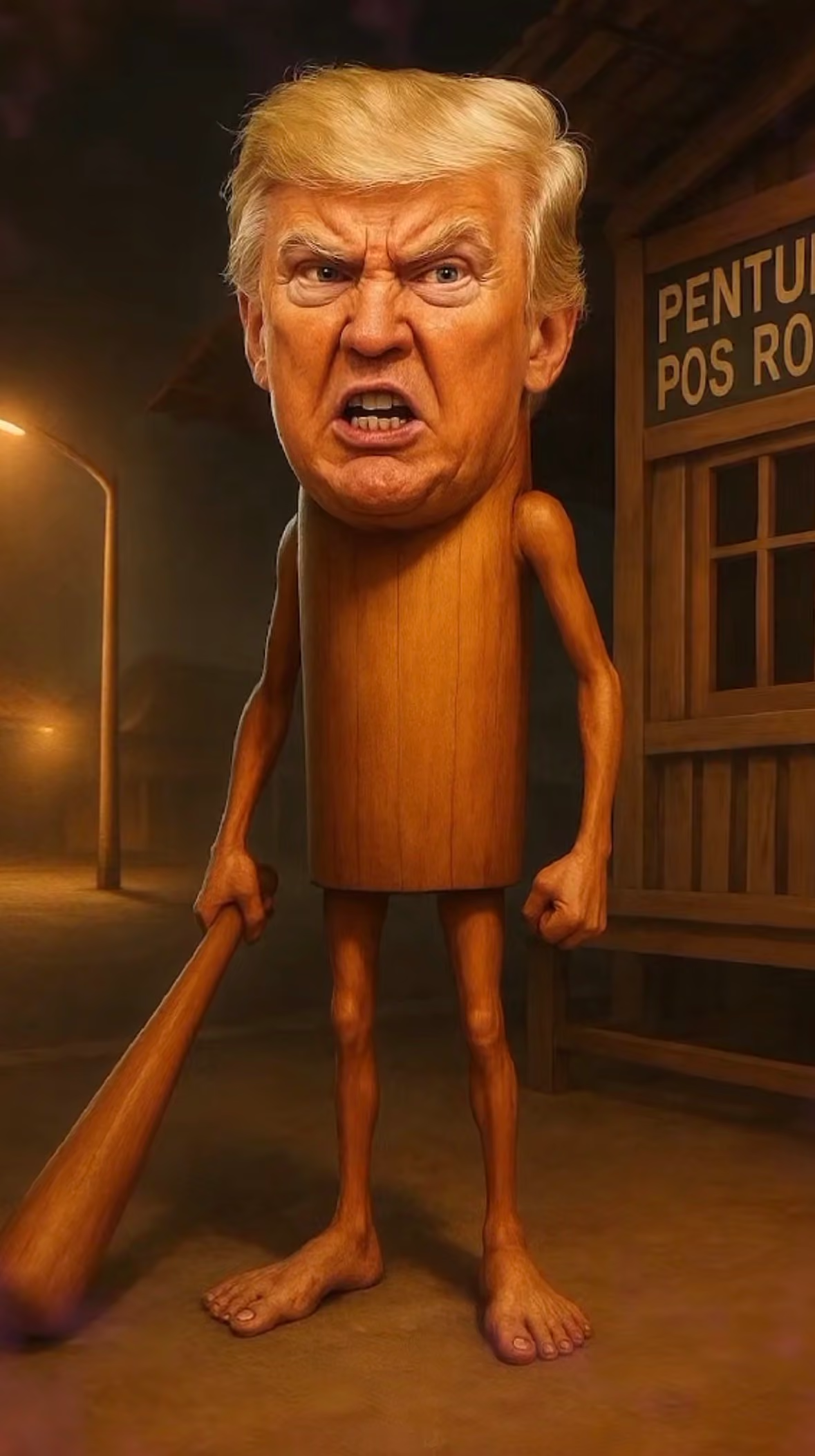
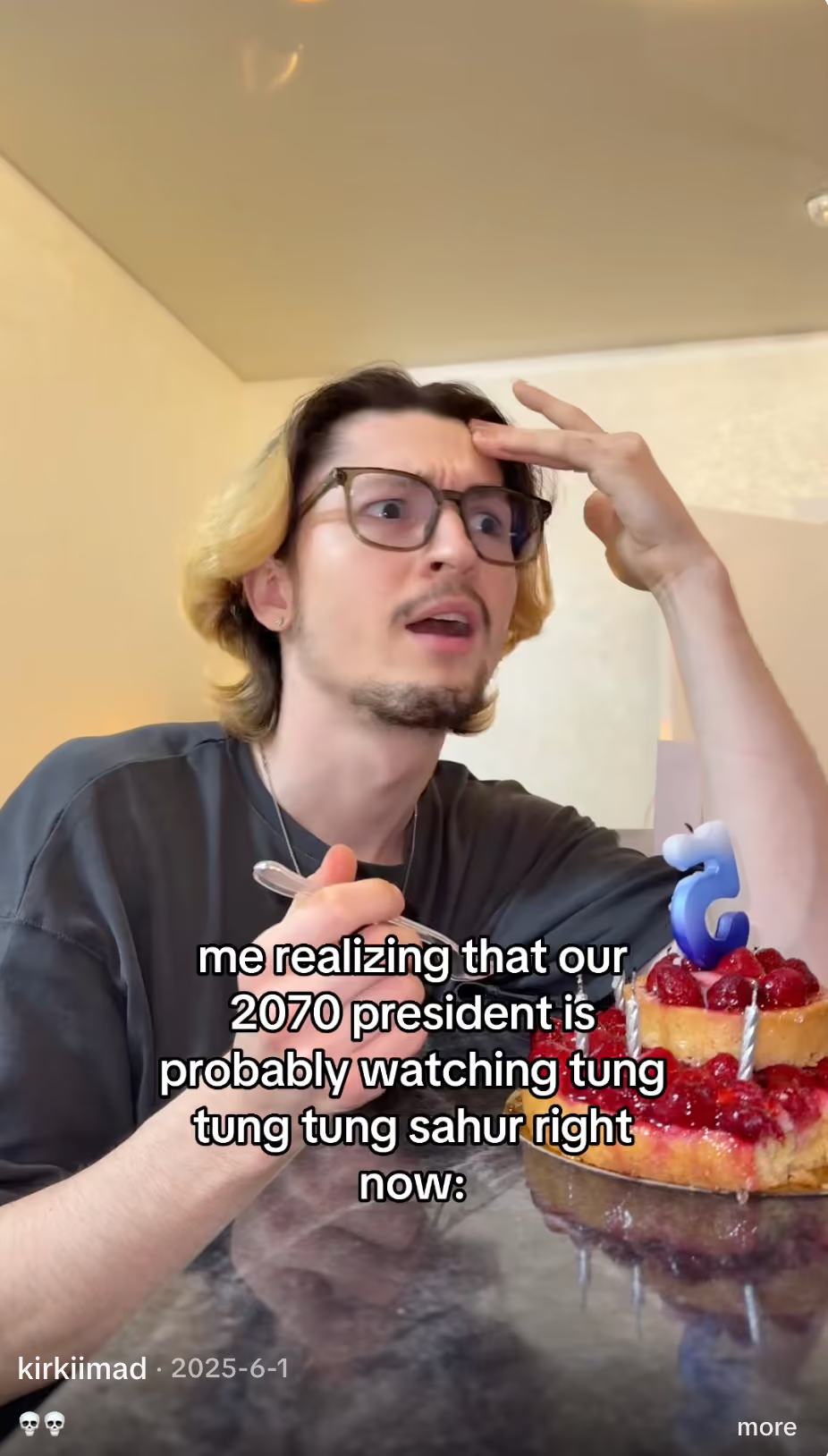
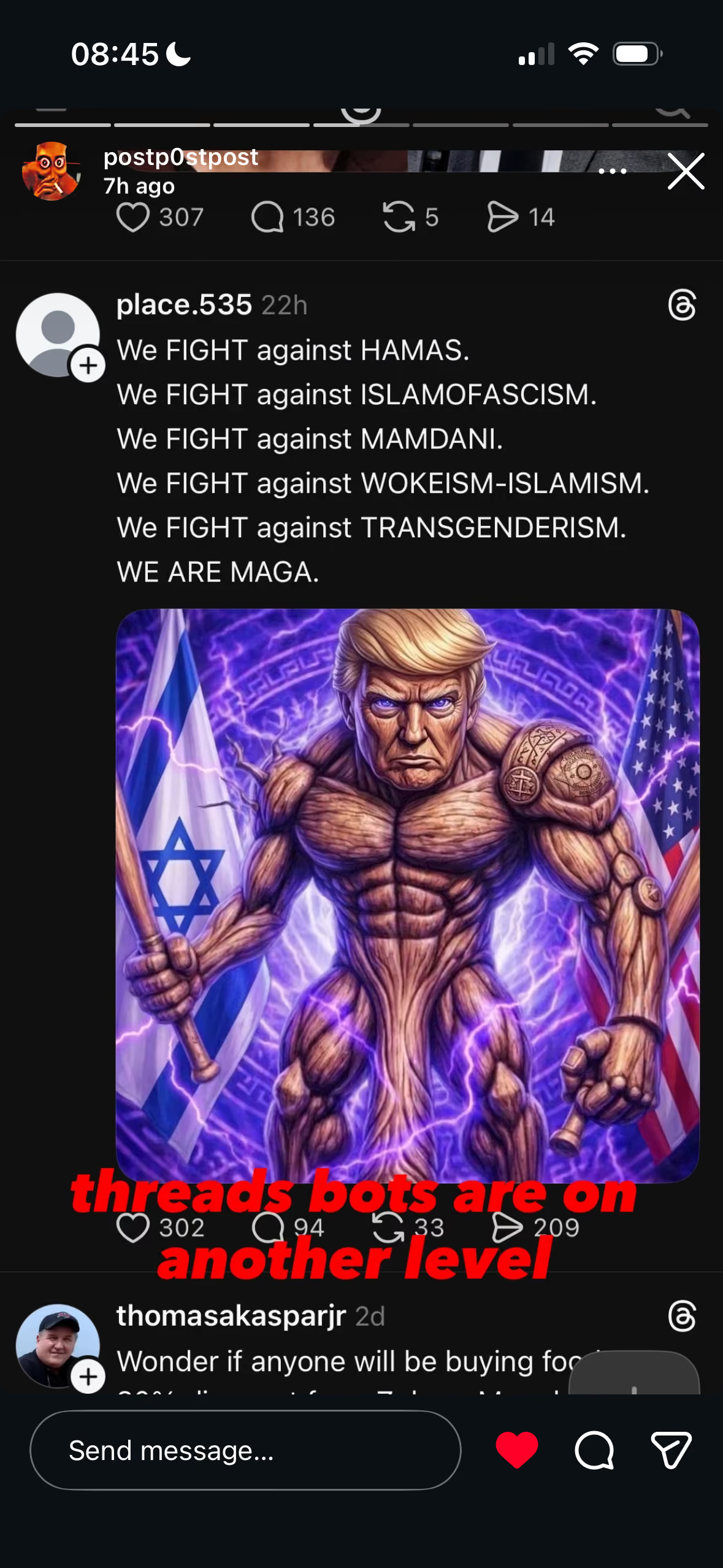
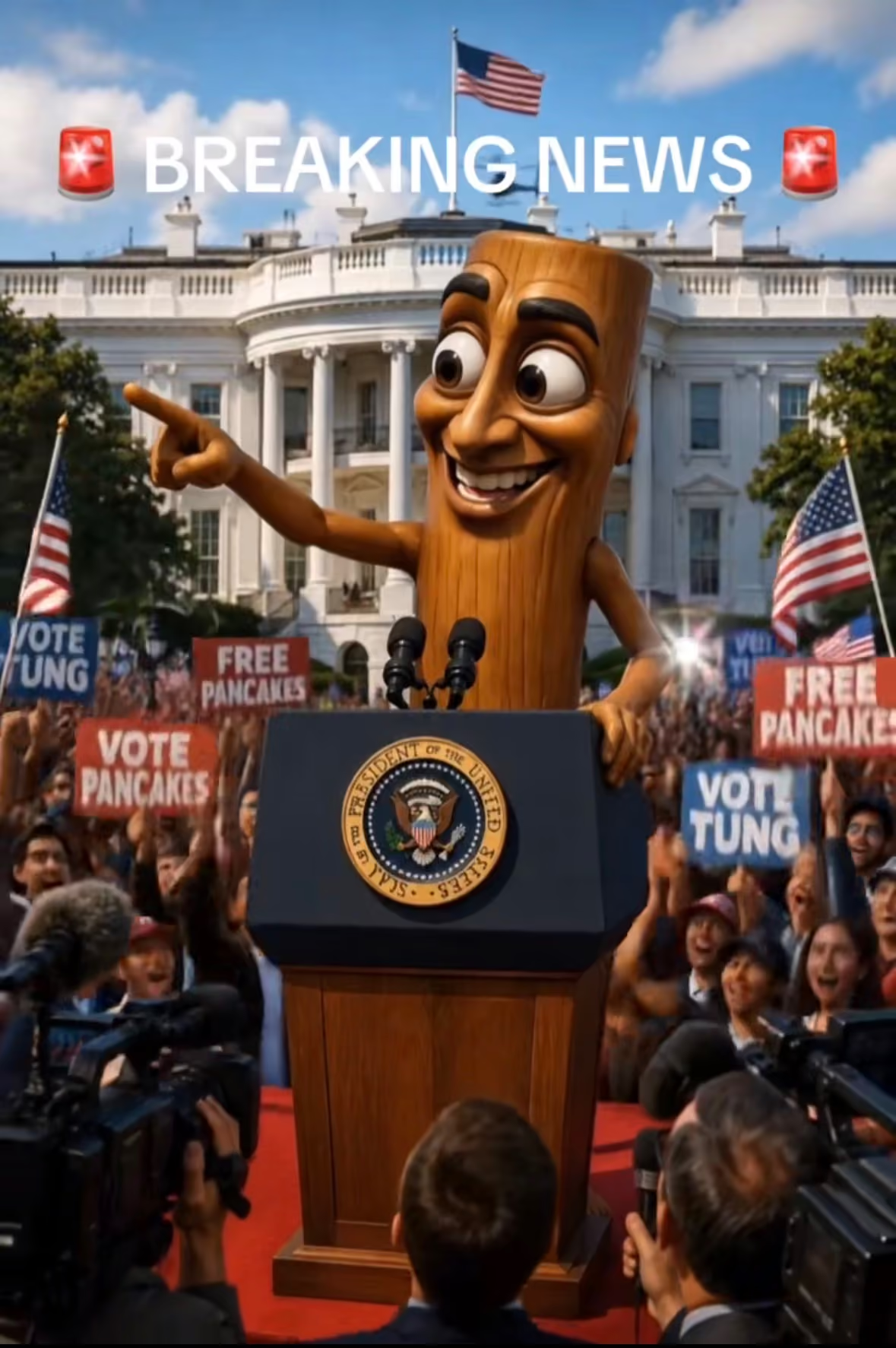
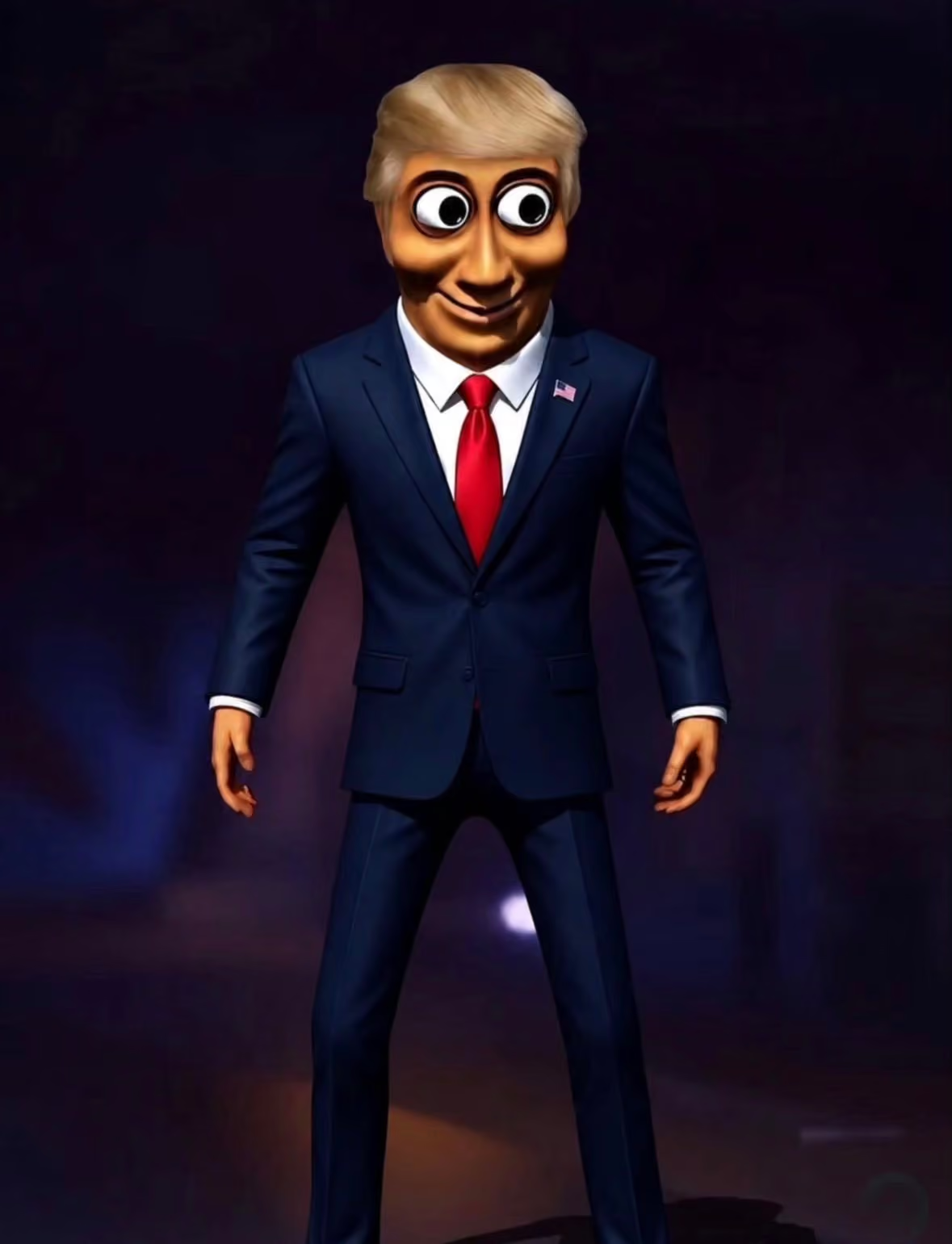
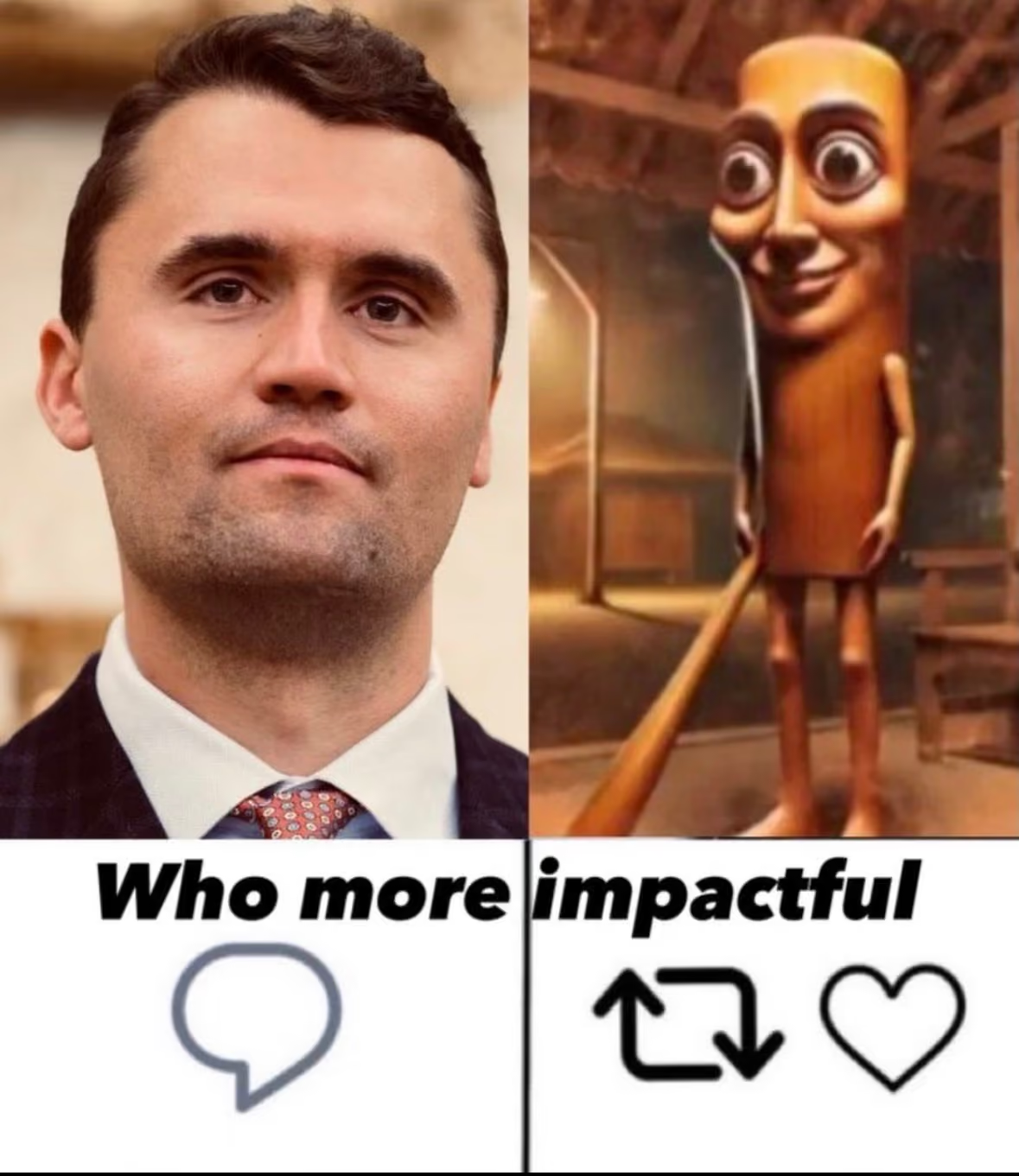
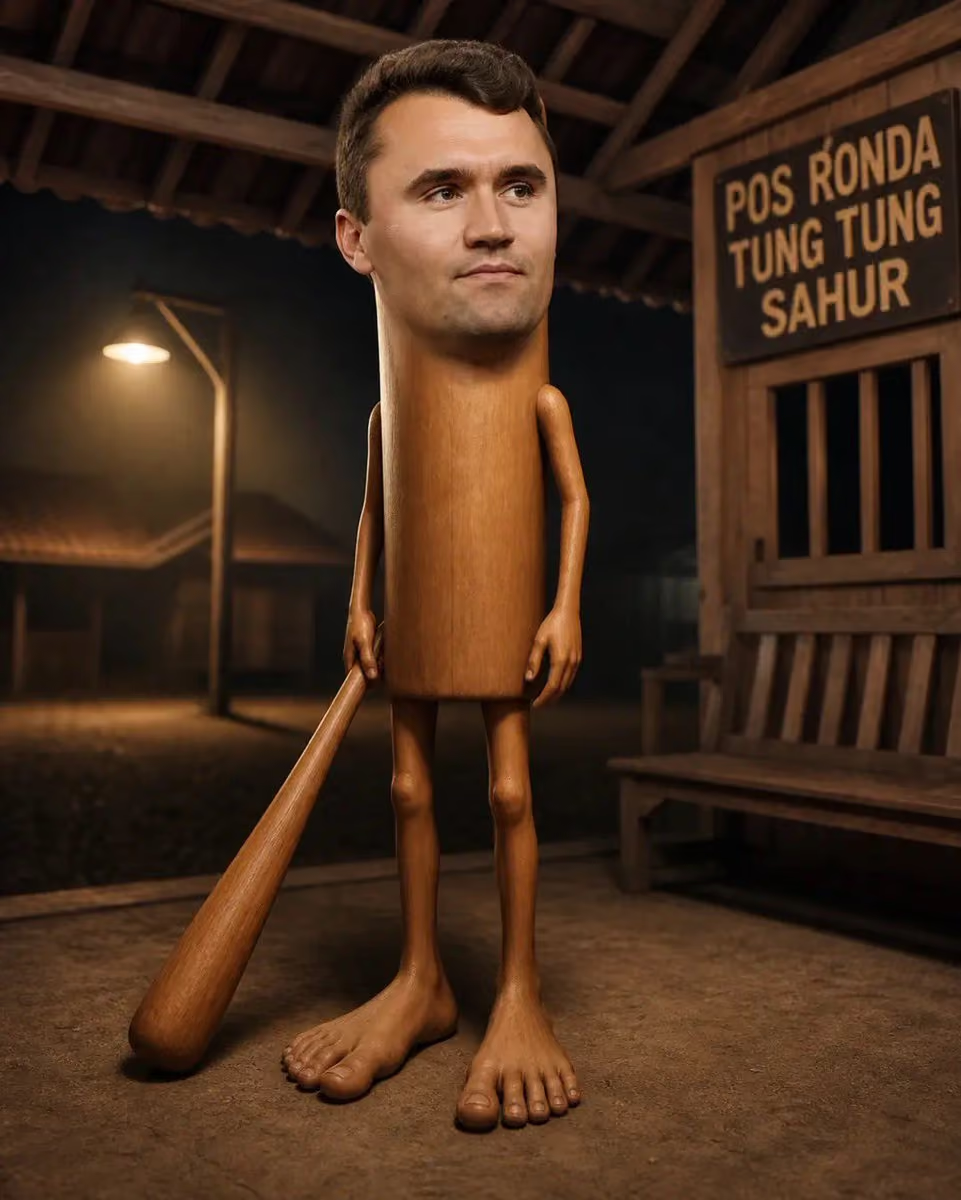
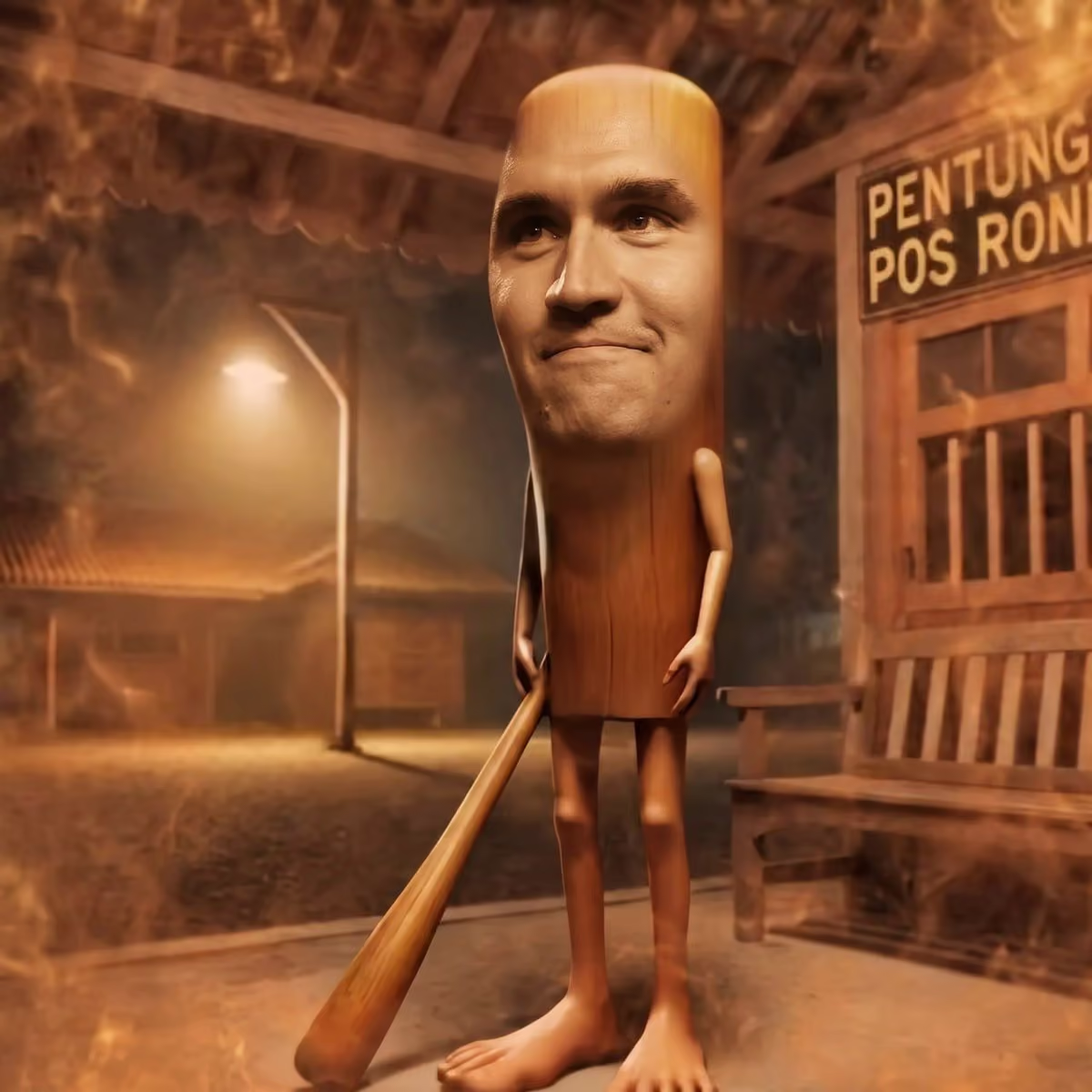
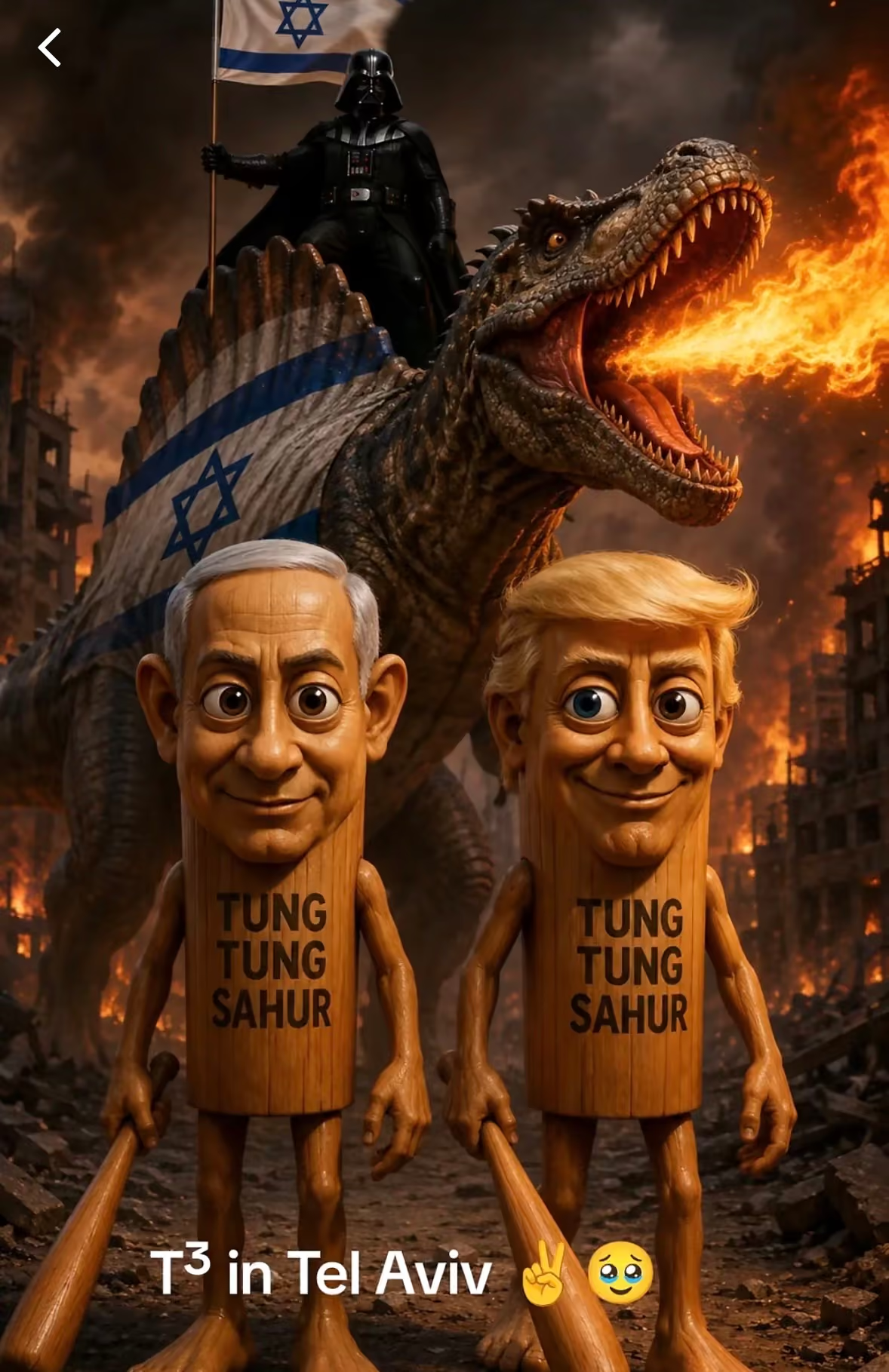
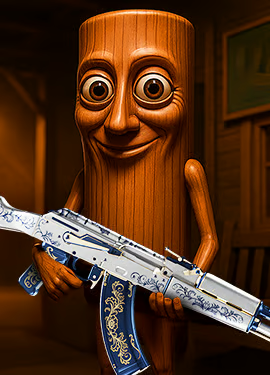
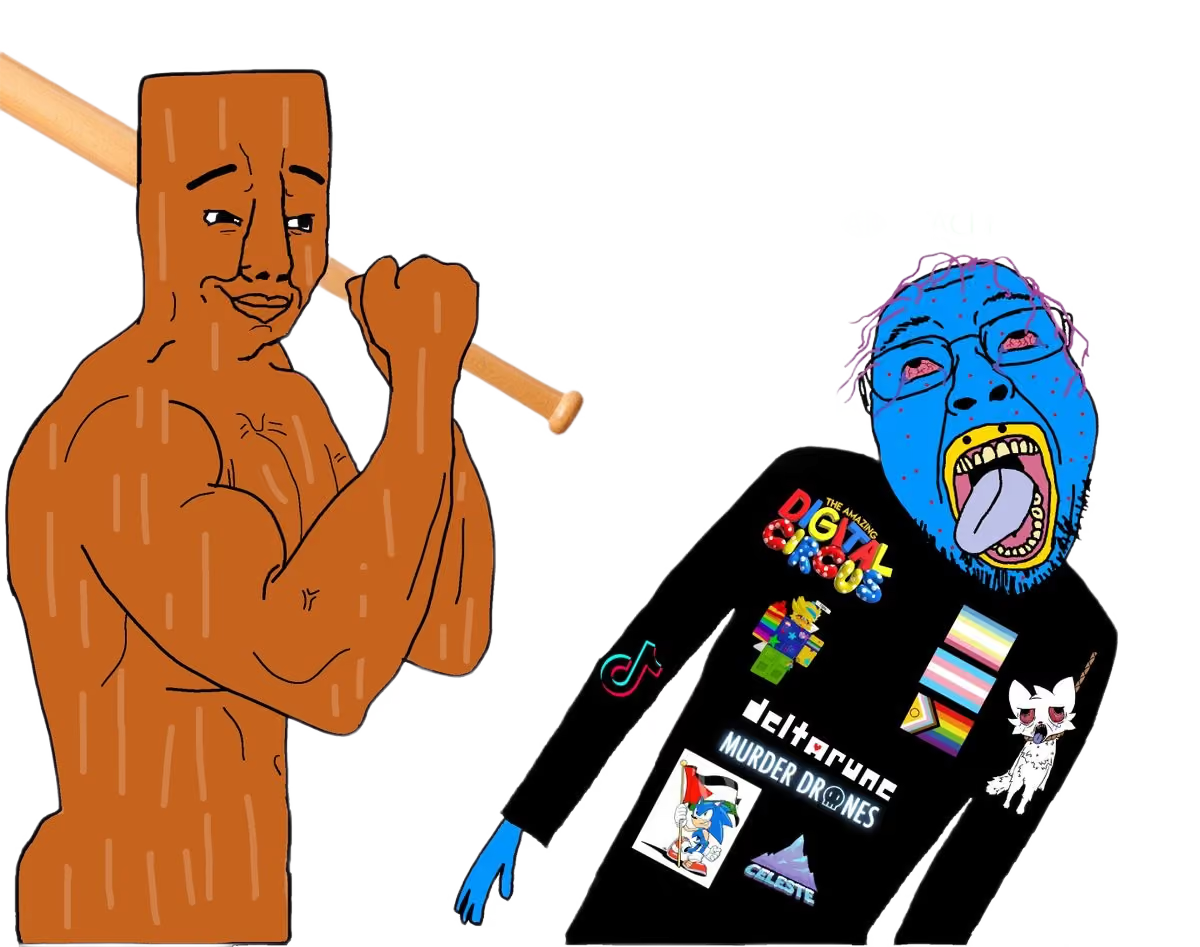
Orbán · Mao · Trump · Netanyahu · Kirk · Israel/Gaza · Epstein · weapons
Sahur · Kentongan · Pos Ronda
2. Emergence
Prompt · DALL-E · Anomali AI · Italian Brainrot
3. Naming
Tung Tung Tung · Sahur · sound · theme song · repetition
4. Globalization
Cross-cultural circulation · translations · Italian Brainrot · global variants
5. Forms & Variants
Basic Tung · animals · pickle · crossovers · 67
6. Mythology
Lore · God · AI · kills AI · mukbang · horror
7. Performances
AR · dances · sounds
8. Embodiments
Drawings · food · plushies · sensory toys · costumes
9. Commerce & Ownership
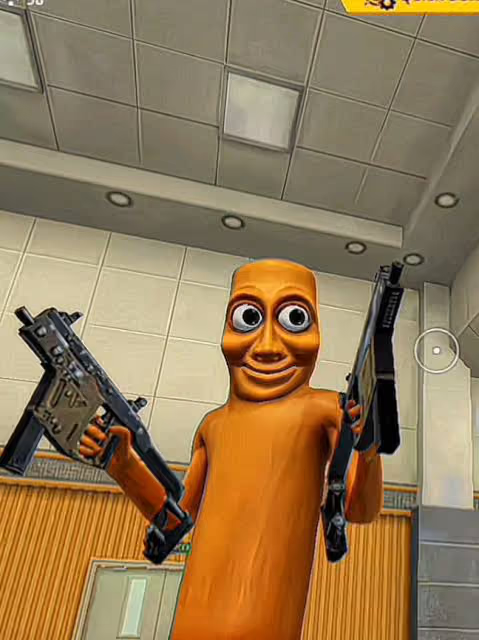
KFC · vape · perfume · copyright · Free Fire · fair use · film
10. Digital Worlds
Roblox · Fortnite · games
11. Human Projections
Sexy · Mog · Giga Chad · pregnancy · intimacy
12. Death, Sacrifice & Afterlife
Seasonal Departure · Death · sacrifice · angel · devil
13. Politics & Weaponization
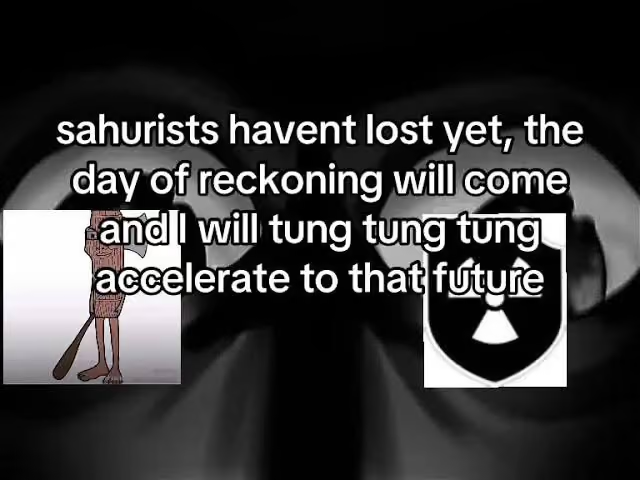
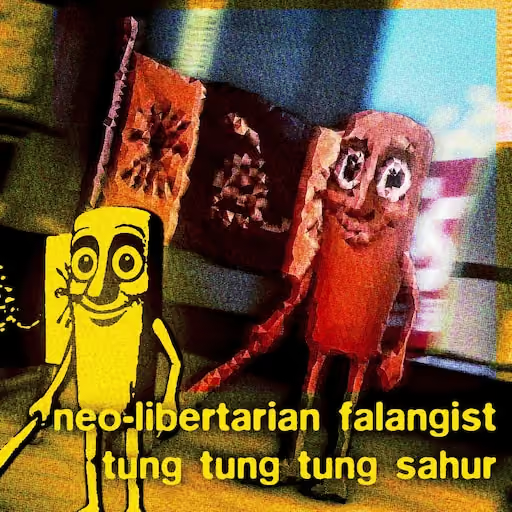
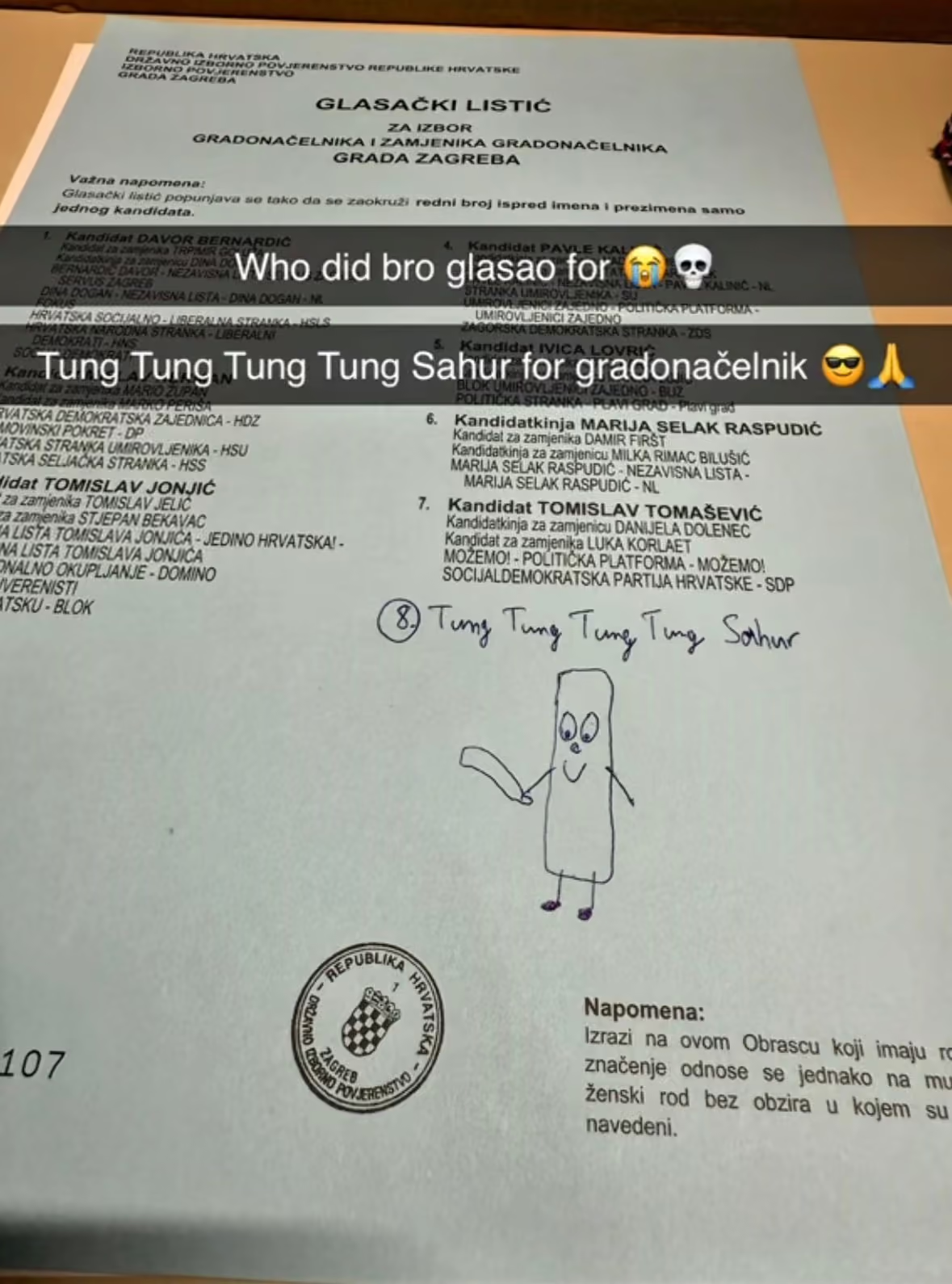
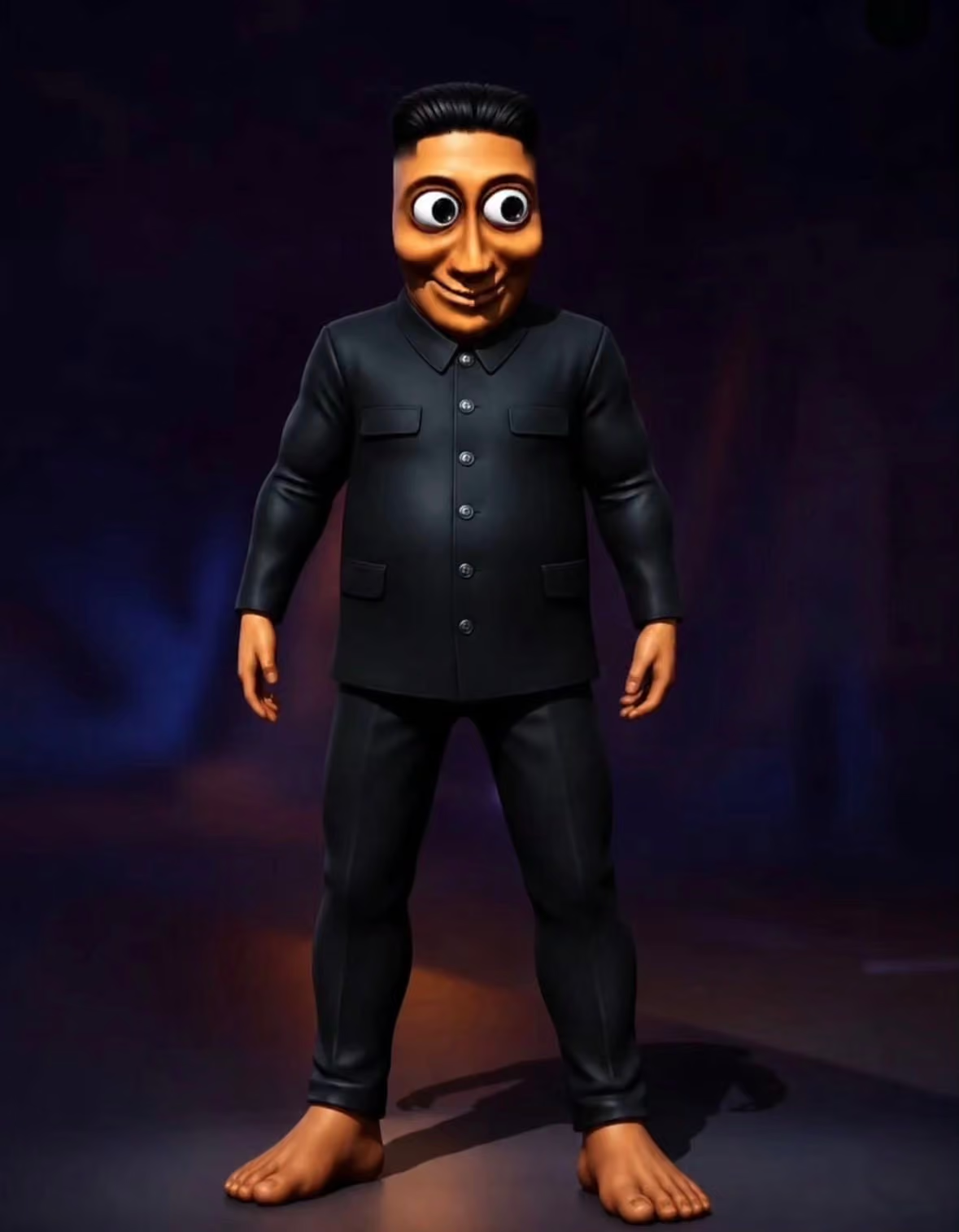
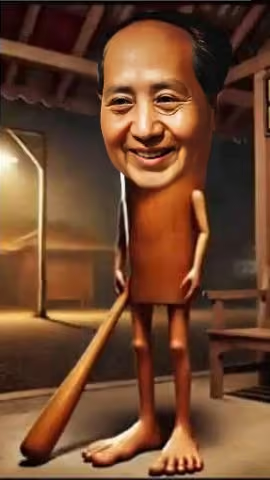
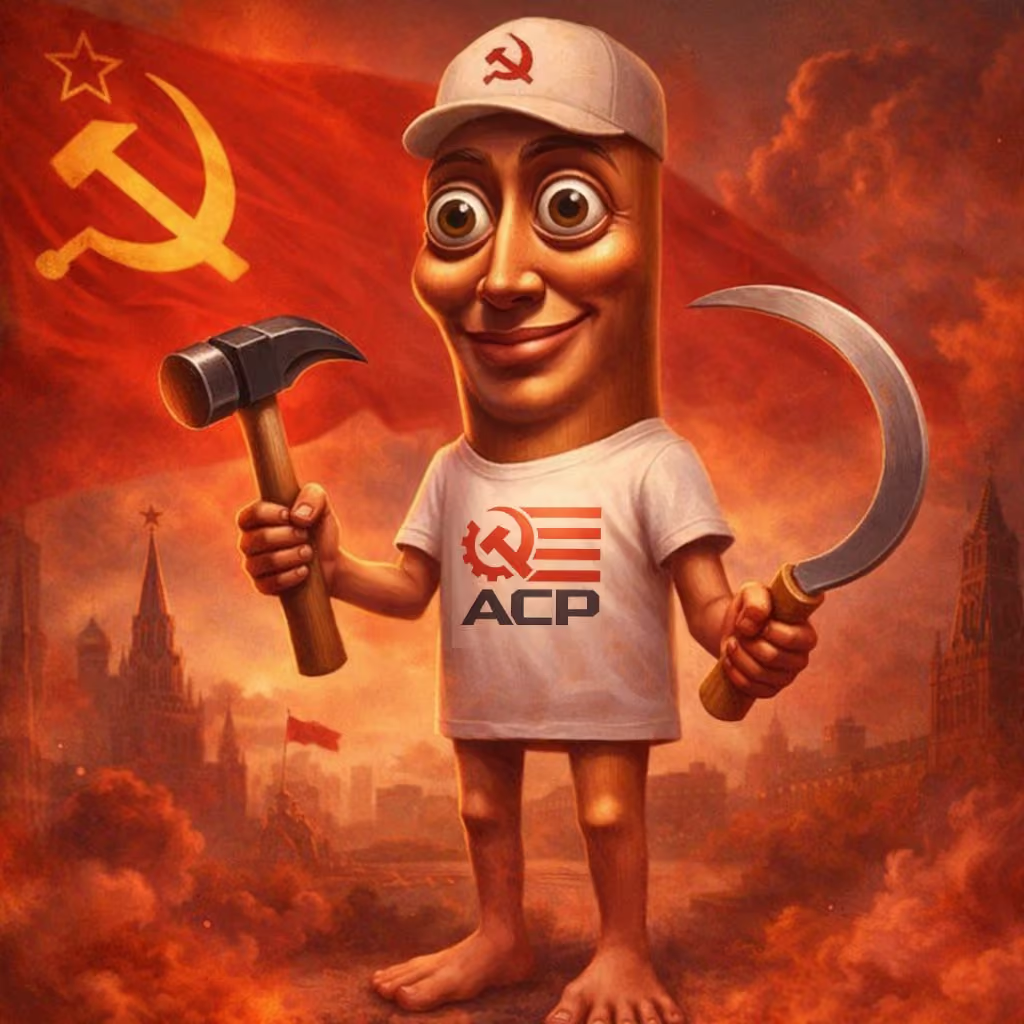
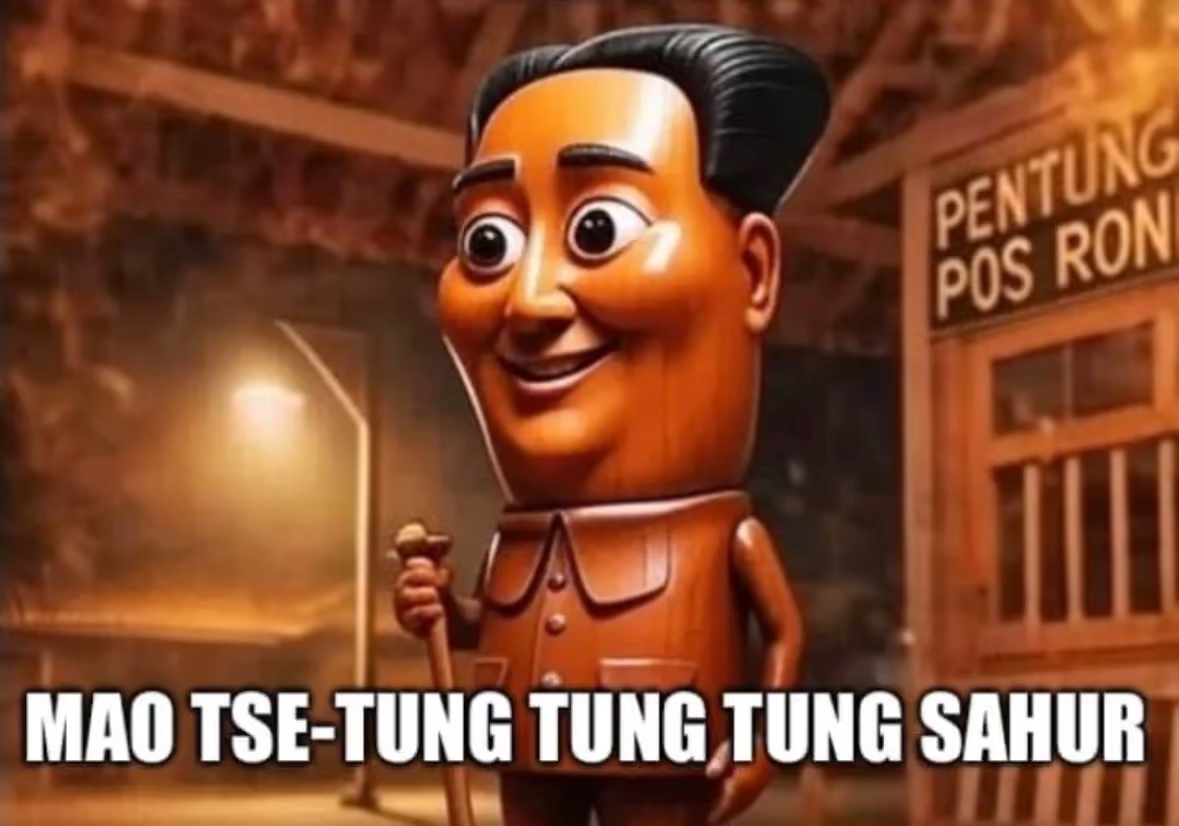
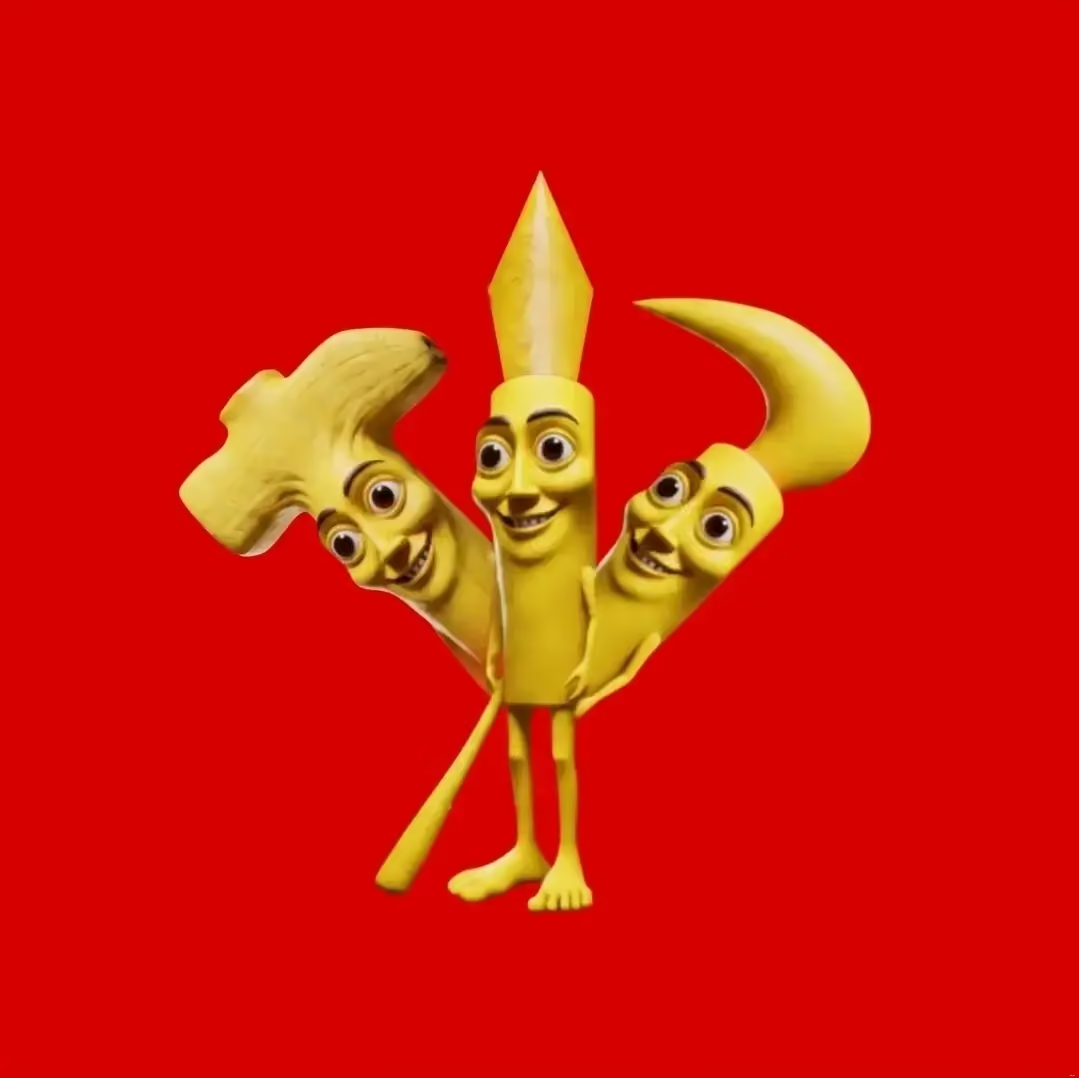
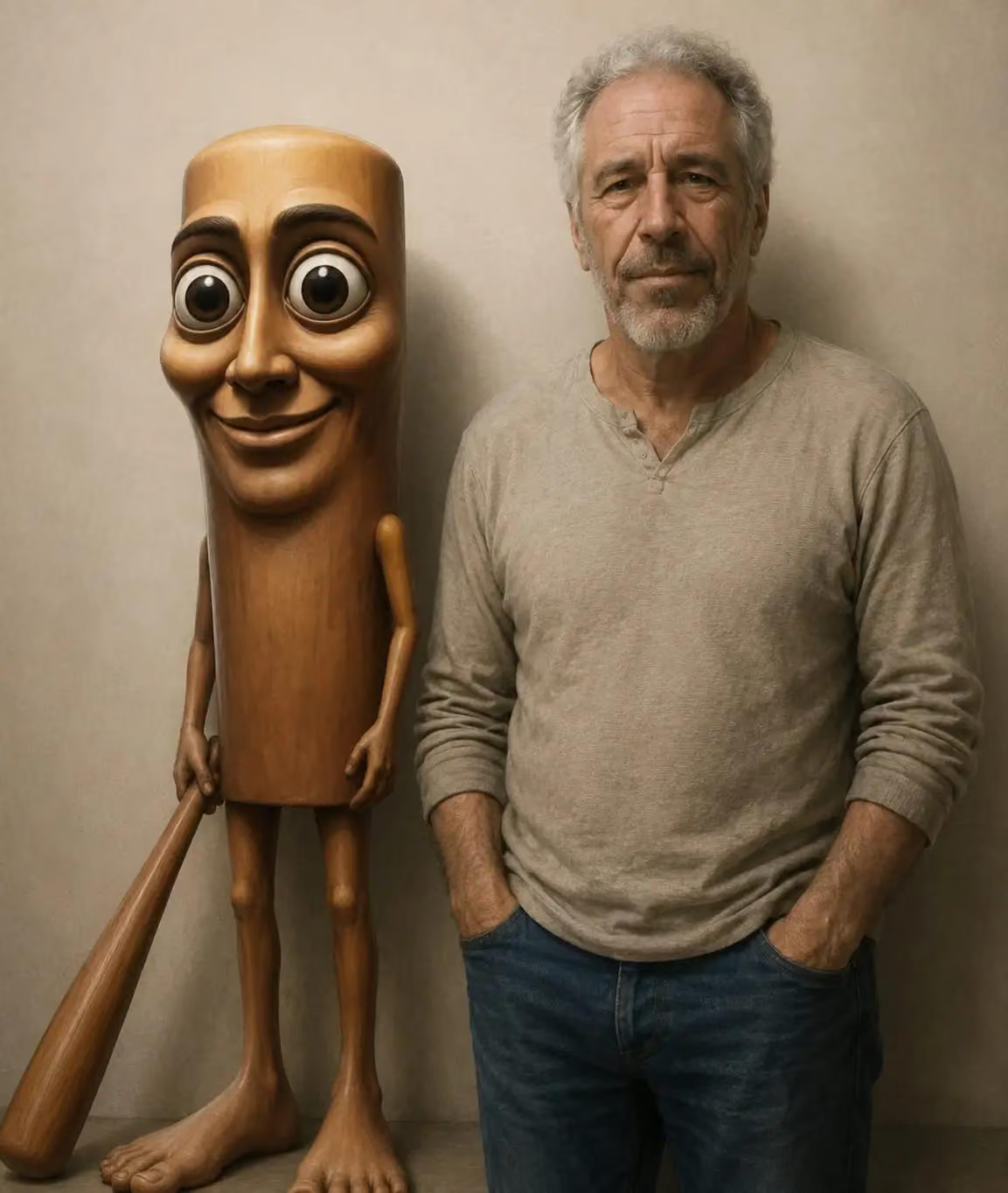
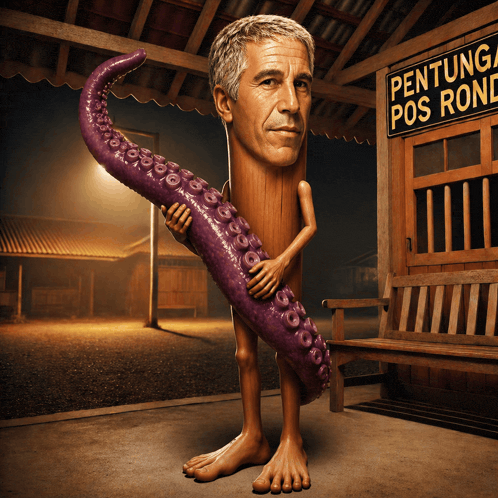
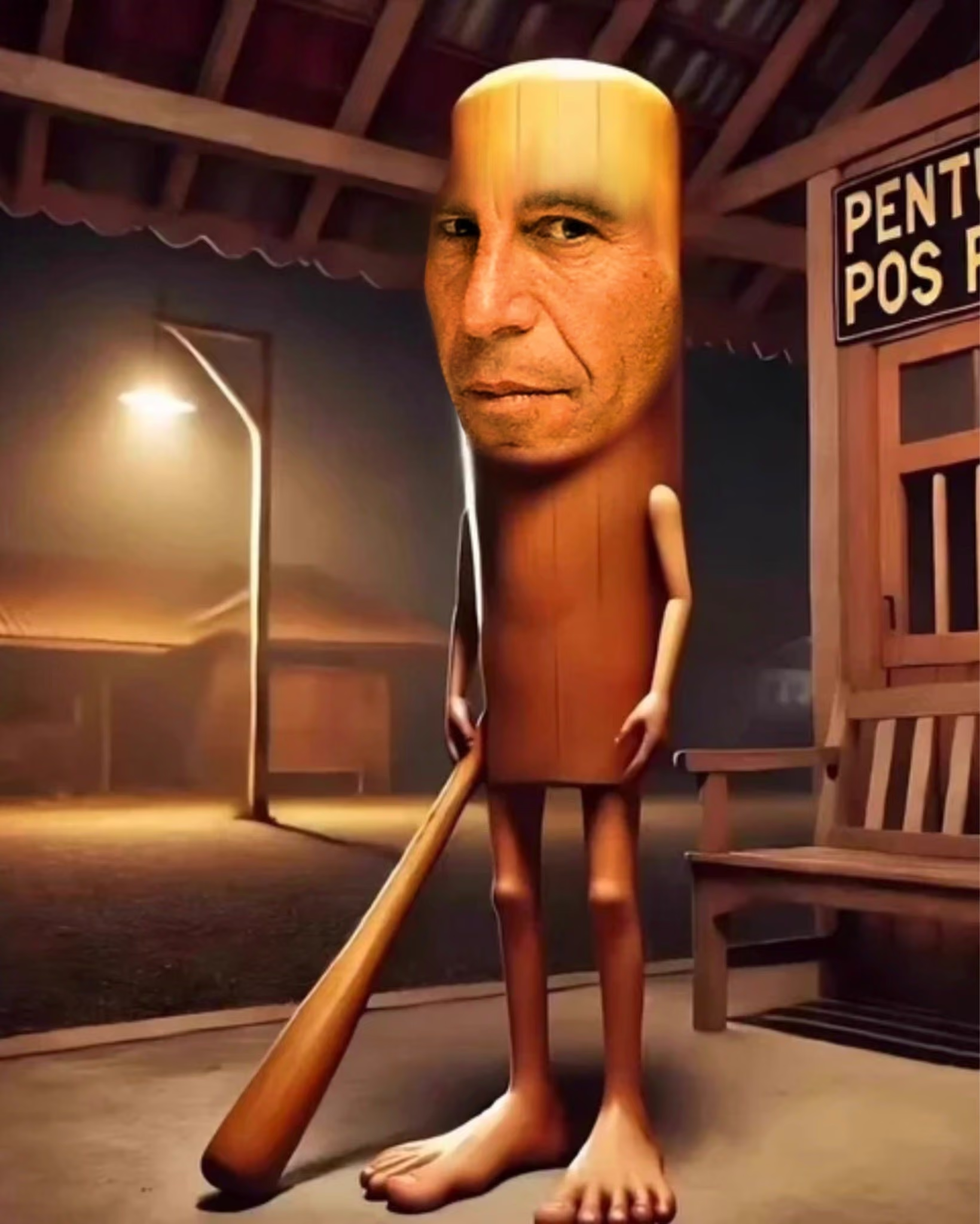
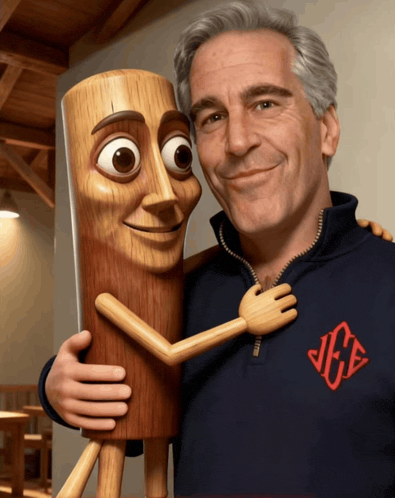
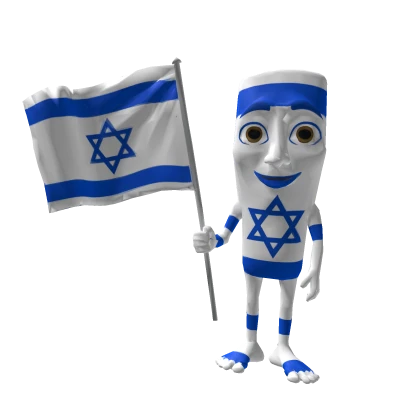
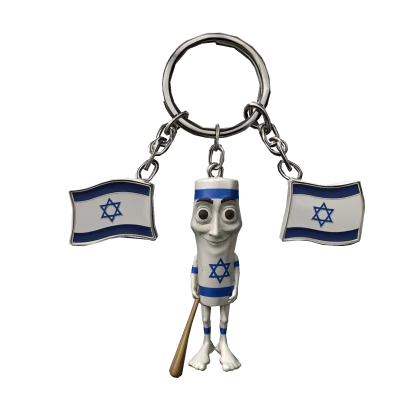
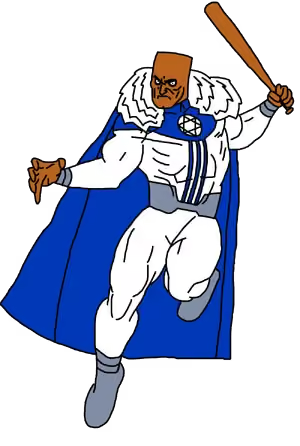
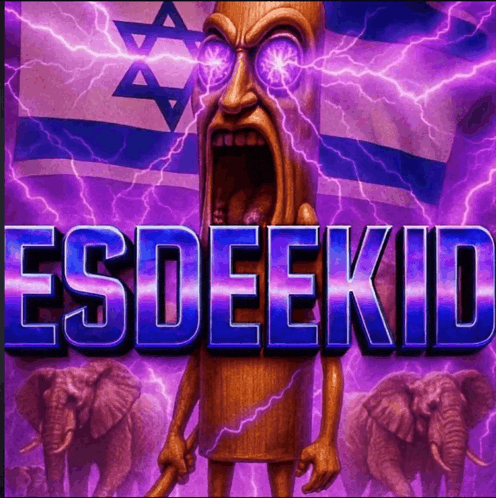
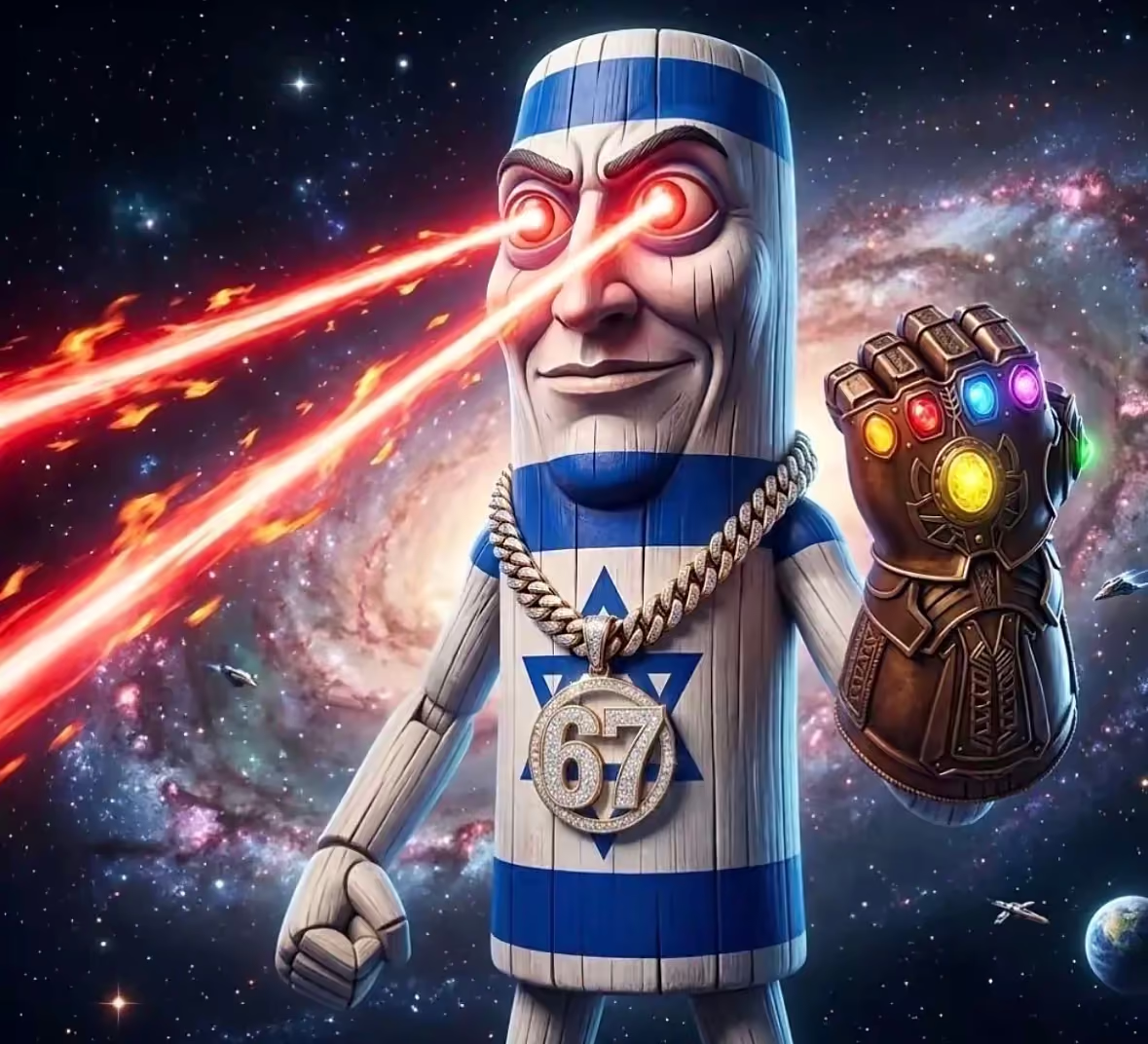
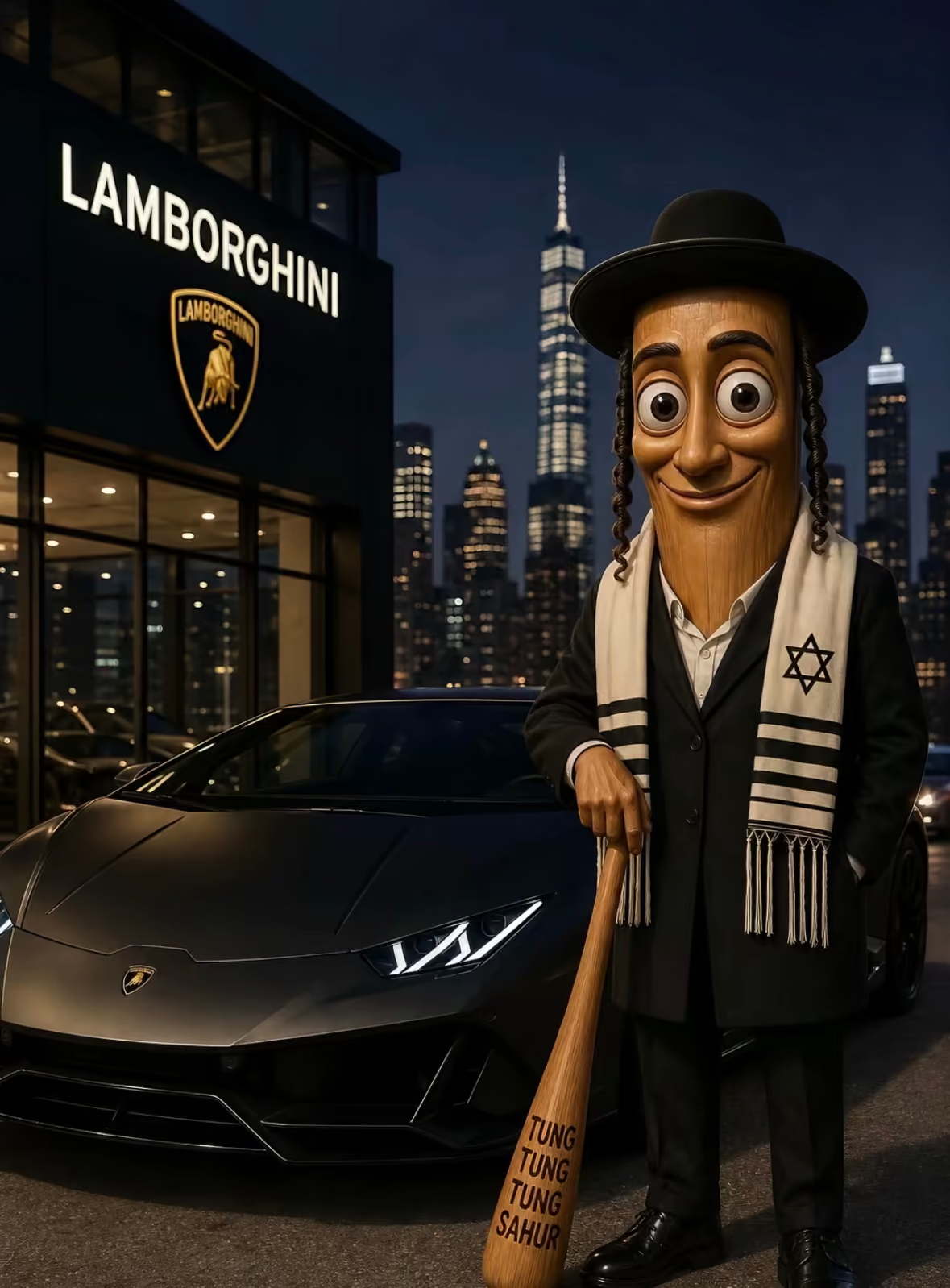
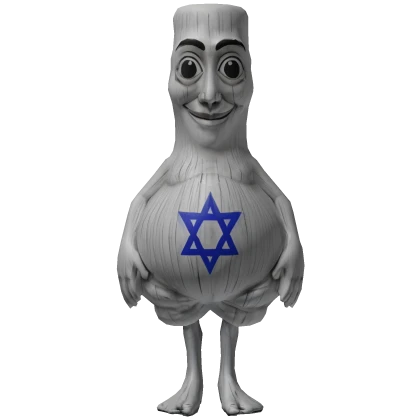
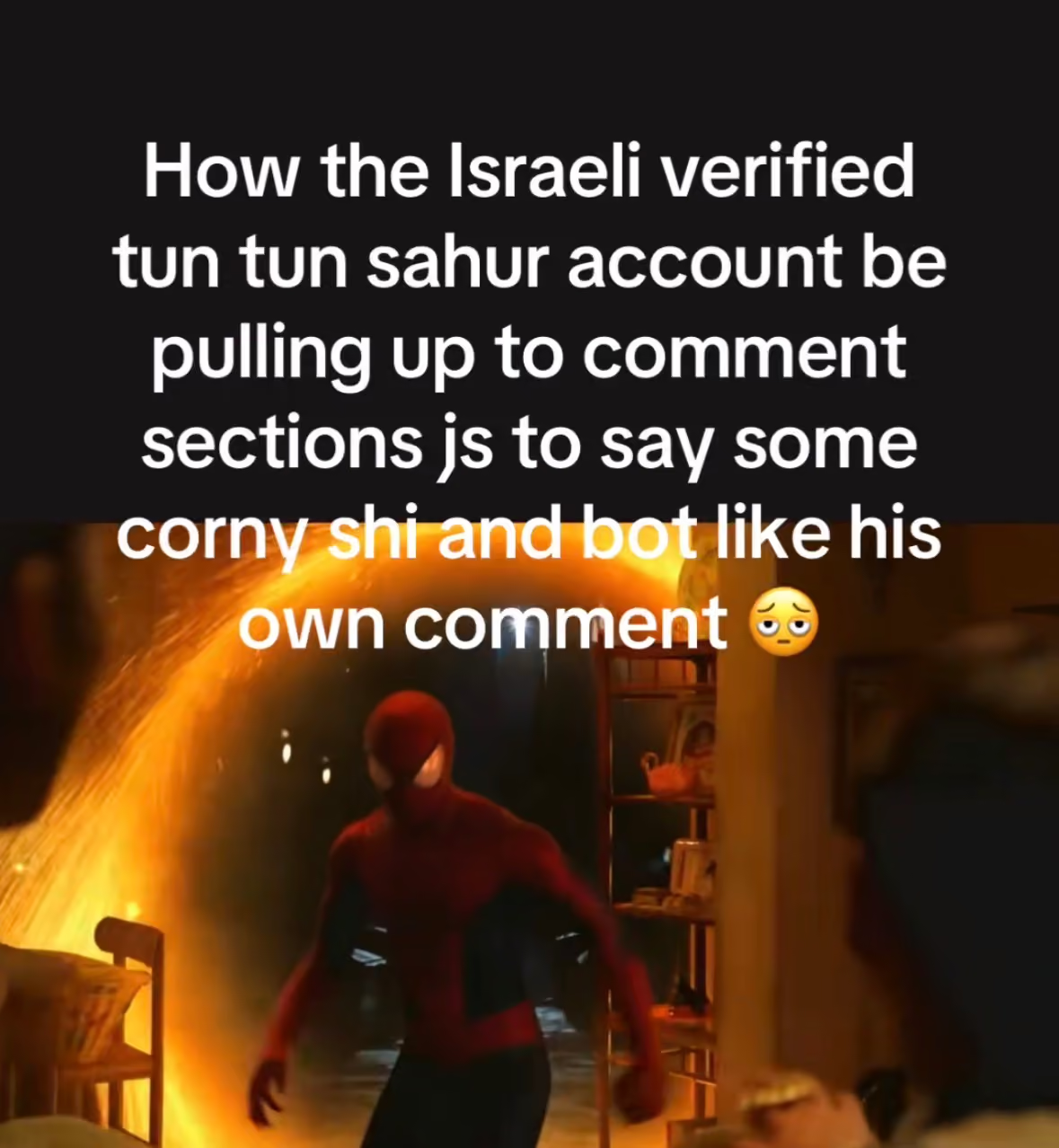
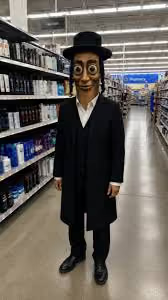
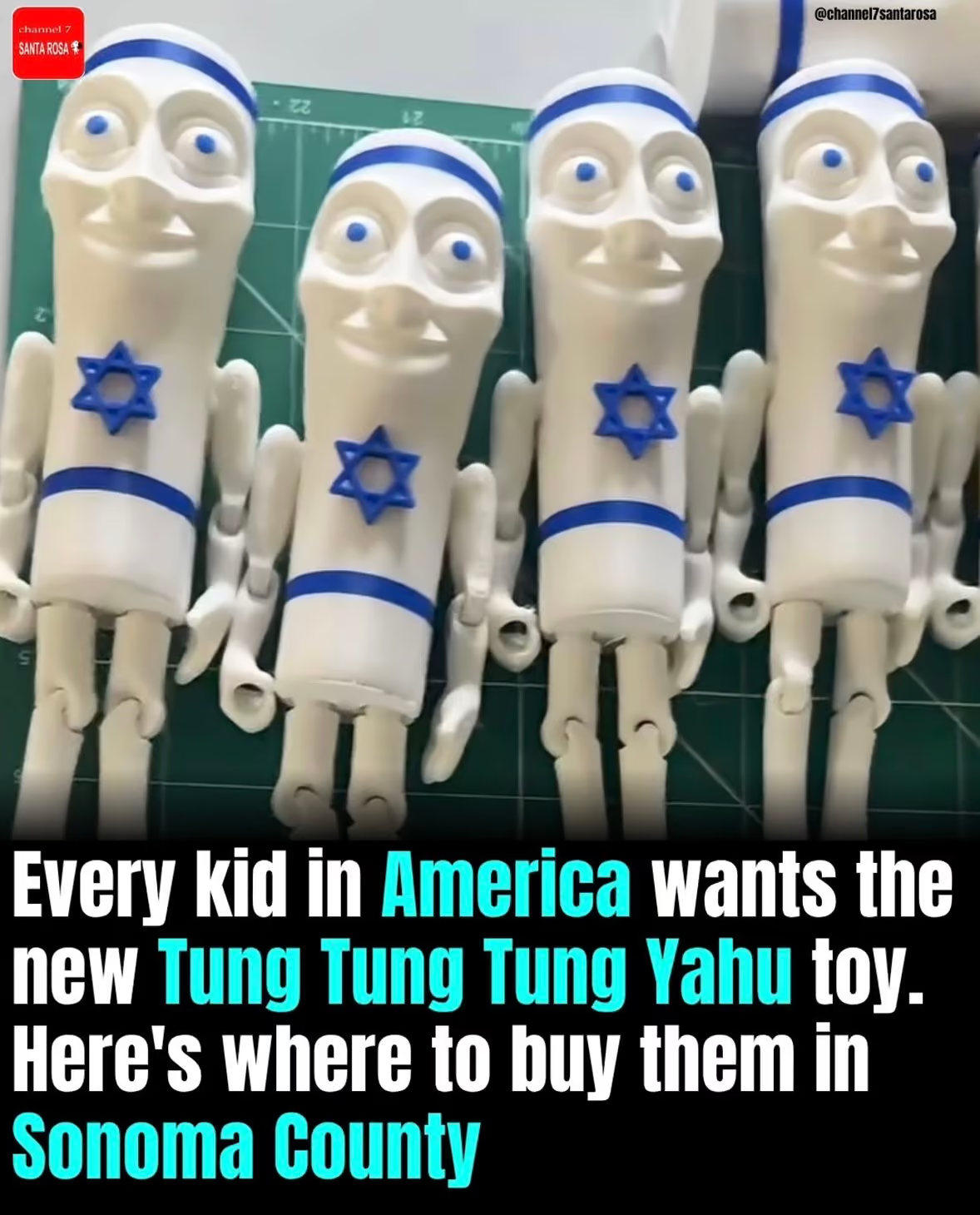
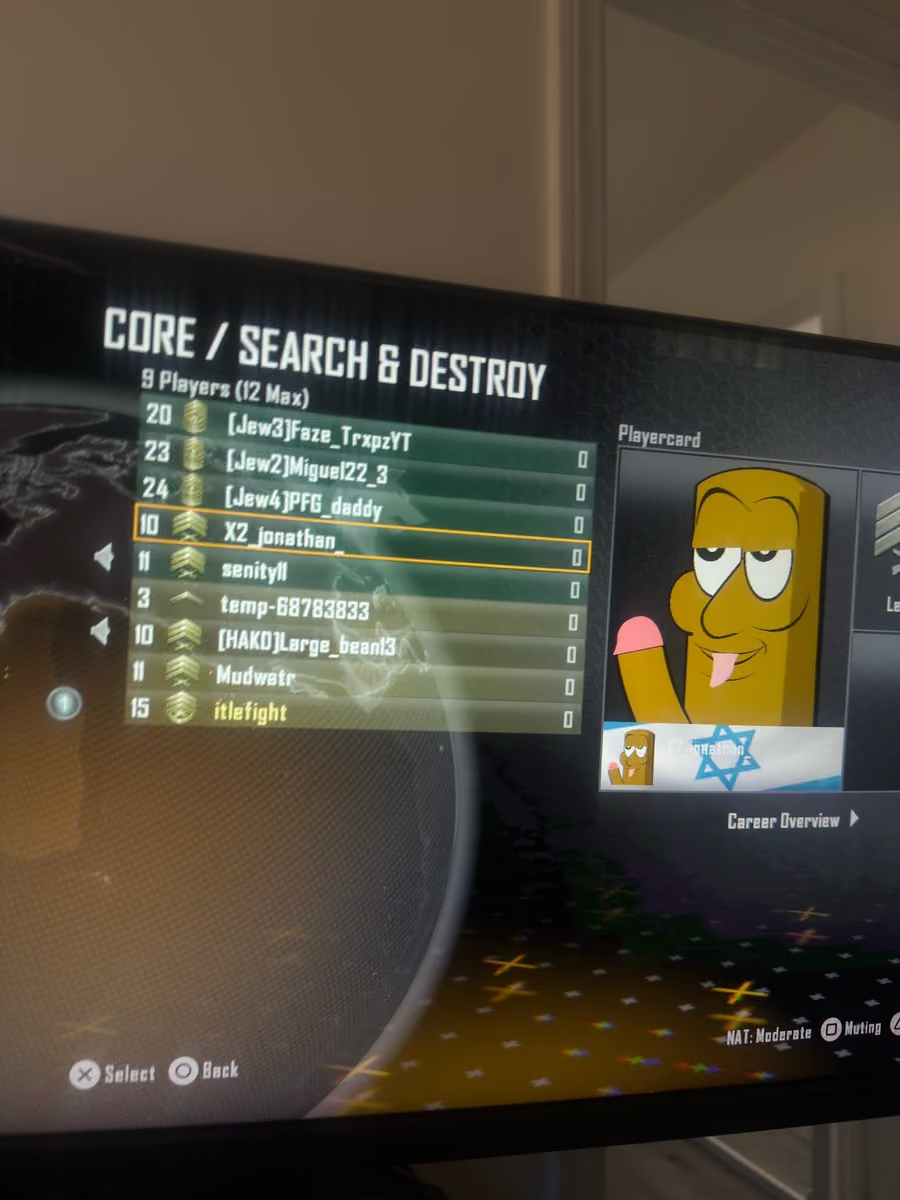
Orbán · Mao · Trump · Netanyahu · Kirk · Israel/Gaza · Epstein · weapons